Afghanistan's Foreign Minister Amir Khan Muttaqi announced a goal to raise trade with Central Asian countries to US$10 billion within the next three or four years. Trade between Afghanistan and its northern neighbors reached US$2.7 billion in 2025, according to Muttaqi's statements. He shared these targets at a meeting in Kabul that included representatives from Tajikistan, Turkmenistan, Kyrgyzstan, Uzbekistan, and Kazakhstan.
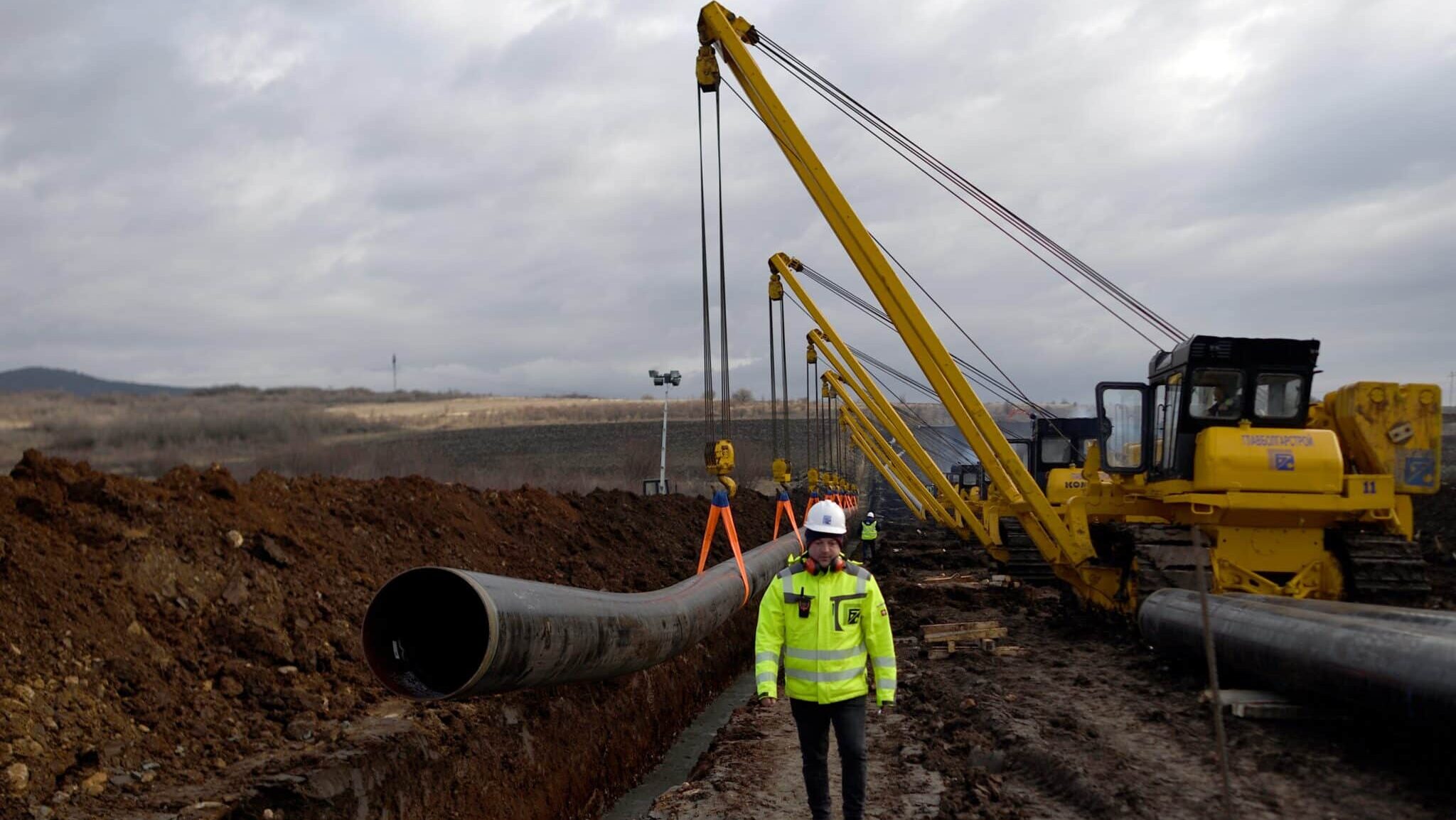
The Kabul meeting addressed political, economic, and security matters, along with regional cooperation and trade routes. Muttaqi emphasized Afghanistan's aim to leverage its geoeconomic position to connect Central Asia with South and West Asia. One key project discussed was the TAPI gas pipeline, with about 25 kilometers completed on the Afghan side so far.
India delivered humanitarian assistance to Afghanistan, including kitchen sets, hygiene kits, and shelter materials, in response to recent floods and earthquakes. This support arrived as Afghanistan navigates challenges from international sanctions that affect its trade efforts.
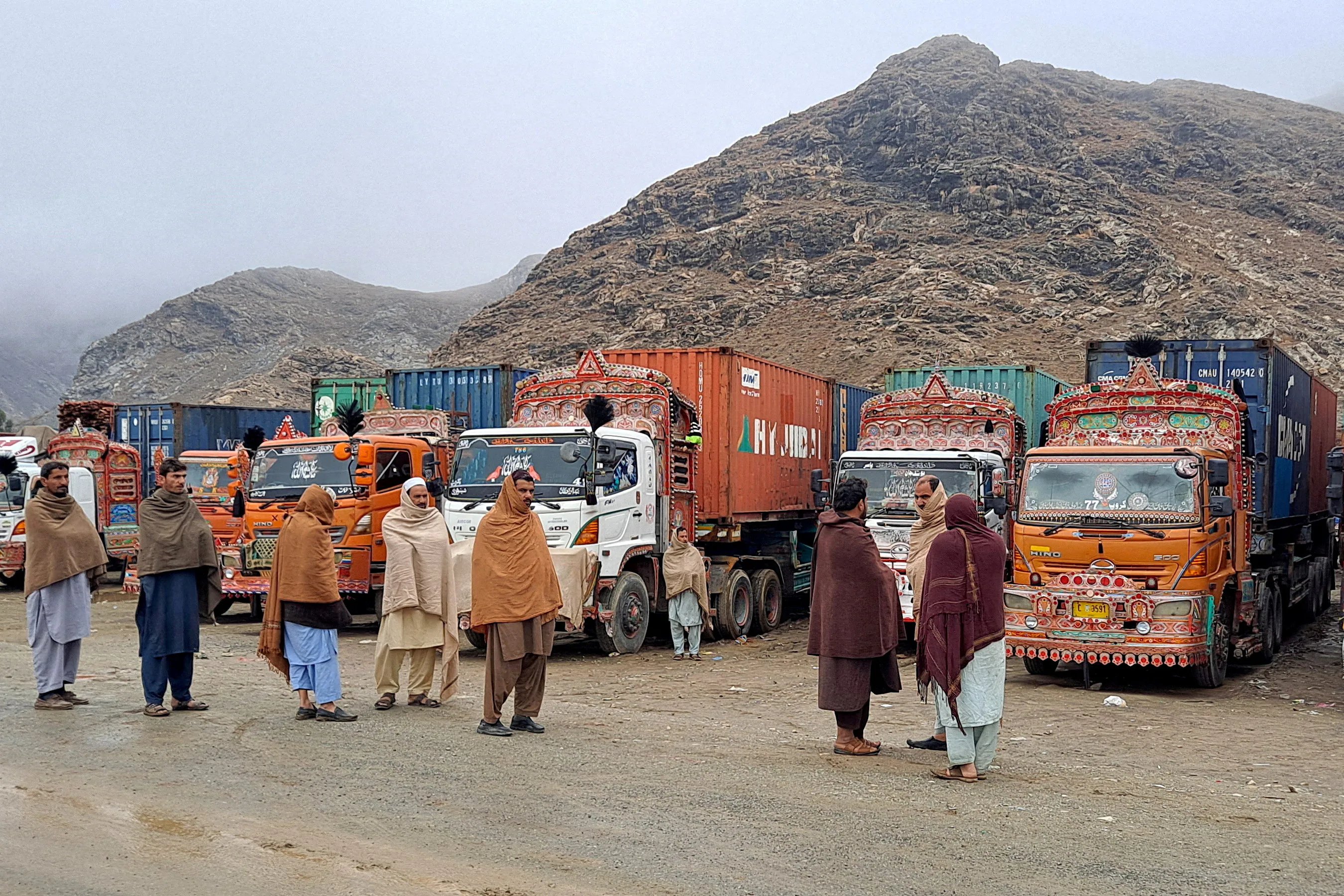
The trade initiatives with Central Asia come as traditional routes through Russia face disruptions, potentially opening new pathways for Afghanistan. Representatives from the involved countries explored ways to expand transit routes, which could benefit regional economies.
The TAPI pipeline project, linking Herat in Afghanistan with Turkmenistan, represents a step toward energy security for multiple nations. Meanwhile, India's aid directly helps Afghan families recover from disasters, showing how international actions address immediate needs.
Afghanistan's Foreign Minister Amir Khan Muttaqi announced a goal to raise trade with Central Asian countries to US$10 billion within the next three or four years. Trade between Afghanistan and its northern neighbors reached US$2.7 billion in 2025, according to Muttaqi's statements. He shared these targets at a meeting in Kabul that included representatives from Tajikistan, Turkmenistan, Kyrgyzstan, Uzbekistan, and Kazakhstan.
The Kabul meeting addressed political, economic, and security matters, along with regional cooperation and trade routes. Muttaqi emphasized Afghanistan's aim to leverage its geoeconomic position to connect Central Asia with South and West Asia. One key project discussed was the TAPI gas pipeline, with about 25 kilometers completed on the Afghan side so far.
India delivered humanitarian assistance to Afghanistan, including kitchen sets, hygiene kits, and shelter materials, in response to recent floods and earthquakes. This support arrived as Afghanistan navigates challenges from international sanctions that affect its trade efforts. The aid highlights ongoing international ties that could influence Afghanistan's economic stability and access to resources.
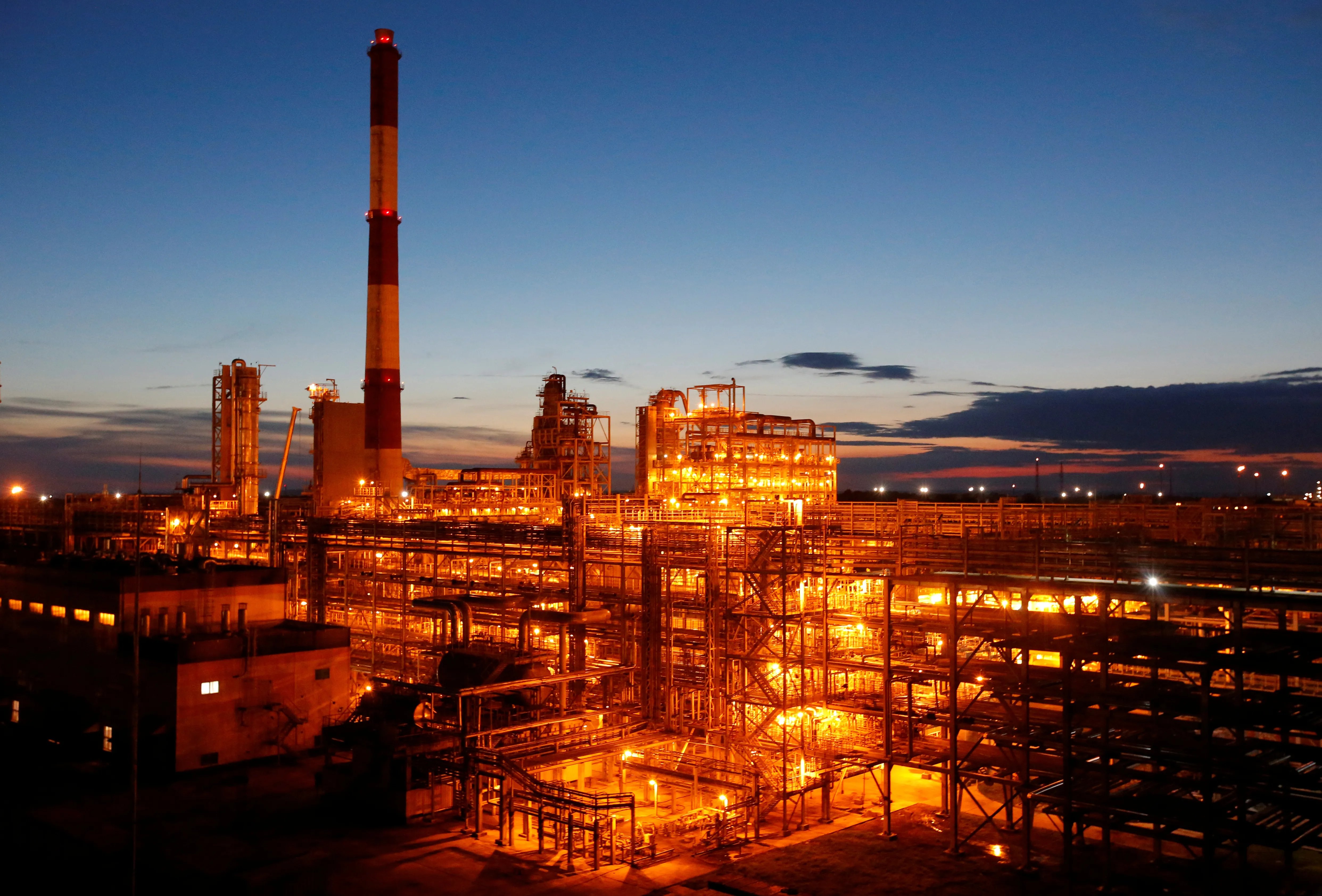
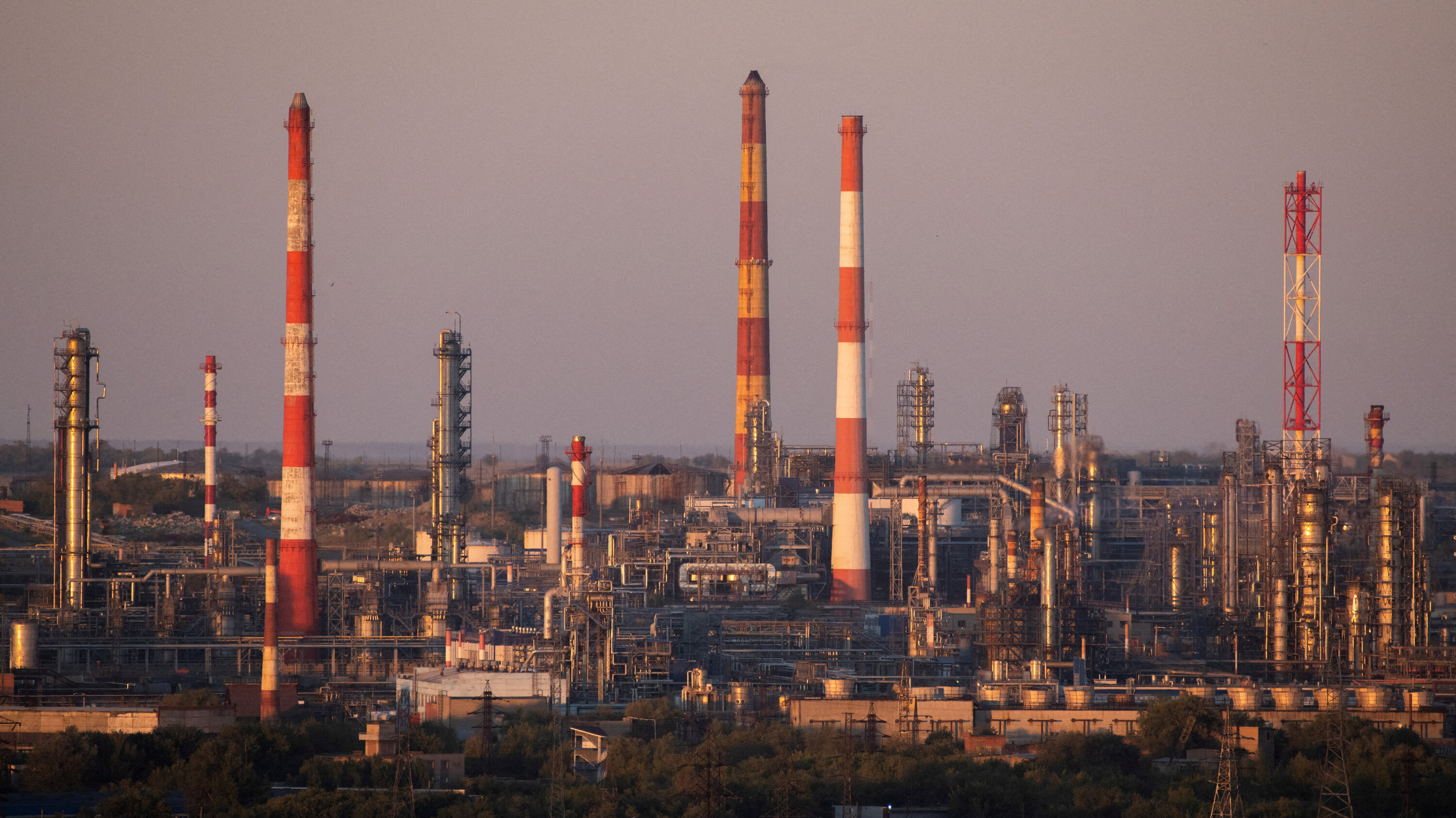
The trade initiatives with Central Asia come as traditional routes through Russia face disruptions, potentially opening new pathways for Afghanistan. Representatives from the involved countries explored ways to expand transit routes, which could benefit regional economies. These developments might create opportunities for jobs and goods flow that extend beyond borders.
The TAPI pipeline project, linking Herat in Afghanistan with Turkmenistan, represents a step toward energy security for multiple nations. Such infrastructure could lower costs for fuel and improve daily life for people in affected areas. Meanwhile, India's aid directly helps Afghan families recover from disasters, showing how international actions address immediate needs. This combination of trade and aid efforts could shape access to essential supplies for millions.
Highlighted text was flagged by the council. Tap to see feedback.

















The sources also report that these disruptions to routes through Russia stem from heavy sanctions.