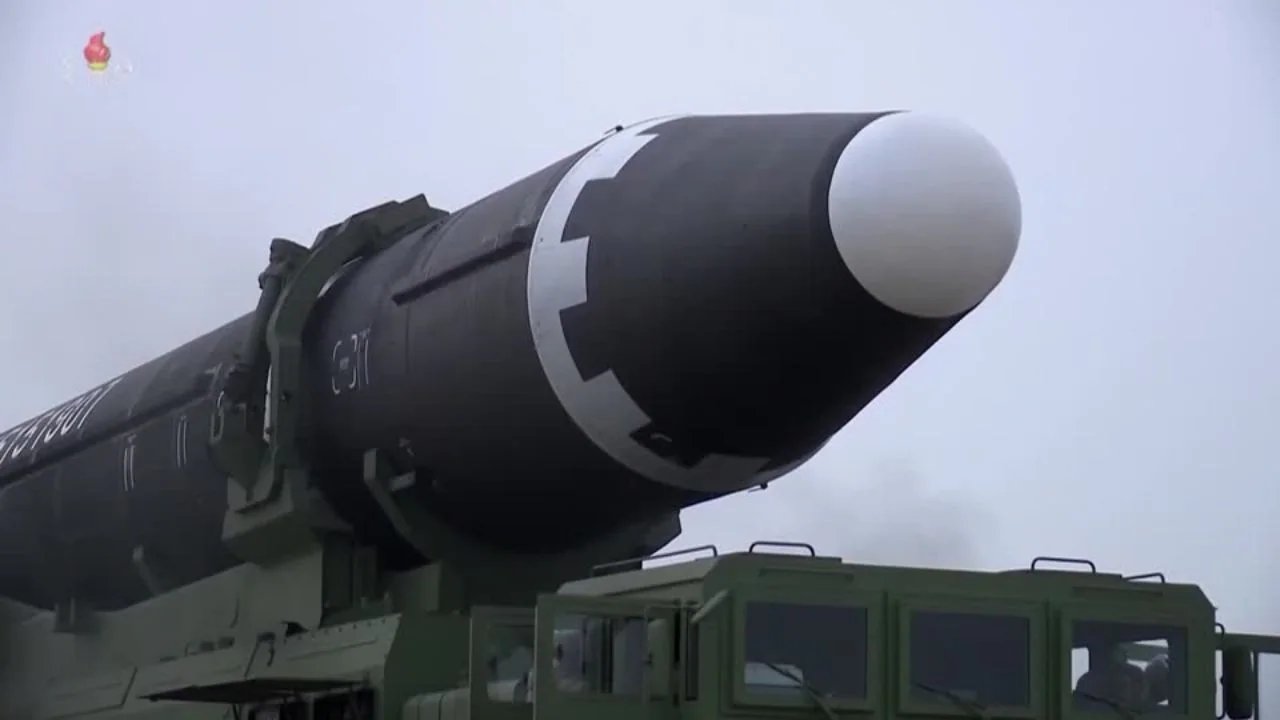
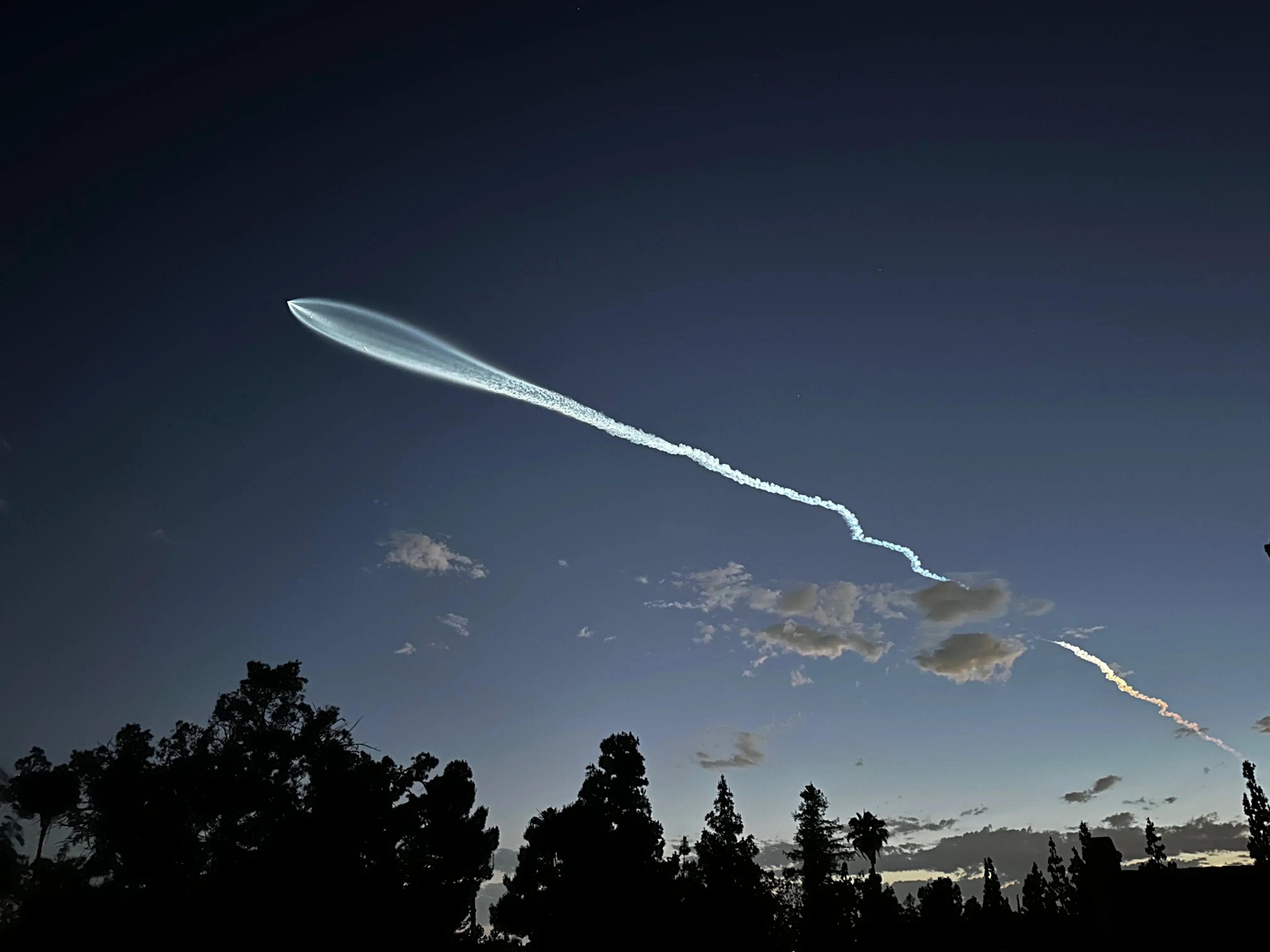
North Korea fired multiple short-range ballistic missiles from its eastern coastal Wonsan area on Wednesday, with each traveling about 240 kilometers toward eastern waters, according to South Korea's joint chiefs of staff. A later missile flew more than 700 kilometers off the North's east coast, marking the second launch in two days after an unidentified projectile on Tuesday.
Jang Kum Chol, first vice minister at North Korea's Foreign Ministry, declared South Korea the "most hostile enemy state" and labeled its officials as "world-startling fools" for pursuing better relations. Kim Yo Jong, sister of leader Kim Jong Un, praised South Korean President Lee Jae Myung for expressing regret over drone flights into North Korean airspace but warned of retaliation if they recur.
South Korea's military detected the Wednesday launches and maintained readiness to counter any provocations through its alliance with the United States, as stated by the joint chiefs of staff. Unification Minister Chung Dong-young urged the European Union to mediate talks with North Korea, calling the EU an "optimal mediator" due to its history in resolving disputes.
Chinese Foreign Minister Wang Yi planned a two-day visit to North Korea starting Thursday, the first in more than six years, as both nations aim to strengthen their relationship amid global uncertainties. North Korea's launches followed Kim Jong Un observing a test of an upgraded solid-fuel engine, which boosts its strategic arsenal by making missiles easier to conceal and launch.
North Korea's actions came after Kim Jong Un rejected all ties with South Korea, describing it as its "most hostile entity" during a recent party congress. President Lee Jae Myung's expressions of regret over border incidents failed to sway Pyongyang, with officials viewing such statements as warnings rather than openings for talks.
North Korea fired multiple short-range ballistic missiles from its eastern coastal Wonsan area on Wednesday, with each traveling about 240 kilometers toward eastern waters, according to South Korea's joint chiefs of staff. A later missile flew more than 700 kilometers off the North's east coast, marking the second launch in two days after an unidentified projectile on Tuesday. These actions heighten risks for people in nearby nations, as missile tests can disrupt trade routes and increase the chance of military clashes that affect global supply chains and economic stability.
Jang Kum Chol, first vice minister at North Korea's Foreign Ministry, declared South Korea the "most hostile enemy state" and labeled its officials as "world-startling fools" for pursuing better relations. Kim Yo Jong, sister of leader Kim Jong Un, praised South Korean President Lee Jae Myung for expressing regret over drone flights into North Korean airspace but warned of retaliation if they recur. This rhetoric underscores Pyongyang's refusal to engage in dialogue, leaving ordinary citizens in the region to face ongoing uncertainty about potential escalations that could lead to broader conflicts.
South Korea's military detected the Wednesday launches and maintained readiness to counter any provocations through its alliance with the United States, as stated by the joint chiefs of staff. Unification Minister Chung Dong-young urged the European Union to mediate talks with North Korea, calling the EU an "optimal mediator" due to its history in resolving disputes. These efforts reflect Seoul's attempts to ease tensions, which directly impact residents' daily lives by potentially averting disruptions to jobs and travel in the area.
Chinese Foreign Minister Wang Yi planned a two-day visit to North Korea starting Thursday, the first in more than six years, as both nations aim to strengthen their relationship amid global uncertainties. Analysts, as cited in reports, suggested North Korea's launches followed Kim Jong Un observing a test of an upgraded solid-fuel engine, which boosts its strategic arsenal by making missiles easier to conceal and launch. This development, including efforts to build intercontinental ballistic missiles with multiple warheads, raises stakes for international security by challenging defense systems and potentially altering power dynamics in the region.
North Korea's actions came after Kim Jong Un rejected all ties with South Korea, describing it as its "most hostile entity" during a recent party congress. President Lee Jae Myung's expressions of regret over border incidents failed to sway Pyongyang, with officials viewing such statements as warnings rather than openings for talks. These exchanges highlight the human cost, as failed diplomacy could prolong isolation and hardship for families divided by the border, forcing a focus on immediate steps like enhanced monitoring to prevent further incidents.
Highlighted text was flagged by the council. Tap to see feedback.