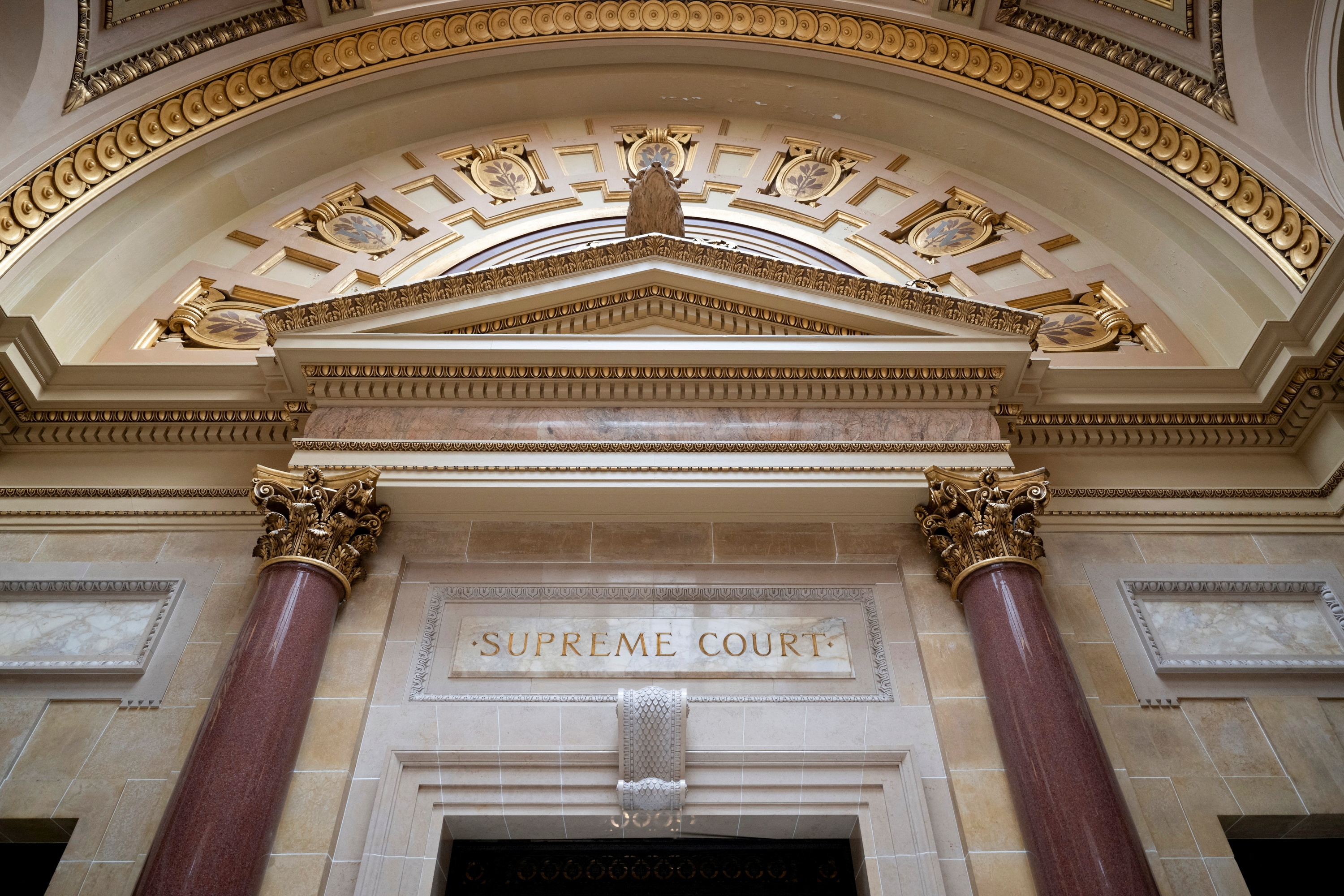
On Monday, April 6, the Supreme Court issued an order that allows for the dismissal of Steve Bannon's contempt of Congress conviction. The court's decision sends the case back to a federal appeals court in Washington, D.C., where it is expected that the government will move to dismiss the charges against Bannon. This order comes after Bannon served a four-month prison sentence in 2024 for defying a subpoena from the House committee that investigated the Jan. 6, 2021, attack.
Bannon's legal troubles began in 2021 when the House January 6 committee sought documents and testimony from him regarding his communications with then-President Trump concerning efforts to overturn the 2020 election results. Following his refusal, the House voted to hold him in contempt of Congress, resulting in his indictment on two counts.
Bannon's trial took place in 2022, where he was convicted and sentenced to four months in prison. The jury found him guilty despite his eventual offer to testify, claiming Trump had waived executive privilege. After his conviction was upheld by a panel of three judges in May 2024, Bannon appealed to the Supreme Court, which ultimately decided not to hear his case until now.
The Supreme Court's order noted the "pending motion to dismiss the indictment," which aligns with the Justice Department's request to dismiss the case in the "interests of justice." Bannon's attorneys described the prosecution as "ill-conceived" and "unjust."
Bannon has remained a prominent figure within Trump's political orbit, often credited as a key strategist behind Trump's 2016 election victory. Since leaving the White House in 2017, he has continued to support Trump's agenda and has been a vocal advocate for Trump's potential return to the presidency.
With the Supreme Court's decision, the federal appeals court is likely to dismiss the contempt case against Bannon, marking a pivotal moment in his ongoing legal saga. The dismissal would be largely symbolic, given that Bannon has already served his prison sentence.
On April 6, the Supreme Court issued an order that allows for the dismissal of Steve Bannon's contempt of Congress conviction. The court's decision sends the case back to a federal appeals court in Washington, D.C., where it is expected that the government will move to dismiss the charges against Bannon. This order comes after Bannon served a four-month prison sentence in 2024 for defying a subpoena related to the January 6 Capitol attack investigation.
Bannon's legal troubles began in 2021 when the House January 6 committee sought documents and testimony from him regarding his communications with then-President Trump concerning efforts to overturn the 2020 election results. Bannon declined to comply, claiming that Trump had invoked executive privilege, which he argued prevented him from providing the requested information. Following his refusal, the House voted to hold him in contempt of Congress, resulting in his indictment on two counts.
Bannon's trial took place in 2022, where he was convicted and sentenced to four months in prison. The jury found him guilty despite his eventual offer to testify, claiming Trump had waived executive privilege. After his conviction was upheld by a panel of three judges in May 2024, Bannon appealed to the Supreme Court, which ultimately decided not to hear his case until now.
The Supreme Court's order noted the "pending motion to dismiss the indictment," which aligns with the Justice Department's request to dismiss the case in the "interests of justice." Bannon's attorneys described the prosecution as "ill-conceived" and "unjust." This ruling not only affects Bannon but could also set a precedent for how future contempt cases involving political figures are handled, raising questions about accountability in congressional investigations.
Bannon has remained a prominent figure within Trump’s political orbit, often credited as a key strategist behind Trump's 2016 election victory. Since leaving the White House in 2017, he has continued to support Trump's agenda and has been a vocal advocate for Trump's potential return to the presidency. Bannon's legal battles have not deterred his influence among far-right circles, where he remains a significant voice.
With the Supreme Court's decision, the federal appeals court is likely to dismiss the contempt case against Bannon, marking a pivotal moment in his ongoing legal saga. The dismissal would be largely symbolic, given that Bannon has already served his prison sentence. However, it underscores the complexities of legal accountability for political figures and the potential for further challenges in similar cases. As the legal landscape evolves, the implications of this ruling may resonate beyond Bannon, influencing how Congress navigates subpoenas and compliance in the future.
Highlighted text was flagged by the council. Tap to see feedback.







































The sources also report that the Supreme Court's order addressing Steve Bannon's contempt conviction appeal included no noted dissents.