




Oil Flow Disruptions Expected to Persist
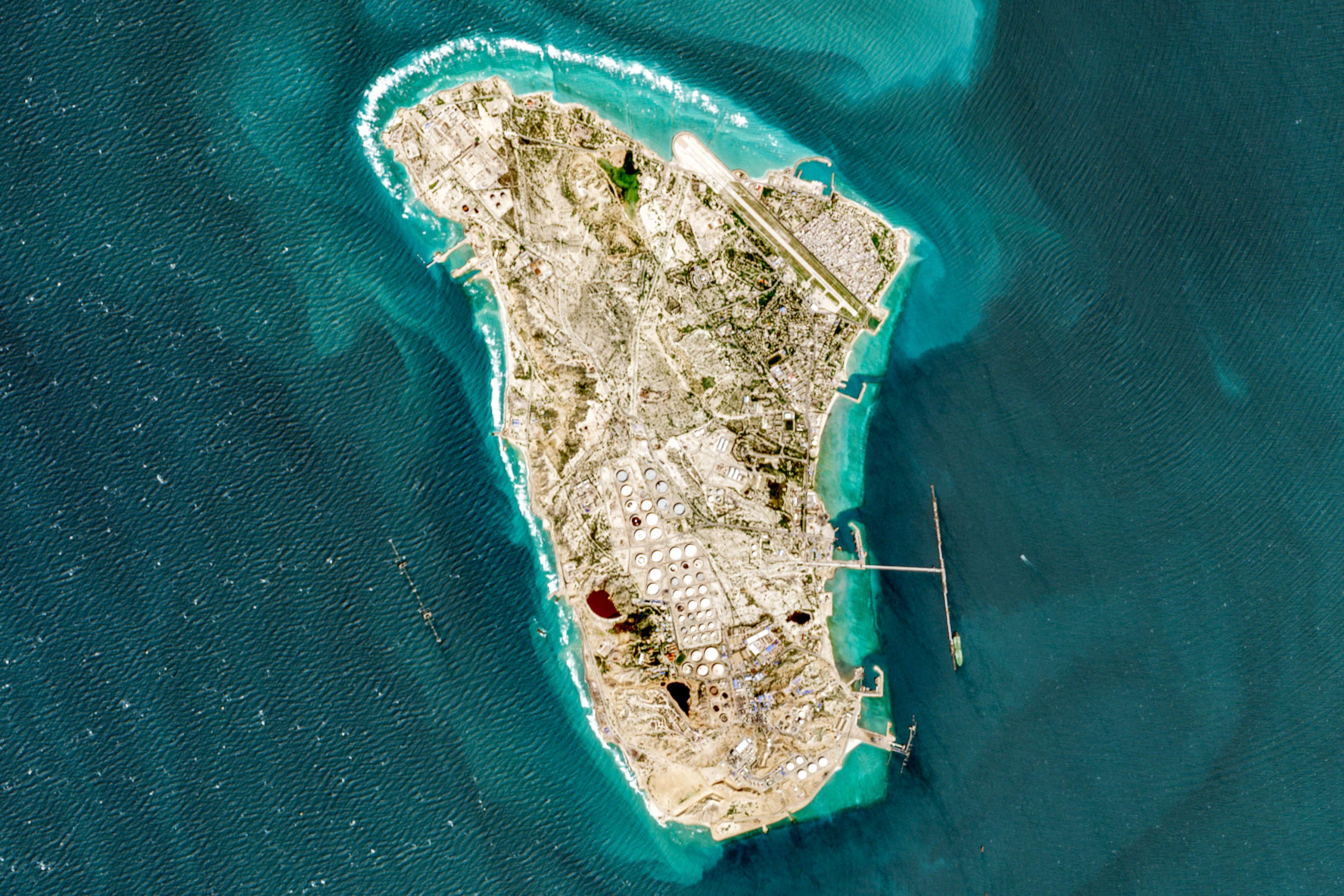
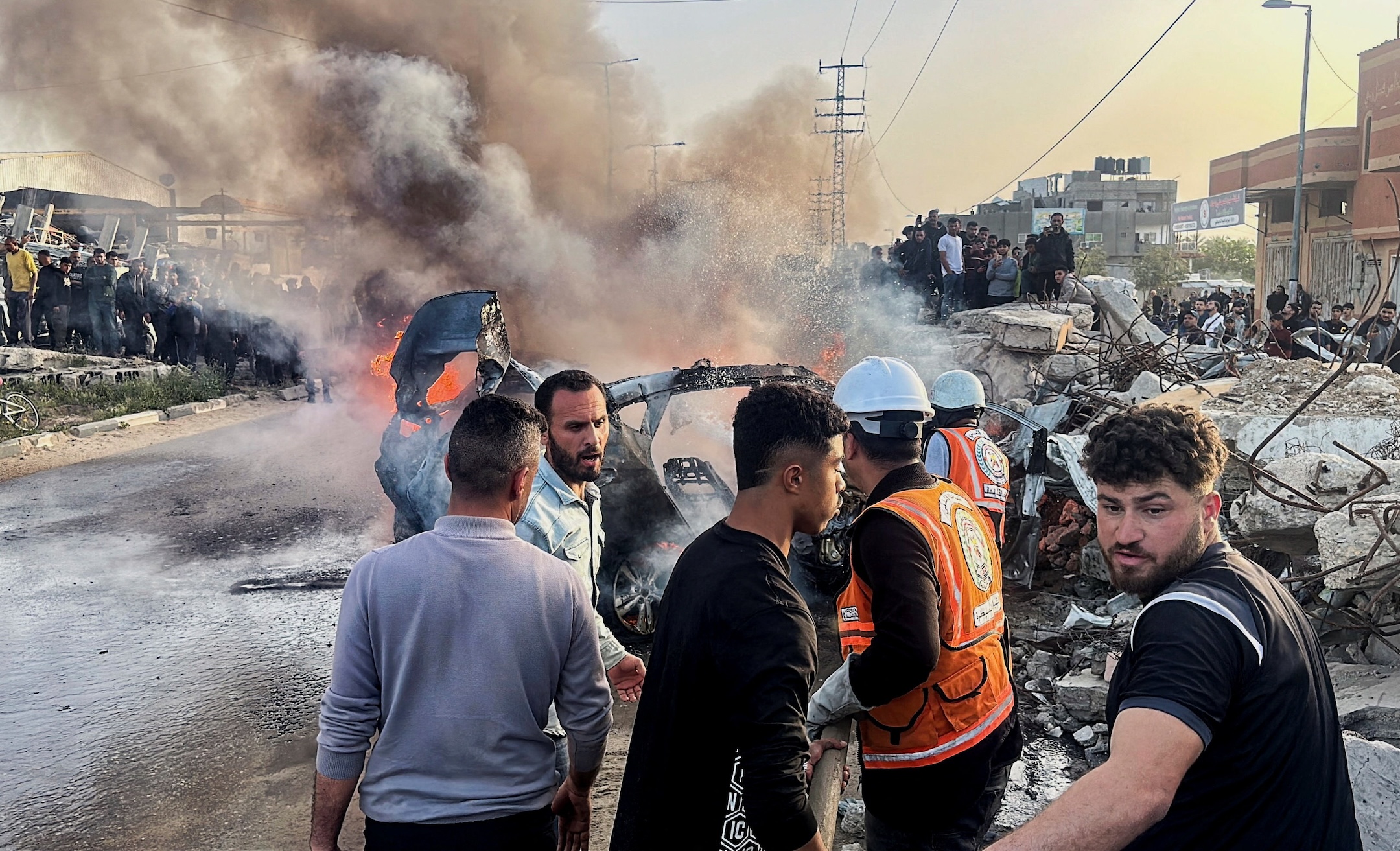
The ongoing war in Iran is projected to severely disrupt global oil supplies, even if the Strait of Hormuz reopens soon. Henning Gloystein, managing director of energy, industry, and resources at the Eurasia Group, stated that shipping companies would require at least two months to resume operations in the Persian Gulf following a ceasefire. The Strait of Hormuz, a crucial shipping lane for oil, remains largely closed, with transits dropping from approximately 130 per day in February to just six in March, according to a United Nations report.
Infrastructure Damage Will Delay Recovery
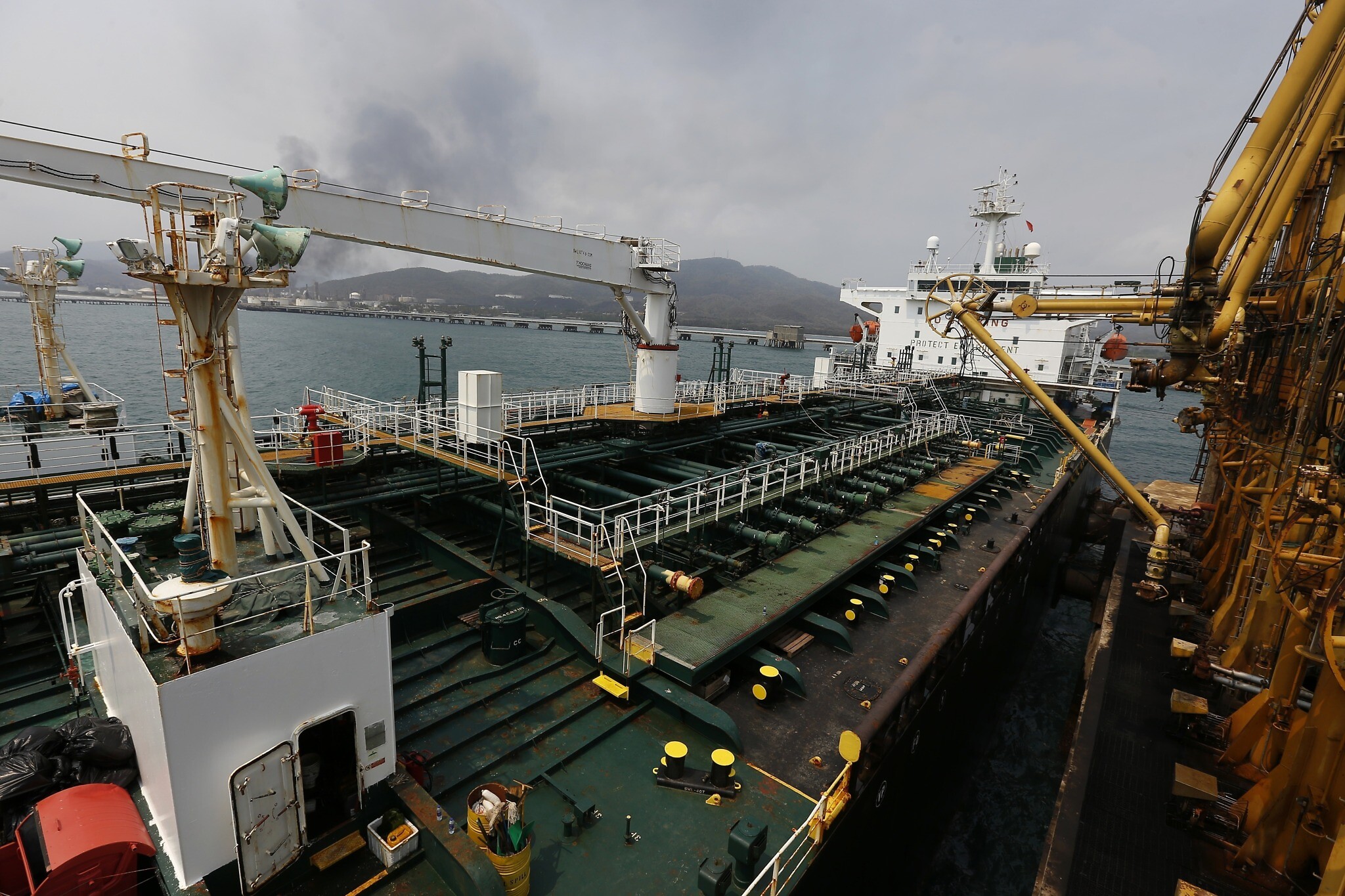
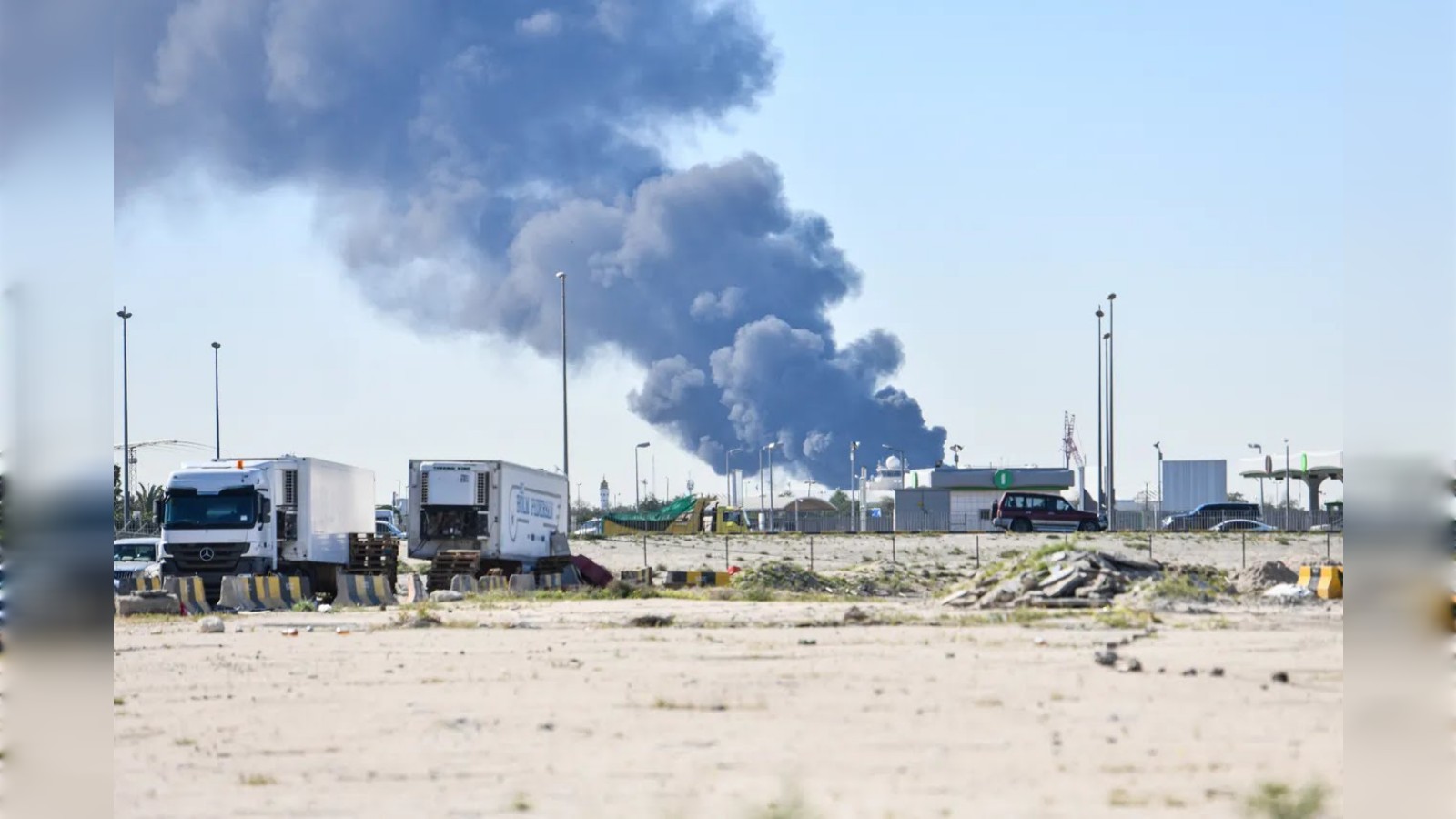
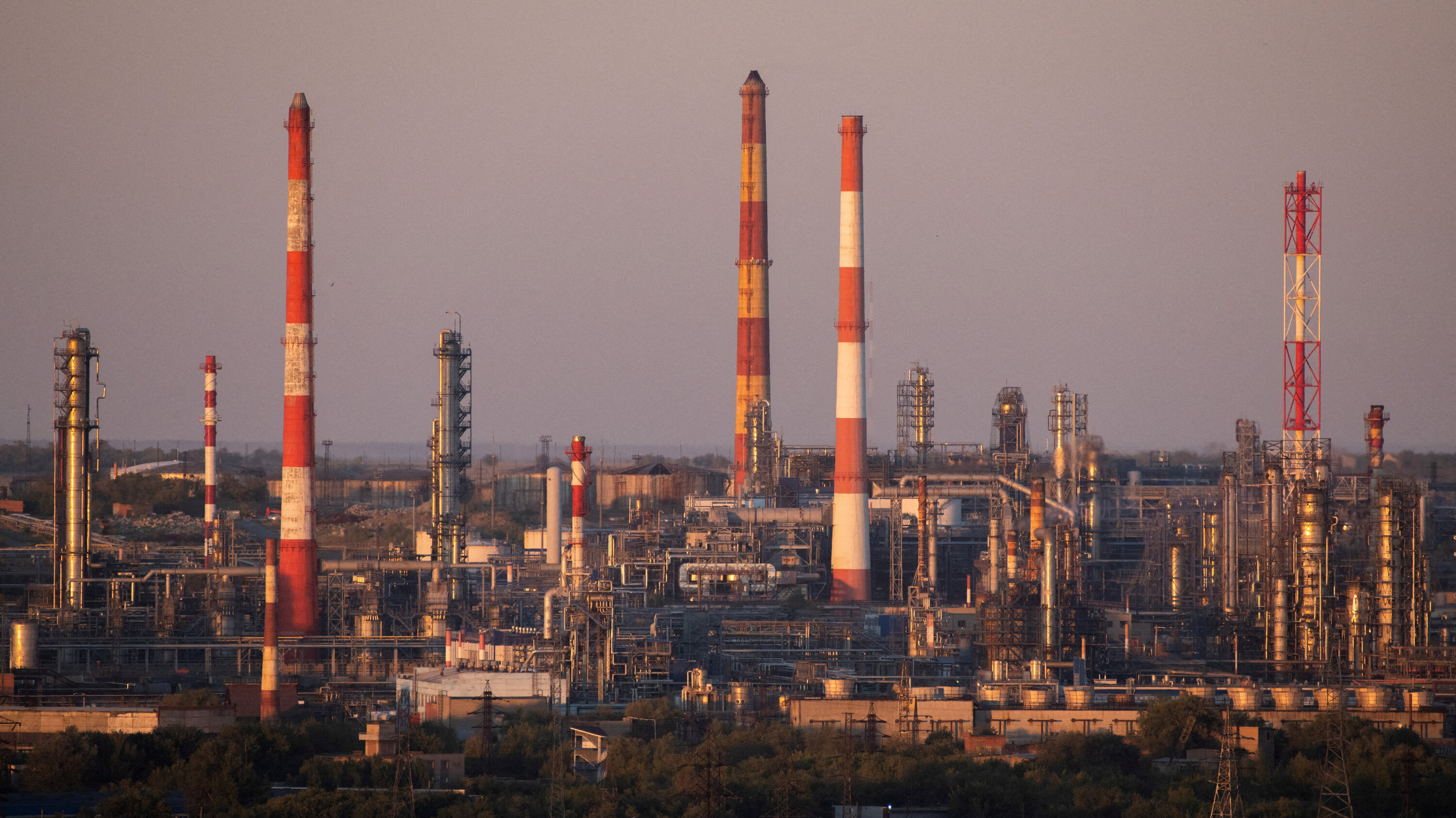
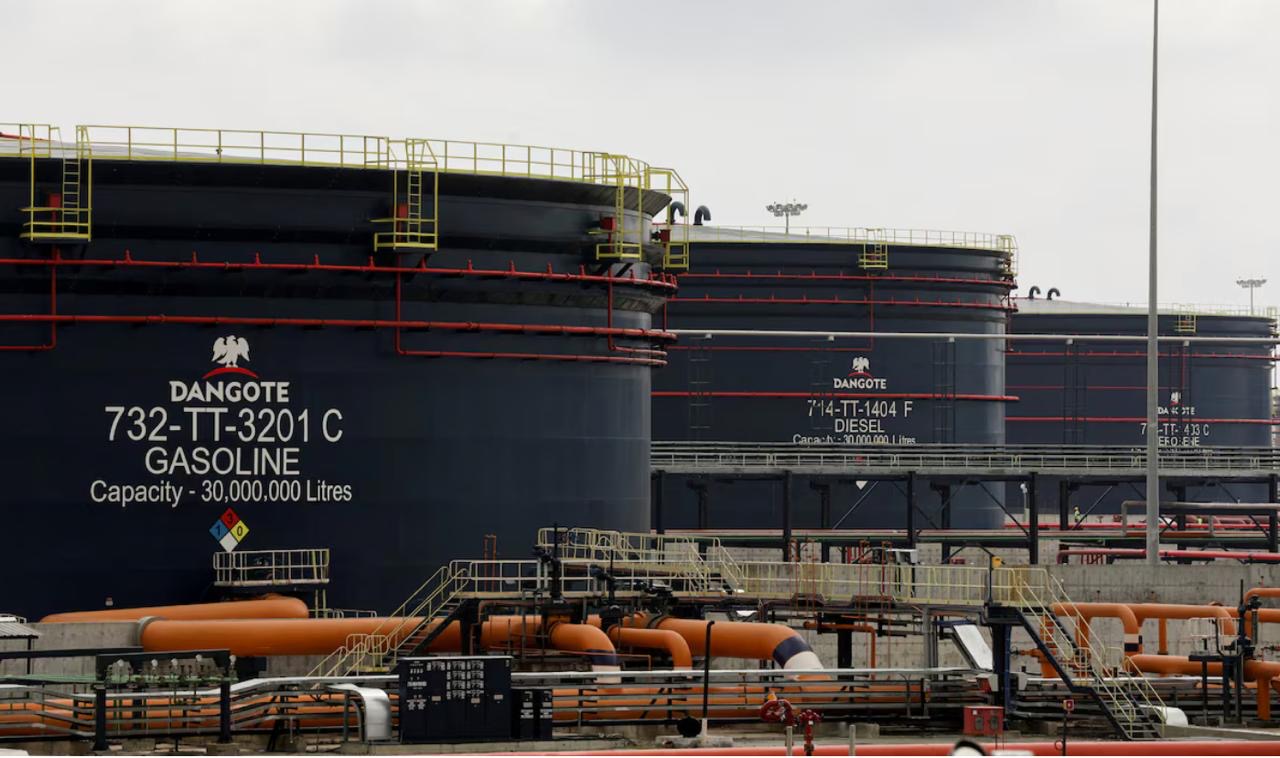
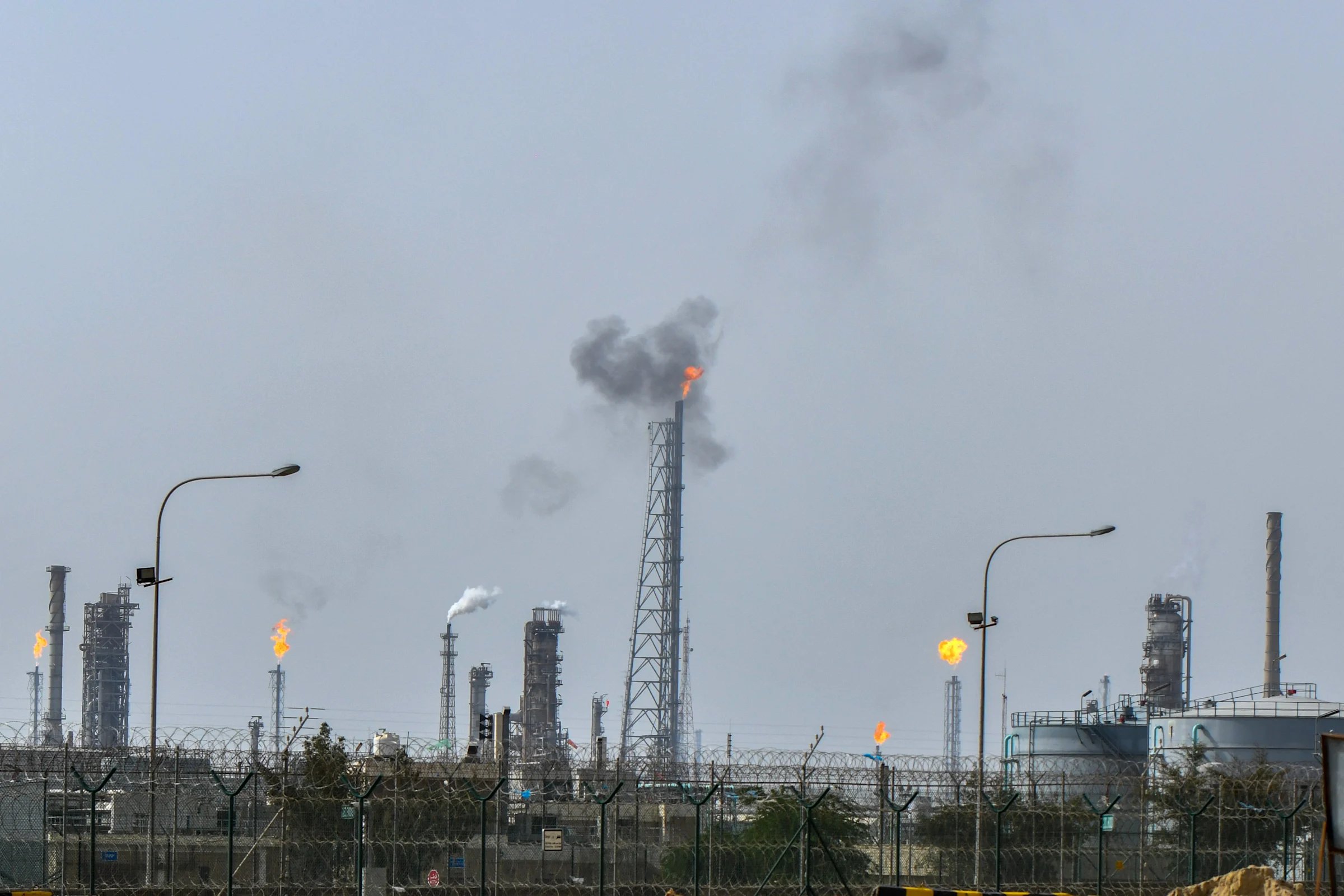
Even with the cessation of hostilities, it will take several months to repair the damaged oil refineries and infrastructure in the region. Gloystein highlighted that there are currently around 70 large empty crude oil tankers anchored near Singapore and Malaysia, collectively capable of transporting at least 100 million barrels of crude oil. These tankers, which usually pick up oil from the Gulf, will not be able to deliver Middle Eastern crude to Asia for about eight weeks after departing their current locations.
Impact on Global Oil Prices
The uncertainty surrounding the Iran conflict continues to influence global oil prices. On Monday, the price for a barrel of benchmark U.S. crude rose 1.3% to $113.09, while Brent crude added 1.2% to $110.37 per barrel. These prices are significantly higher than the roughly $70 per barrel before the war began. In the U.S., the average price of gasoline has surged to $4.12 a gallon, up from $2.98 prior to the conflict, marking the highest price since 2022.
Broader Economic Implications
JPMorgan Chase CEO Jamie Dimon warned that the Iran war could lead to prolonged inflation and higher interest rates that could tip the U.S. economy into a recession, calling inflation the "skunk at the party" that could occur in 2026. The tightness in oil markets is already reflected in record-high prices for key fuels, including jet fuel and bunker fuel, which are essential for aviation and shipping.
Political Ramifications
The war in Iran has also sparked political unrest in the U.S. Representative Yassamin Ansari (D-Ariz.) announced Monday she will introduce articles of impeachment against Defense Secretary Pete Hegseth over his handling of U.S. operations in Iran. Ansari accused Hegseth of "reckless endangerment" and "repeatedly violating his oath of office." This move comes after President Trump threatened to destroy Iran's bridges, power plants, and desalination plants, actions that military law experts said could constitute war crimes.
Global Reactions and Future Projections
As the situation evolves, Iran's Revolutionary Guards have warned of reprisals beyond the region if the U.S. crosses their "red lines." Their threats include depriving the U.S. and its allies of oil and gas supplies for years. Meanwhile, OPEC+ has agreed to boost oil output by 206,000 barrels per day once the Strait of Hormuz is reopened in May, but analysts caution that supply shortages will persist in the short term.
The unfolding dynamics of the Iran war, coupled with the potential for a ceasefire, will have lasting implications for global oil markets and economies reliant on Middle Eastern oil. As nations scramble to secure their energy needs, the ramifications of this conflict will likely reverberate far beyond the immediate region.