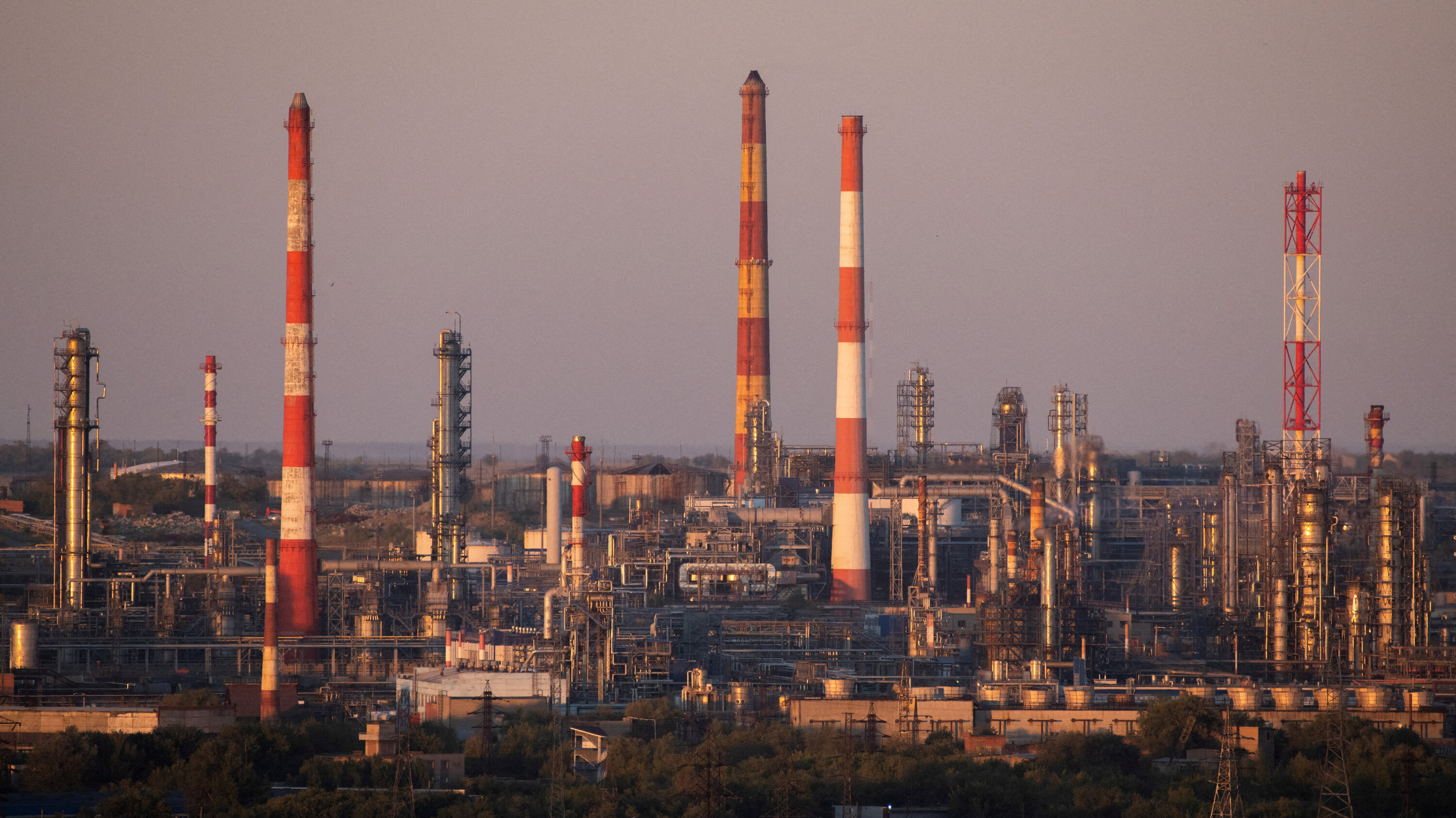
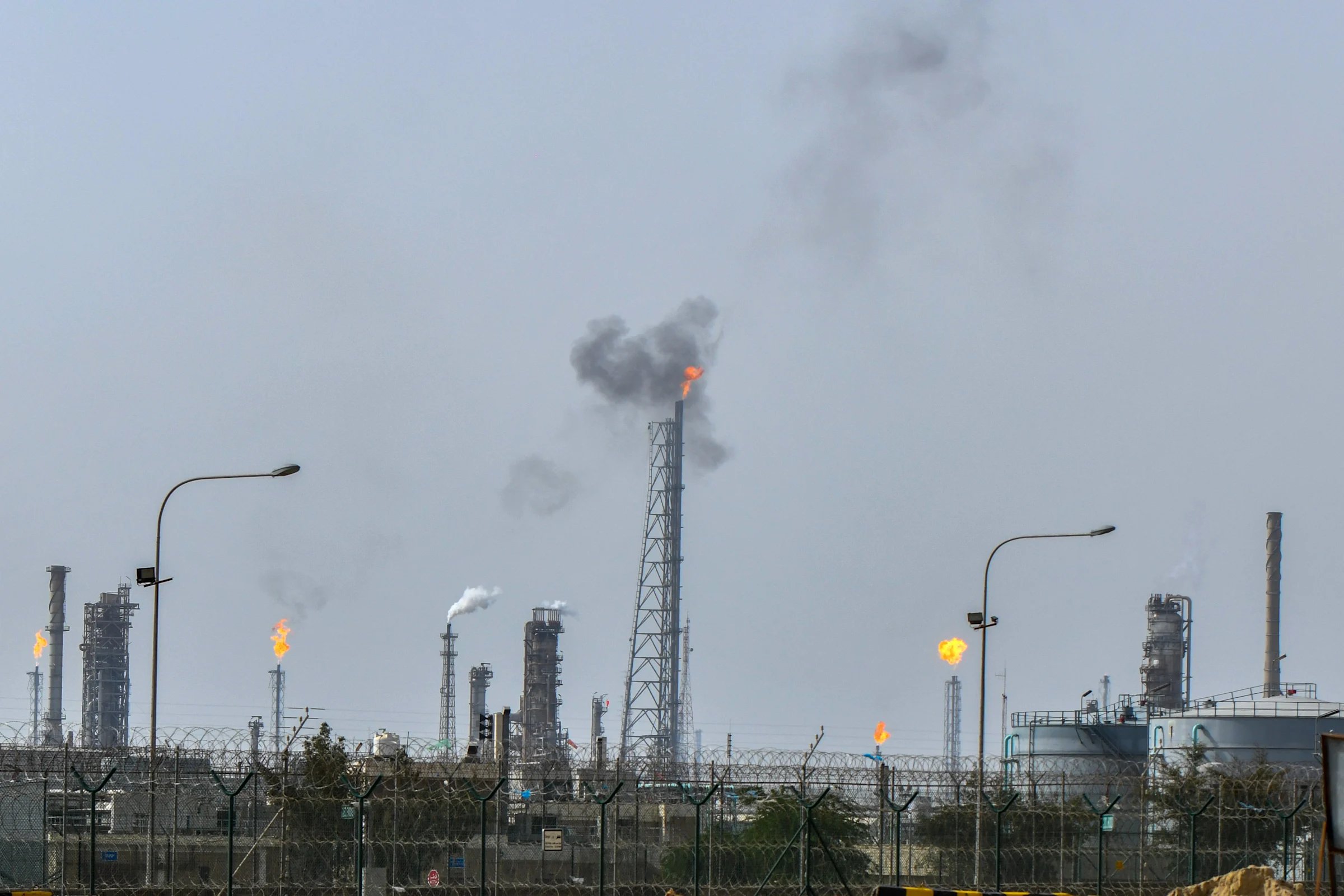
Oil prices fell on April 6, 2026, after news emerged that the United States and Iran received a peace proposal aimed at easing ongoing tensions. This significant drop reflects market optimism about potential stability in the region, which has long been a focal point of global oil supply concerns.
The decrease in oil prices is expected to have a direct impact on gasoline costs for consumers.
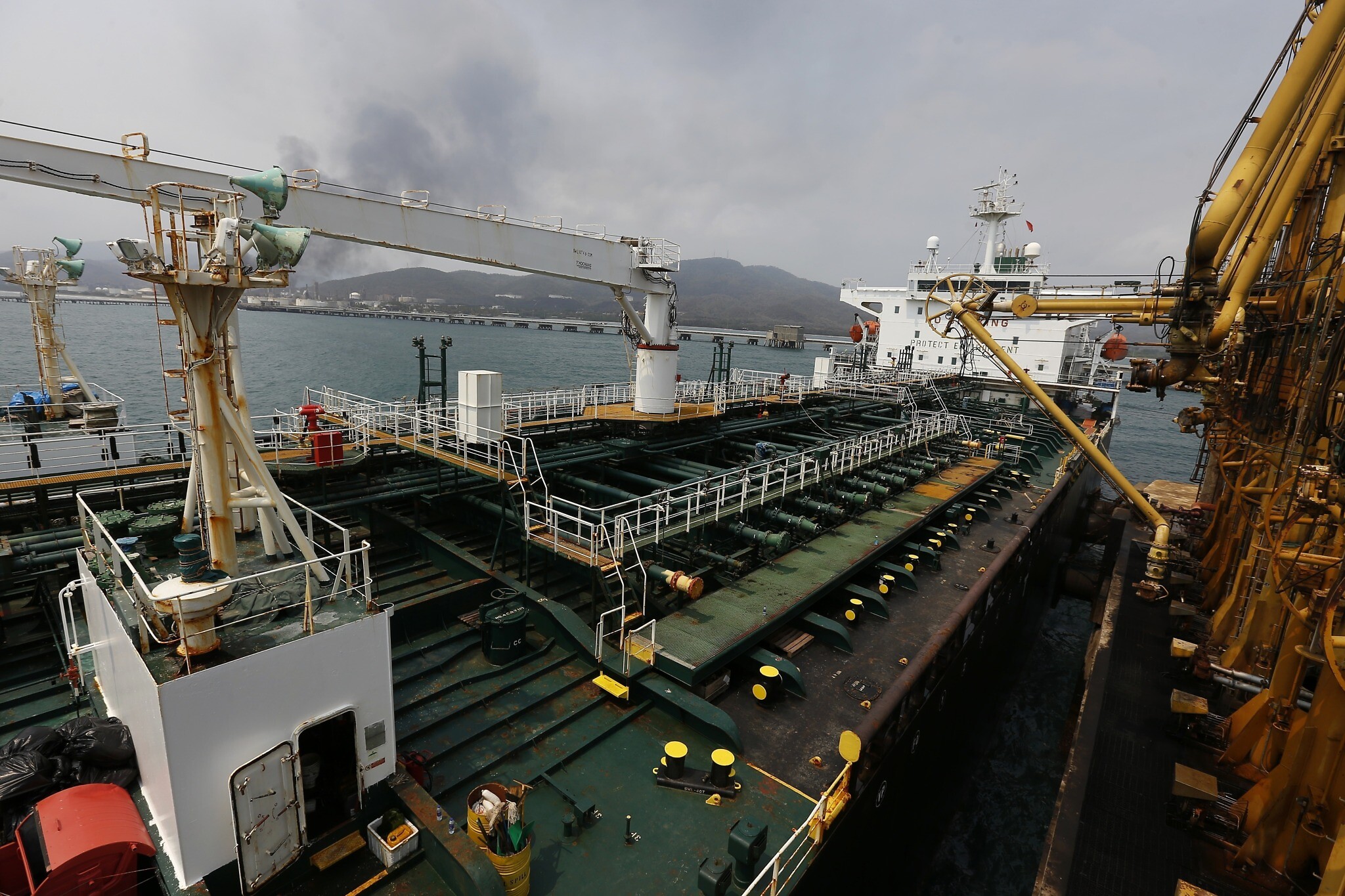
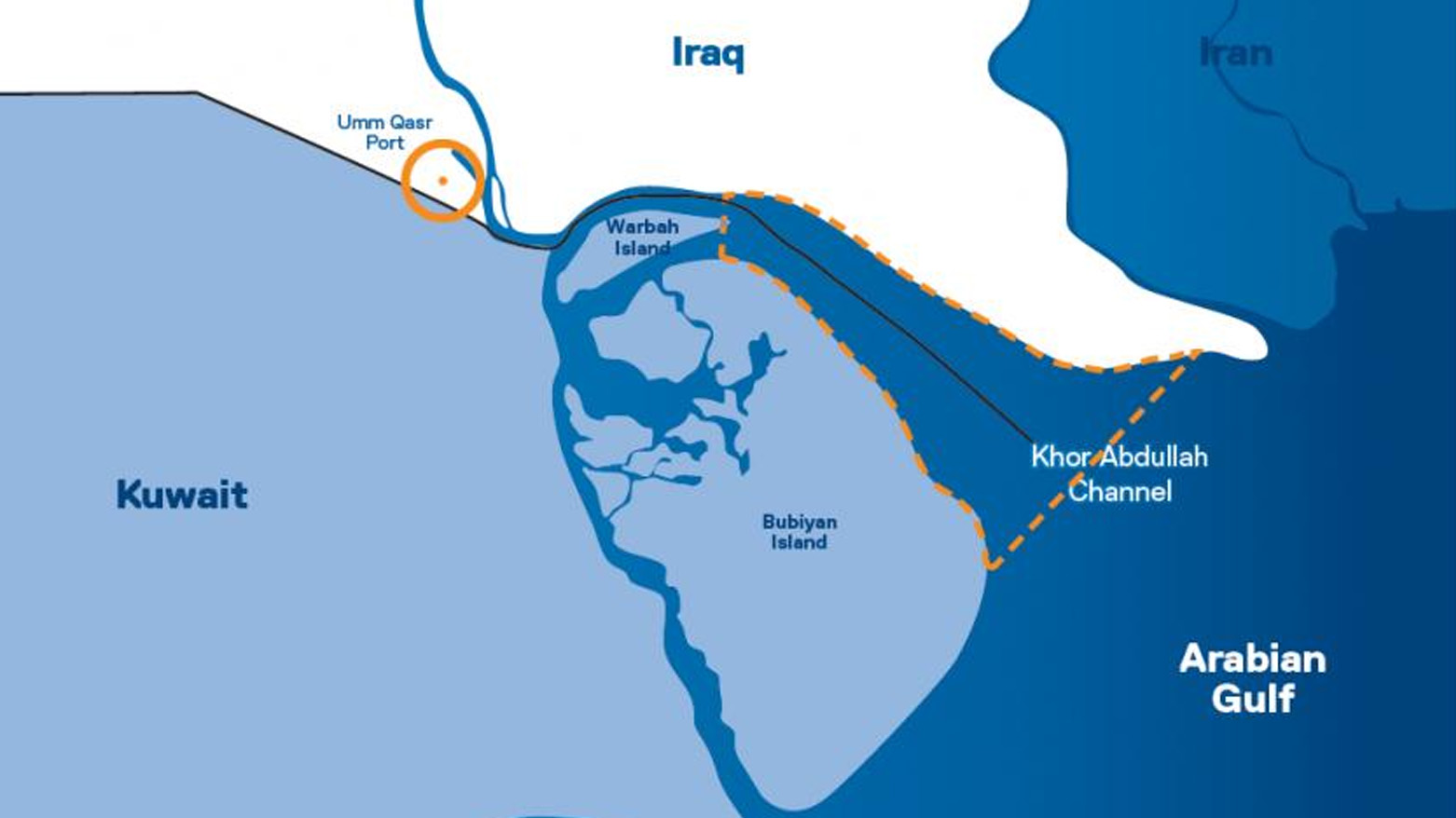
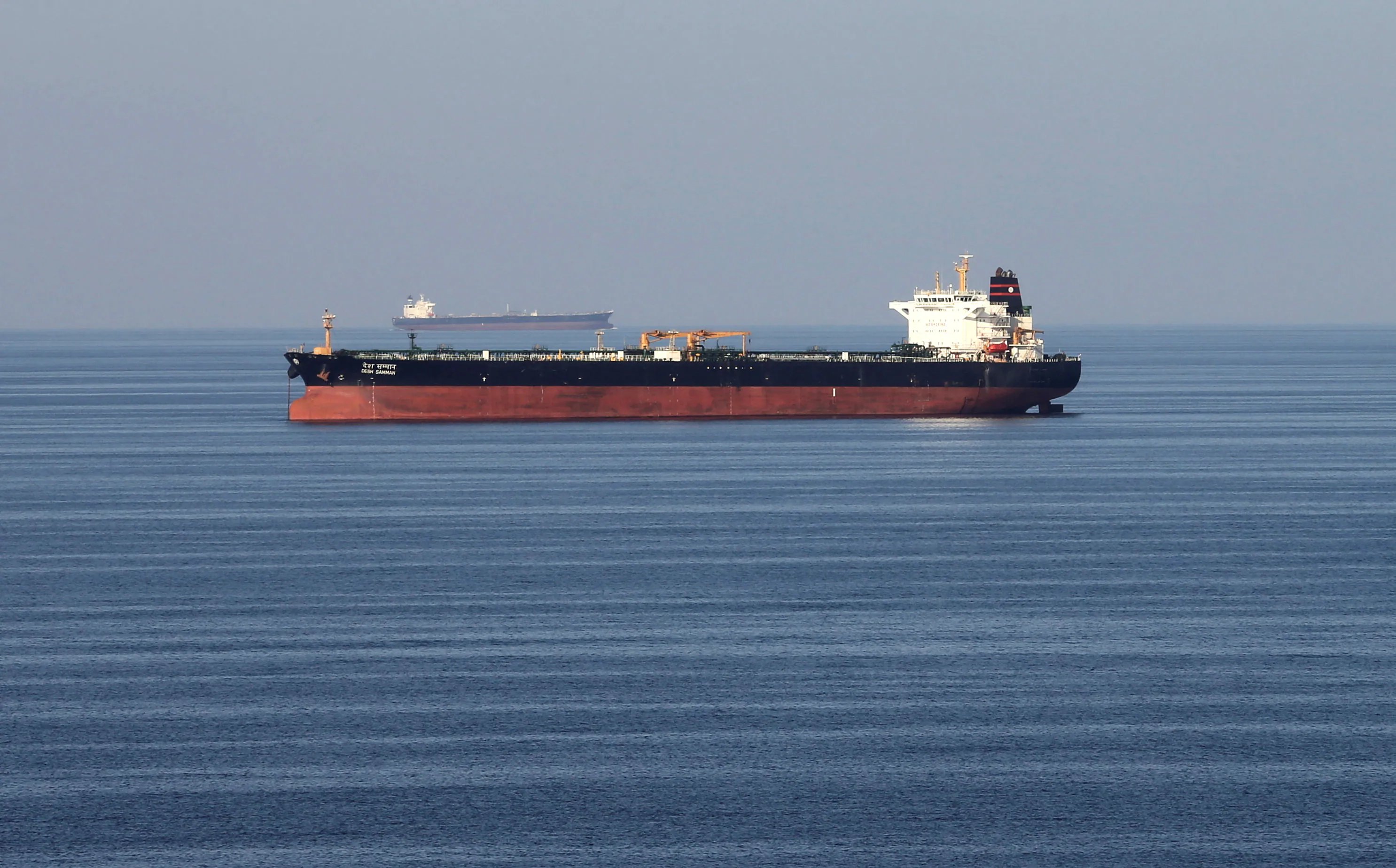
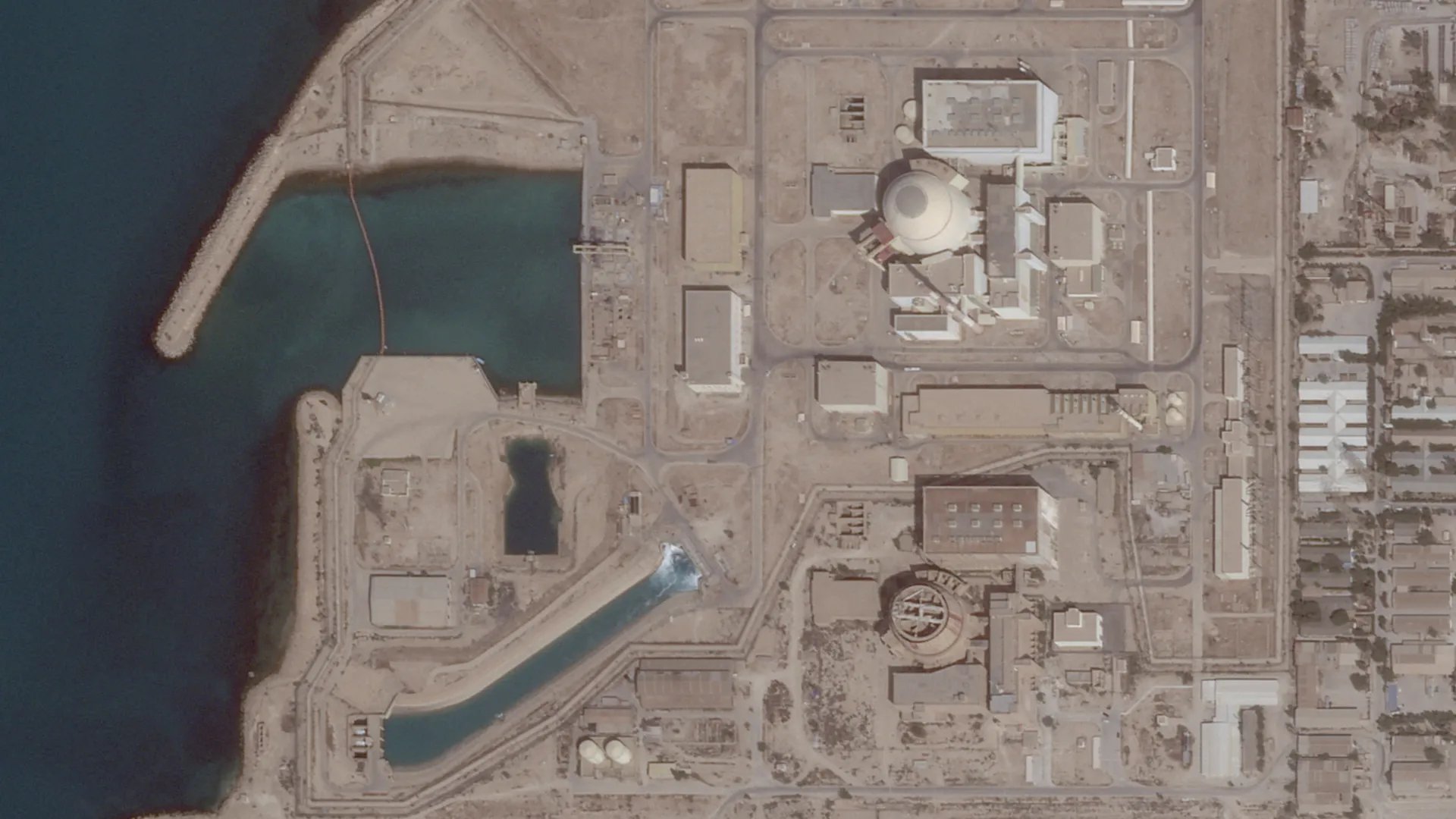
The potential peace proposal could also facilitate the reopening of critical oil routes that have been affected by the conflict. The Strait of Hormuz, a vital passage for oil transport, remains a point of focus, as any disruption can significantly impact global markets.
Political leaders have responded cautiously to the news. Some officials view the peace proposal as a positive step toward reducing hostilities, while others express skepticism about Iran's commitment to uphold any agreement. Senator Lisa Murkowski stated, "While this proposal is a hopeful sign, we must remain vigilant about Iran's actions and ensure that any agreement is enforced rigorously."
This drop in oil prices comes amid broader economic concerns, including inflation and supply chain disruptions. The potential for stabilized energy prices may help ease some inflationary pressures that consumers have faced in recent months. Economists are watching closely as the global economy navigates these challenges, with a focus on how energy prices will influence other sectors.
Market analysts remain divided on the long-term implications of the peace proposal. Some believe that if diplomatic relations improve, oil prices could stabilize further, while others caution that geopolitical risks in the region could quickly escalate again. As the situation develops, consumers and businesses alike will be closely monitoring energy prices, which play a crucial role in economic health.
The decline in oil prices due to the peace proposal presents a moment of potential relief for consumers, but the geopolitical landscape remains unpredictable. It underscores the intricate connections between global diplomacy and everyday economic realities.
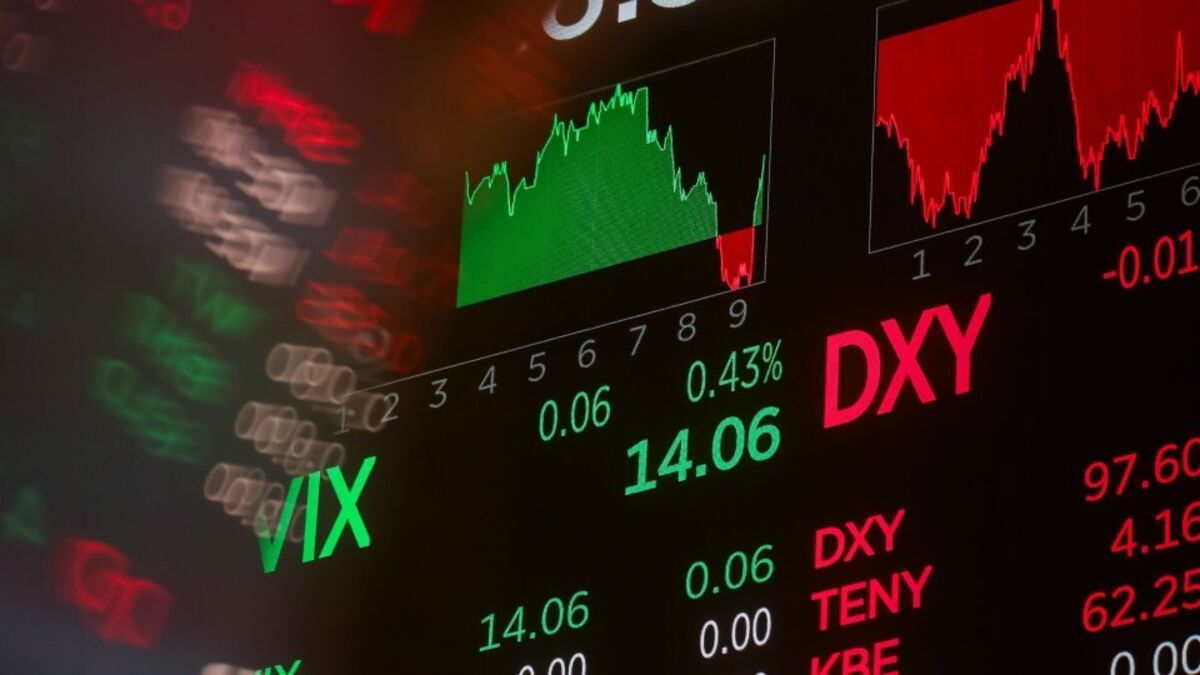
Oil prices fell sharply on April 6, 2026, after news emerged that the United States and Iran received a ceasefire proposal aimed at easing ongoing tensions. Brent crude oil dropped more than $2 a barrel, settling at $83.50, while West Texas Intermediate (WTI) futures also saw a decline, closing at $78.10. This significant drop reflects market optimism about potential stability in the region, which has long been a focal point of global oil supply concerns.
The decrease in oil prices is expected to have a direct impact on gasoline costs for consumers. Analysts predict that the easing of tensions could lead to lower fuel prices at the pump, providing relief to households grappling with rising energy expenses. The national average for gasoline has already shown signs of decline, with prices dipping to $3.30 per gallon in some areas following the announcement.
The potential ceasefire proposal could also facilitate the reopening of critical oil routes that have been affected by the conflict. Analysts note that if the situation continues to improve, it may allow for increased oil shipments from the region, thereby enhancing supply and further stabilizing prices. The Strait of Hormuz, a vital passage for oil transport, remains a point of focus, as any disruption can significantly impact global markets.
Political leaders have responded cautiously to the news. Some officials view the ceasefire proposal as a positive step toward reducing hostilities, while others express skepticism about Iran's commitment to uphold any agreement. Senator Lisa Murkowski stated, "While this proposal is a hopeful sign, we must remain vigilant about Iran's actions and ensure that any agreement is enforced rigorously."
This drop in oil prices comes amid broader economic concerns, including inflation and supply chain disruptions. The potential for stabilized energy prices may help ease some inflationary pressures that consumers have faced in recent months. Economists are watching closely as the global economy navigates these challenges, with a focus on how energy prices will influence other sectors.
Market analysts remain divided on the long-term implications of the ceasefire proposal. Some believe that if diplomatic relations improve, oil prices could stabilize further, while others caution that geopolitical risks in the region could quickly escalate again. As the situation develops, consumers and businesses alike will be closely monitoring energy prices, which play a crucial role in economic health.
The decline in oil prices due to the ceasefire proposal presents a moment of potential relief for consumers, but the geopolitical landscape remains unpredictable. It underscores the intricate connections between global diplomacy and everyday economic realities.
Highlighted text was flagged by the council. Tap to see feedback.