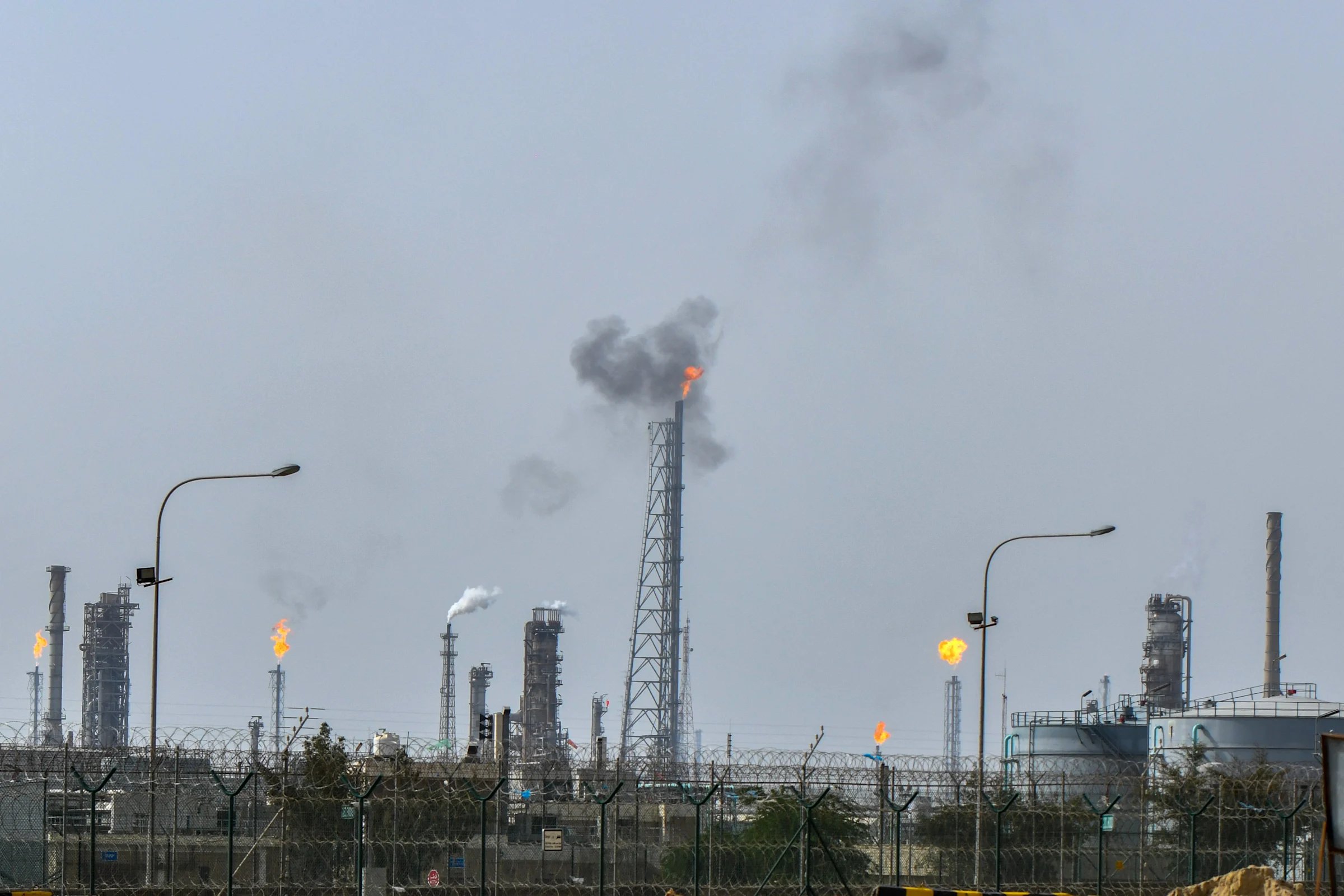
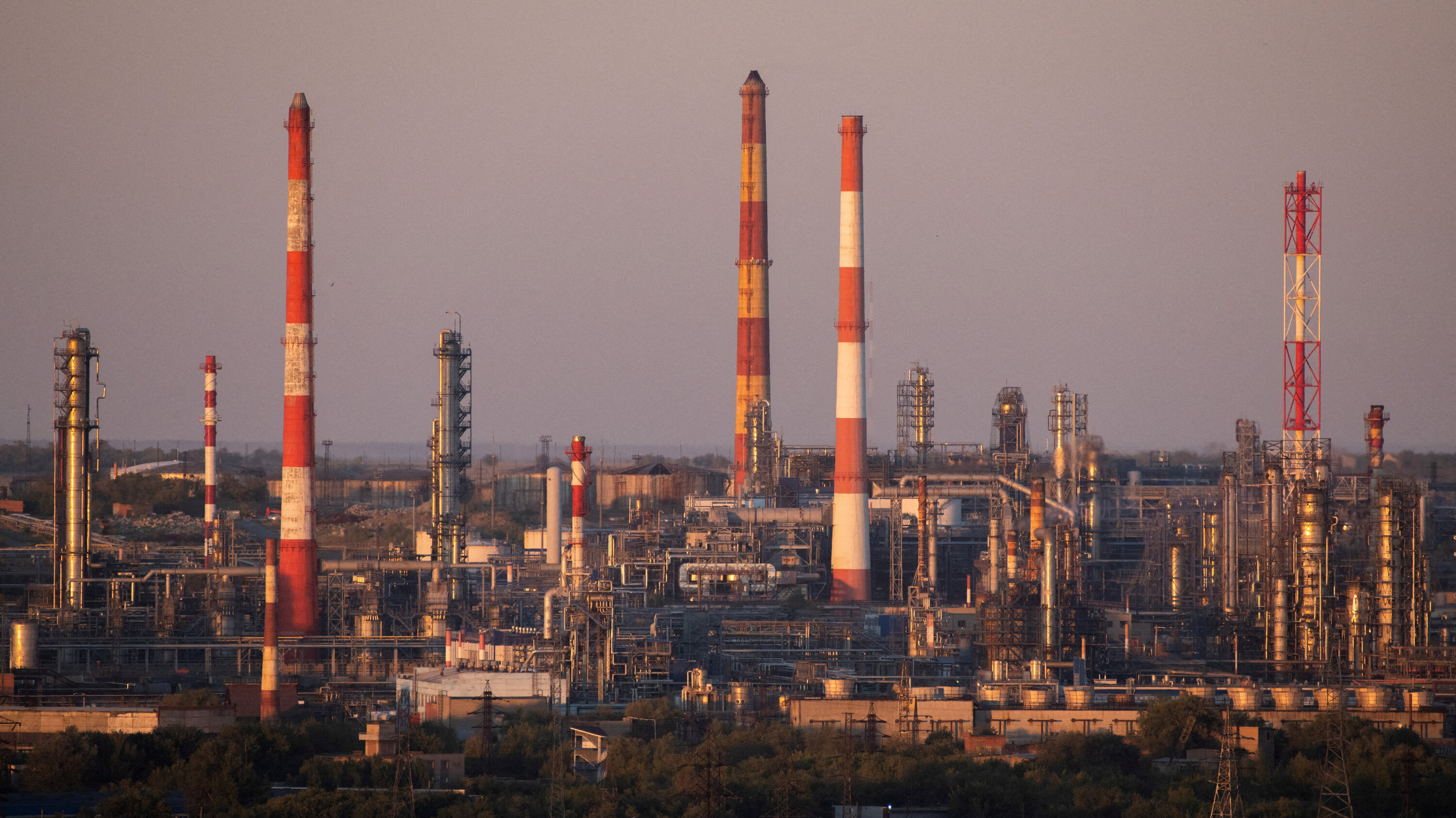
Kuwait Petroleum Corporation reported damage at its units following Iranian drone attacks. The Islamic Revolutionary Guard Corps claimed responsibility for attacking petrochemical plants in Kuwait, the United Arab Emirates, and Bahrain.
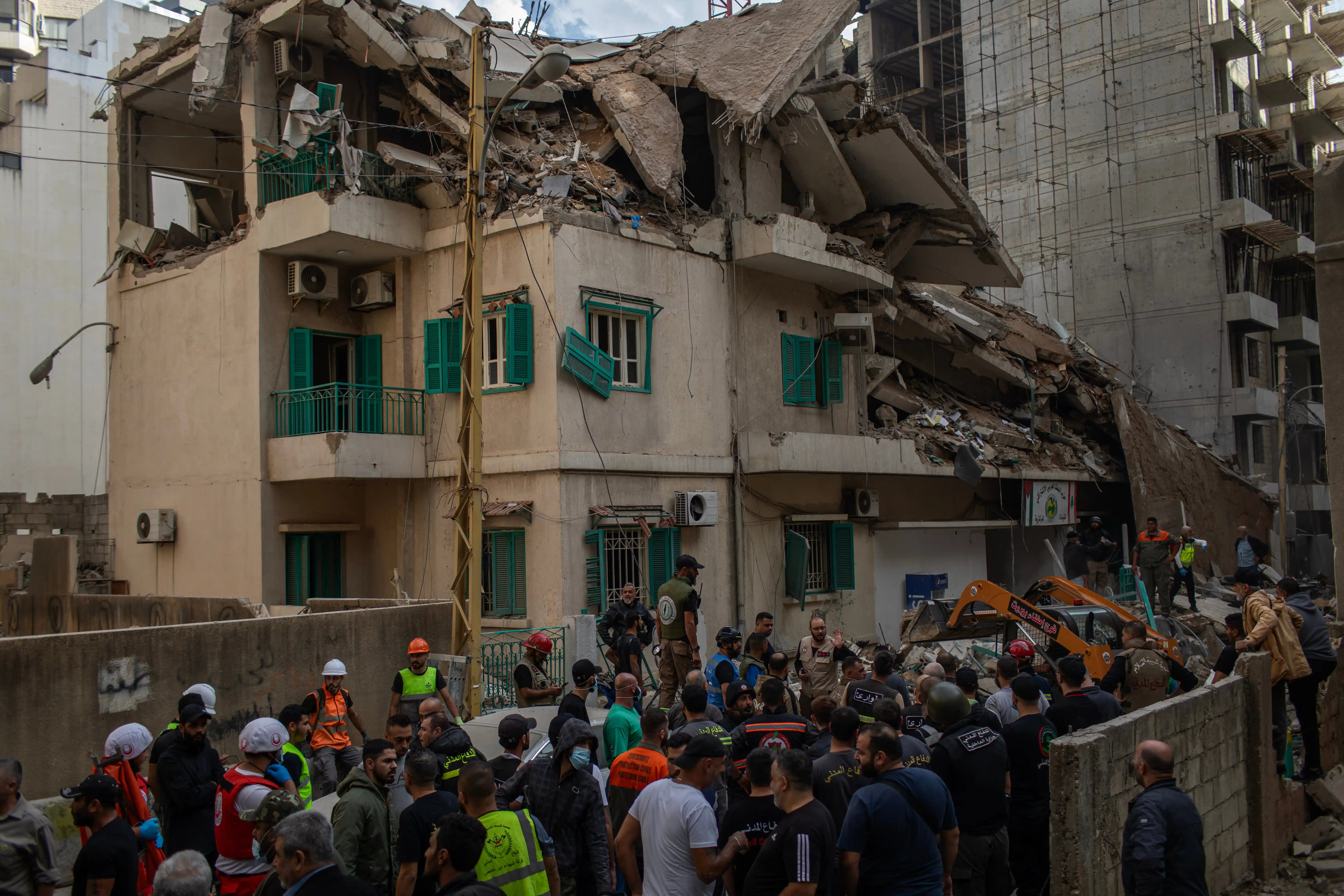
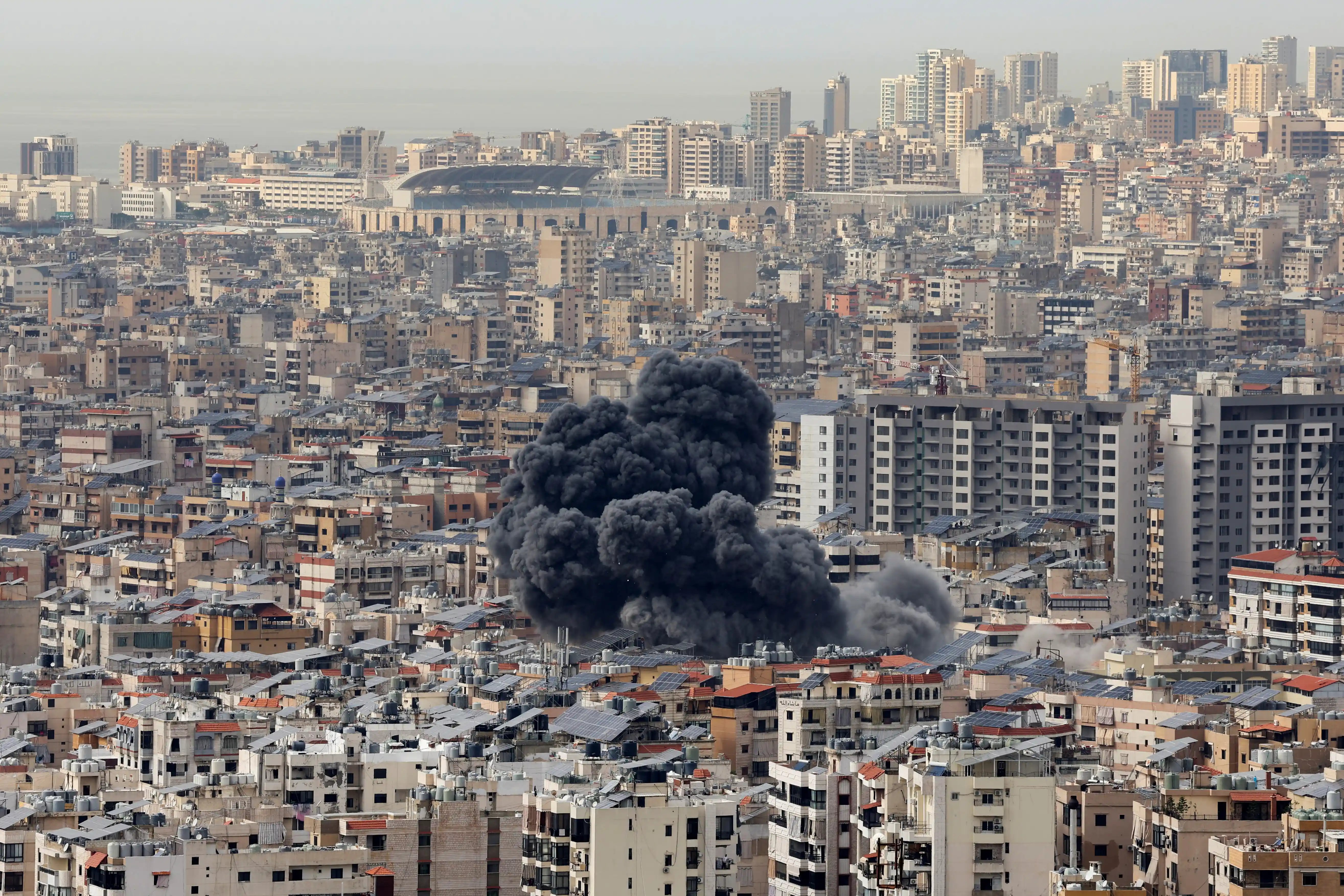
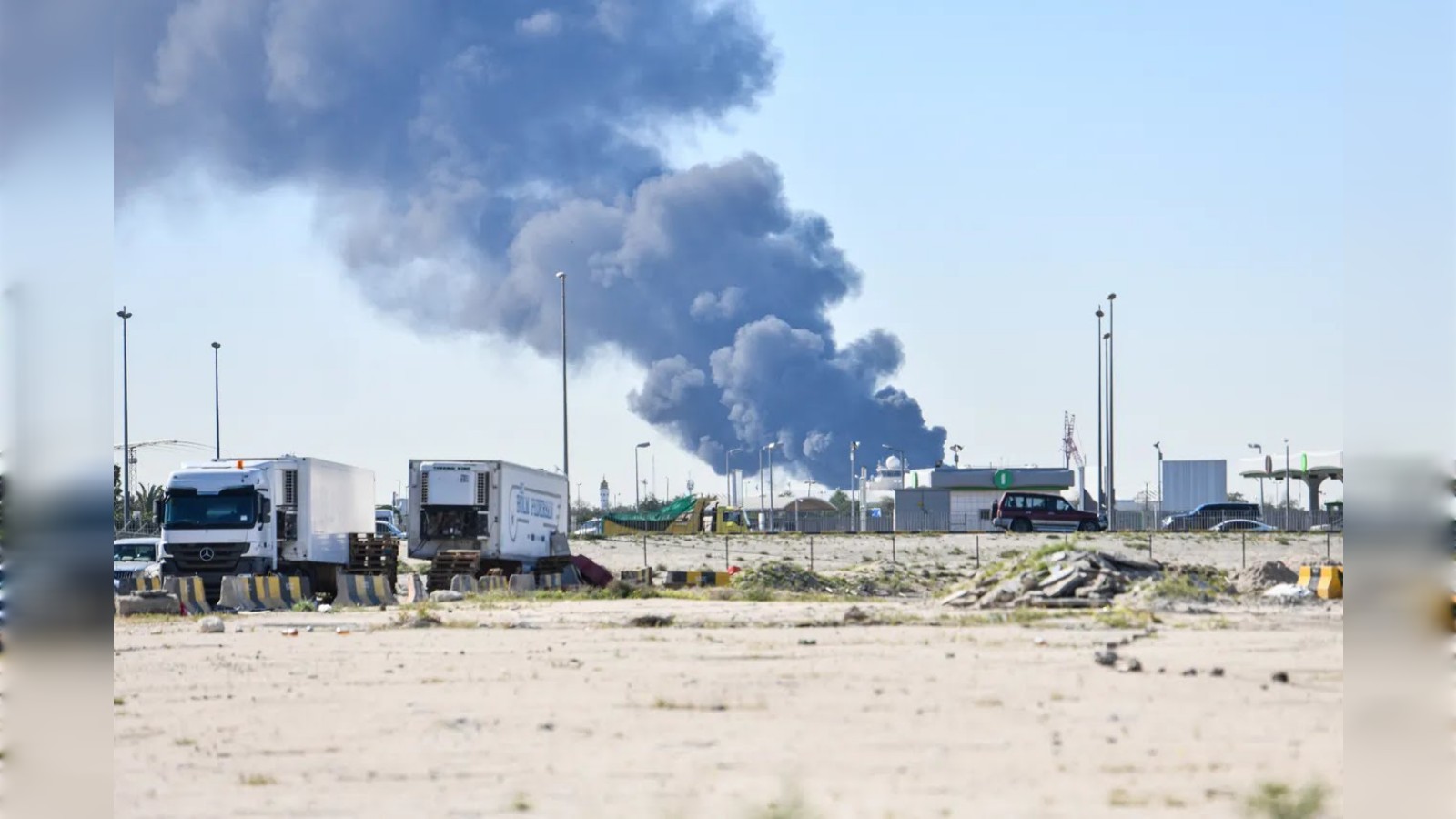
Iranian drones struck Kuwait's oil infrastructure, causing "severe material damage," according to reports. Fires broke out at the Shuwaikh oil sector complex, which houses the oil ministry and KPC headquarters, after a separate drone attack. An office complex for Kuwaiti government ministries also sustained significant damage, though there were no casualties. Two power and water desalination plants were reportedly attacked as well.
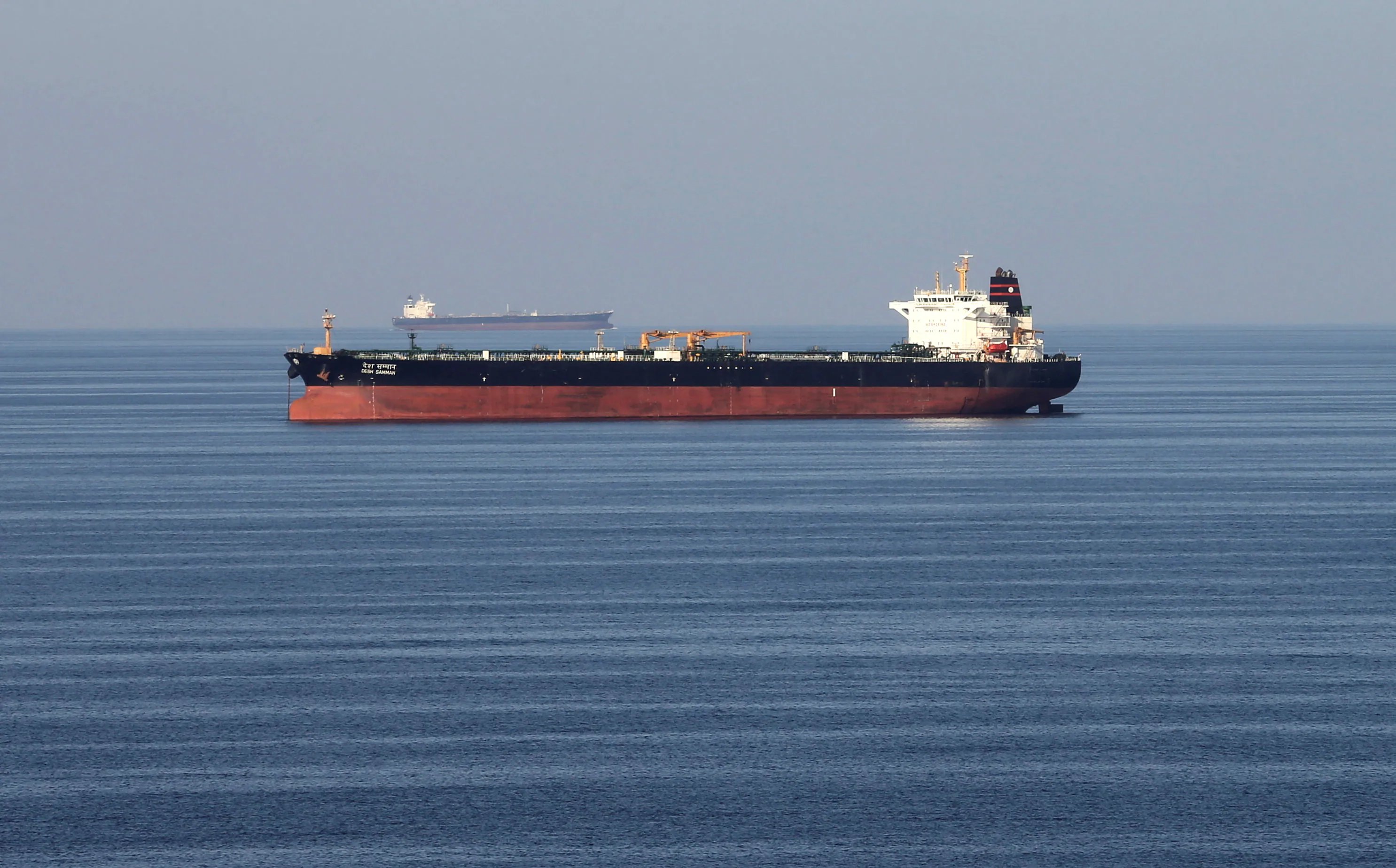
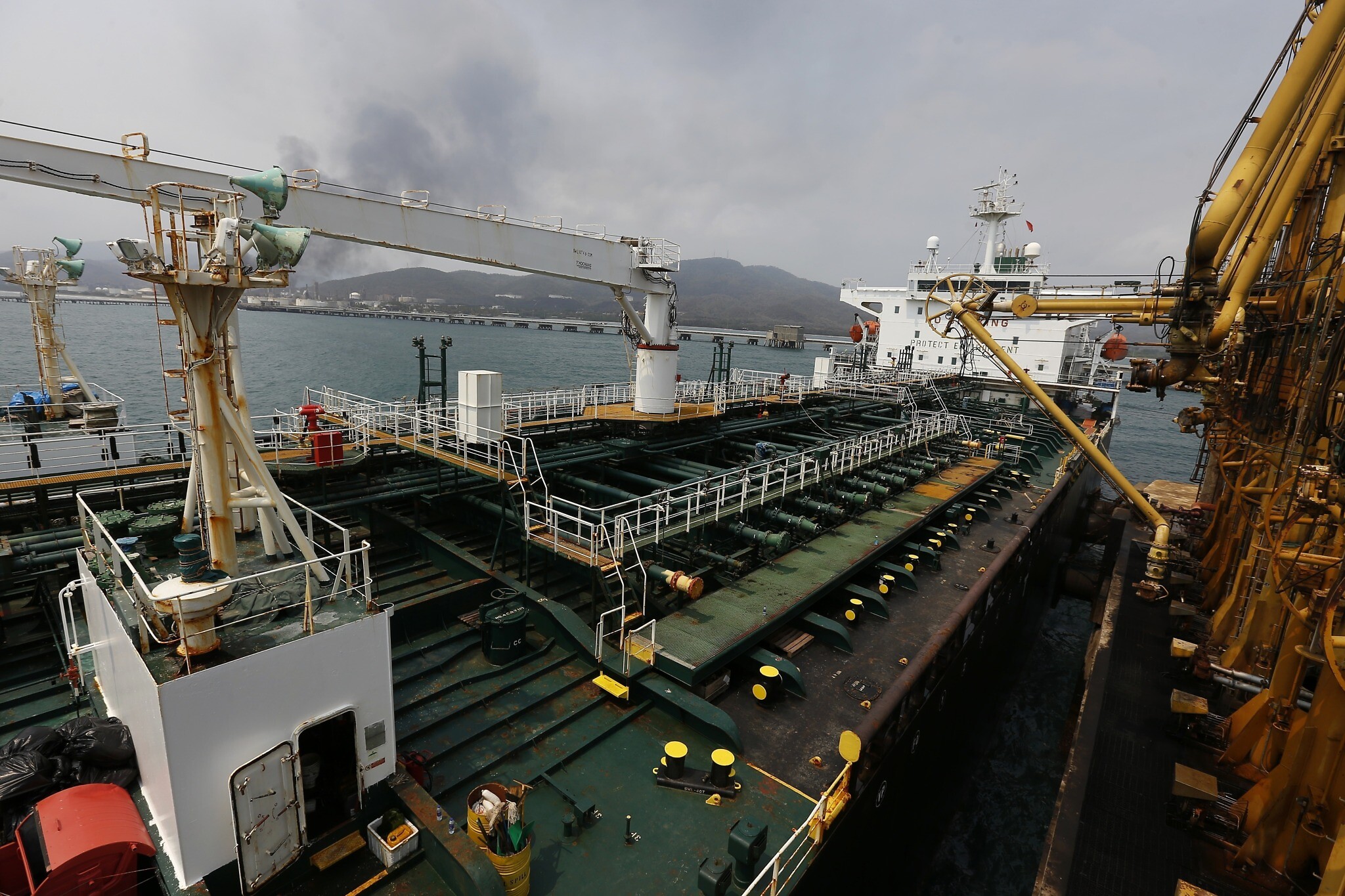
Members of Opec+ met to discuss how to bolster output despite Iran's effective closure of the Strait of Hormuz shipping route. The group reportedly agreed in principle to raising output by 206,000 barrels a day in May. Members of Opec+ said repairing energy facilities damaged in recent attacks would be costly and take a long time, potentially impacting global oil supplies into the future. They also stressed the "the critical importance of safeguarding international maritime routes to ensure the uninterrupted flow of energy".
The Guardian reports the conflict has resulted in the largest disruption to oil supplies in history. Brent crude has risen more than 50% since the start of the year, hitting a peak of $119.50 a barrel in March and now trading at about $109 a barrel. Average U.S. fuel prices passed $4 a gallon for the first time in four years during the week of March 31, reaching a national average of $4.110 on Sunday, April 5.
On Saturday, an Israeli attack on Iran's petrochemical plants killed at least five people, according to Iranian media reports. Israel's attack on a production facility in Iran's largest gasfield at South Pars in mid-March triggered retaliation by Tehran, which subsequently struck Qatar's Ras Laffan industrial complex. Days prior, drones struck oil storage facilities at the port of Salalah in Oman.
With approximately 20% of the world's total crude oil passing through the Strait of Hormuz, the conflict's impact on global energy supplies could continue to drive up prices for consumers worldwide.
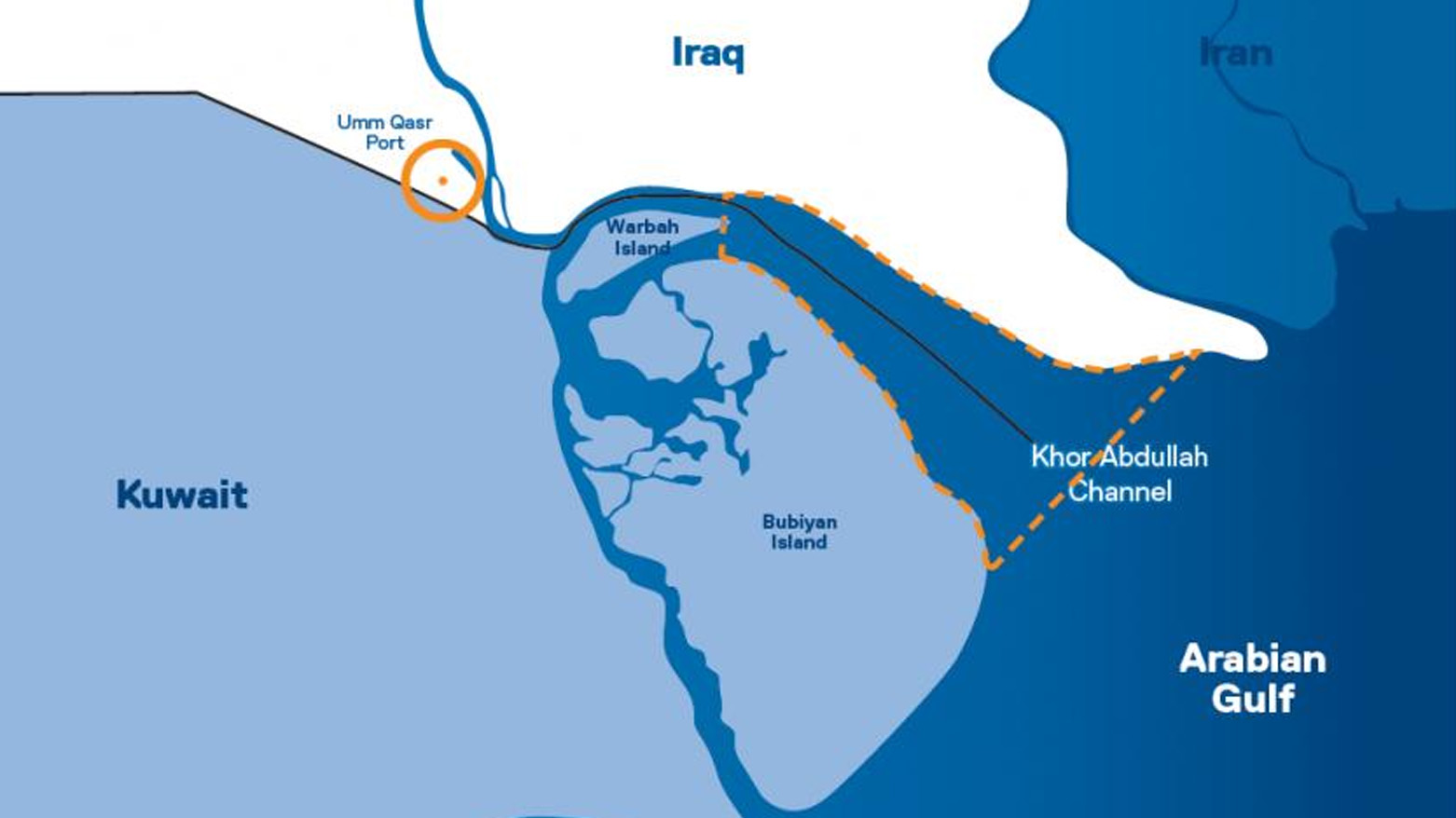
Iran struck U.S. forces relocated on Kuwait's Bubiyan Island, according to an Iranian military spokesperson. Kuwait Petroleum Corporation also reported damage at its units following Iranian drone attacks. The Islamic Revolutionary Guard Corps claimed responsibility for attacking petrochemical plants in Kuwait, the United Arab Emirates, and Bahrain.
Iranian drones struck Kuwait’s oil infrastructure, causing “severe material damage," according to reports. Fires broke out at the Shuwaikh oil sector complex, which houses the oil ministry and KPC headquarters, after a separate drone attack. An office complex for Kuwaiti government ministries also sustained significant damage, though there were no casualties. Two power and water desalination plants were reportedly attacked as well.
Members of Opec+ met to discuss how to bolster output despite Iran’s effective closure of the Strait of Hormuz shipping route. The group reportedly agreed in principle to raising output by 206,000 barrels a day in May. Members of Opec+ said repairing energy facilities damaged in recent attacks would be costly and take a long time, potentially impacting global oil supplies into the future. They also stressed the “the critical importance of safeguarding international maritime routes to ensure the uninterrupted flow of energy”.
The conflict has resulted in the largest disruption to oil supplies in history. Brent crude has risen more than 50% since the start of the year, hitting a peak of $119.50 a barrel in March and now trading at about $109 a barrel. Average U.S. fuel prices passed $4 a gallon last week for the first time in four years, reaching a national average of $4.110 on Sunday.
Donald Trump gave Iran until Tuesday night to open the Strait of Hormuz, according to reports. Trump also threatened to destroy Iranian infrastructure if Tehran did not accept a peace deal within 48 hours. Trump said a deal with Iran is possible by Monday.
On Saturday, an Israeli attack on Iran’s petrochemical plants killed at least five people, according to Iranian media reports. Israel’s attack on a production facility in Iran’s largest gasfield at South Pars in mid-March triggered retaliation by Tehran, which subsequently struck Qatar’s Ras Laffan industrial complex. Days prior, drones struck oil storage facilities at the port of Salalah in Oman.
The U.S., Iran, and mediators are pushing for a 45-day ceasefire.
With approximately 20% of the world’s total crude oil passing through the Strait of Hormuz, the conflict's impact on global energy supplies could continue to drive up prices for consumers worldwide.
Highlighted text was flagged by the council. Tap to see feedback.