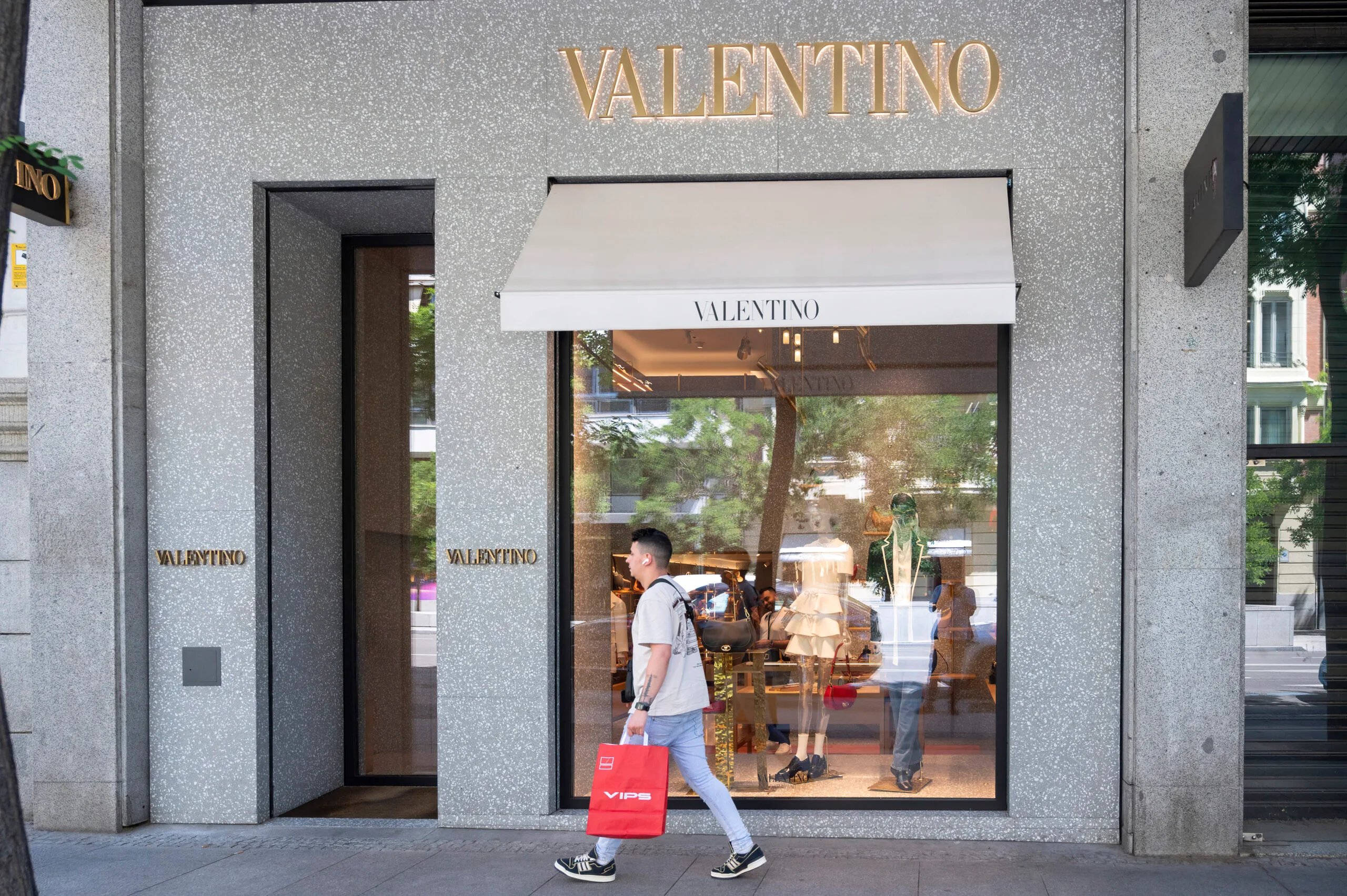
A Milan court terminated oversight measures imposed on Valentino's Italian manufacturing subsidiary following an investigation into labor practices that began 18 months ago. The court found the company had addressed the issues that triggered the monitoring, allowing Valentino Manufacturing S.r.l. to resume normal operations without judicial supervision. The ruling lifts restrictions that required court-appointed administrators to oversee the company's labor compliance.
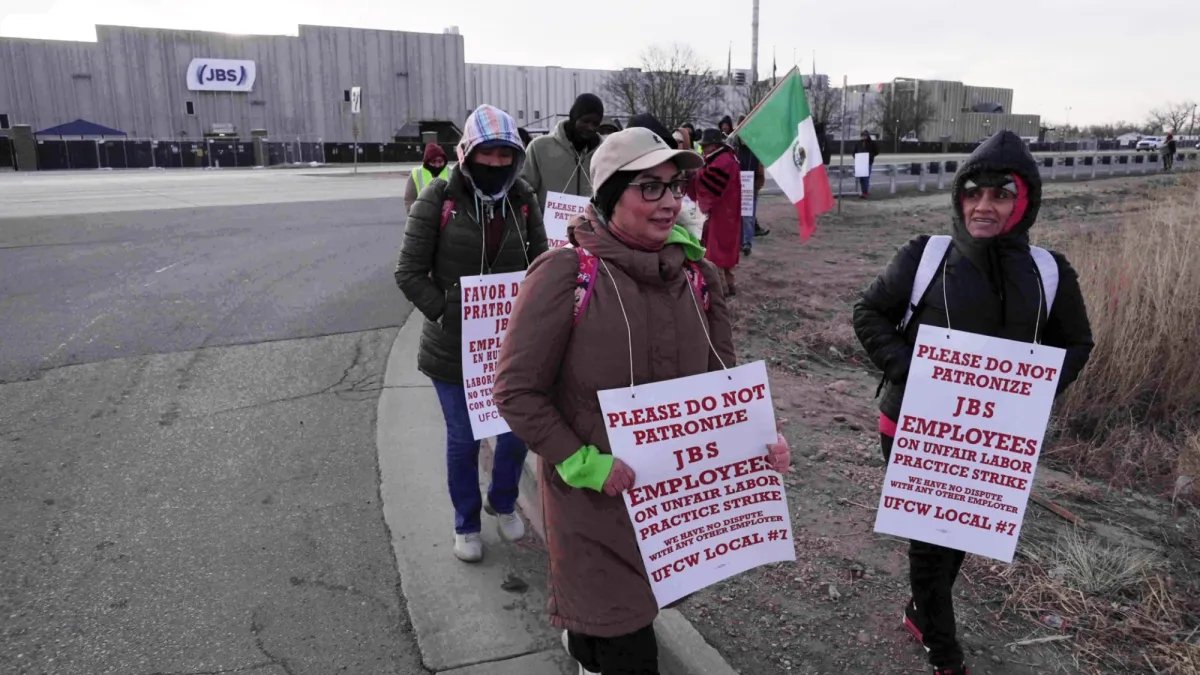
The oversight began after workers filed complaints alleging violations of Italian labor law at the luxury fashion house's production facilities. Court documents showed investigators found evidence of irregular employment contracts and working conditions that violated national labor standards. The court imposed the monitoring requirement as a protective measure while authorities examined the extent of the violations across Valentino's Italian operations.
Valentino Manufacturing hired compliance consultants and restructured its human resources department during the oversight period. The company signed new agreements with labor unions representing production workers and established regular reporting mechanisms to demonstrate adherence to employment laws.
The case reflects heightened attention to labor practices among high-end fashion brands operating in Italy. Labor inspectors found that subcontracting arrangements common in luxury goods production can obscure employment violations.
With court oversight lifted, Valentino Manufacturing can now expand production capacity and hire additional workers without court approval. Manufacturing executives had delayed expansion plans while operating under court supervision.
Labor representatives who initially filed complaints emphasized that continued vigilance remains necessary despite the court's decision. The unions maintain that luxury fashion houses often rely on temporary workers and subcontractors to avoid providing full employment benefits. They pledged to monitor Valentino's practices and report any renewed violations to authorities.
Other luxury brands have invested in compliance systems to avoid similar regulatory scrutiny.
A Milan court terminated oversight measures imposed on Valentino's Italian manufacturing subsidiary following an investigation into labor practices that began 18 months ago. The court found the company had addressed the issues that triggered the monitoring, allowing Valentino Manufacturing S.r.l. to resume normal operations without judicial supervision. The ruling lifts restrictions that required court-appointed administrators to oversee the company's labor compliance.
The oversight began after workers filed complaints alleging violations of Italian labor law at the luxury fashion house's production facilities. Court documents showed investigators found evidence of irregular employment contracts and working conditions that violated national labor standards. The court imposed the monitoring requirement as a protective measure while authorities examined the extent of the violations across Valentino's Italian operations.
Valentino Manufacturing hired compliance consultants and restructured its human resources department during the oversight period. The company signed new agreements with labor unions representing production workers and established regular reporting mechanisms to demonstrate adherence to employment laws. Court records indicate the company paid €2.3 million in back wages to workers who had been under-compensated.
The case reflects heightened attention to labor practices among high-end fashion brands operating in Italy. Investigators have opened similar inquiries into several other luxury manufacturers in the Milan area over the past two years. Labor inspectors found that subcontracting arrangements common in luxury goods production can obscure employment violations.
With court oversight lifted, Valentino Manufacturing can now expand production capacity and hire additional workers without court approval. The company employs 450 workers at its Italian facilities, producing handbags, shoes, and small leather goods for Valentino's global retail network. Manufacturing executives had delayed expansion plans while operating under court supervision.
Labor representatives who initially filed complaints emphasized that continued vigilance remains necessary despite the court's decision. The unions maintain that luxury fashion houses often rely on temporary workers and subcontractors to avoid providing full employment benefits. They pledged to monitor Valentino's practices and report any renewed violations to authorities.
Fashion industry analysts noted that the case had minimal impact on Valentino's retail operations or brand image during the oversight period. The company's parent group, Mayhoola for Investments, continued reporting strong sales growth throughout the investigation. Other luxury brands have invested in compliance systems to avoid similar regulatory scrutiny.
Highlighted text was flagged by the council. Tap to see feedback.