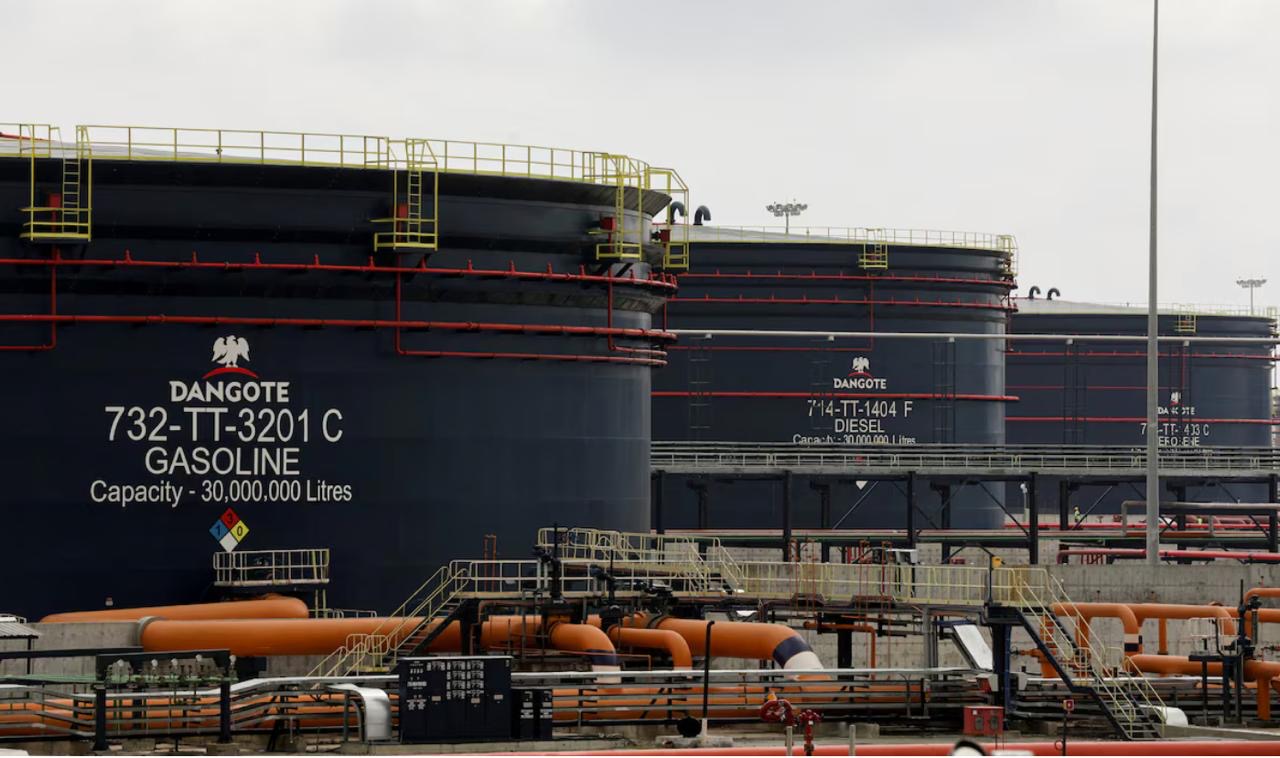
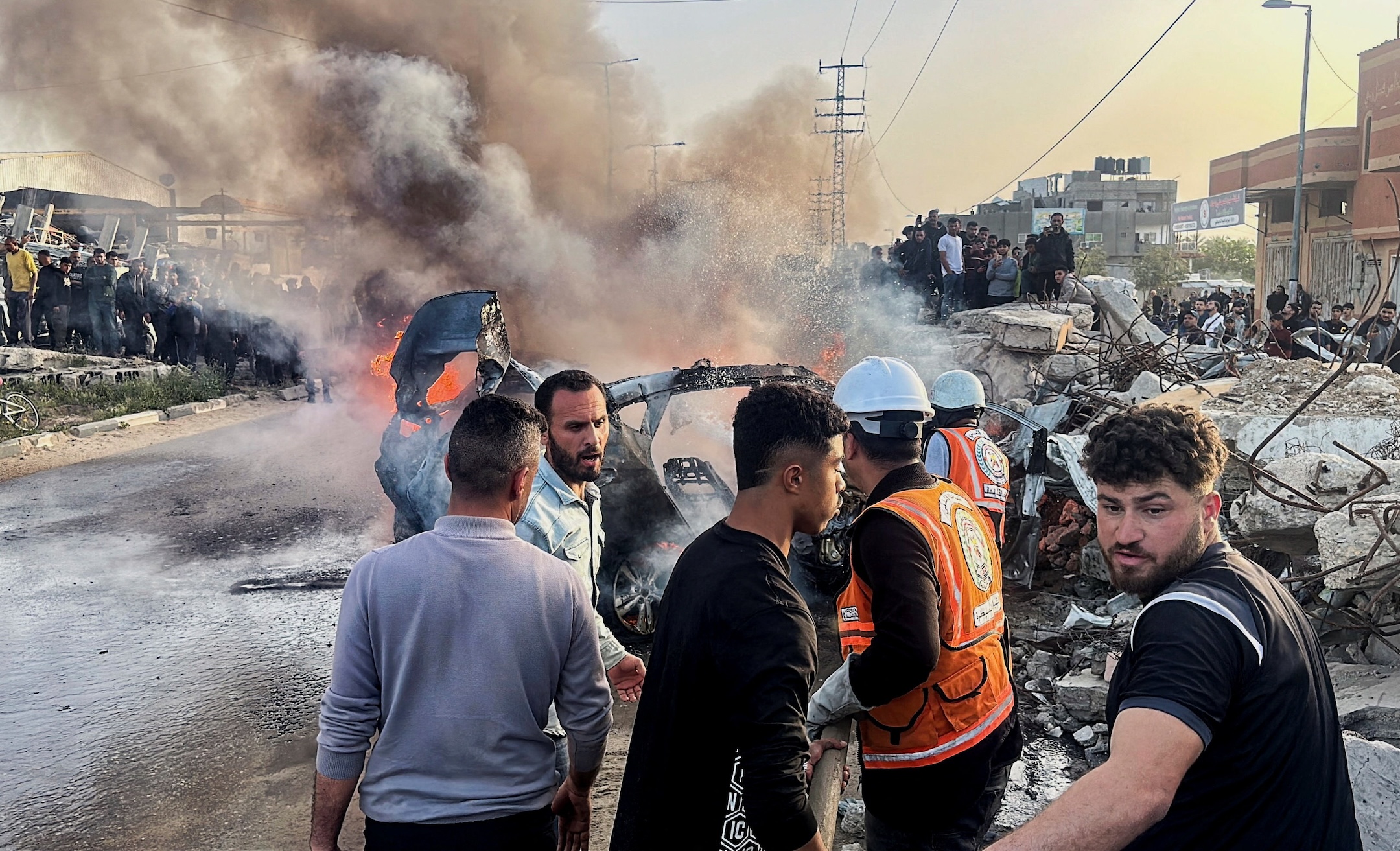
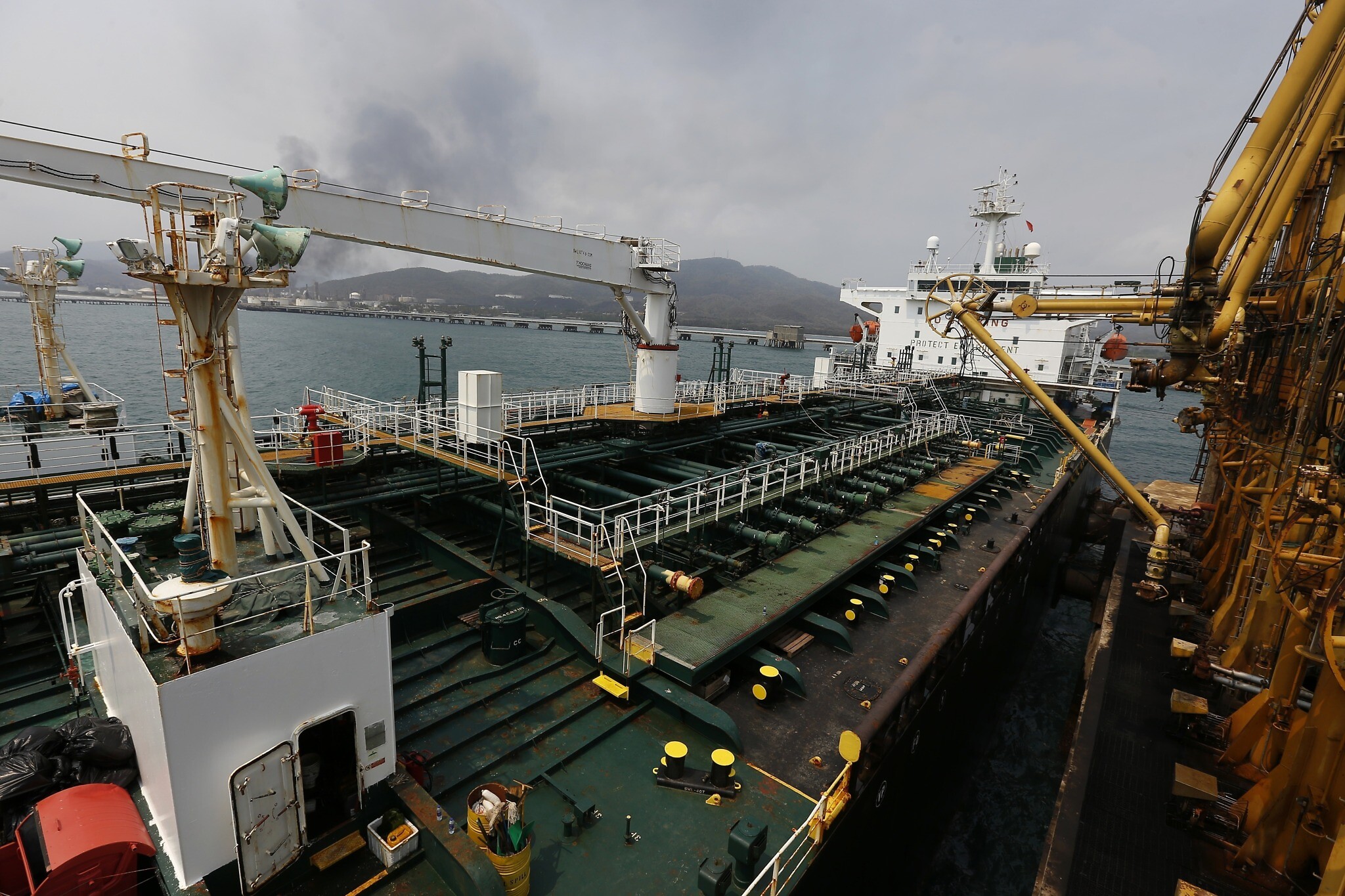
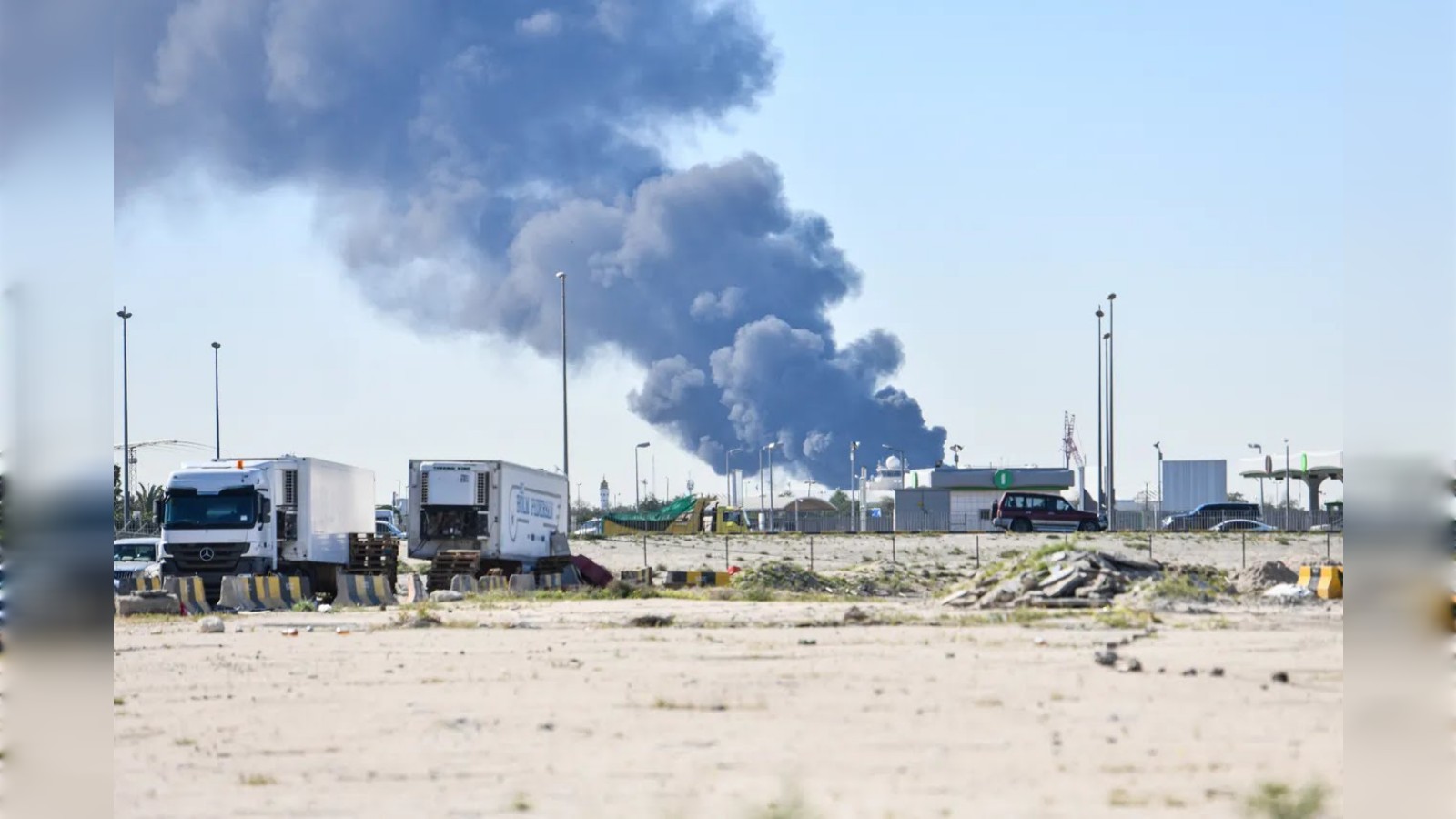
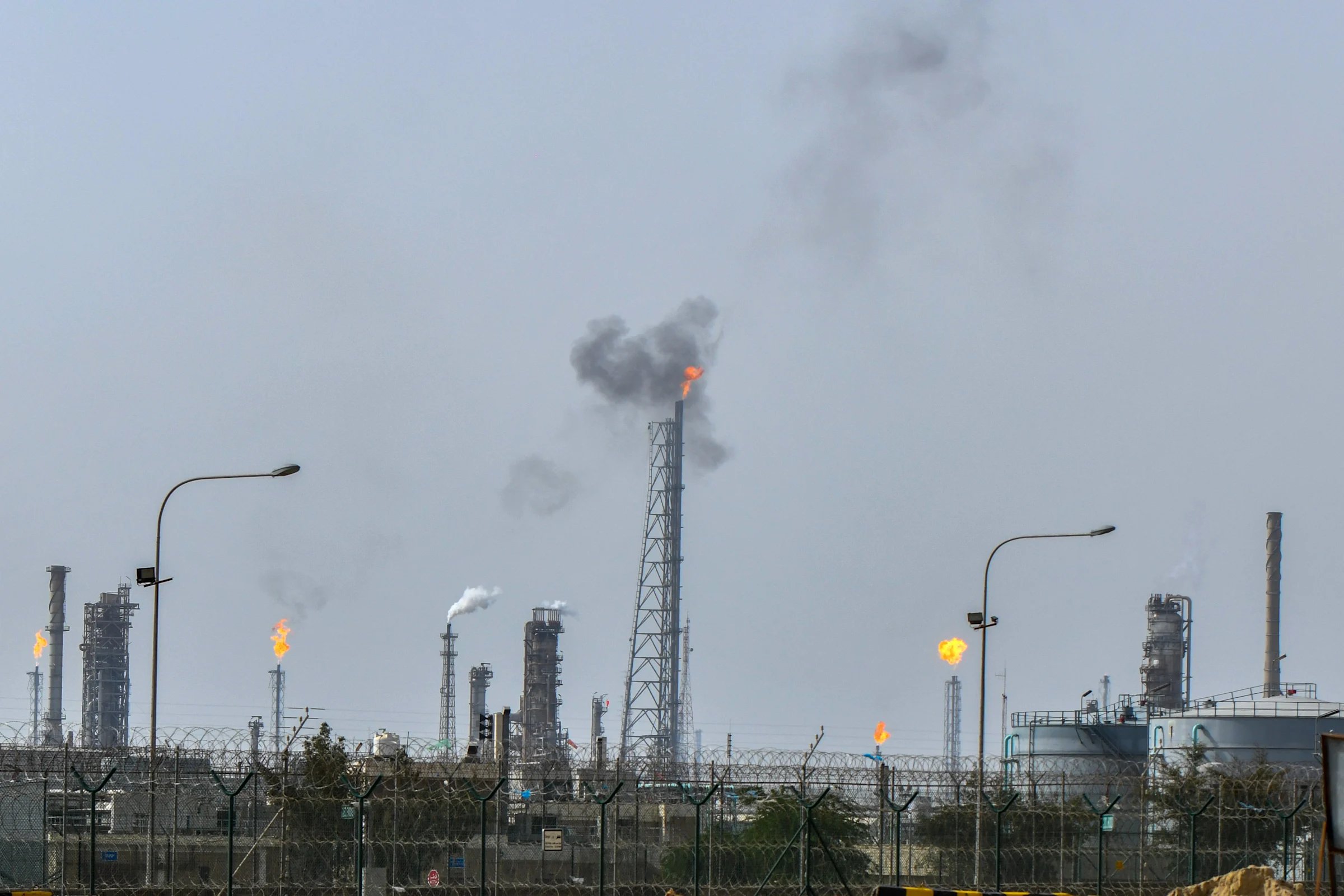
The United States military launched airstrikes on Iran's Kharg Island, a critical hub for Iran's oil exports, in a significant escalation of hostilities. A U.S. official confirmed that the strikes targeted military installations on the northern side of the island, which is vital as it handles approximately 90% of Iran's crude oil exports. This military action comes just hours before President Donald Trump's ultimatum for Iran to reopen the Strait of Hormuz and negotiate a deal.
This statement underscores the high stakes involved, as the President's deadline looms, prompting fears of further military escalation in the region. Trump's comments reflect the administration's strategy to exert maximum pressure on Tehran.
The military action has already impacted global oil prices, with U.S. benchmark West Texas Intermediate rising over 3% to about $116 per barrel. The conflict's implications stretch beyond the region, potentially affecting global economic stability.
In response to the airstrikes, Iranian officials condemned the attacks as acts of aggression. They have characterized the U.S. strikes as violations of international law, particularly given the targeting of infrastructure that supports the civilian economy.
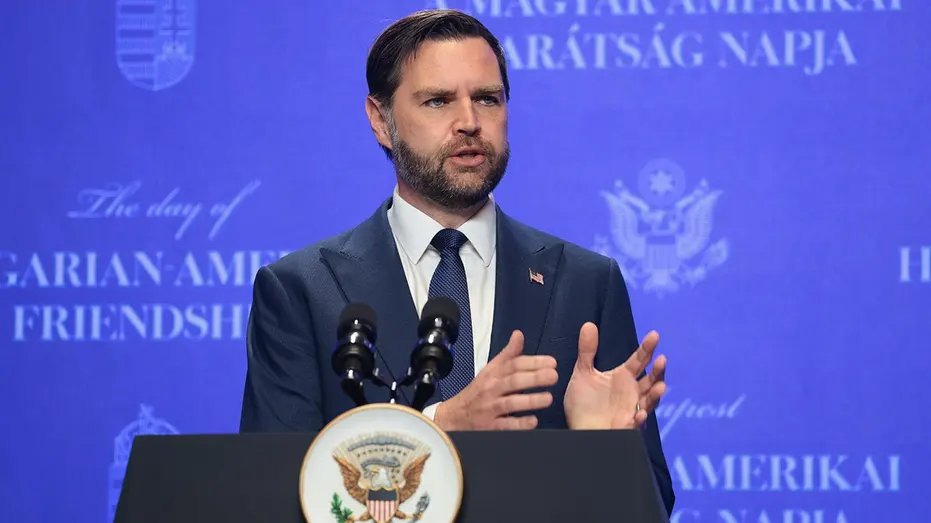
Vice President JD Vance, while visiting Hungary, expressed optimism that Iran might respond to U.S. demands before the deadline. His remarks suggest a firm U.S. stance on Iran's nuclear ambitions and regional influence.
Canadian officials have called for restraint, emphasizing the need to protect non-military sites amid escalating tensions. This sentiment reflects widespread concern over the humanitarian impact of the conflict, especially if civilian areas are drawn into the fighting.
The airstrikes on Kharg Island mark a pivotal moment in U.S.-Iran relations, with the potential to reshape the geopolitical landscape in the Middle East. As diplomatic efforts falter, the risk of a prolonged conflict increases, prompting questions about the long-term implications for regional stability and U.S. foreign policy. Both sides remain entrenched in their positions, complicating the prospect for negotiations.
Investors are bracing for the potential fallout from the conflict, with analysts warning that ongoing hostilities could lead to more volatility in global markets. UBS has lowered its 2026 S&P 500 target, citing increased risks associated with the Middle East conflict. Market participants are closely watching developments, as the outcome could significantly impact economic forecasts and investment strategies.
The U.S. airstrikes on Kharg Island signify a major escalation in the ongoing conflict with Iran, raising the stakes for both nations and the international community. As the situation evolves, the potential for further military action looms large, with significant implications for global stability and economic conditions. The coming hours may prove critical in determining the trajectory of U.S.-Iran relations and the broader geopolitical landscape.
The United States military launched airstrikes on Iran's Kharg Island, a critical hub for Iran’s oil exports, in a significant escalation of hostilities. A U.S. official confirmed that the strikes targeted military installations on the northern side of the island, which is vital as it handles approximately 90% of Iran's crude oil exports. This military action comes just hours before President Donald Trump's ultimatum for Iran to reopen the Strait of Hormuz and negotiate a deal.
President Trump intensified his rhetoric, warning on social media that “a whole civilization will die tonight” if Iran fails to comply with U.S. demands. This statement underscores the high stakes involved, as the President's deadline looms, prompting fears of further military escalation in the region. Trump's comments reflect the administration's strategy to exert maximum pressure on Tehran.
The military action has already impacted global oil prices, with U.S. benchmark West Texas Intermediate rising over 3% to about $116 per barrel. Market analysts note that these developments have contributed to a surge in oil prices, which are now near record highs, exacerbating inflationary pressures worldwide. The conflict's implications stretch beyond the region, potentially affecting global economic stability.
In response to the airstrikes, Iranian officials condemned the attacks as acts of aggression. They have characterized the U.S. strikes as violations of international law, particularly given the targeting of infrastructure that supports the civilian economy. Iranian military leaders warned that they would respond decisively to any further attacks, heightening the risk of a broader military confrontation.
Vice President JD Vance, while visiting Hungary, expressed optimism that Iran might respond to U.S. demands before the deadline. Vance characterized Iran's actions as “economic terrorism” and outlined two potential pathways for the regime: either capitulate to U.S. demands or face severe military repercussions. His remarks suggest a firm U.S. stance on Iran's nuclear ambitions and regional influence.
Global leaders are closely monitoring the situation, with countries like Canada urging all parties to avoid targeting civilian infrastructure. Canadian officials have called for restraint, emphasizing the need to protect non-military sites amid escalating tensions. This sentiment reflects widespread concern over the humanitarian impact of the conflict, especially if civilian areas are drawn into the fighting.
The airstrikes on Kharg Island mark a pivotal moment in U.S.-Iran relations, with the potential to reshape the geopolitical landscape in the Middle East. As diplomatic efforts falter, the risk of a prolonged conflict increases, prompting questions about the long-term implications for regional stability and U.S. foreign policy. Both sides remain entrenched in their positions, complicating the prospect for negotiations.
Investors are bracing for the potential fallout from the conflict, with analysts warning that ongoing hostilities could lead to more volatility in global markets. UBS has lowered its 2026 S&P 500 target, citing increased risks associated with the Middle East conflict. Market participants are closely watching developments, as the outcome could significantly impact economic forecasts and investment strategies.
The U.S. airstrikes on Kharg Island signify a major escalation in the ongoing conflict with Iran, raising the stakes for both nations and the international community. As the situation evolves, the potential for further military action looms large, with significant implications for global stability and economic conditions. The coming hours may prove critical in determining the trajectory of U.S.-Iran relations and the broader geopolitical landscape.
Highlighted text was flagged by the council. Tap to see feedback.