



Discovery Details
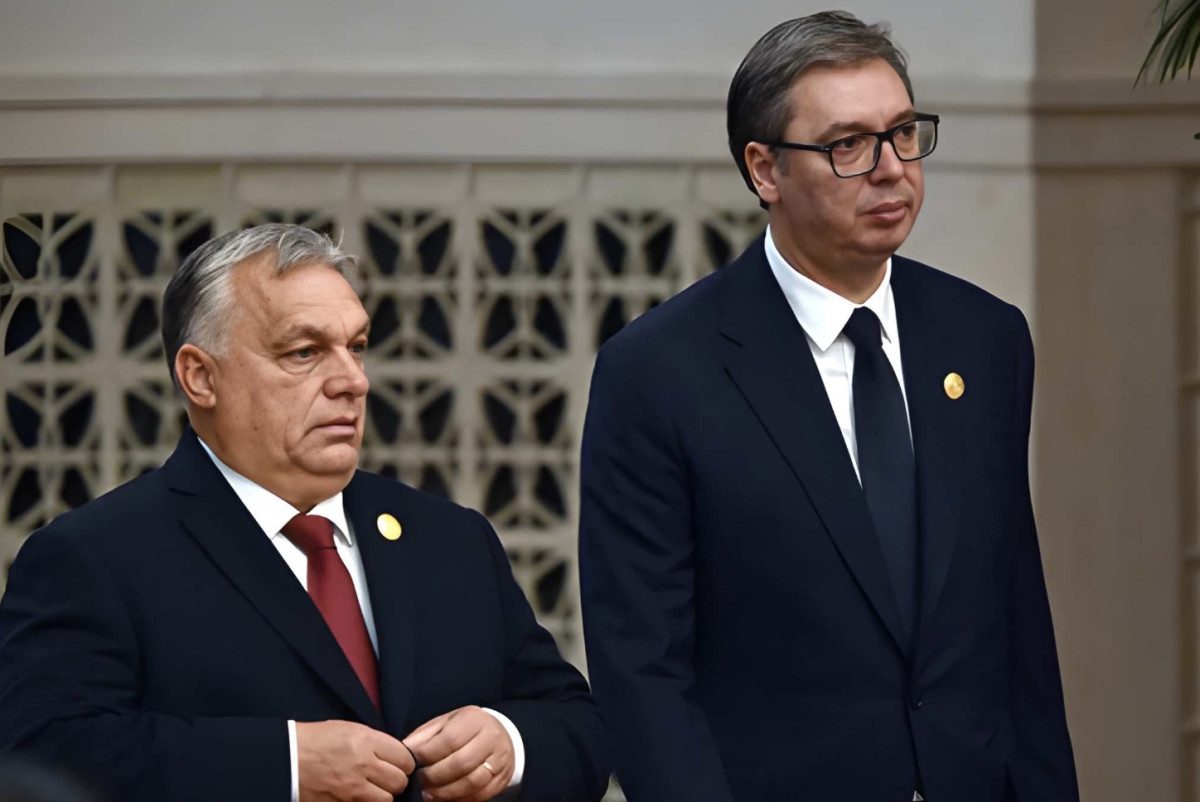
Explosives were discovered near the Balkan Stream pipeline in Serbia, which transports Russian gas to Hungary. Serbian President Alexandar Vucic said that the army found detonators and explosives "of devastating power" close to the pipeline near the village of Tresnjevac in the Kanjiza district, about 20km (12 miles) from the point where the TurkStream pipeline crosses into Hungary.
Hungarian Response
Hungarian Prime Minister Viktor Orban convened an emergency meeting of the National Defence Council following the discovery. Orban stated that "there was an act of sabotage prepared." Hungary receives between five and eight billion cubic meters of Russian gas annually through the TurkStream pipeline. Both Hungary and Slovakia rely on this pipeline for Russian gas.
Political Implications in Hungary
The incident occurs a week before pivotal parliamentary elections in Hungary. Opposition leader Peter Magyar has accused Orban of "panic-mongering" orchestrated by "Russian advisers." Magyar accused Orban of staging the incident in cahoots with the Serbian president. Balint Pasztor, president of the Vojvodina Hungarian Association, posted on Facebook that if the investigation shows Hungary's supply lines were the primary target, it would be clear the "terrorist attack was planned with the aim of bringing down Viktor Orban."

The sources also report that Orban's party, Fidesz, has made hostility to Ukraine a cornerstone of its election campaign.
Orban's Accusations Against Ukraine
Orban has accused Ukraine of attempting to cut off Europe from Russian energy for years. He also alleges that a "Kyiv-Brussels-Berlin" axis is conspiring to stop Hungary from getting cheap Russian fuel. Hungarian Foreign Minister Peter Szijjarto wrote on Facebook that Ukraine organized an oil blockade and tried to impose a total energy blockade by firing drones at the TurkStream pipeline while it was still on Russian territory. Orban has accused Ukrainian president Volodymyr Zelensky of imposing "an oil blockade" on Hungary, noting that no Russian oil has arrived through the Druzhba pipeline since the end of January.
Ukrainian Denial
Ukraine's Foreign Ministry spokesperson Heorhii Tykhyi refuted any connection to the alleged sabotage. Tykhyi said that Ukraine has nothing to do with this and called it a Russian false-flag operation as part of Moscow's heavy interference in Hungarian elections. Ukraine says the Druzhba pipeline was damaged in a Russian attack, and should be functional again in mid-April.
Security Expert Predictions
Hungarian security expert Andras Racz warned on Facebook on April 2 that a "fake attack" on the TurkStream pipeline could be staged inside Serbia. Racz also predicted that the explosives would be identified as Ukrainian. Former senior Hungarian counter-intelligence officer, Peter Buda, stated that an operation like this would help Orban before the election by influencing public opinion in his favor.

The sources also report that former senior Hungarian counter-intelligence officer Peter Buda told the BBC, “We had some solid preliminary information about this operation, including details about the place and possible timing.”
The investigation's results are expected to be released soon, potentially influencing voters as they head to the polls.
























For example, Serbian President Alexander Vucic reported that two rucksacks full of explosives and detonators were found by the Serbian army near Tresnjevac.