Vice President JD Vance will lead the U.S. delegation to Pakistan this weekend for direct negotiations with Iran, White House press secretary Karoline Leavitt announced Wednesday. The talks in Islamabad represent the highest-level meeting between the two countries since the 1979 Islamic revolution, occurring just days after a two-week ceasefire halted six weeks of active conflict. Jared Kushner, Trump's adviser and son-in-law, and White House envoy Steve Witkoff will also participate in the negotiations.
Iran's delegation is expected to be led by Parliament Speaker Mohammad Bagher Ghalibaf, with Foreign Minister Abbas Araghchi joining the talks. The stakes are immediate: if negotiations fail, the ceasefire expires and fighting resumes.
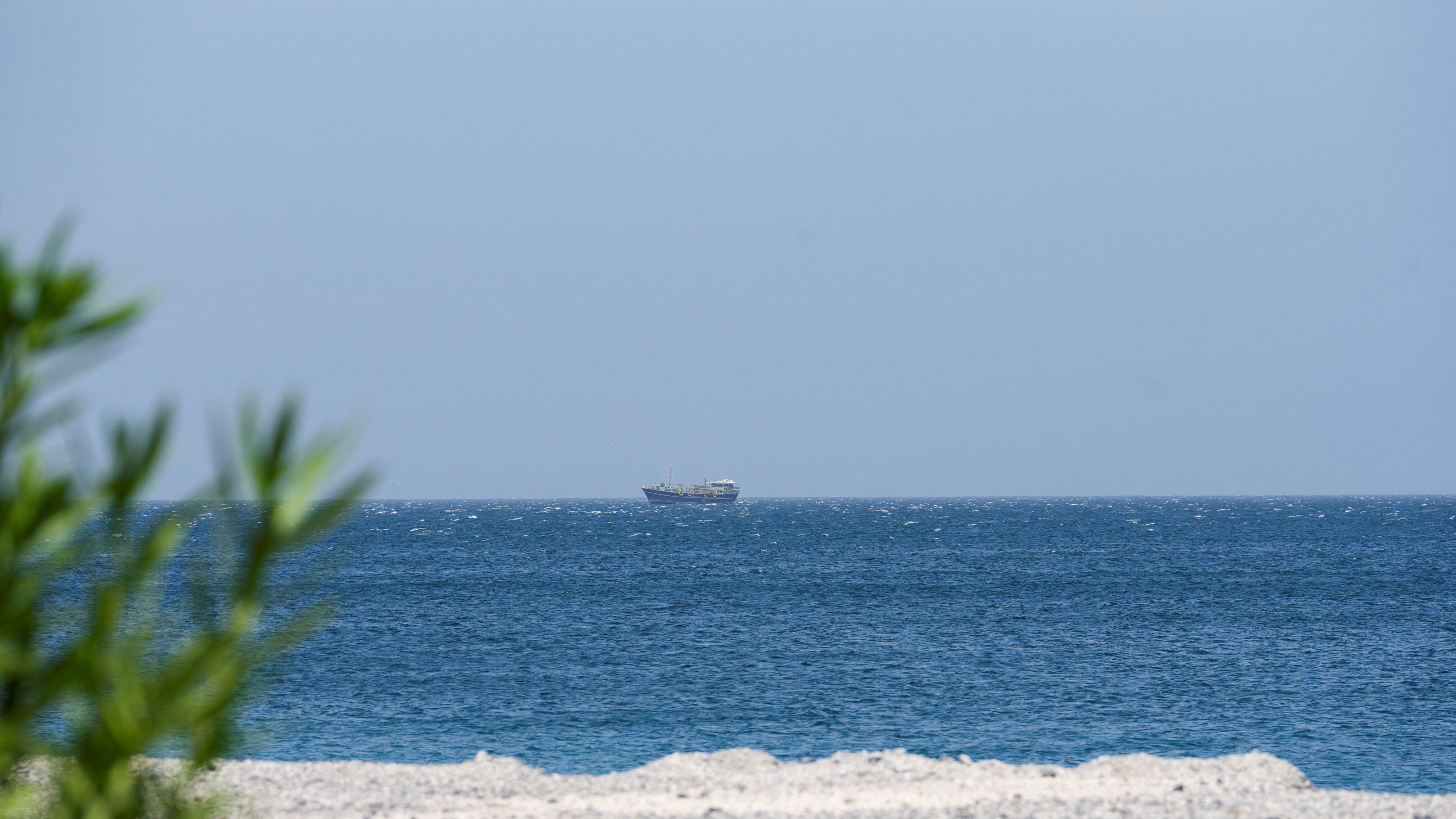
Vance characterized the ceasefire as "a fragile truce" while speaking in Budapest on Wednesday. The agreement includes a temporary reopening of the Strait of Hormuz, a critical global shipping route that Iran had threatened to close. Yet the truce is already fracturing over the scope of the ceasefire, particularly regarding Lebanon.
The IDF conducted what it called "the largest coordinated wave of strikes in Lebanon" since the war began, with 50 fighter jets attacking 100 Hezbollah targets using approximately 160 munitions. Iran's Foreign Minister Abbas Araghchi said on social media that the ceasefire terms were "clear and explicit" and that "the U.S. must choose—ceasefire or continued war via Israel. It cannot have both."
The U.S. and Iran issued contradictory statements about what the ceasefire covers. Pakistani Prime Minister Shehbaz Sharif announced the ceasefire would apply "everywhere, including Lebanon and elsewhere" when he announced the deal Tuesday. Israeli Prime Minister Benjamin Netanyahu immediately countered that the ceasefire did not include Lebanon. Vance told reporters in Budapest there was a "legitimate misunderstanding" between the U.S. and Iran on this point.
"I think the Iranians thought that the ceasefire included Lebanon and it just didn't," Vance said. "We never made that promise. We never indicated that would be the case. What we said is that the ceasefire will be focused on Iran and America's allies both Israel and the Gulf Arab states." He added that Israel had offered to "check themselves a little bit in Lebanon" to ensure negotiations succeed, but that this restraint was not part of the ceasefire agreement itself.
Leavitt confirmed that "it has been relayed to all parties" that Lebanon is not part of the ceasefire agreement.
The U.S. and Iran also disagree on the basis for negotiations. Trump wrote on social media Wednesday that the 10 points Iran published as the negotiation framework were different from the 10 given to the U.S., and would be discussed "behind closed doors during these Negotiations." He characterized the U.S. points as "reasonable, and can easily be dispensed with."
Leavitt said Iran's initial 10-point counter-proposal, submitted Monday, was rejected. Mediators then redrafted it to align with the White House's 15-point proposal, she said. She claimed that what Tehran says publicly about agreed issues "is very different from what they say privately," citing uranium enrichment as an example. "We were given indications that they will turn over the enriched uranium," she said.
Ghalibaf disputed this account, saying three of the 10 agreed clauses had been violated. He cited the ceasefire in Lebanon, a drone entering Iranian airspace, and Trump's statement denying Iran's right to uranium enrichment, which Ghalibaf said was included in the framework's sixth clause.
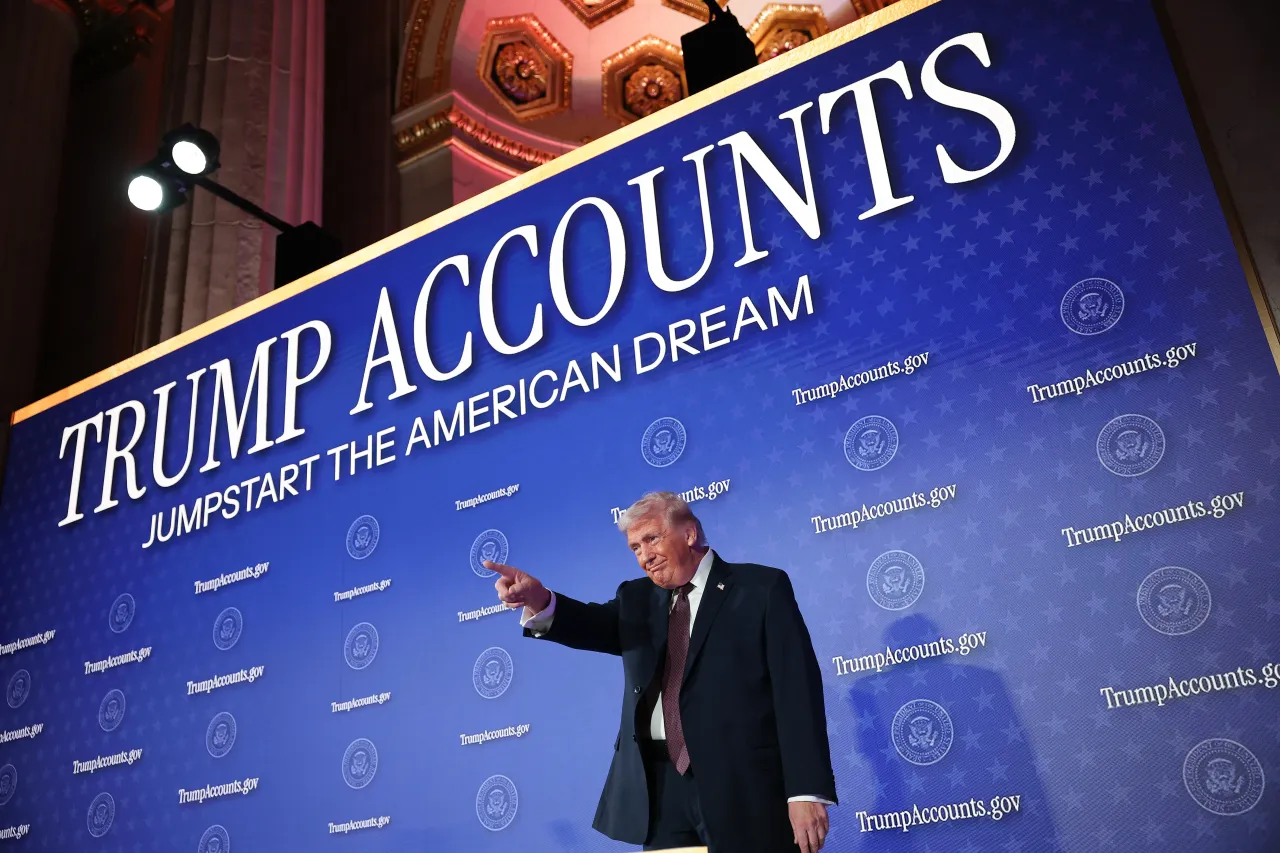
Vance stressed that President Trump is "impatient to make progress" with Iran. He warned that if Iranian officials do not engage in good faith, "they're going to find out that President Trump is not one to mess around with." If Iran withdraws from negotiations over Lebanon, Vance said, "that would be dumb but that's their choice."
The talks are scheduled for Saturday in Islamabad. Success could lead to a permanent ceasefire and reshape U.S.-Iran relations. Failure means the two-week truce expires and the conflict resumes—a scenario that already appears possible given the disagreements surfacing before negotiations even begin.
Vice President JD Vance will lead the U.S. delegation to Pakistan this weekend for direct negotiations with Iran, White House press secretary Karoline Leavitt announced Wednesday. The talks in Islamabad represent the highest-level meeting between the two countries since the 1979 Islamic revolution, occurring just days after a two-week ceasefire halted six weeks of active conflict. Jared Kushner, Trump's adviser and son-in-law, and White House envoy Steve Witkoff will also participate in the negotiations.
Iran's delegation is expected to be led by Parliament Speaker Mohammad Bagher Ghalibaf, with Foreign Minister Abbas Araghchi joining the talks. The stakes are immediate: if negotiations fail, the ceasefire expires and fighting resumes.
Vance characterized the ceasefire as "a fragile truce" while speaking in Budapest on Wednesday. The agreement includes a temporary reopening of the Strait of Hormuz, a critical global shipping route that Iran had threatened to close. Yet the truce is already fracturing over the scope of the ceasefire, particularly regarding Lebanon.
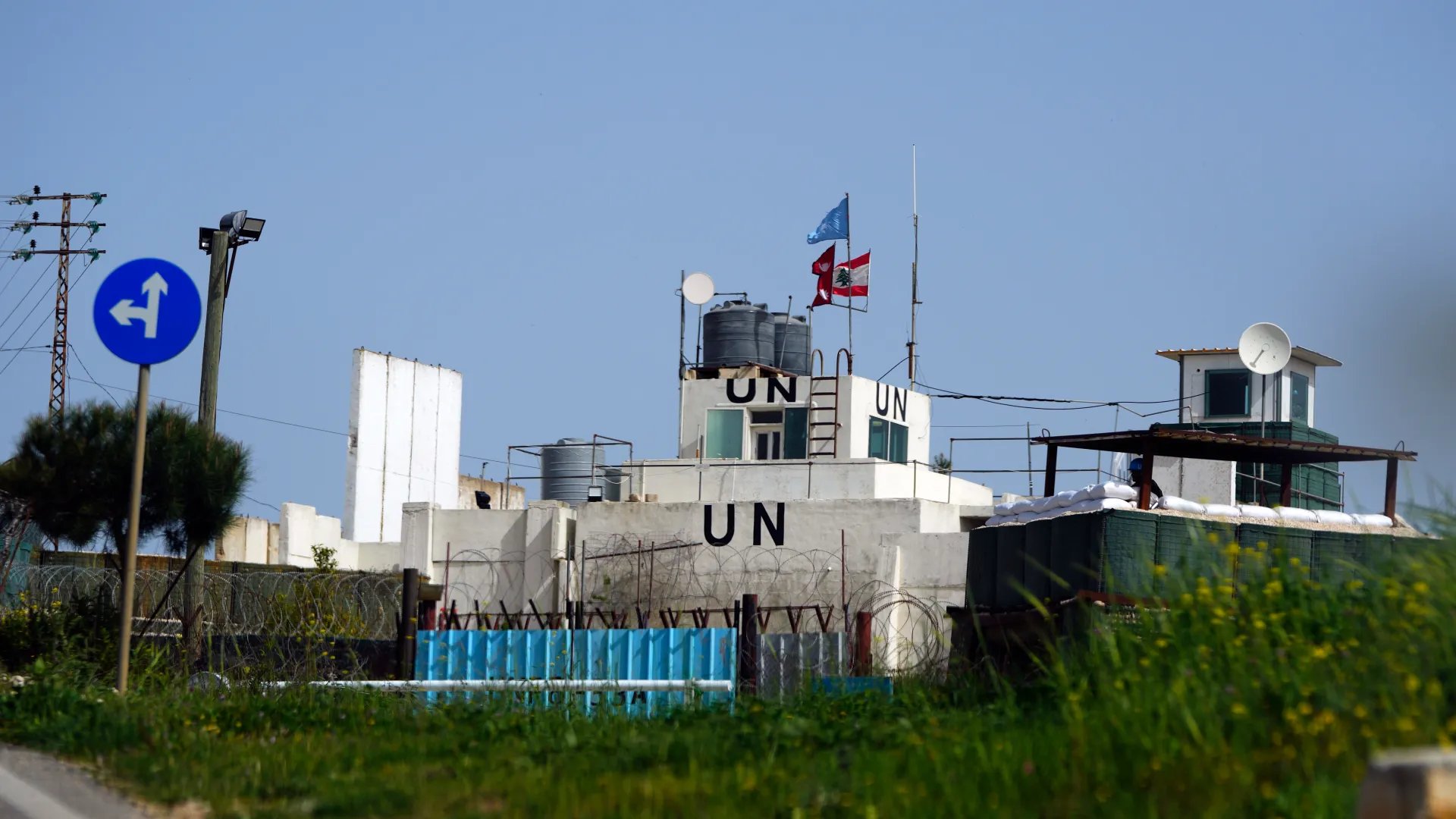
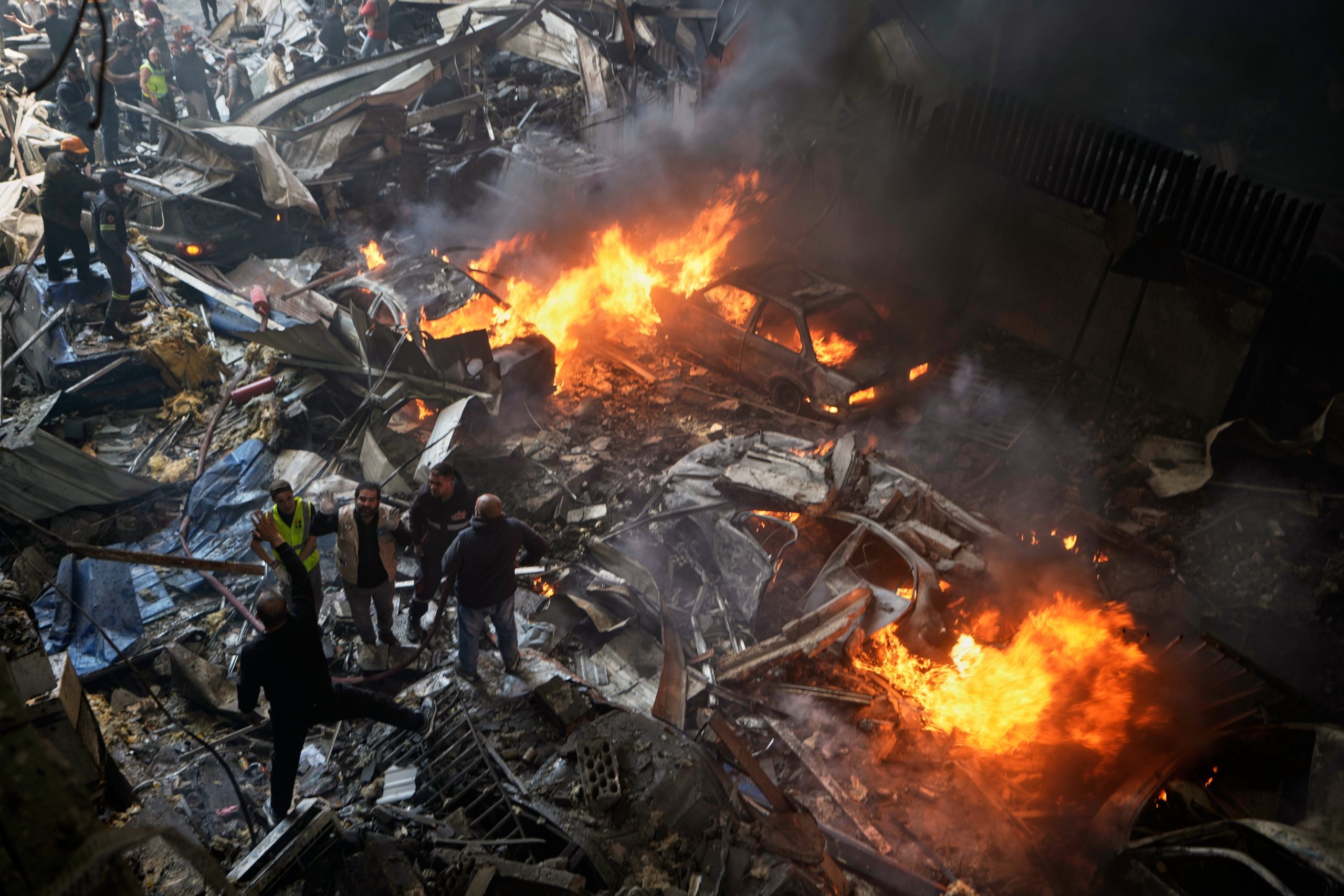
Israeli airstrikes in Lebanon on Wednesday killed more than 80 people and wounded 200, according to the Lebanese Red Cross. The IDF conducted what it called "the largest coordinated wave of strikes in Lebanon" since the war began, with 50 fighter jets attacking 100 Hezbollah targets using approximately 160 munitions. Iran's Foreign Minister Abbas Araghchi said on social media that the ceasefire terms were "clear and explicit" and that "the U.S. must choose—ceasefire or continued war via Israel. It cannot have both."
The U.S. and Iran issued contradictory statements about what the ceasefire covers. Pakistani Prime Minister Shehbaz Sharif announced the ceasefire would apply "everywhere, including Lebanon and elsewhere" when he announced the deal Tuesday. Israeli Prime Minister Benjamin Netanyahu immediately countered that the ceasefire did not include Lebanon. Vance told reporters in Budapest there was a "legitimate misunderstanding" between the U.S. and Iran on this point.
"I think the Iranians thought that the ceasefire included Lebanon and it just didn't," Vance said. "We never made that promise. We never indicated that would be the case. What we said is that the ceasefire will be focused on Iran and America's allies both Israel and the Gulf Arab states." He added that Israel had offered to "check themselves a little bit in Lebanon" to ensure negotiations succeed, but that this restraint was not part of the ceasefire agreement itself.
Leavitt confirmed that "it has been relayed to all parties" that Lebanon is not part of the ceasefire agreement. A senior U.S. official said Trump and Netanyahu agreed during a phone call before the ceasefire announcement that fighting in Lebanon could continue.
The U.S. and Iran also disagree on the basis for negotiations. Trump wrote on social media Wednesday that the 10 points Iran published as the negotiation framework were different from the 10 given to the U.S., and would be discussed "behind closed doors during these Negotiations." He characterized the U.S. points as "reasonable, and can easily be dispensed with."
Leavitt said Iran's initial 10-point counter-proposal, submitted Monday, was rejected and later amended by mediators to align with the White House's 15-point proposal. She claimed that what Tehran says publicly about agreed issues "is very different from what they say privately," citing uranium enrichment as an example. "We were given indications that they will turn over the enriched uranium," she said.
Ghalibaf disputed this account, saying three of the 10 agreed clauses had been violated. He cited the ceasefire in Lebanon, a drone entering Iranian airspace, and Trump's statement denying Iran's right to uranium enrichment, which Ghalibaf said was included in the framework's sixth clause.
Vance stressed that President Trump is "impatient to make progress" with Iran. He warned that if Iranian officials do not engage in good faith, "they're going to find out that President Trump is not one to mess around with." If Iran withdraws from negotiations over Lebanon, Vance said, "that would be dumb but that's their choice."
This mission tests Vance's political positioning as someone who has advocated for avoiding war with Iran and preferring diplomacy. Trump told the New York Post on Wednesday that Vance may not attend the in-person talks in Pakistan for security reasons, though the White House subsequently announced Vance would lead the delegation.
The talks are scheduled for Saturday in Islamabad. Success could lead to a permanent ceasefire and reshape U.S.-Iran relations. Failure means the two-week truce expires and the conflict resumes—a scenario that already appears possible given the disagreements surfacing before negotiations even begin.
Highlighted text was flagged by the council. Tap to see feedback.