




Record Shattered on Historic Flight
On Monday, the Artemis II astronauts broke Apollo 13's record at 1:56 p.m. ET, ultimately reaching a peak of 252,760 miles from Earth. This achievement marks the first time humans have traveled farther from Earth in more than 50 years, offering views of the moon's far side that inspire scientific discovery and future exploration.
Crew's Excitement and Tributes
Pilot Victor Glover expressed the team's thrill, noting they carried a patch from the Apollo 8 mission provided by Jim Lovell's son. Christina Koch shared how the iconic Earthrise photo from Apollo 8 motivated her childhood dreams and now guides the crew's values. The astronauts listened to a pre-recorded message from Jim Lovell, who died last August, welcoming them and urging them to enjoy the view while advancing missions to Mars.
Unprecedented Lunar Views and Photos
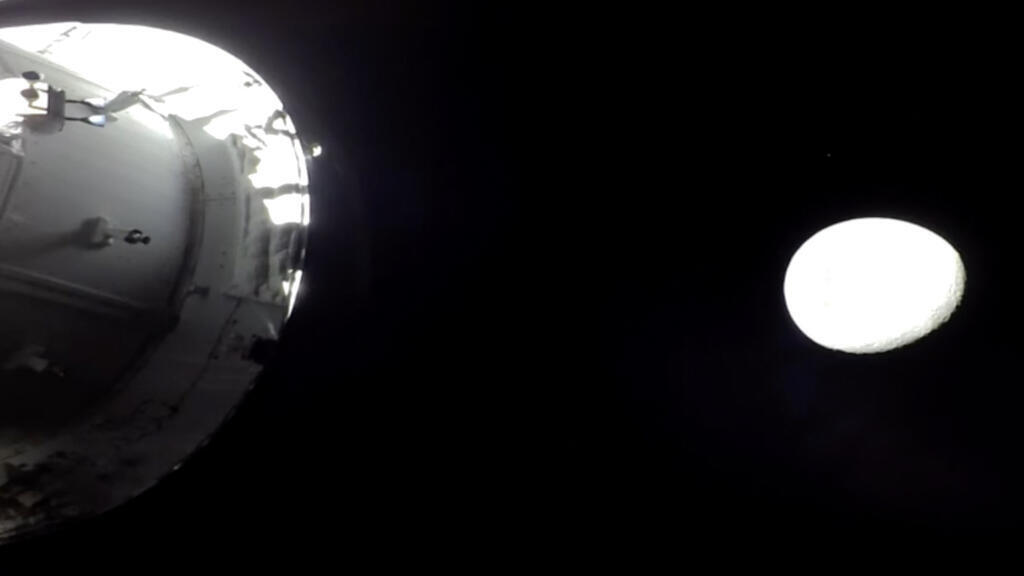
The crew captured images of the moon's far side, including the Orientale basin, which the Artemis II voyage marks the first time humans have ever seen in full. During their three-hour flyby, they will probably take more than 10,000 pictures, starting with the disappearing side to avoid missing details, as advised by photography instructor Paul Reichert. At their closest approach of 4,070 miles from the lunar surface around 7 p.m. ET, the moon appeared the size of a basketball held at arm's length, allowing observations of lunar poles and a solar eclipse.
Scientific and Personal Reflections
Commander Reid Wiseman said the view "really put our place in the universe in perspective." Artemis II mission specialist Jeremy Hansen joined the team in witnessing Earth shrink to a dark sphere, emphasizing the shared human experience in the vast emptiness. The crew dimmed spacecraft lights and used lunar maps to enhance their photography, hoping to inspire future generations as retired astronaut Randy Bresnik suggested. They also marked Easter with dehydrated scrambled eggs hidden in the cabin, blending routine with celebration amid their observations.
Legacy for Future Space Travel
The Artemis II flight follows a free-return trajectory like Apollo 13, using the moon's gravity to loop back to Earth after setting the record. Crew members prepared by practicing with poster boards and an inflatable moon, ensuring they gather data for NASA's 10-goal plan. This milestone paves the way for deeper lunar studies and eventual Mars missions, giving everyday people a glimpse of how space advancements could expand human horizons and drive global innovation.

The sources also report that the crew will lose contact with Mission Control for about 40 minutes during the lunar flyby, allowing them a break from communication.








































The sources also report that the Artemis II crew will spend three hours taking photos of the lunar landscape during their flyby.