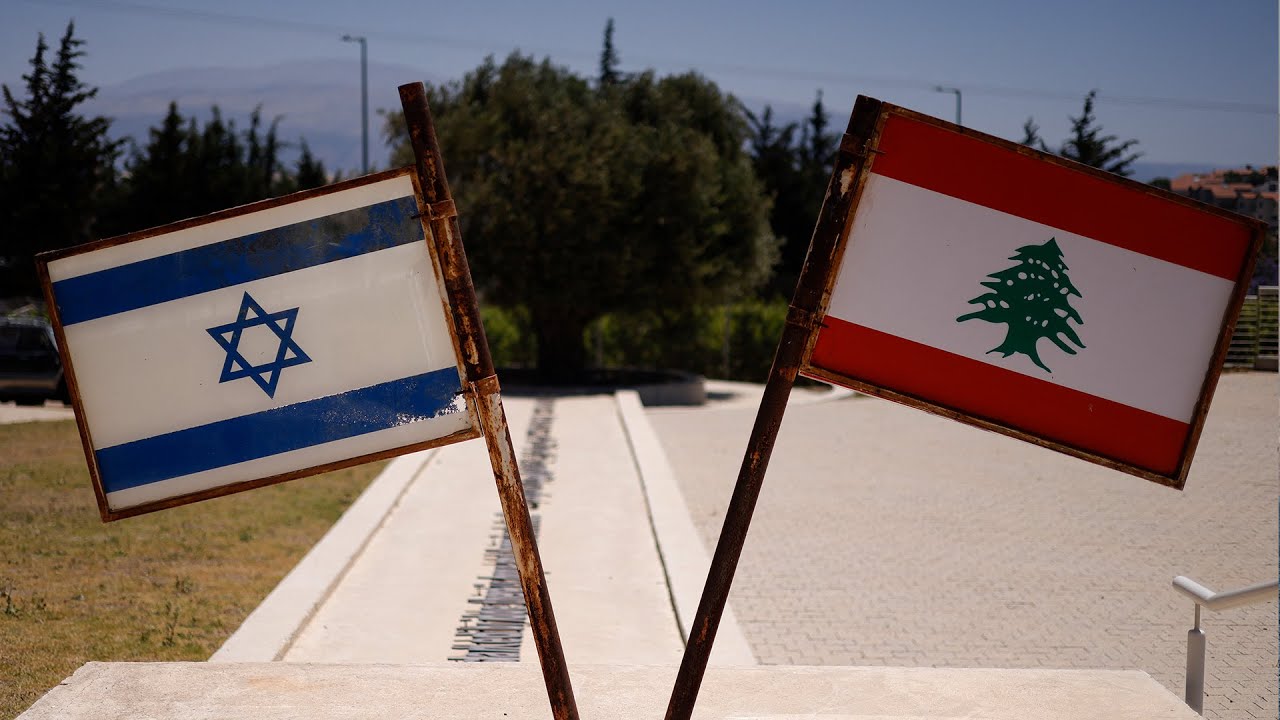
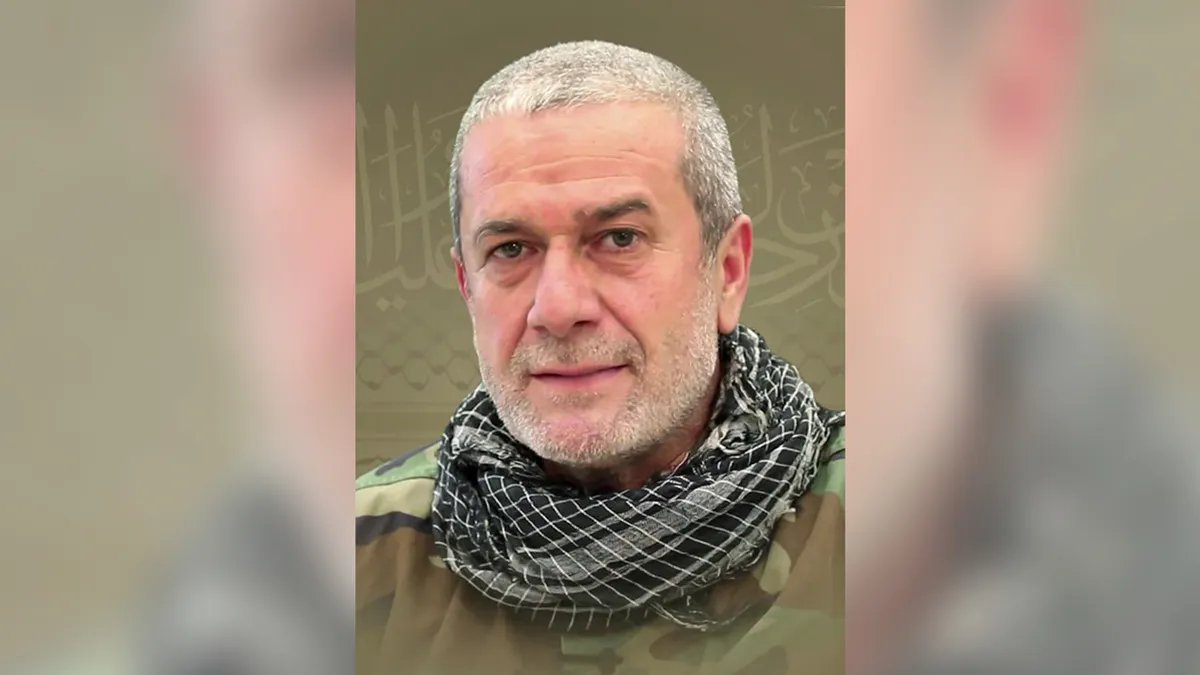
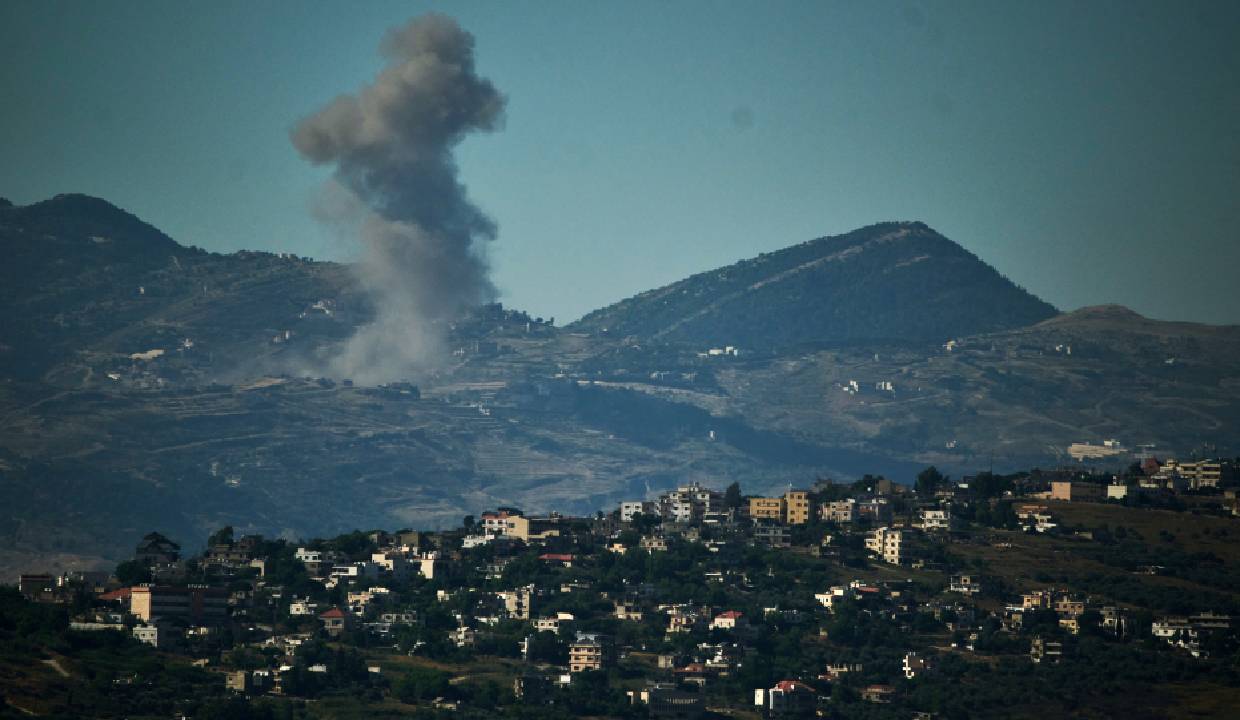
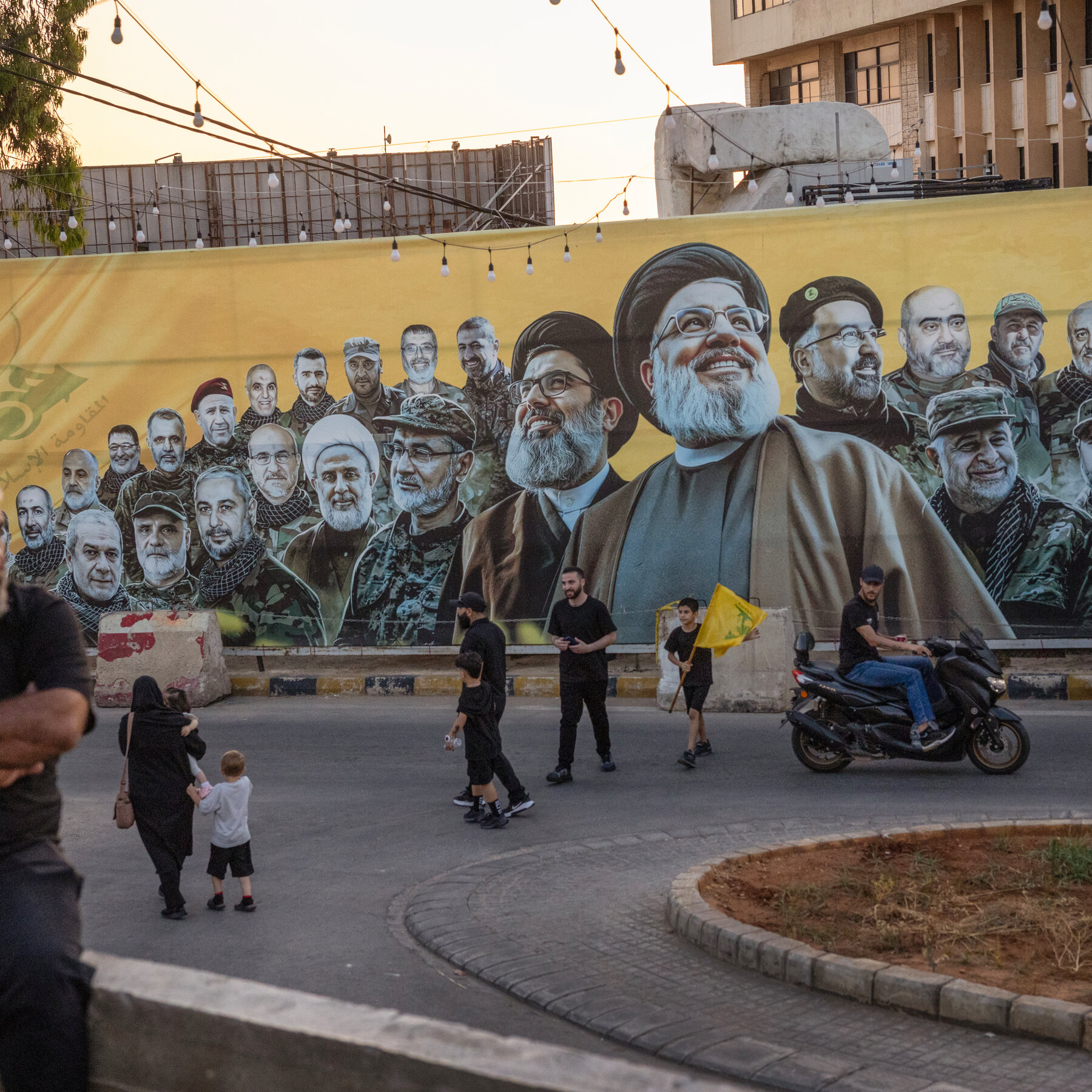
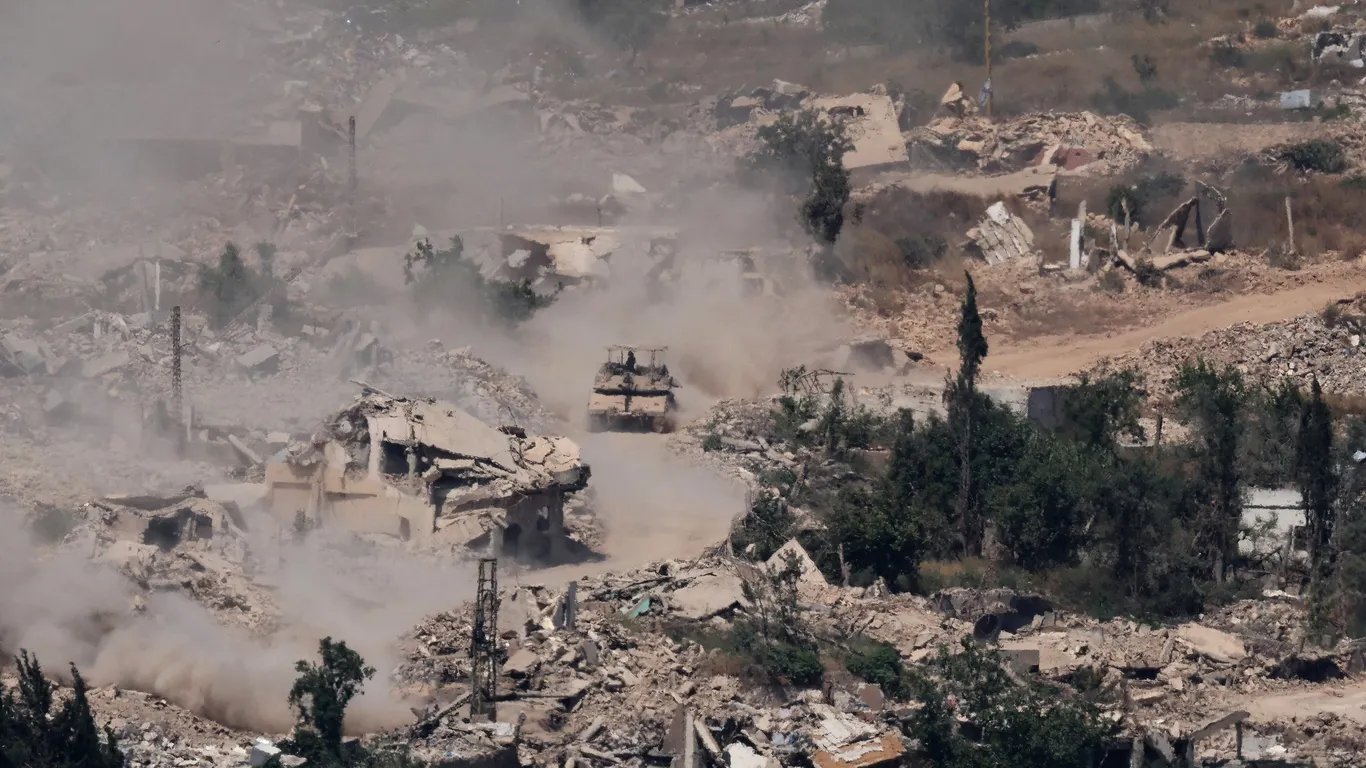
Former U.S. Defense Secretary Mark Esper stated that Hezbollah's ongoing military actions against Israeli forces position the group as a significant spoiler to any lasting peace agreement between the U.S. and Iran. During an interview, Esper explained that Hezbollah's attacks give Israel justification to keep responding militarily. He warned that this dynamic may hinder progress toward a stable resolution, as continued violence escalates tensions.
The former defense secretary highlighted that any potential deal could be undermined by Hezbollah's actions, which he described as a direct threat to Israeli security. With Hezbollah's military capabilities and regional influence, Esper believes that the group could obstruct diplomatic pathways, making it essential for U.S. officials to address this challenge in future discussions.
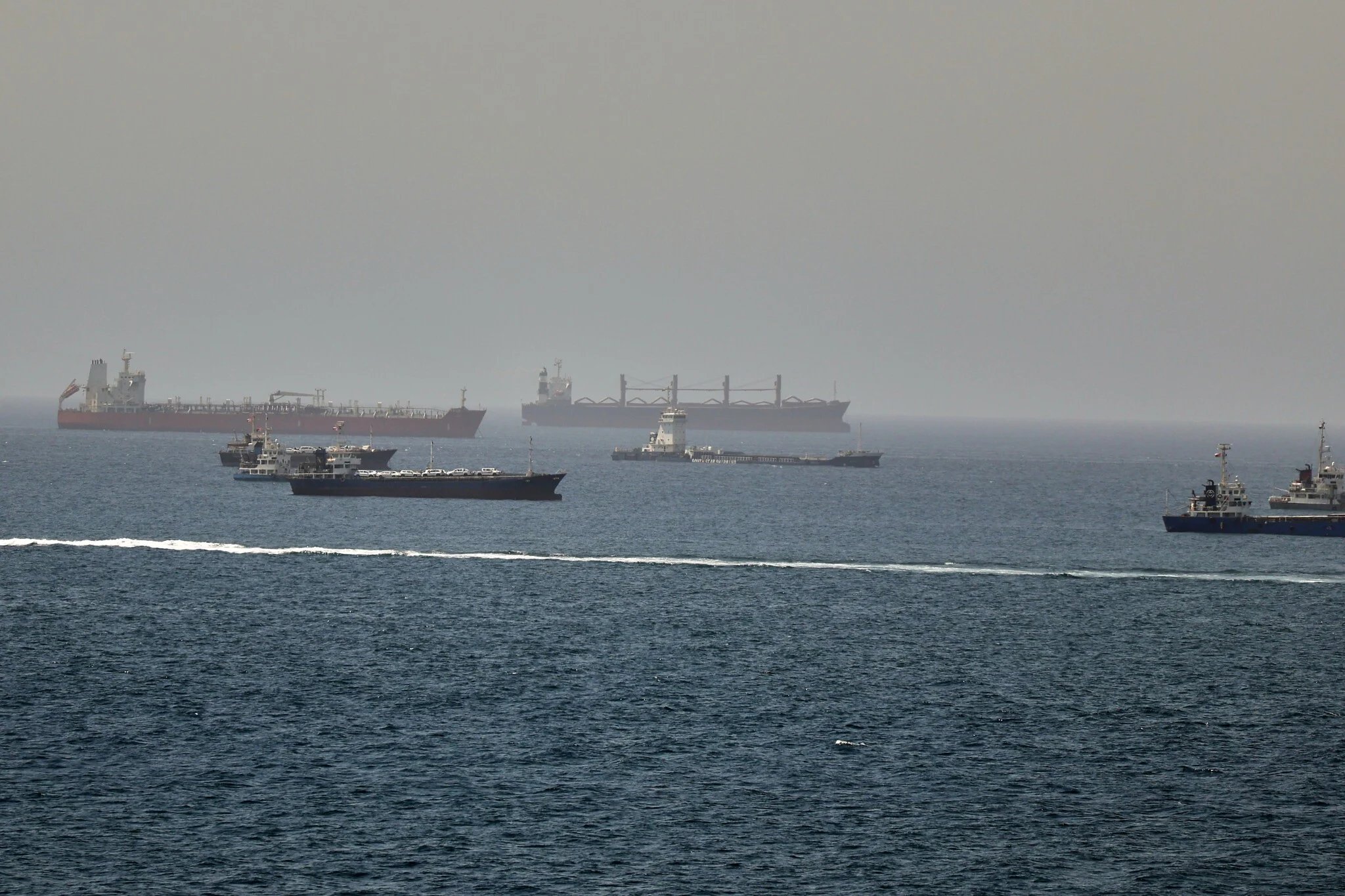
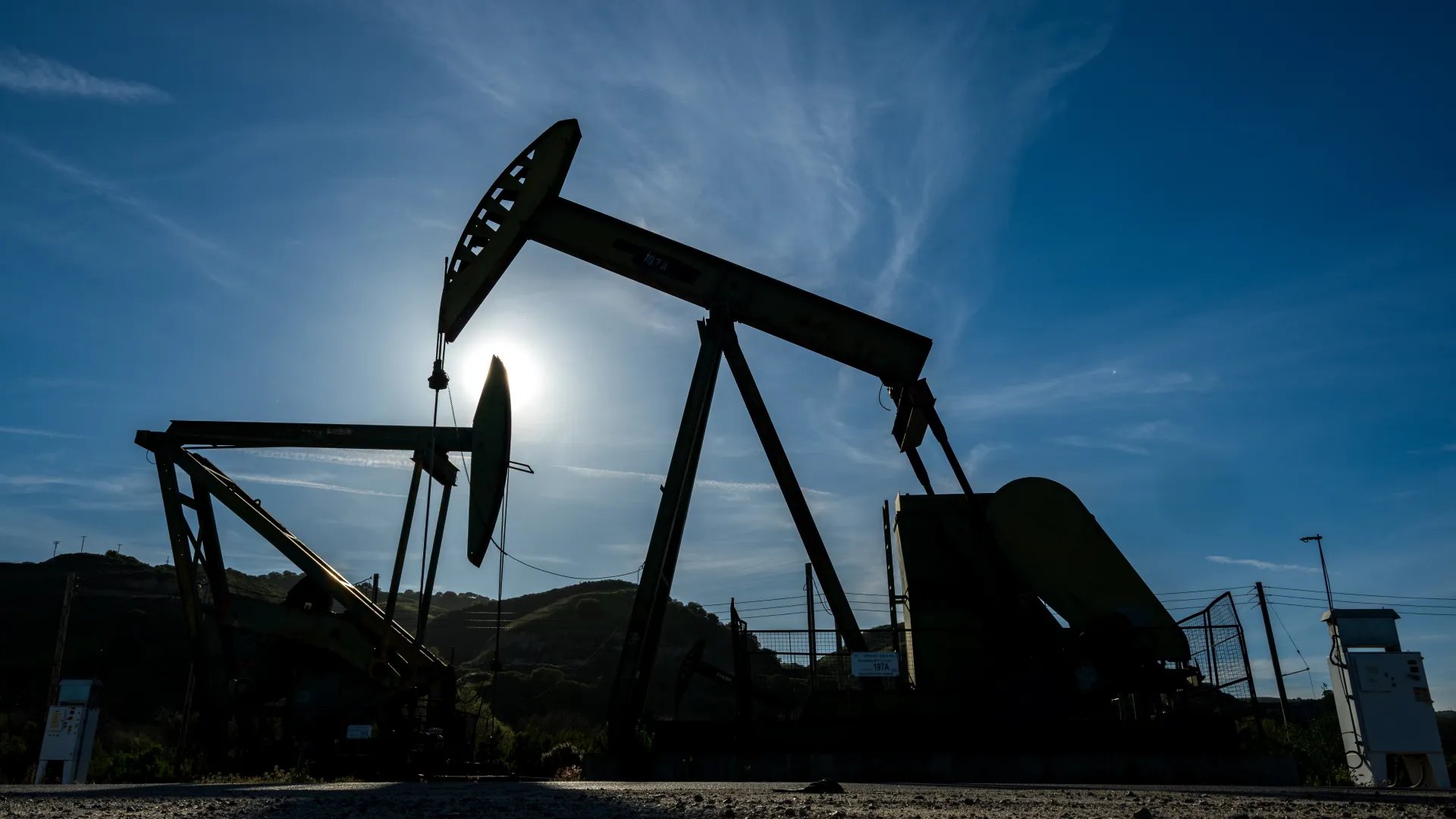
The geopolitical uncertainty surrounding the U.S.-Iran deal is also affecting oil markets. Crude futures have slumped following the peace deal. Niche option positions betting on an oil glut are coming back into play. Traders are reassessing their strategies as they navigate the implications of both regional security issues and fluctuating oil prices.
Policymakers will need to balance diplomatic efforts with security concerns to ensure that any agreement is sustainable. The ongoing threat posed by Hezbollah underscores the complexity of achieving lasting peace in the region, as U.S. officials must remain vigilant to the challenges that could derail negotiations.
The situation surrounding Hezbollah and its impact on U.S.-Iran relations highlights the fragility of peace in the Middle East. As tensions remain high, both the U.S. and its allies must prepare for potential escalations that could disrupt both diplomatic and economic stability. Citizens should stay informed about developments in this area, as regional security dynamics ultimately influence global markets and everyday life.
Former U.S. Defense Secretary Mark Esper stated that Hezbollah's ongoing military actions against Israeli forces position the group as a significant spoiler to any lasting peace agreement between the U.S. and Iran. During an interview, Esper emphasized that Hezbollah's attacks provide Israel with a rationale to respond militarily, complicating diplomatic efforts in the region. He warned that this dynamic may hinder progress toward a stable resolution, as continued violence escalates tensions.
Esper's comments raise critical questions about the future of U.S.-Iran negotiations. The former defense secretary highlighted that any potential deal could be undermined by Hezbollah's actions, which he described as a direct threat to Israeli security. With Hezbollah's military capabilities and regional influence, Esper believes that the group could obstruct diplomatic pathways, making it essential for U.S. officials to address this challenge in future discussions.
The geopolitical uncertainty surrounding the U.S.-Iran deal is also affecting oil markets. Following the announcement of a peace deal, crude futures have slumped, prompting a resurgence of niche option positions betting on an oil glut. Traders are reassessing their strategies as they navigate the implications of both regional security issues and fluctuating oil prices. The interplay of these factors highlights how geopolitical tensions can ripple through global markets, impacting prices at the pump for consumers and the economy at large.
As the U.S. government considers its approach to Iran and Hezbollah, Esper's insights suggest that a multifaceted strategy may be necessary. Policymakers will need to balance diplomatic efforts with security concerns to ensure that any agreement is sustainable. The ongoing threat posed by Hezbollah underscores the complexity of achieving lasting peace in the region, as U.S. officials must remain vigilant to the challenges that could derail negotiations.
The situation surrounding Hezbollah and its impact on U.S.-Iran relations highlights the fragility of peace in the Middle East. As tensions remain high, both the U.S. and its allies must prepare for potential escalations that could disrupt both diplomatic and economic stability. Citizens should stay informed about developments in this area, as regional security dynamics ultimately influence global markets and everyday life.
Highlighted text was flagged by the council. Tap to see feedback.