The House voted to approve an eight-week funding bill for the Department of Homeland Security on Sunday, but the measure faces immediate rejection in the Senate. Senate Democrats have declared the bill "dead on arrival," according to the top Democrat in that chamber. The Department of Homeland Security shutdown became the longest partial shutdown in U.S. history on Sunday.
The central dispute involves funding for Immigration and Customs Enforcement and the U.S. Border Patrol. The Senate passed a bill early Friday by unanimous consent to fund DHS but explicitly excluded those two agencies. House Republicans rejected that approach, and their eight-week bill would restore full funding across the entire department. House Majority Leader Steve Scalise said Sunday that some senators "expressed buyer's remorse" about the Senate bill after lawmakers reviewed its contents. Rep. Tim Burchett of Tennessee called the Senate's partial funding package a "huge mistake" and said Speaker Mike Johnson should have been informed before the upper chamber acted.
Democrats argue that the House bill does not address their concerns about immigration enforcement. Rep. Adam Smith of Washington said the Biden administration "did not do immigration enforcement the way it should have" and that "we should have had the border more secure than it was." Smith's comments suggest some Democrats acknowledge past enforcement gaps while maintaining their current position on the legislation.
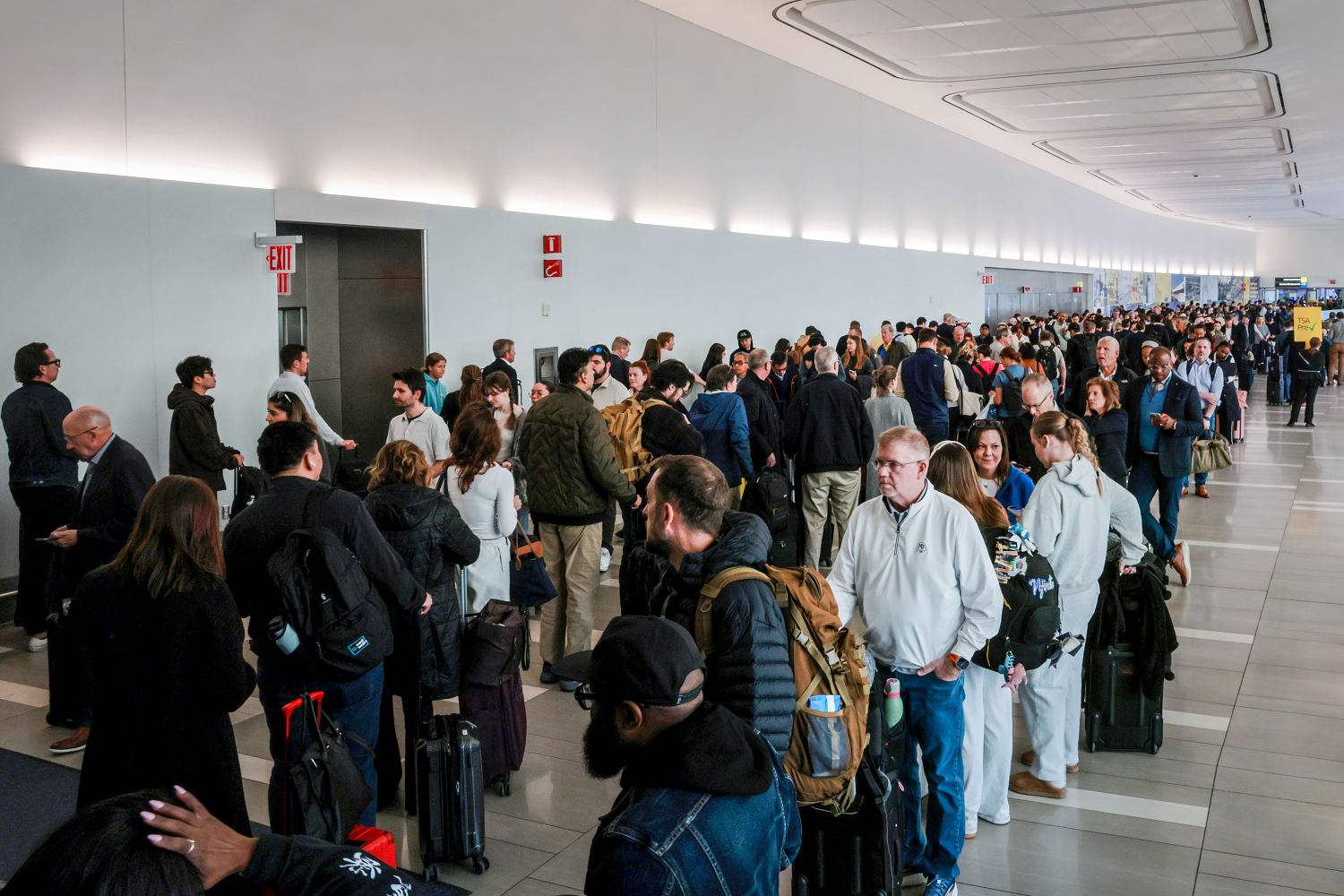
Republicans blame Democrats for the impasse. Sen. Tom Cotton said Democrats' fight over ICE funding is causing TSA chaos, with hours-long airport wait times hitting travelers nationwide. Sen. Ron Johnson called the Senate "broken" and said Republicans should end the filibuster, blaming Democrats for the DHS funding deadlock.
The funding battle has exposed fractures within the Republican Party itself. Rep. Jake Auchincloss of Massachusetts warned against putting American boots on the ground in Iran, noting it could lead to requests suggesting a longer war.
Without a resolution, the DHS shutdown will continue to affect federal operations and airport security screening nationwide.
The House voted to approve an eight-week funding bill for the Department of Homeland Security on Sunday, but the measure faces immediate rejection in the Senate. Senate Democrats have declared the bill "dead on arrival," according to the top Democrat in that chamber. The DHS shutdown has now become the longest partial government shutdown in U.S. history, stretching six weeks. If the shutdown continues past the weekend, it will surpass the 43-day impasse that occurred late last year as the longest shutdown of any kind.
The central dispute involves funding for Immigration and Customs Enforcement and the U.S. Border Patrol. The Senate passed a bill early Friday by unanimous consent to fund DHS but explicitly excluded those two agencies. House Republicans rejected that approach, and their eight-week bill would restore full funding across the entire department. House Majority Leader Steve Scalise said Sunday that some senators "expressed buyer's remorse" about the Senate bill after lawmakers reviewed its contents. Rep. Tim Burchett of Tennessee called the Senate's partial funding package a "huge mistake" and said Speaker Mike Johnson should have been informed before the upper chamber acted.
Democrats argue that the House bill does not address their concerns about immigration enforcement. Rep. Adam Smith of Washington said the Biden administration "did not do immigration enforcement the way it should have" and that "we should have had the border more secure than it was." Smith's comments suggest some Democrats acknowledge past enforcement gaps while maintaining their current position on the legislation.
Republicans blame Democrats for the impasse. Sen. Tom Cotton said Democrats' fight over ICE funding is causing TSA chaos, with hours-long airport wait times hitting travelers nationwide. Sen. Ron Johnson called the Senate "broken" and said Republicans should end the filibuster, blaming Democrats for the DHS funding deadlock.
The funding battle has exposed fractures within the Republican Party itself. The House vote against the Senate bill left a rupture among GOP lawmakers, with some questioning Senate leadership's approach. The dispute occurs as other foreign policy disagreements simmer within Congress. Rep. Jake Auchincloss of Massachusetts warned against putting American boots on the ground in Iran, noting it could lead to requests suggesting a longer war. Sen. Andy Kim of New Jersey said Americans are paying the price of the U.S.-Israeli war with Iran through higher costs on multiple fronts.
Without a resolution, the DHS shutdown will continue to affect federal operations and airport security screening nationwide.
Highlighted text was flagged by the council. Tap to see feedback.