
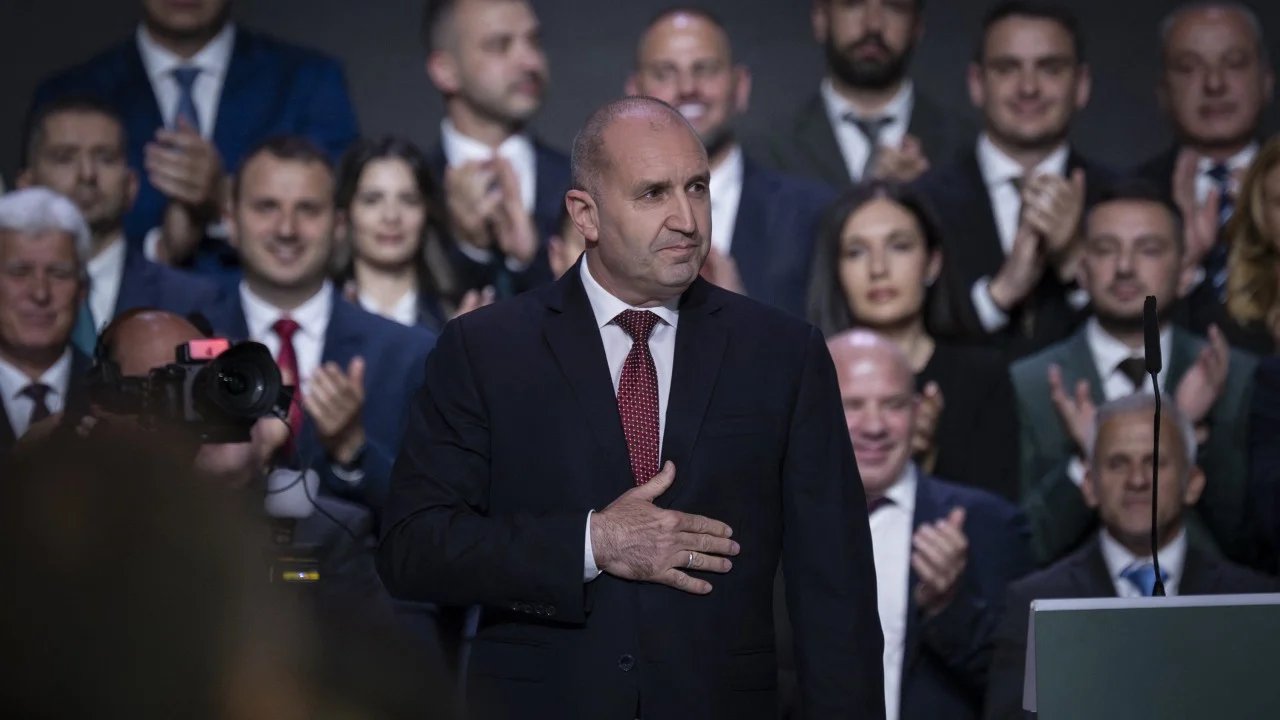





A Landslide Victory After Eight Elections in Five Years
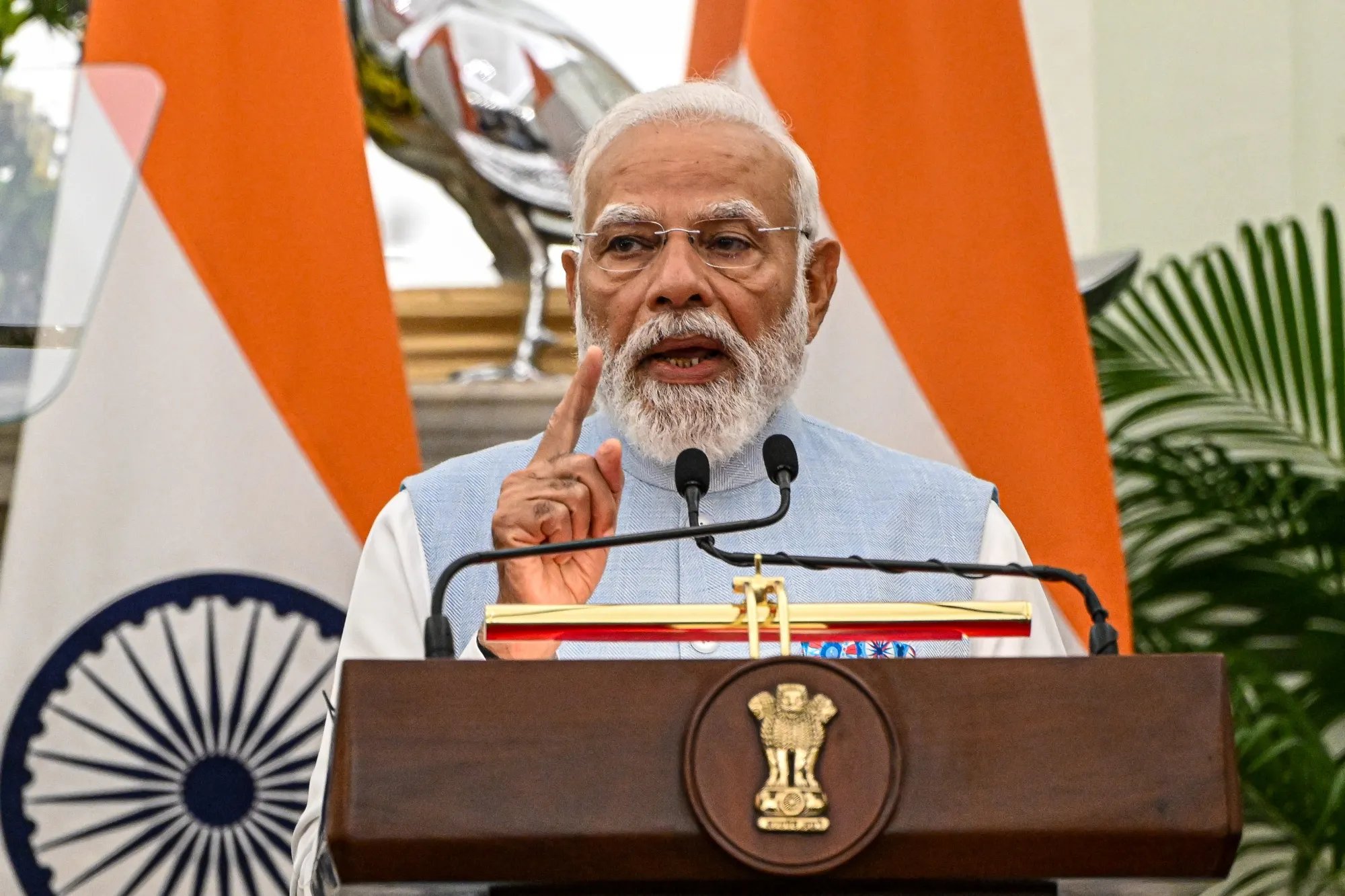
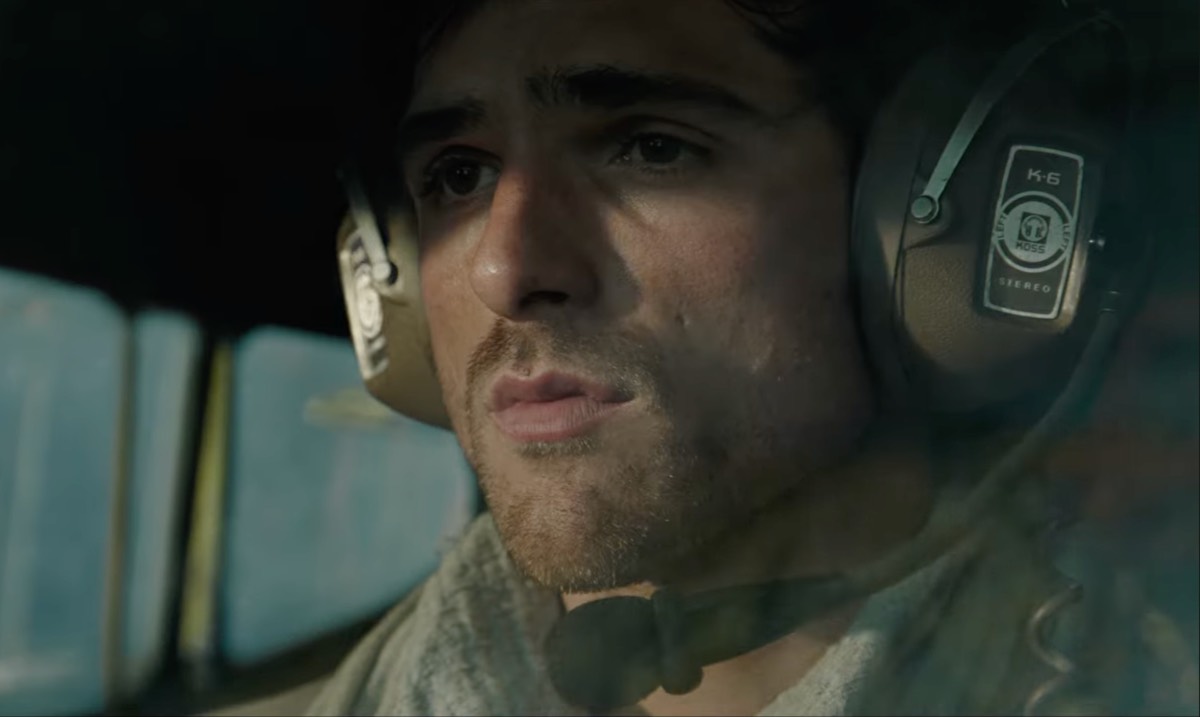
Rumen Radev's newly formed Progressive Bulgaria party won 44.7 percent of the vote in Sunday's election, securing 135 seats in the 240-seat parliament and becoming the first single party to govern alone since 1997. The victory ended a cycle of political instability that forced Bulgaria to hold eight general elections in five years. Radev, a 62-year-old former air force general and Mig-29 fighter pilot, stepped down as president in January to form Progressive Bulgaria just four months before the election.
The result far exceeded polling predictions that had suggested another coalition government. With 97.52 percent of ballots counted, the margin between Radev's party and the second-place finisher was overwhelming. The center-right GERB party of three-time former Prime Minister Boyko Borissov fell to 13.4 percent, while the liberal PP-DB coalition received 12.8 percent. The Bulgarian Socialist Party failed to enter parliament for the first time since 1990, falling below the 4 percent threshold.
Why Voters Rejected Establishment Parties
The election followed mass protests in December against the previous government's attempt to push through a controversial budget. As president, Radev had supported those demonstrations. Voters punished the parties that had governed Bulgaria since 2021, when Borissov's conservative government was toppled amid anti-corruption rallies. The Interior Ministry reported that during the campaign, it seized over 1.2 million euros ($1.41 million) earmarked for buying votes and detained over 370 suspected vote buyers. DPS and GERB ranked first and second in official reports of vote-buying, generating 631 and 318 reports respectively.
Radev's campaign focused on domestic priorities rather than foreign policy. He promised to combat corruption and restore stable government after years of weak coalitions. According to political science professor Antony Todorov at New Bulgarian University, the two main expectations in Bulgarian society were "justice and the question of judicial reform" and "stability."
Radev's Russia-Friendly Stance and Ukraine Position
Radev has long criticized EU sanctions against Russia and called for constructive dialogue with the Kremlin. He has opposed Bulgarian military support for Ukraine, arguing that weapons sales prolong a war Ukraine cannot win, a position similar to that of former Hungarian Prime Minister Viktor Orbán. Kremlin spokesman Dmitry Peskov said on Monday that Russia was "impressed by the statements made by Mr Radev." European Commission chief Ursula von der Leyen also sent congratulations, stating that "Bulgaria is a proud member of the European family."
In his victory speech, Radev promised to build "a strong Bulgaria in a strong Europe" and called for "critical thinking, pragmatic actions and good results, especially to build a new security architecture and recover its industrial power and competitiveness." He has officially denounced Russia's invasion of Ukraine and stated he would not use Bulgaria's veto to block EU aid to Kyiv if elected. Philip Gounev, a security analyst in Sofia and former deputy Bulgarian Interior Minister, predicted that Radev's approach would be "pragmatic, more like Slovak premier Robert Fico than outgoing Hungarian premier Viktor Orbán," and that he would seek "a middle ground and present it as defence of the national interest such as cheap energy resources to help the economy."
Bulgaria's Arms Industry and European Defense
Bulgaria is an important supplier of ammunition and explosives to Ukraine through third countries, particularly Romania. In October, the German arms company Rheinmetall announced a one billion euro joint venture with the VMZ factory in Sopot to produce up to 100,000 155-millimeter shells annually, with Rheinmetall holding a 51 percent share. Radev took credit for inviting Rheinmetall's CEO Armin Papperger to Bulgaria in March and visited Rheinmetall's headquarters in Germany in August, declaring that "Bulgaria is becoming part of the European defence ecosystem."
Despite opposing military supplies to Ukraine, Radev's position as head of government is likely to resemble Fico's approach: critical of EU support but not imposing a veto on private companies manufacturing arms for Ukraine. Gounev noted that "Radev is unlikely to obstruct EU support for Ukraine."
What Comes Next for Bulgaria's Government
Radev will need support from other parties to pass judicial or constitutional changes requiring a two-thirds majority of 160 seats. Bulgaria joined the eurozone on January 1 and entered the border-free Schengen travel area. Two immediate priorities are passing a budget for 2026 and introducing measures to combat inflation linked to the war in the Middle East. Radev said after polls closed: "We will do everything possible not to allow us to go to elections again. It is ruinous for Bulgaria."
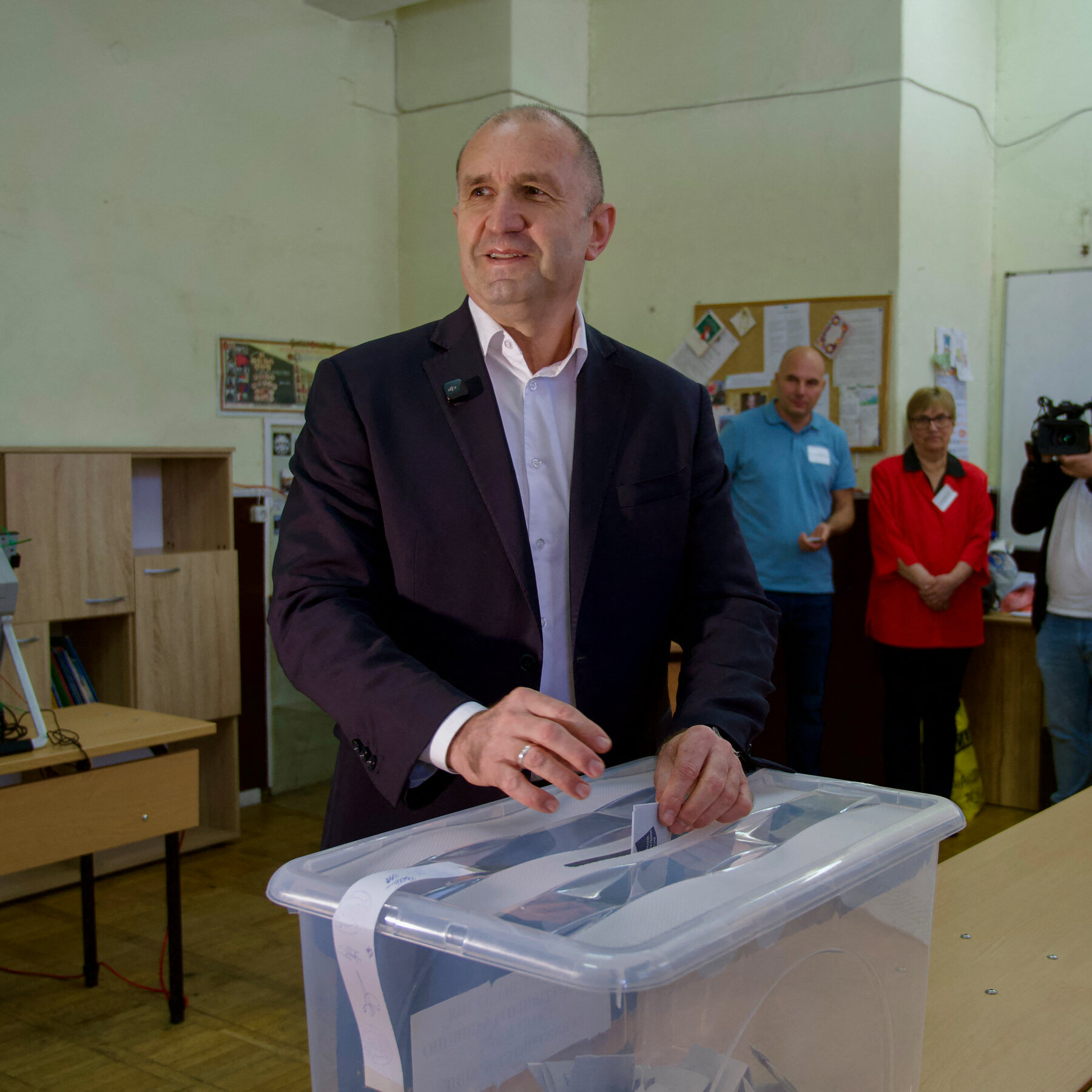

The Interior Ministry reported that it received a total of 949 reports of vote-buying, with DPS and GERB generating 631 and 318 reports respectively.