





Overturning Restrictions
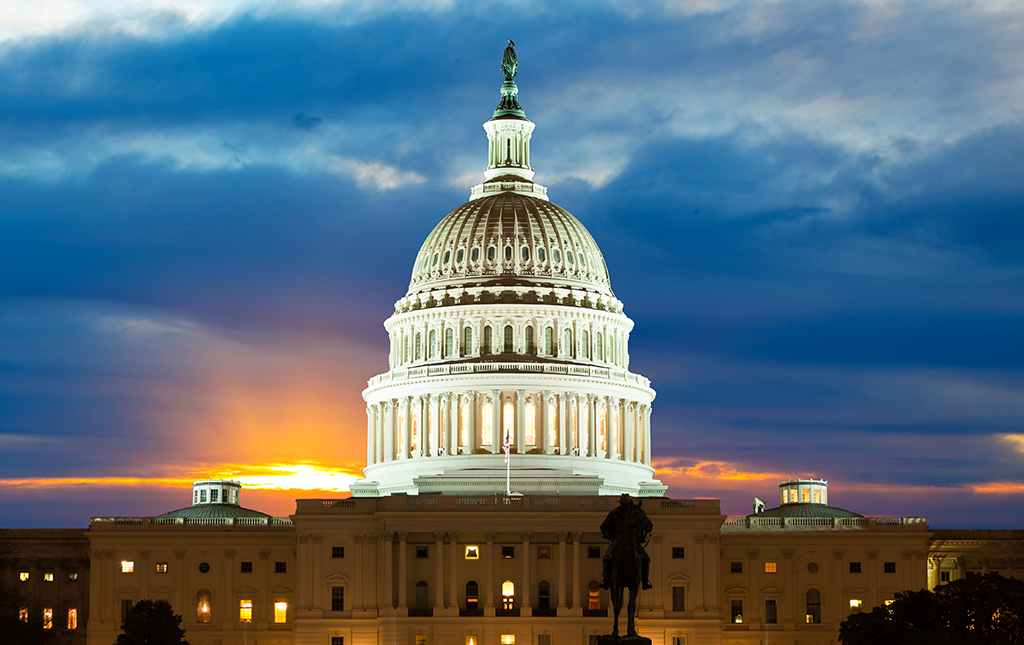
The US Senate voted 50-49 to overturn a ban on mining near Minnesota's Boundary Waters canoe area wilderness. The area is a complex of lakes, rivers, and forests. The resolution repeals a 20-year moratorium that the Biden administration imposed in 2023 on mining across 225,000 acres in the Superior National Forest.
Congressional Review Act
Republicans employed the Congressional Review Act (CRA) to repeal the mining ban. The CRA allows Congress to overturn regulatory rules with a simple majority. The act was designed to cut back on government bureaucracy. Erik Schlenker-Goodrich, executive director of the Western Environmental Law Center, explained that the CRA allows Congress to basically do a thumbs up or a thumbs down, where otherwise a filibuster would apply.
Opposition Voices
Minnesota Senator Tina Smith spoke against the resolution before the Senate vote. Smith argued it would "greenlight exposure of this national treasure to the highly toxic and destructive impacts of sulfide or copper mining." Smith stated the mining company is foreign-owned, will use Chinese state-owned smelters, and will then sell the extracted metals on the open market. Senators Susan Collins of Maine and Thom Tillis of North Carolina, both Republicans, voted against the measure along with Democrats.
Mining Company Response
Kathy Graul, a spokesperson for Twin Metals Minnesota, called the vote a "critical moment for our nation's ability to strengthen our mineral supply chains." Twin Metals Minnesota is a subsidiary of the Chilean mining giant Antofagasta PLC. The company seeks to build a copper and nickel mine near the Boundary Waters. Graul stated any project must undergo a years-long regulatory review before permits are issued.
Environmental Concerns
Environmental advocates condemned the Senate's vote. Ingrid Lyons, the executive director of Save the Boundary Waters, called it a "dark day for America's most beloved wilderness area." The US Forest Service determined in 2016 that a sulfide-ore copper mine could cause "extreme" and "serious and irreplaceable harm" to the area.
Tribal Treaty Rights
New Mexico Senator Martin Heinrich stated the resolution will cut tribes out of the conversation. He said it disrespects tribal treaty rights. The Bois Forte Band, the Fond du Lac Band, and the Grand Portage Band of Chippewa have treaty rights in Northeastern Minnesota guaranteed by the 1854 Treaty of La Pointe.
Next Steps
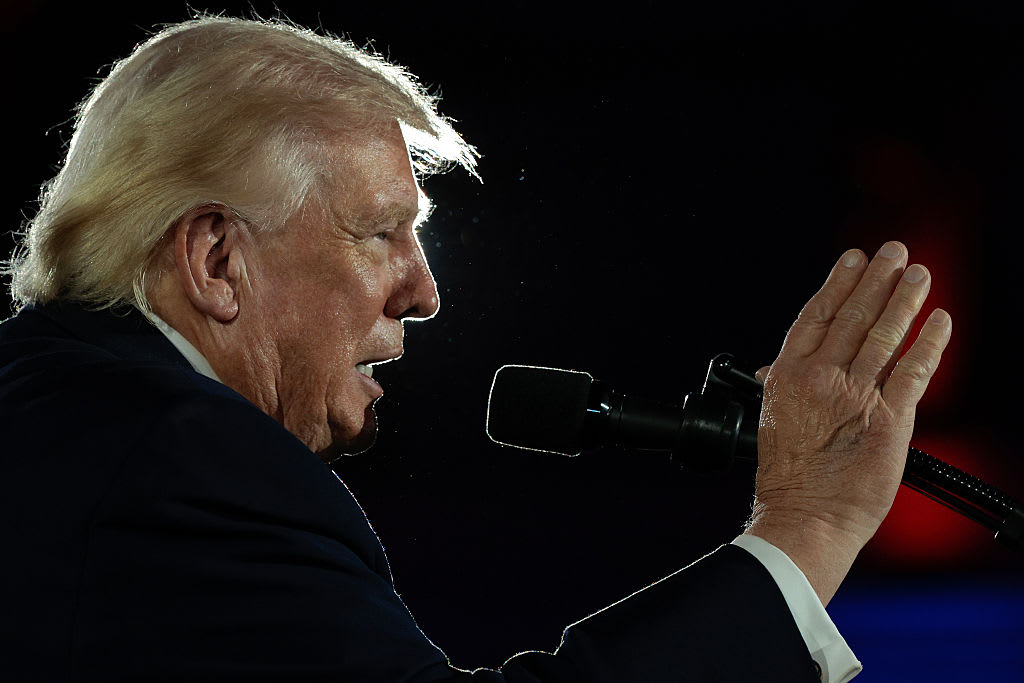
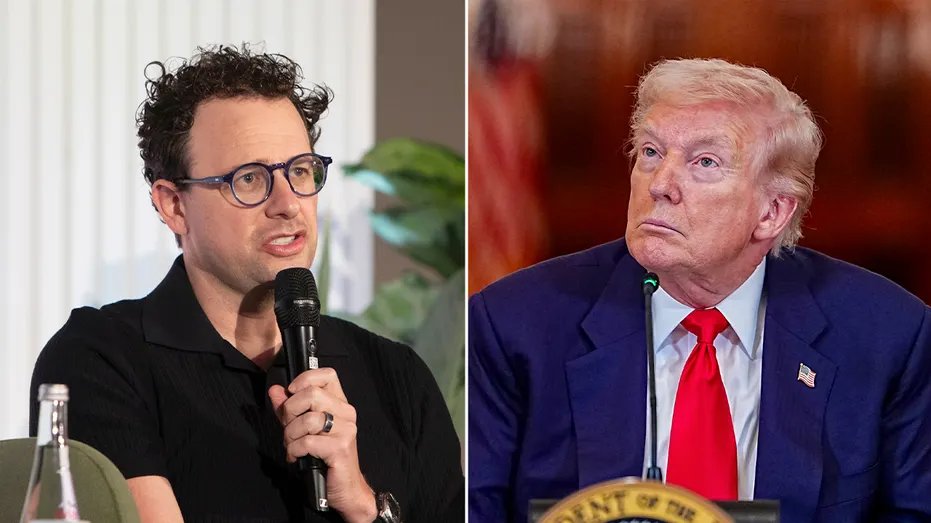
The House has already approved the measure. It will now head to President Donald Trump, who is expected to sign it. The project still faces obstacles, such as expected legal battles. It must also secure federal leases and state permits.






The sources also report that during the CRA's first 20 years of existence, it was used only once by the second Bush administration. In 2017, the Trump administration invalidated 17 rules from the Obama era. In 2025 alone, Trump signed 22 CRA repeals.