






Court Ruling Undermines Democratic Gains in Virginia
The Virginia Supreme Court recently nullified the results of a special election held on April 21, where 1.6 million Virginians supported a redistricting plan aimed at enhancing Democratic representation. In a 4-3 decision, the court ruled that the legislature improperly placed the amendment on the ballot, undermining Democrats' hopes of gaining four additional House seats. This ruling marks a significant blow to Democratic strategies ahead of the upcoming midterm elections.
Republicans Move Quickly to Redraw Maps
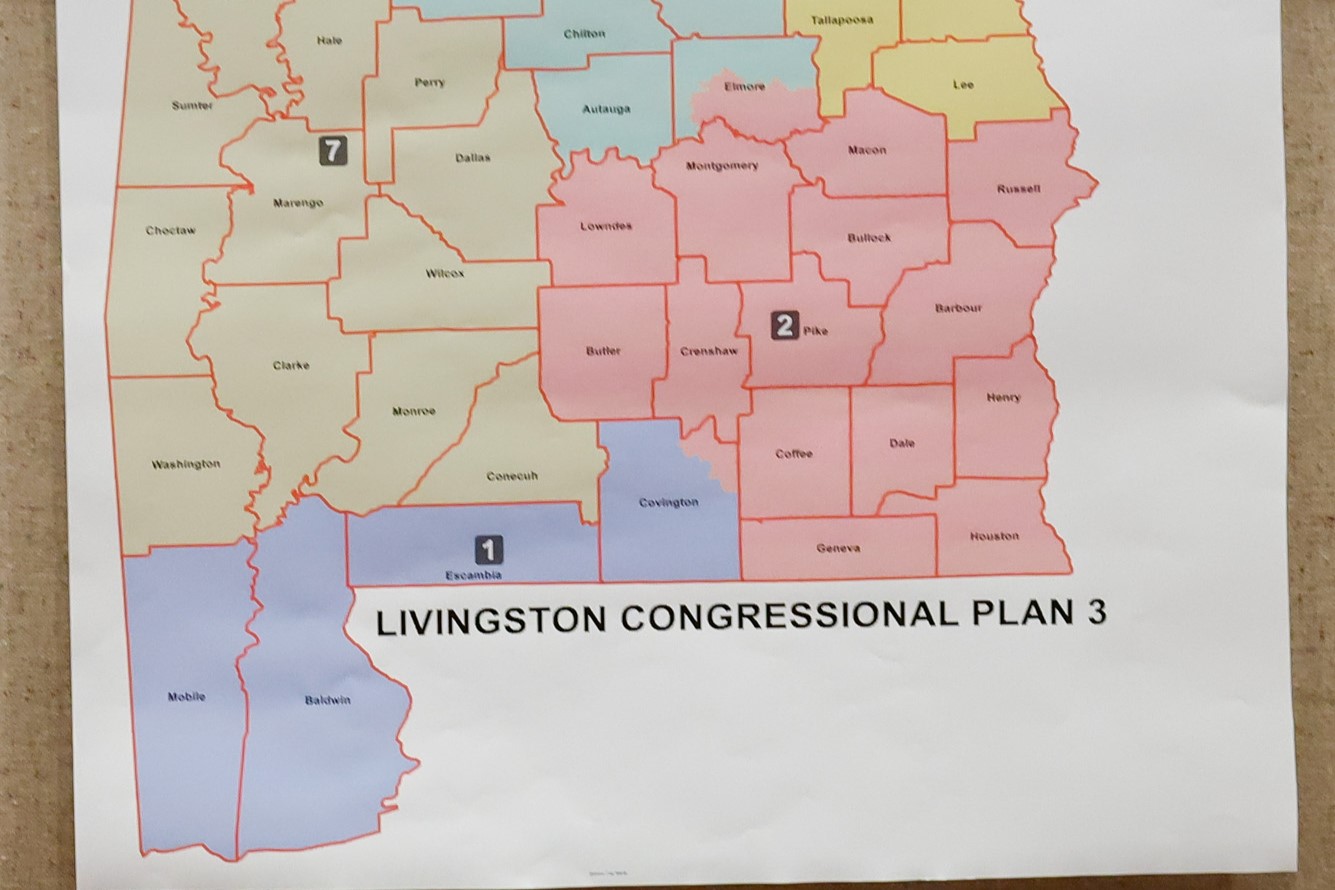
In response to a U.S. Supreme Court ruling that weakened voting rights protections for minority communities, Republicans in several Southern states, including Alabama and Tennessee, swiftly initiated redistricting efforts. This rapid action comes after the April 29 ruling in the case of Louisiana v. Callais, which has reshaped the political landscape for the upcoming elections. Tennessee Republicans have already fast-tracked a map intended to dismantle the state’s only Democratic-held seat, while Alabama Republicans have approved a redistricting plan pending court approval.
Broader Implications of Redistricting
The implications of these redistricting efforts extend beyond Virginia. Prior to the recent court decision, Republicans were already leading in redistricting initiatives, gaining an estimated three House seats. However, following the loss in Virginia, this advantage could expand to around ten seats. The current House composition stands at 217 Republicans to 212 Democrats, and the stakes are high for both parties as they prepare for the midterms.
Democrats Push Back Against Redistricting
Democratic leaders are expressing outrage over the Virginia Supreme Court's decision. Former Vice President Kamala Harris stated that Democrats are justified in their anger, calling the ruling an affront to the will of the people. House Minority Leader Hakeem Jeffries remains optimistic, asserting that Democrats can still reclaim control of the House despite this setback. Meanwhile, Virginia House of Delegates Speaker Don Scott and other Democrats have filed a joint motion asking the state Supreme Court to stay the ruling, signaling plans to escalate the issue to the U.S. Supreme Court.
Civil Rights Concerns Emerge
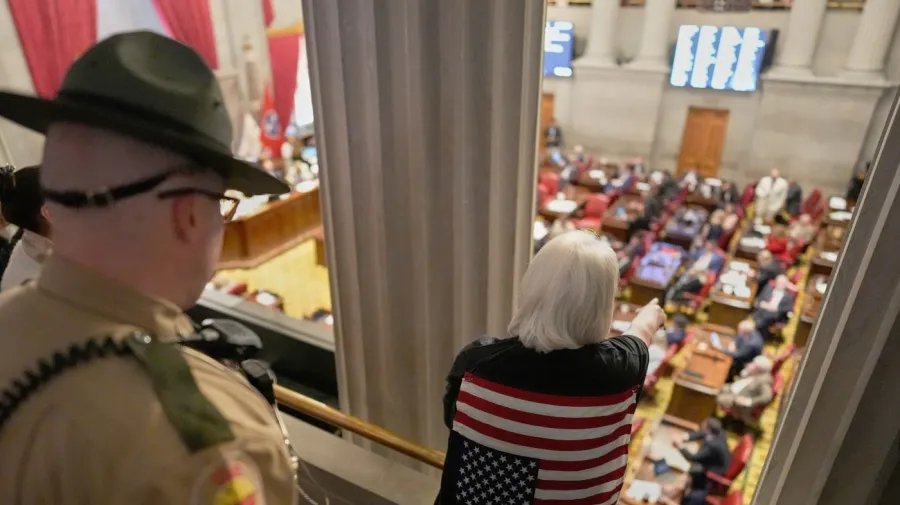
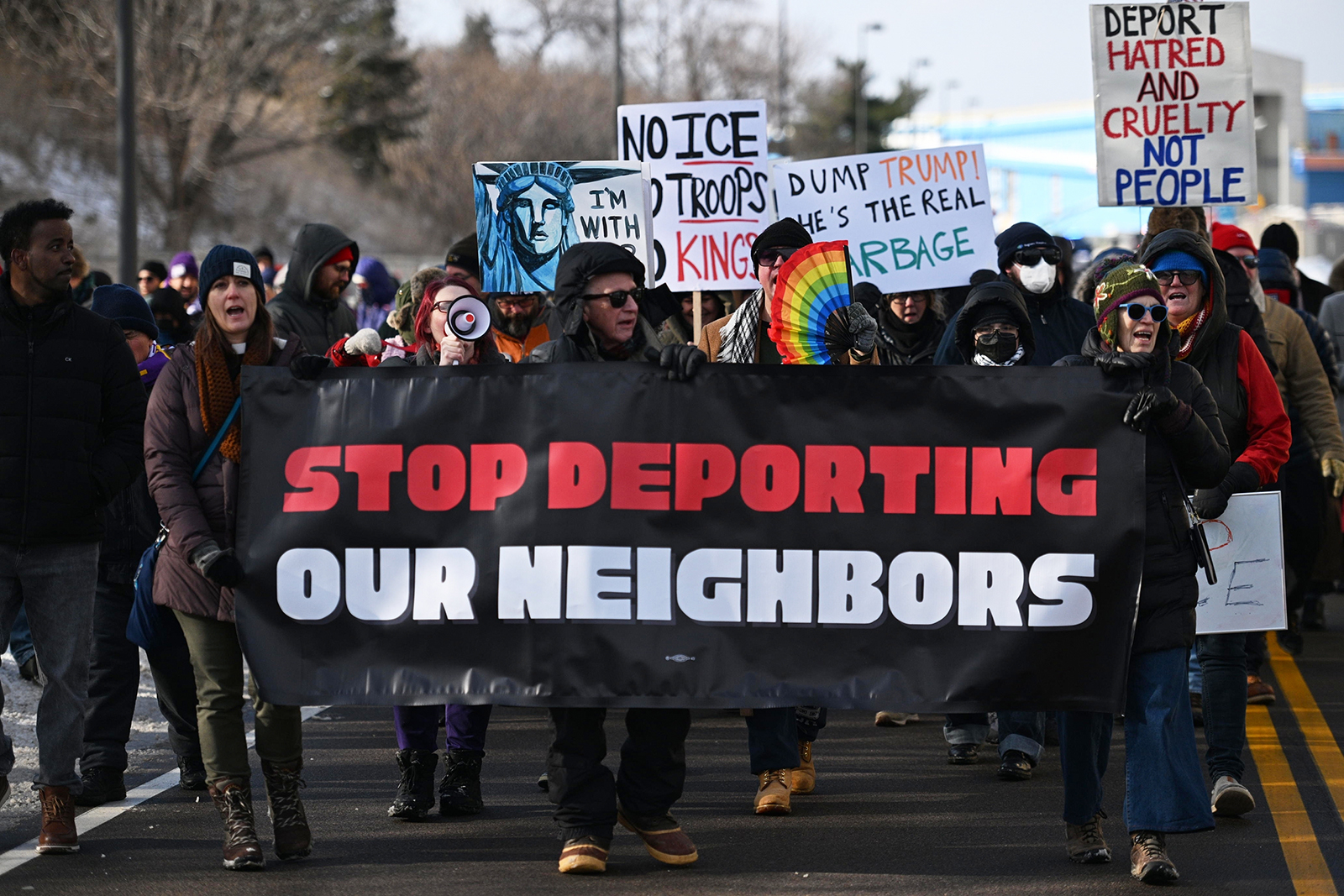
Civil rights activists are raising alarms about the potential disenfranchisement of Black voters as redistricting maps are drawn to favor Republican candidates. Protests have erupted in state capitals like Montgomery, Alabama, and Nashville, Tennessee, where demonstrators argue that these new maps echo a troubling history of voter suppression in the South. Voting rights groups are preparing to file lawsuits to challenge the redistricting efforts, aiming to protect the voting power of minority communities.
The National Redistricting Landscape
This wave of redistricting is not confined to Virginia. Other states are also grappling with the implications of the recent Supreme Court rulings. Republicans in states like South Carolina have begun the process of redrawing congressional maps, while Democrats in Maryland are under pressure to respond with their own redistricting efforts. With the midterms approaching, both parties are acutely aware that control of the House could hinge on the outcomes of these redistricting battles.
Next Steps for Voters and Politicians
As redistricting efforts unfold across the South, voters must stay informed about how these changes could impact their representation. The ongoing legal battles and political maneuvering will shape the electoral landscape, making it essential for constituents to engage with their local representatives and advocate for fair representation. With the stakes so high, the coming months will be critical for both parties as they navigate the complex aftermath of the Supreme Court's decisions.

































The sources also report that prior to the court decision, Republicans had gained about 13 House seats, while Democrats had picked up around 10.