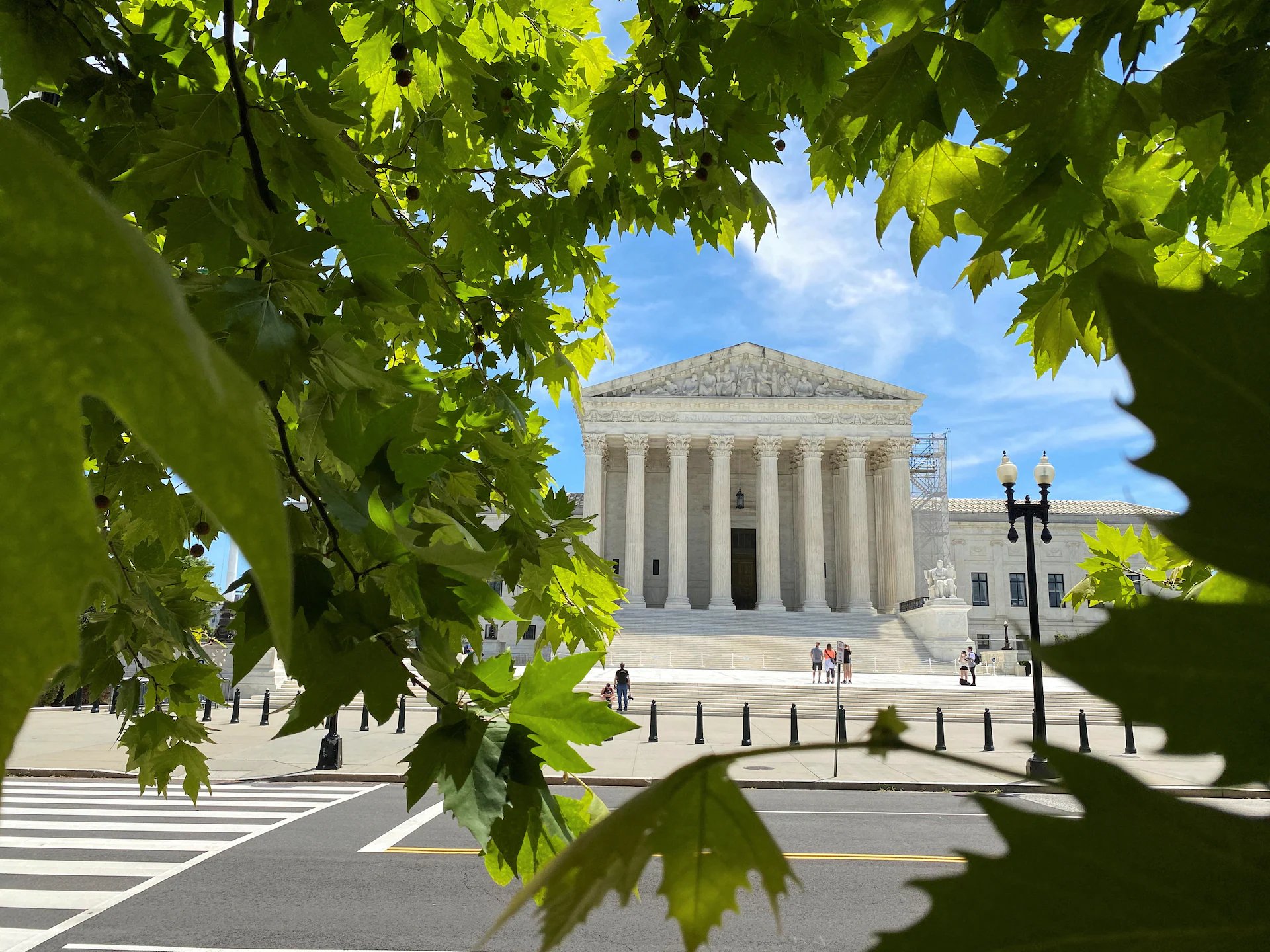
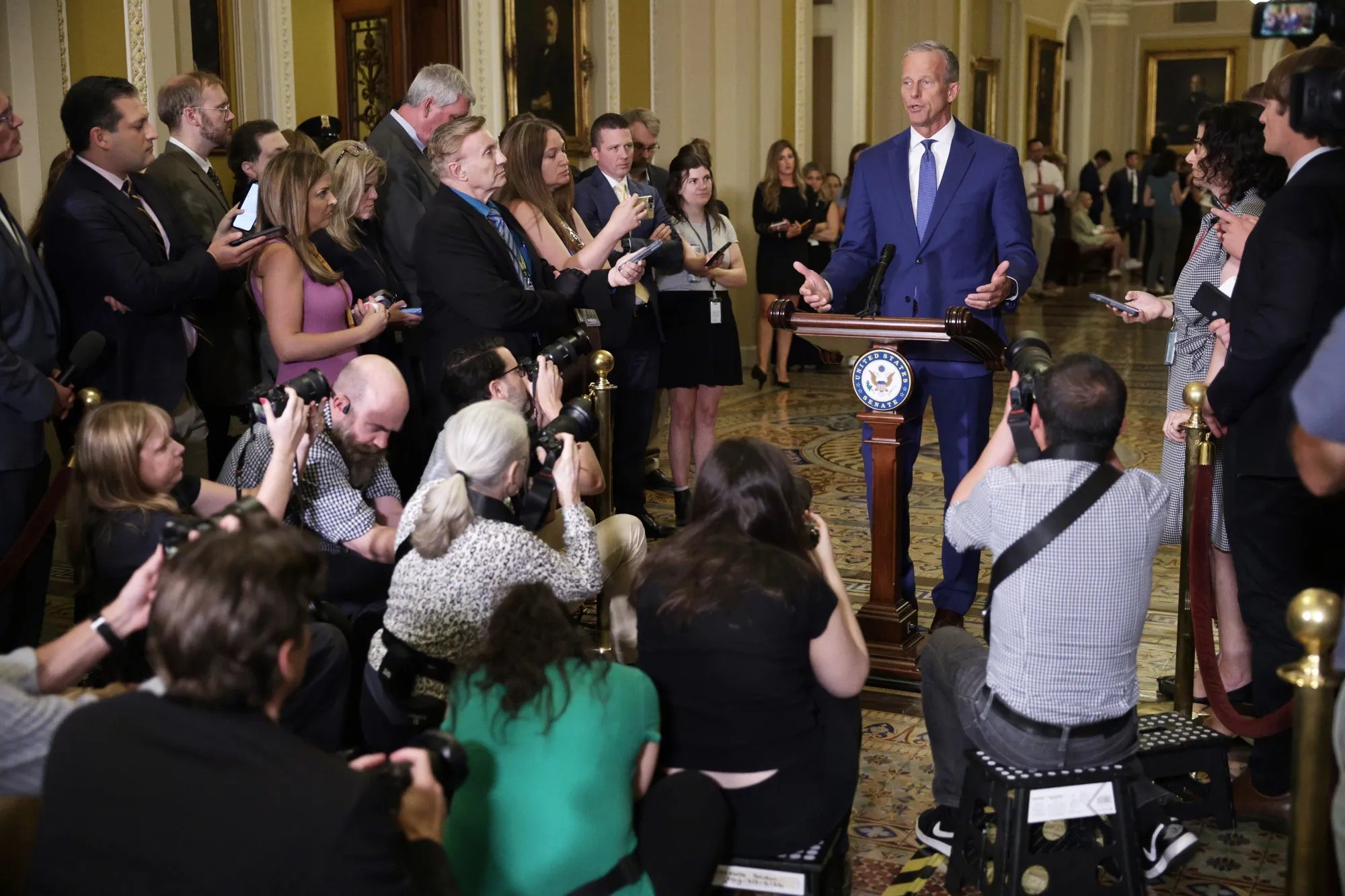
The U.S. Supreme Court formally reinstated a pro-Republican voting map in Texas, a decision that could reshape the political landscape by potentially flipping five House seats in favor of the Republican Party. This ruling, delivered on Monday, reverses a lower court's decision that had previously blocked the map, which critics argue dilutes minority voting power.
The reinstatement of the Texas voting map is expected to have significant implications for upcoming elections, particularly the 2026 midterms. Analysts predict that the map could bolster Republican chances in districts where Democrats previously held a competitive edge.
Political leaders have voiced strong reactions to the Supreme Court's decision. Texas Governor Greg Abbott praised the ruling, stating it "ensures fair representation for all Texans." In contrast, Democratic leaders, including Texas State Senator Royce West, criticized the map as a "backward step" that undermines the voting rights of minority communities. West indicated that this ruling could lead to increased voter suppression efforts in the state.
The ruling raises questions about the future of voting rights in Texas and nationwide. Advocacy groups worry that this decision may embolden other states to adopt similar redistricting strategies that prioritize partisan advantage over equitable representation. The League of Women Voters of Texas expressed deep concern, stating that "this ruling sets a dangerous precedent for how voting maps can be manipulated to favor one party over another."
Following the Supreme Court's ruling, advocacy groups are mobilizing to counteract the effects of the new map. Organizations such as the NAACP and the ACLU of Texas plan to launch campaigns aimed at educating voters about their rights and the importance of participating in elections under the new district lines. They emphasize that community engagement will be crucial in ensuring that all voices are heard in the upcoming electoral process.
The reinstatement of the Texas voting map not only alters the immediate electoral landscape but also poses broader questions about representation and democracy in the United States. As the political environment evolves, the implications of this ruling will resonate far beyond Texas, shaping the future of voting rights nationwide.
The U.S. Supreme Court formally reinstated a pro-Republican voting map in Texas, a decision that could reshape the political landscape by potentially flipping five House seats in favor of the Republican Party. This ruling, delivered on Monday, reverses a lower court's decision that had previously blocked the map, which critics argue dilutes minority voting power. Justice Samuel Alito, writing for the majority, emphasized that the map adheres to the Voting Rights Act's requirements, while dissenting justices raised concerns about its implications for fair representation.
The reinstatement of the Texas voting map is expected to have significant implications for upcoming elections, particularly the 2026 midterms. Analysts predict that the map could bolster Republican chances in districts where Democrats previously held a competitive edge. According to a report from the Brennan Center for Justice, the new districts could lead to a 3-5 seat gain for Republicans in Congress, intensifying partisan divides in the House.
Political leaders have voiced strong reactions to the Supreme Court's decision. Texas Governor Greg Abbott praised the ruling, stating it "ensures fair representation for all Texans." In contrast, Democratic leaders, including Texas State Senator Royce West, criticized the map as a "backward step" that undermines the voting rights of minority communities. West indicated that this ruling could lead to increased voter suppression efforts in the state.
The legal battle over the Texas voting map has been contentious, with the case originating from a 2021 redistricting process that many argued was conducted without proper transparency. The lower court had determined that the map violated the Voting Rights Act by failing to adequately represent Texas' diverse population. The Supreme Court's decision to reinstate the map underscores the ongoing legal challenges surrounding redistricting practices across the country.
The ruling raises questions about the future of voting rights in Texas and nationwide. Advocacy groups worry that this decision may embolden other states to adopt similar redistricting strategies that prioritize partisan advantage over equitable representation. The League of Women Voters of Texas expressed deep concern, stating that "this ruling sets a dangerous precedent for how voting maps can be manipulated to favor one party over another."
Following the Supreme Court's ruling, advocacy groups are mobilizing to counteract the effects of the new map. Organizations such as the NAACP and the ACLU of Texas plan to launch campaigns aimed at educating voters about their rights and the importance of participating in elections under the new district lines. They emphasize that community engagement will be crucial in ensuring that all voices are heard in the upcoming electoral process.
The reinstatement of the Texas voting map not only alters the immediate electoral landscape but also poses broader questions about representation and democracy in the United States. As the political environment evolves, the implications of this ruling will resonate far beyond Texas, shaping the future of voting rights nationwide.
Highlighted text was flagged by the council. Tap to see feedback.