Bailout Talks Intensify with Government Stake
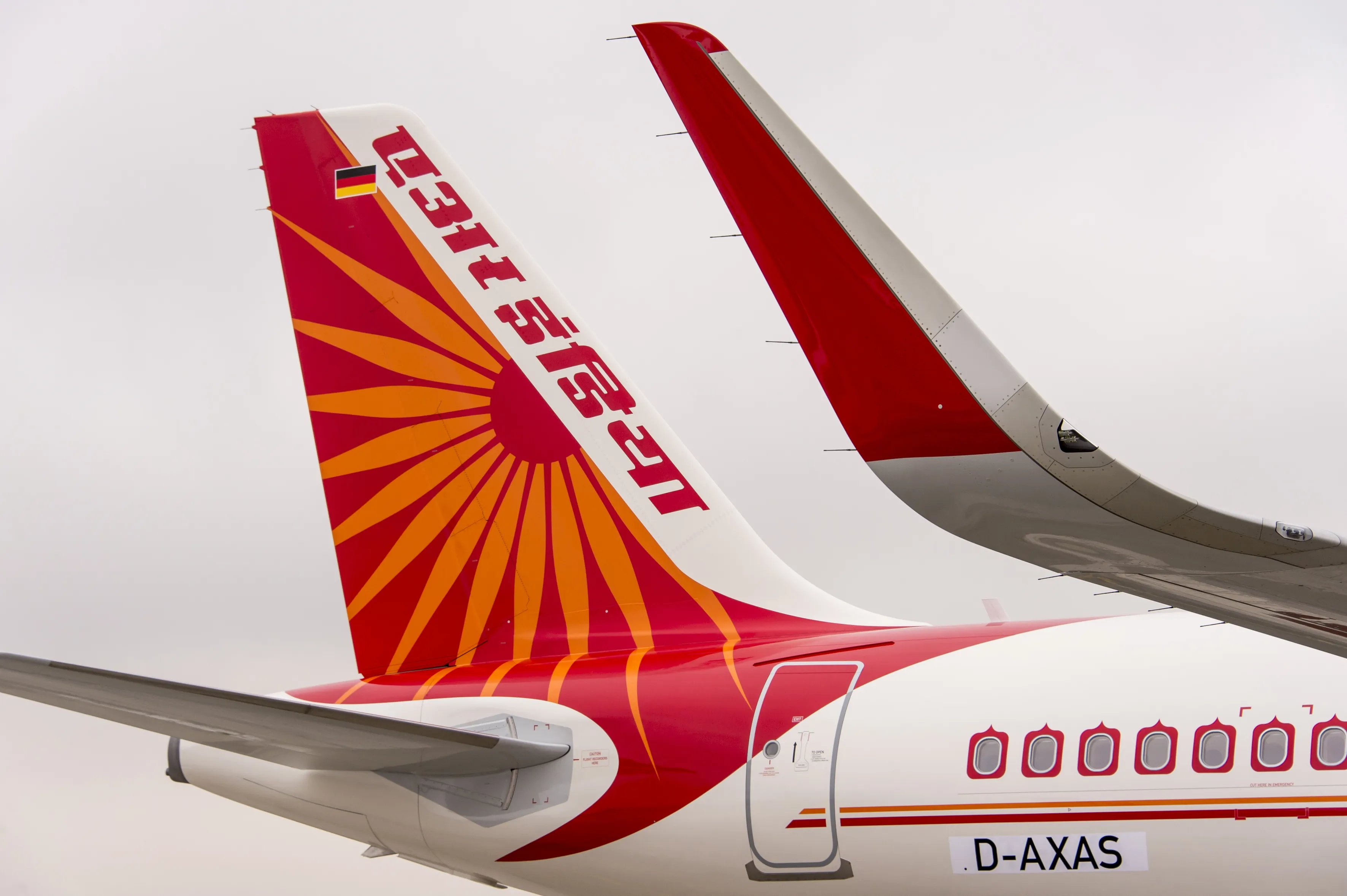
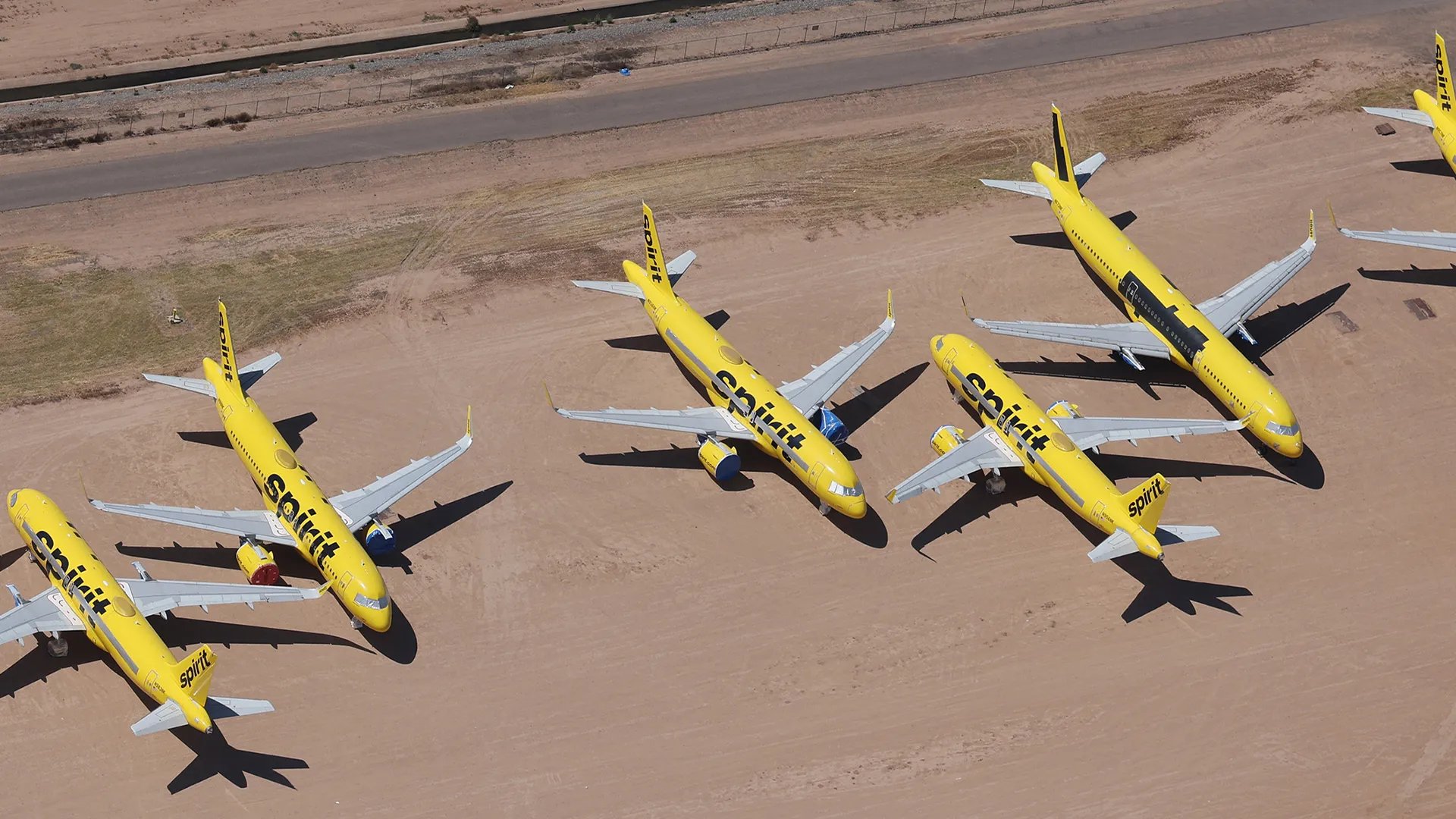
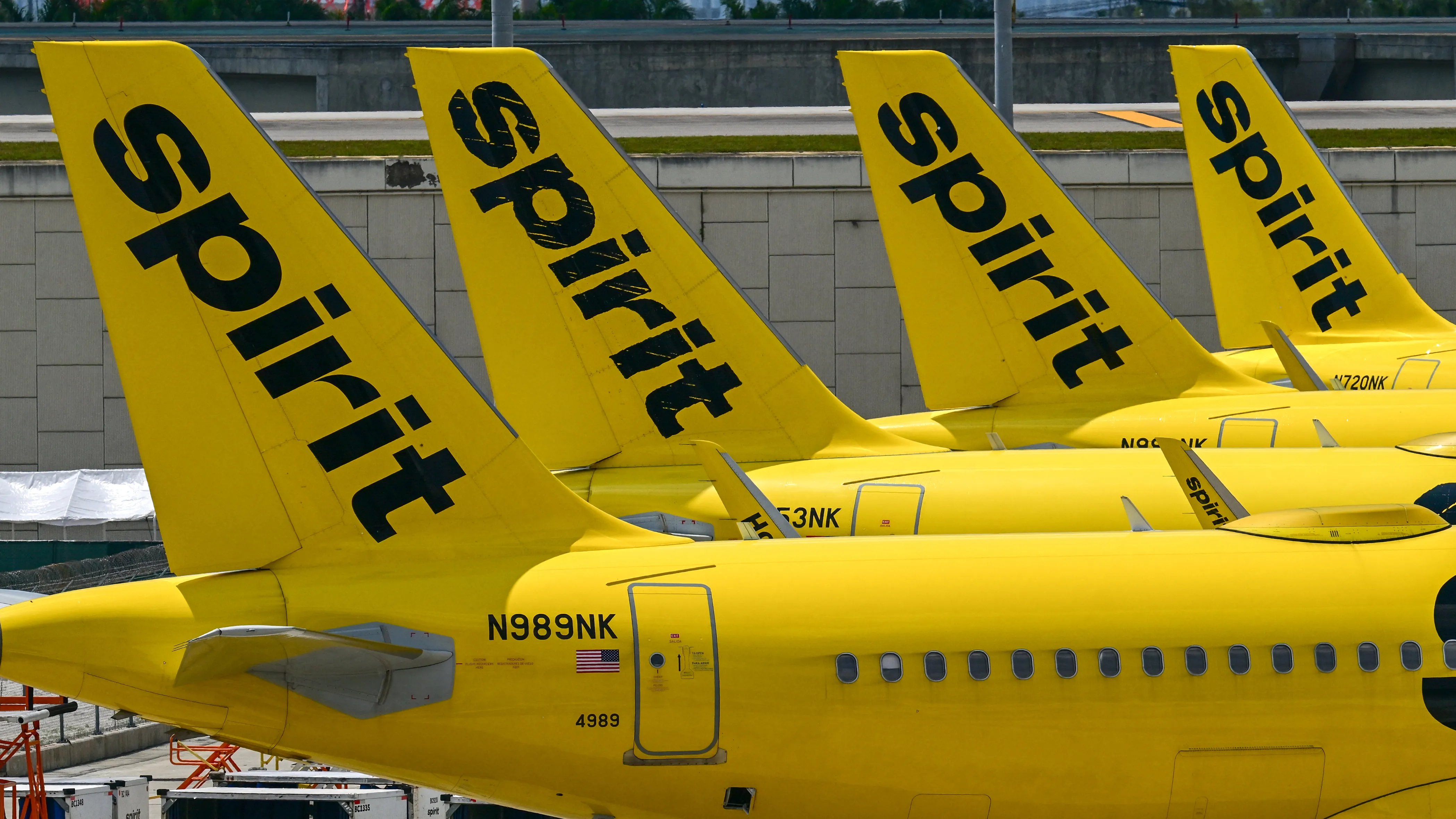
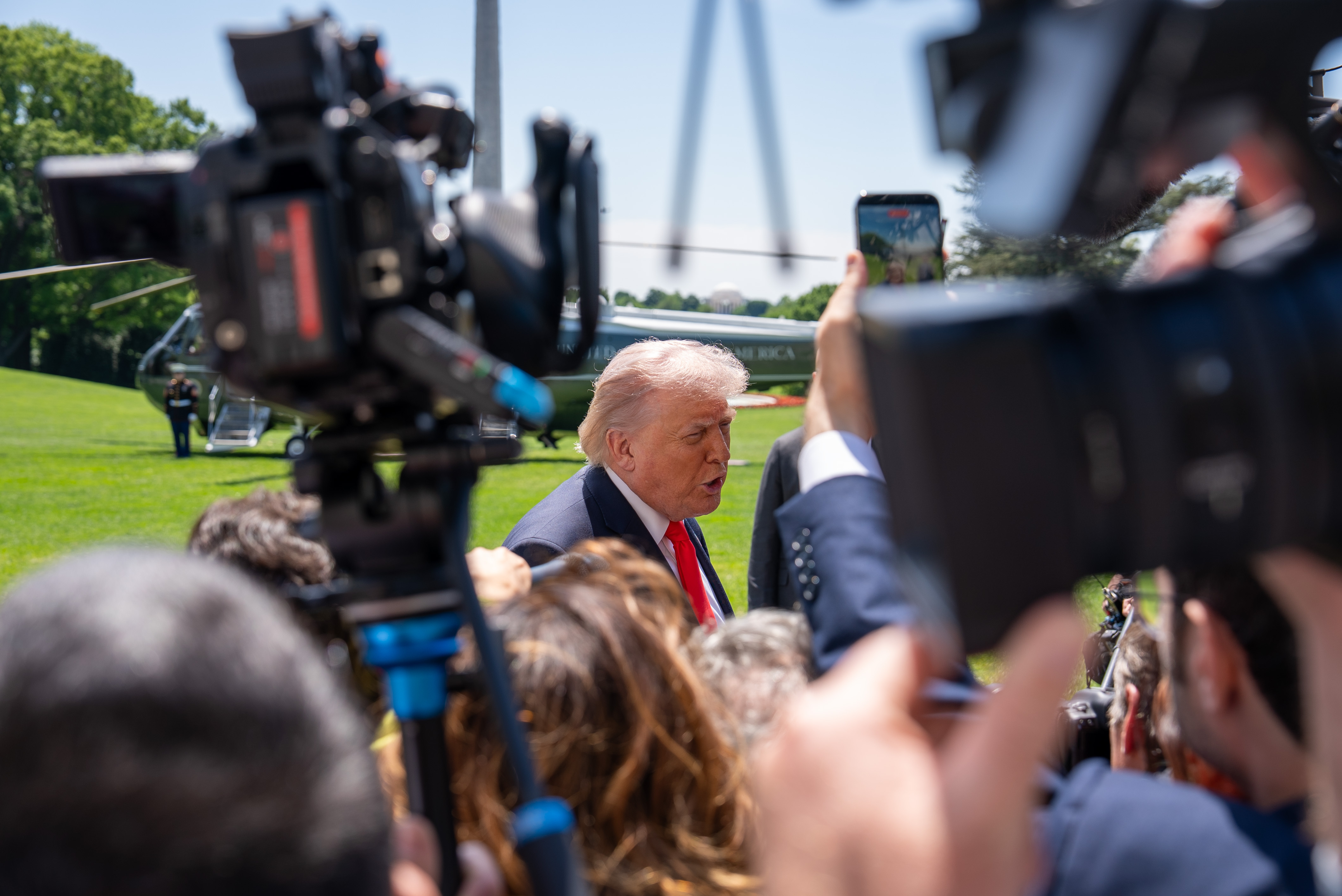
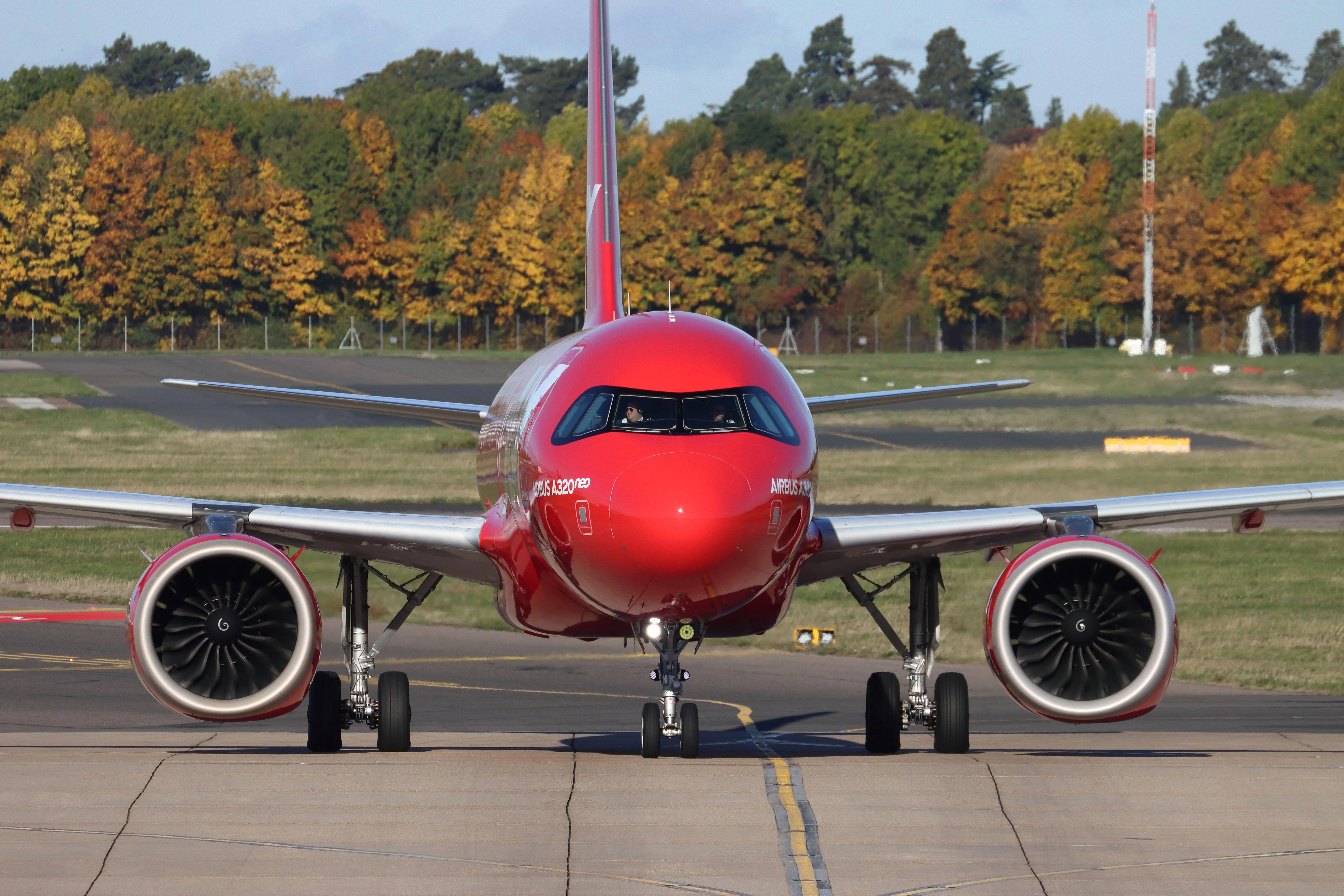
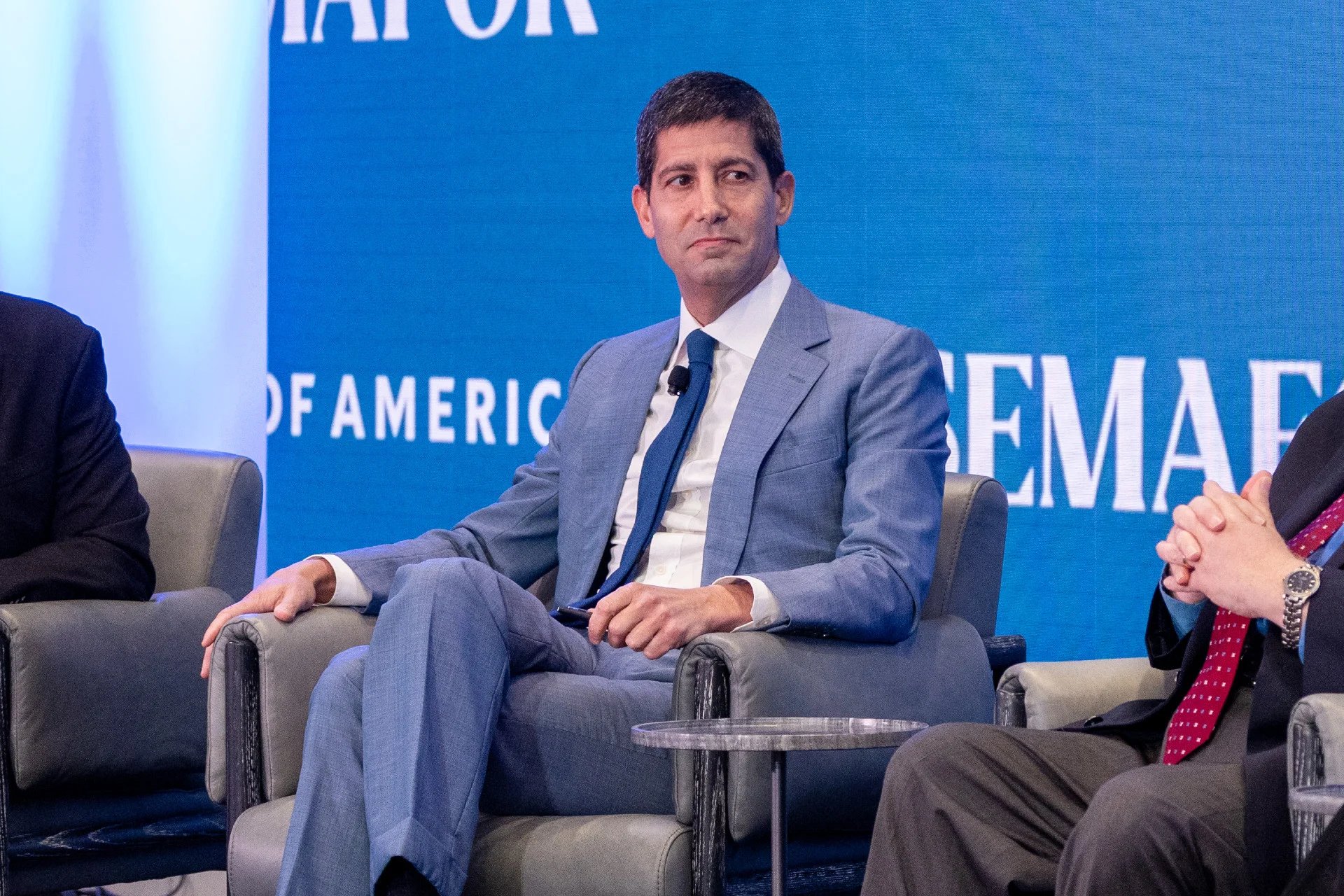
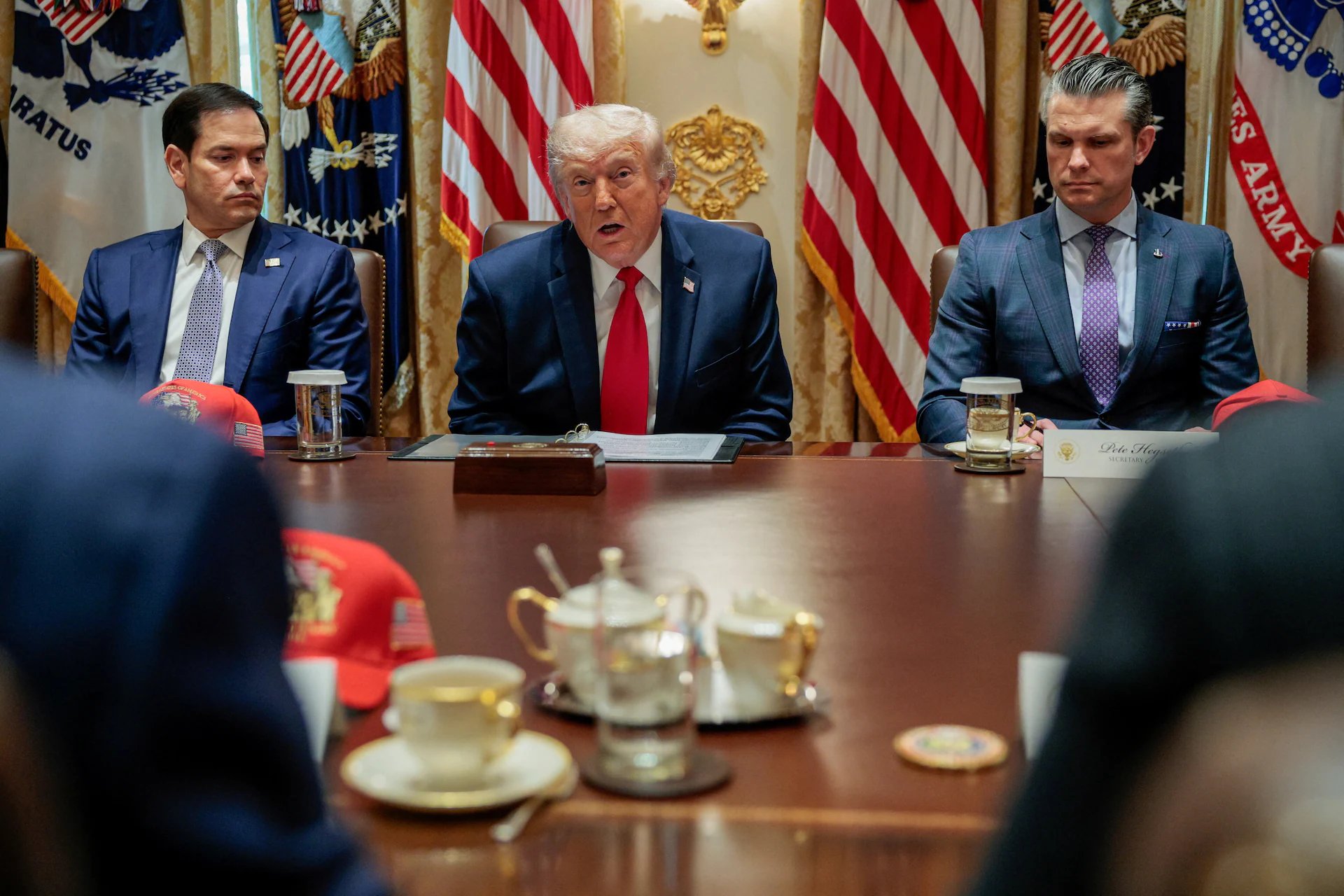
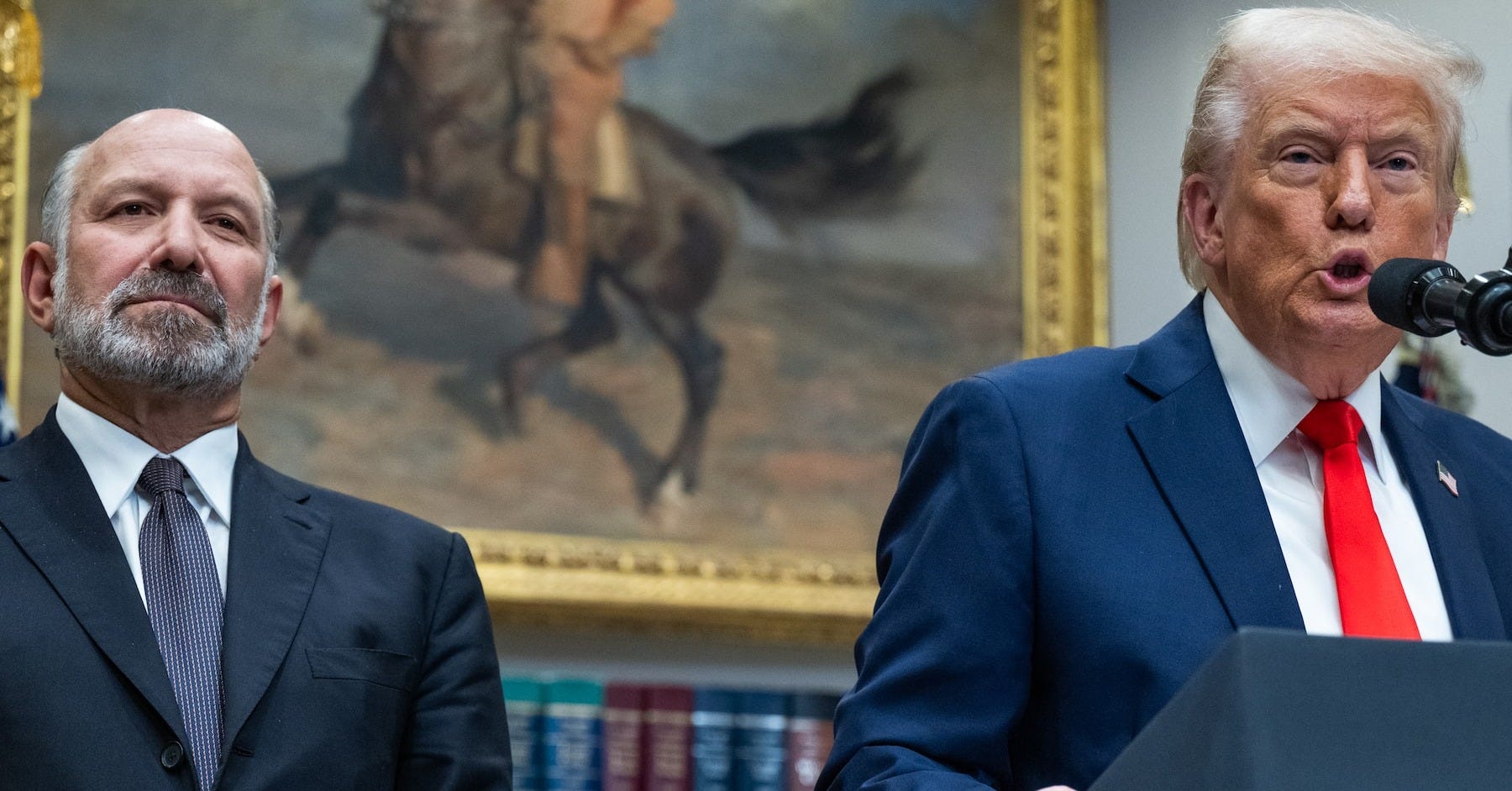
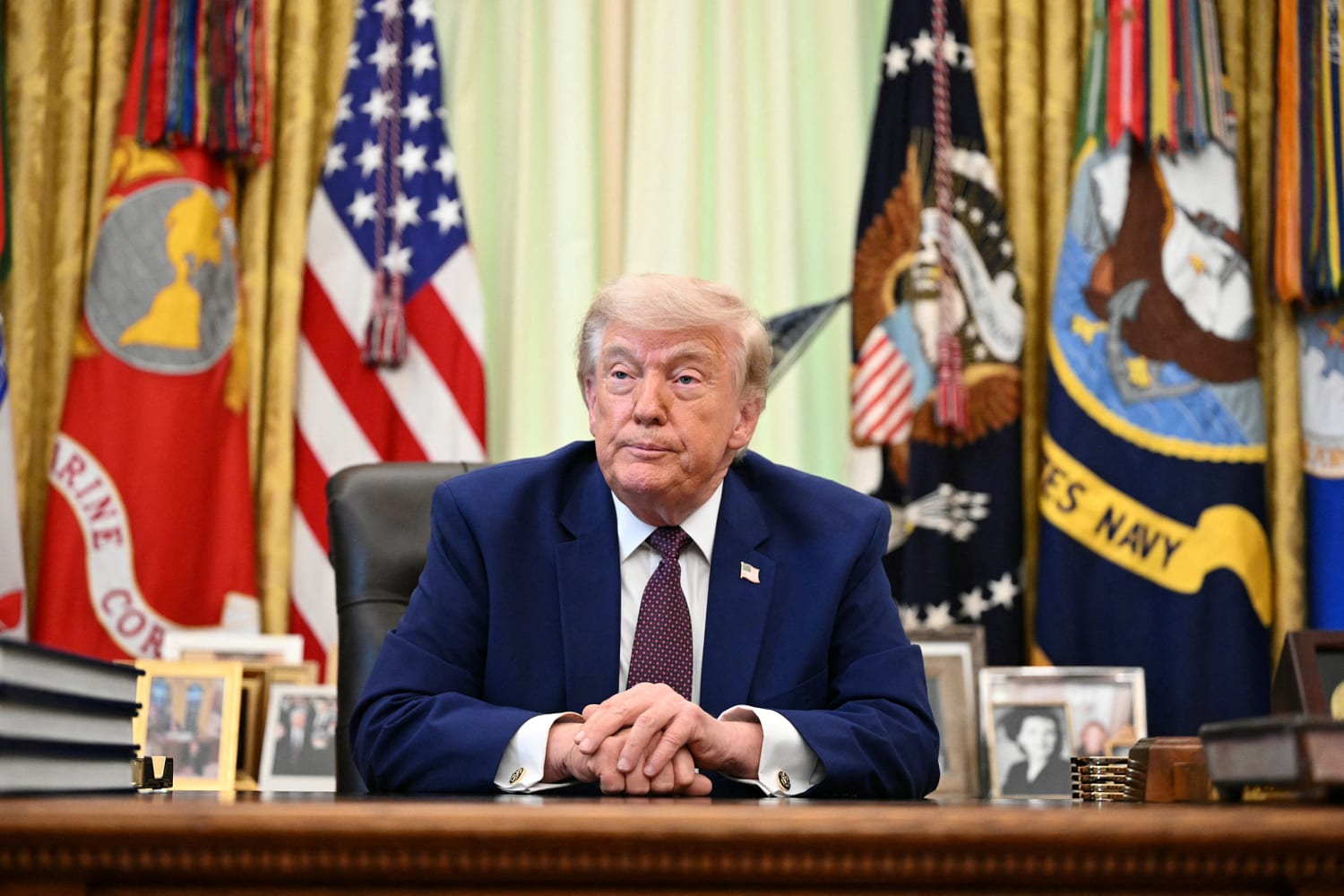
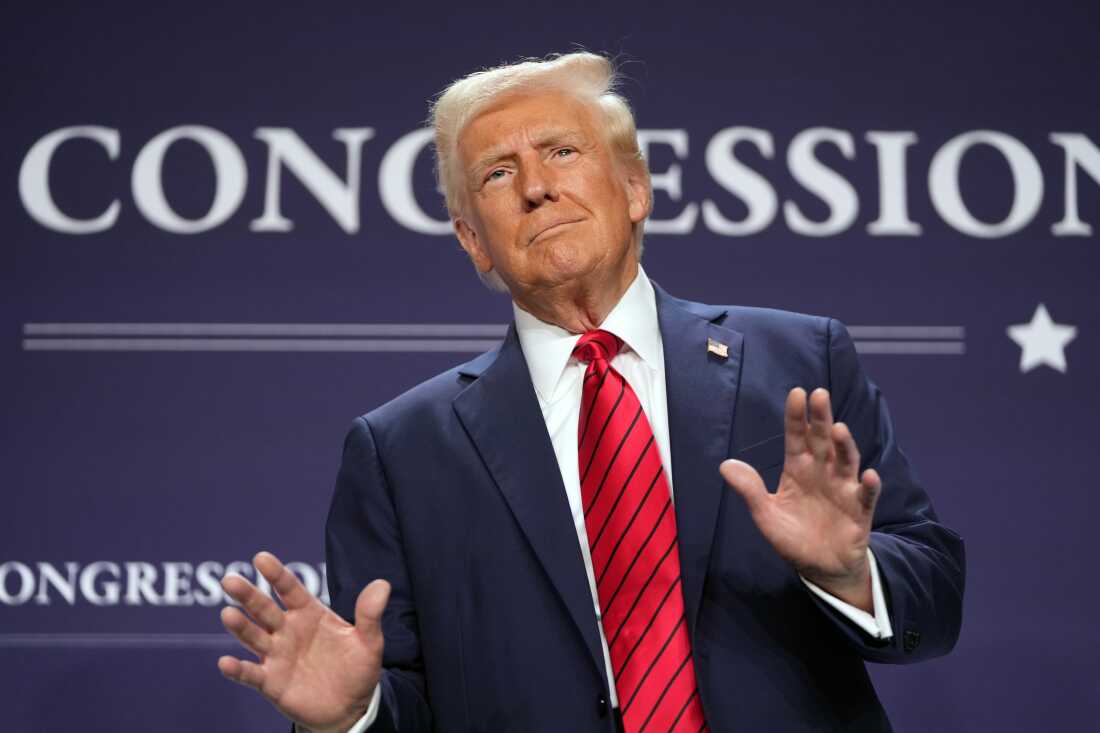
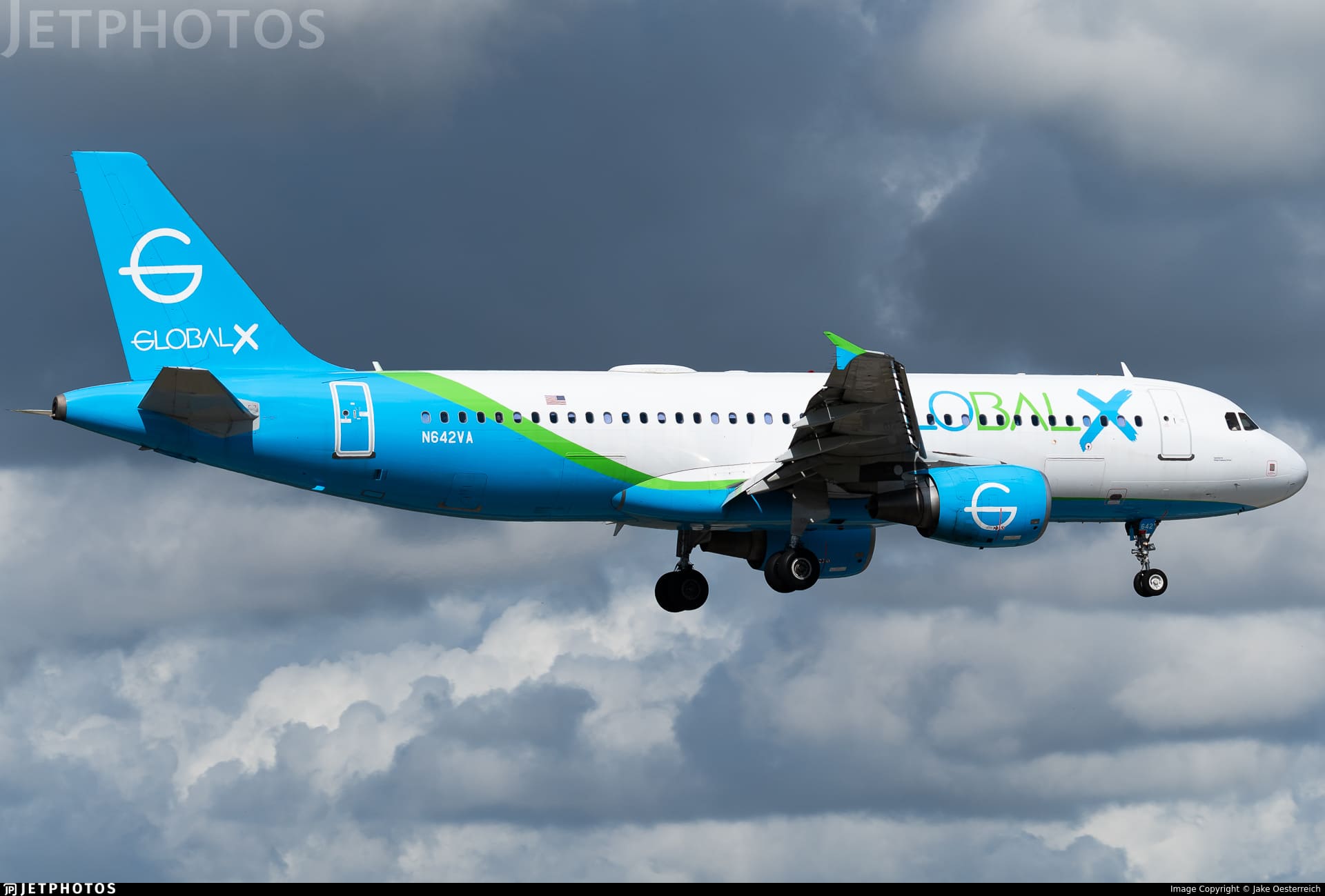
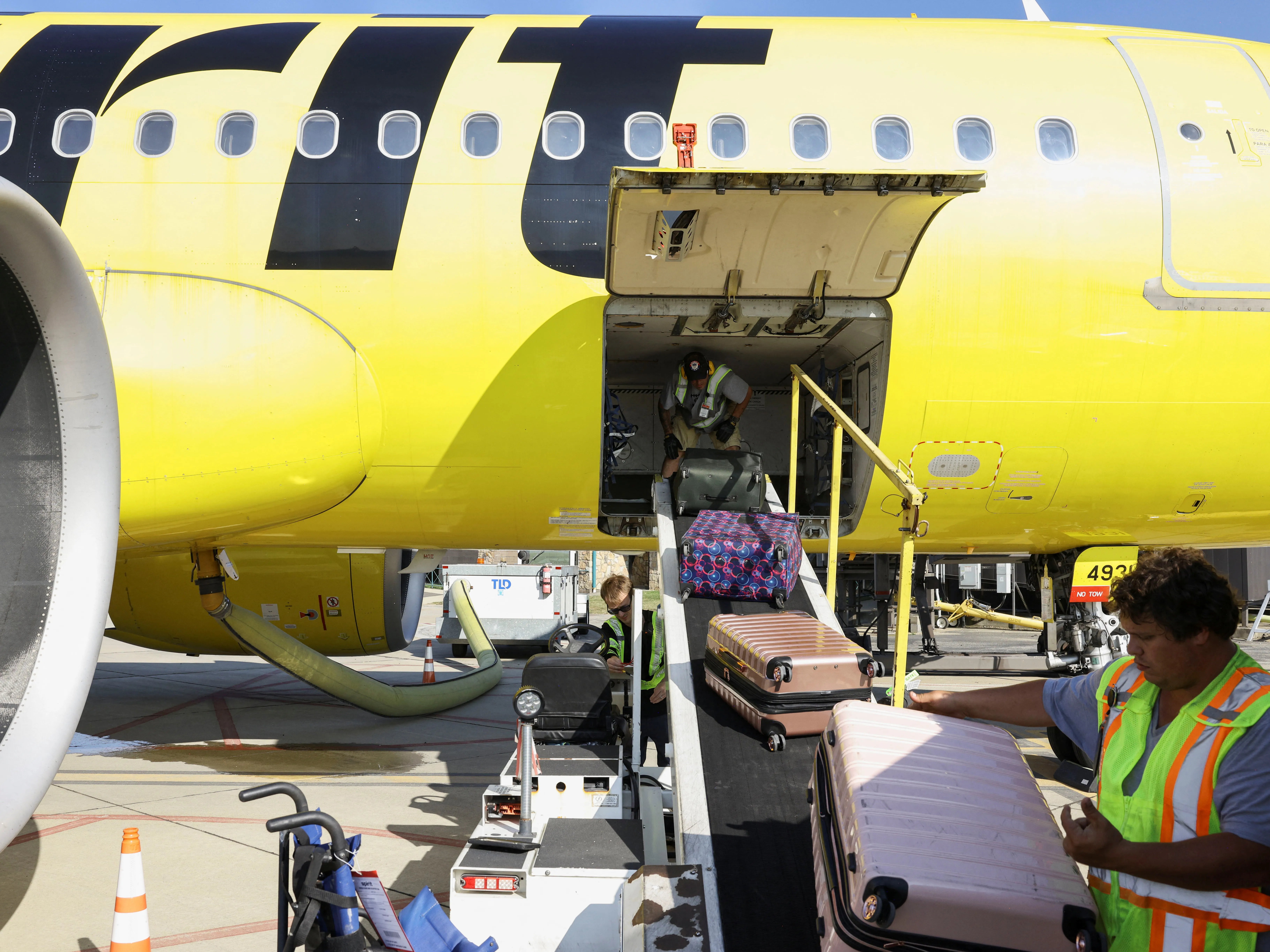
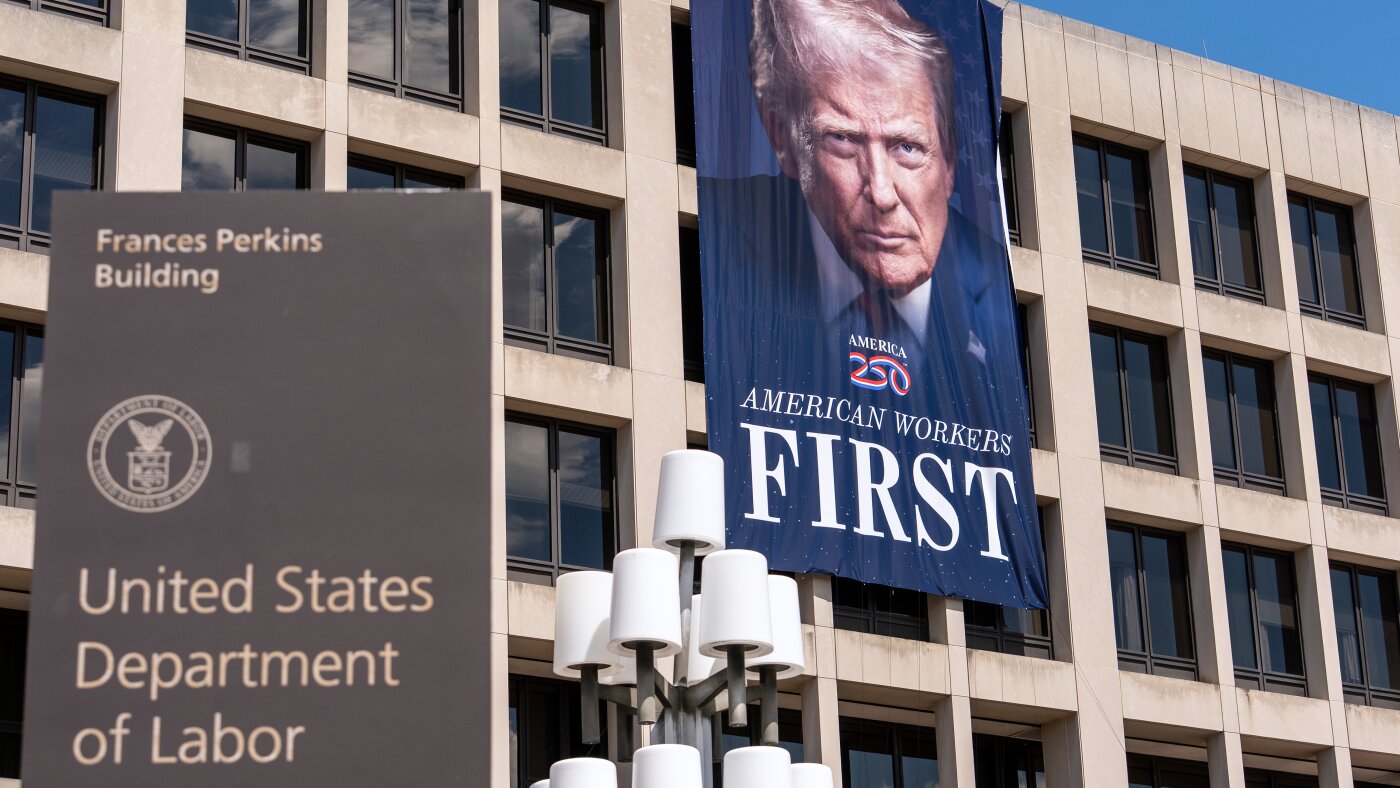
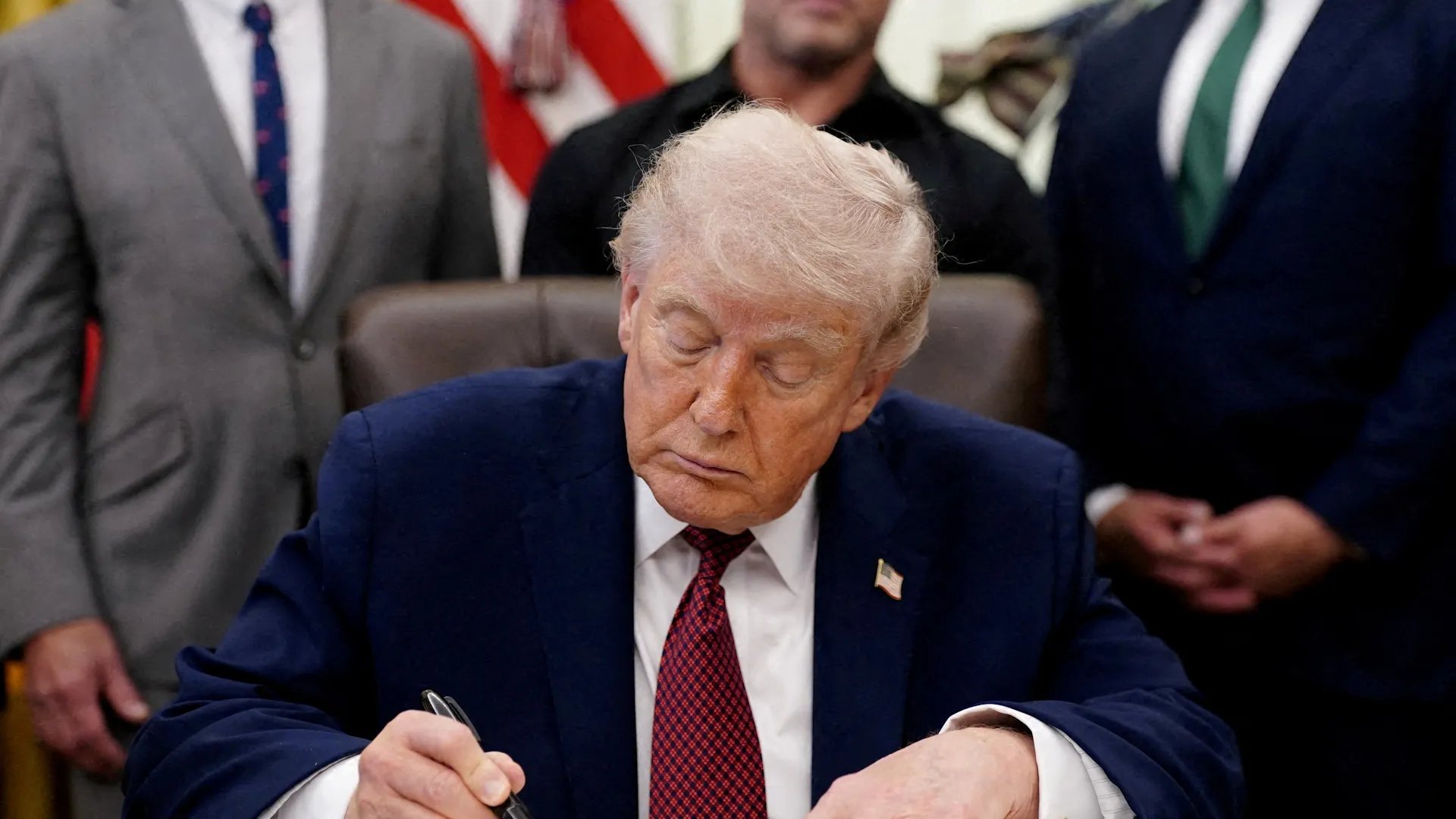
The Trump administration is negotiating a rescue package for Spirit Airlines, including a loan up to $500 million, sources told CBS News. Commerce Secretary Howard Lutnick is pushing for the deal, which would give the federal government warrants for a potential ownership stake. This move could finalize soon, affecting thousands of airline workers by securing their paychecks amid industry turmoil.
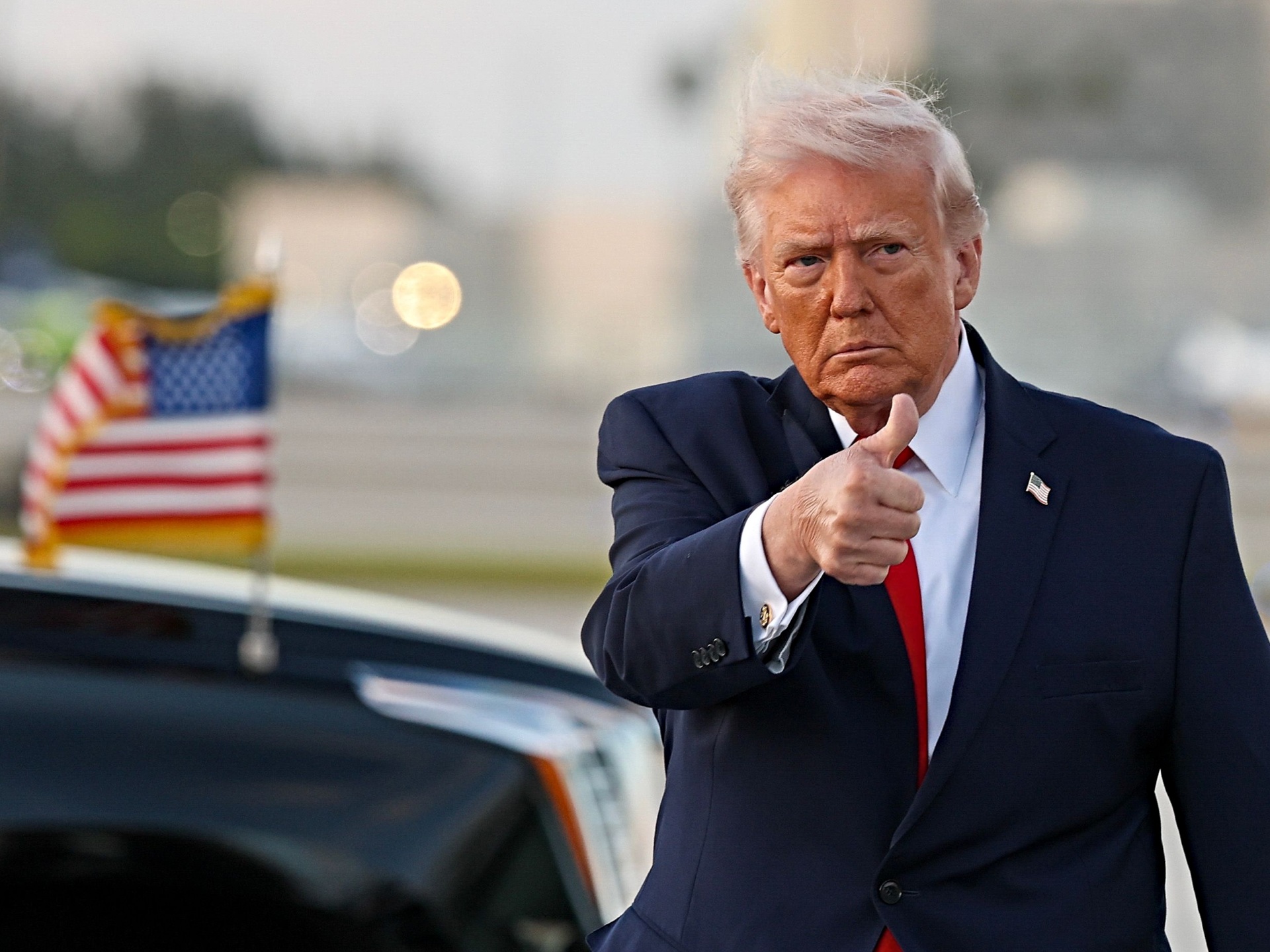
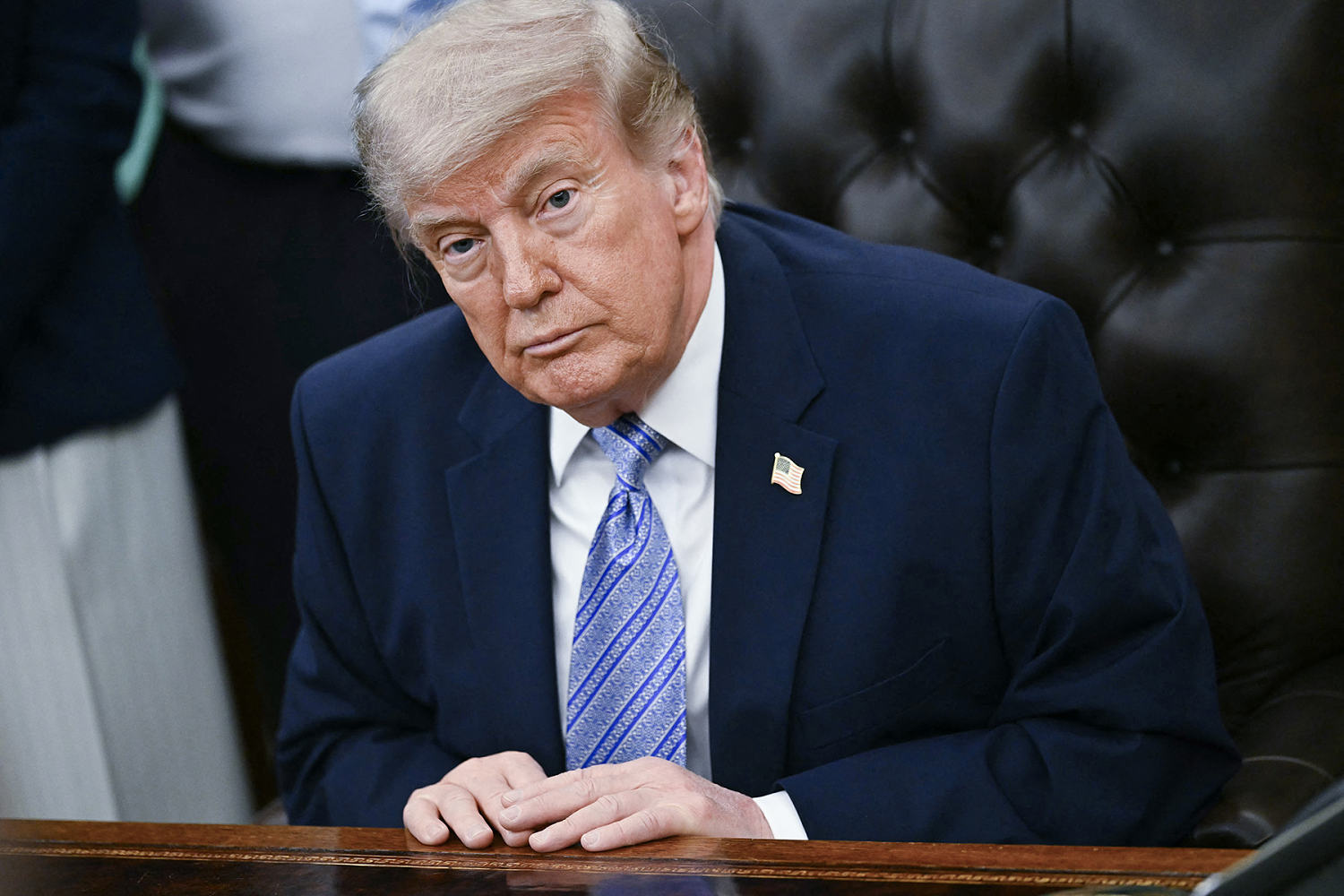
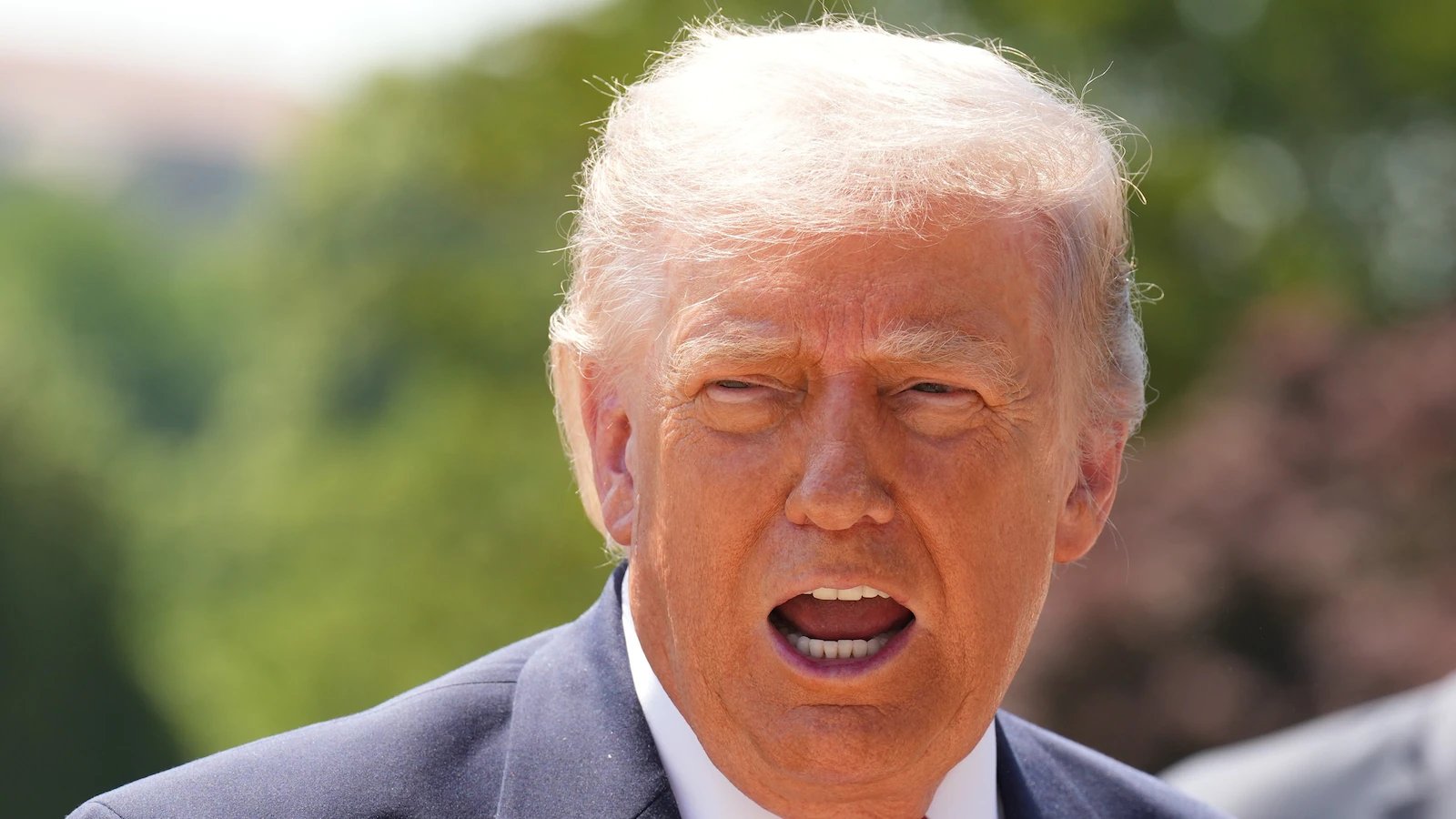
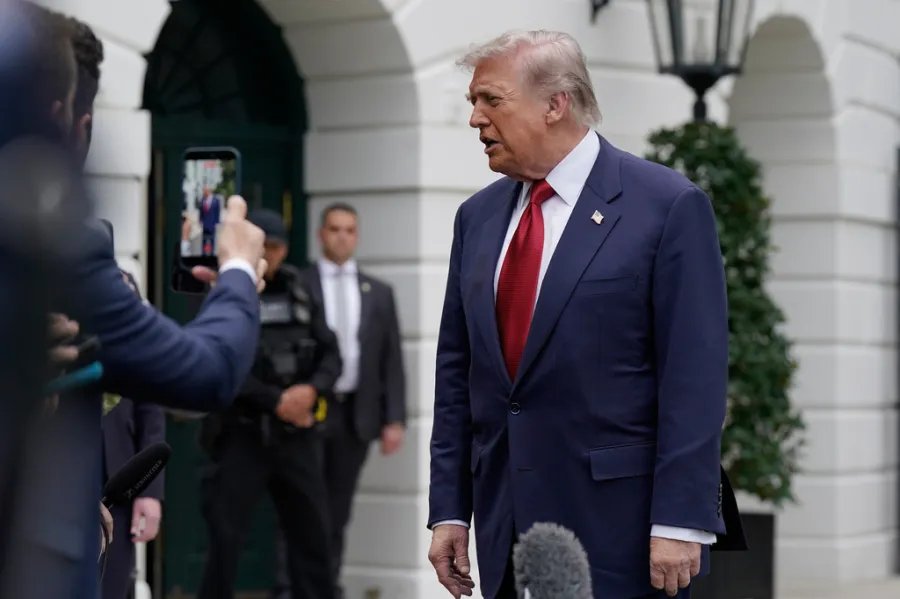
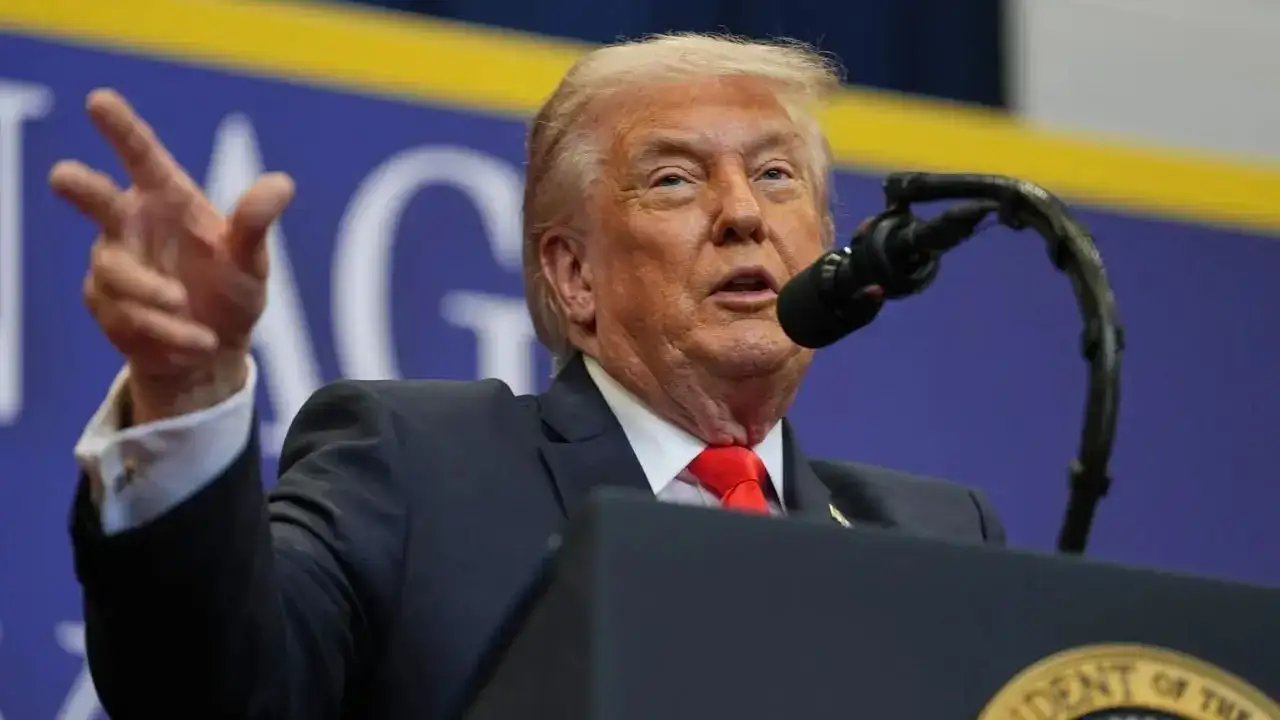
Spirit Airlines employs about 15,000 people, with 6,000 based in Florida, as detailed in CBS News reports. President Trump publicly stated on CNBC that he wants to explore aid for the carrier, citing its 14,000 jobs.
Loan Terms and Spirit's Struggles
The proposed deal offers $500 million in loans, potentially leading to the U.S. government owning up to 90 percent of Spirit after bankruptcy, according to NBC News. Spirit has filed for Chapter 11 bankruptcy twice in under a year, straining its operations due to rising fuel costs from the war with Iran. Spirit announced in March that it expected to emerge from bankruptcy this summer. The proposed loan would provide liquidity during this process.
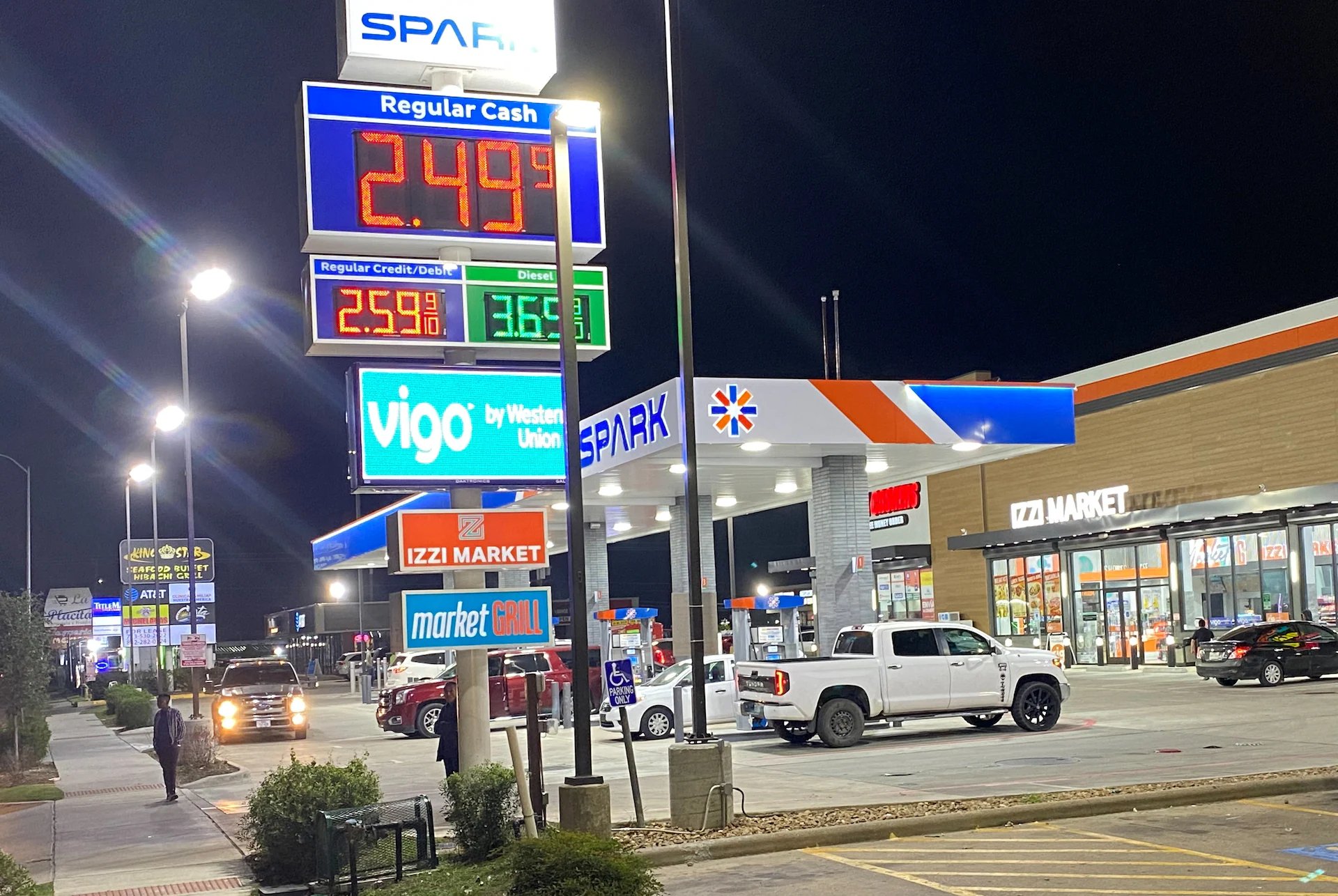
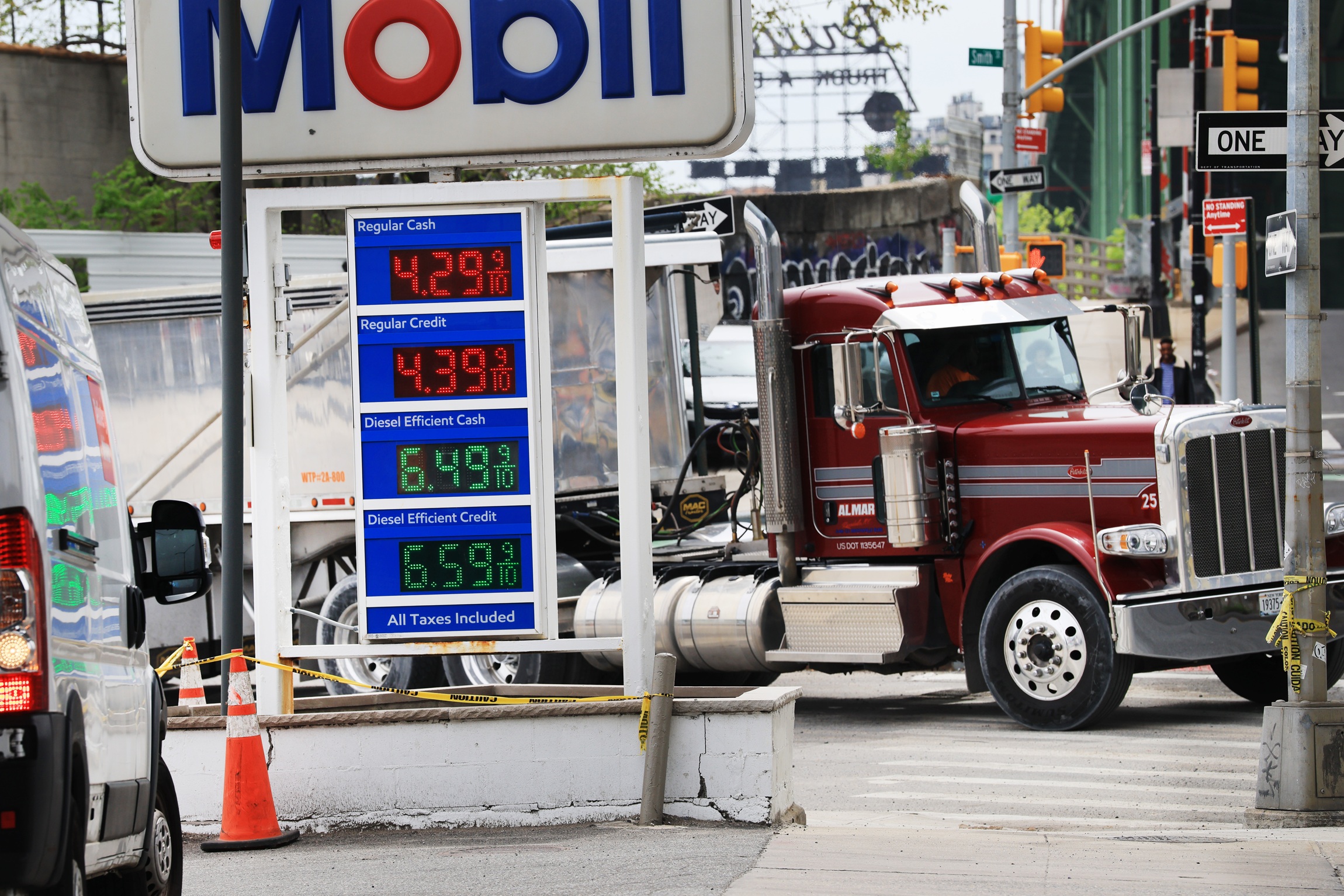
Transportation Secretary Sean Duffy noted that no final decision has occurred, emphasizing the need to assess if aid would salvage the business. Analysts at JPMorgan Chase warned that ongoing fuel prices around $4.60 could add $360 million in expenses for Spirit, exceeding its $337 million cash reserve at the end of 2025.
Employee Impact and Industry Risks
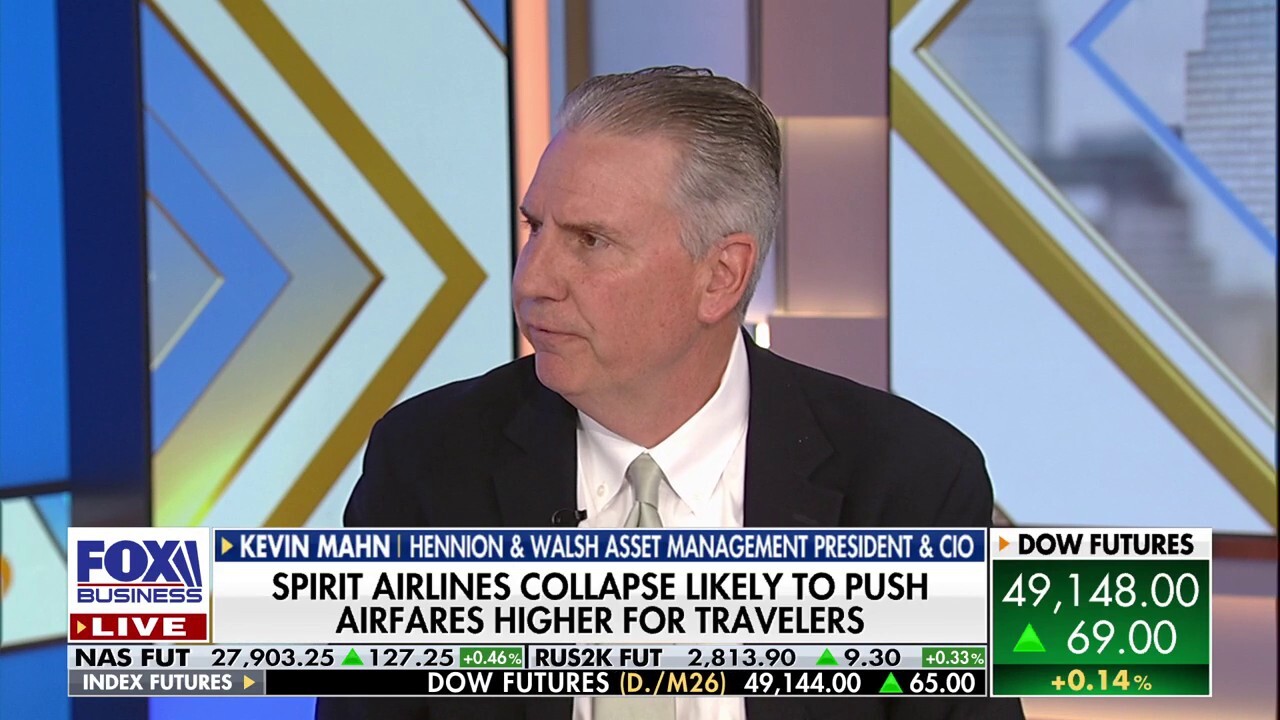
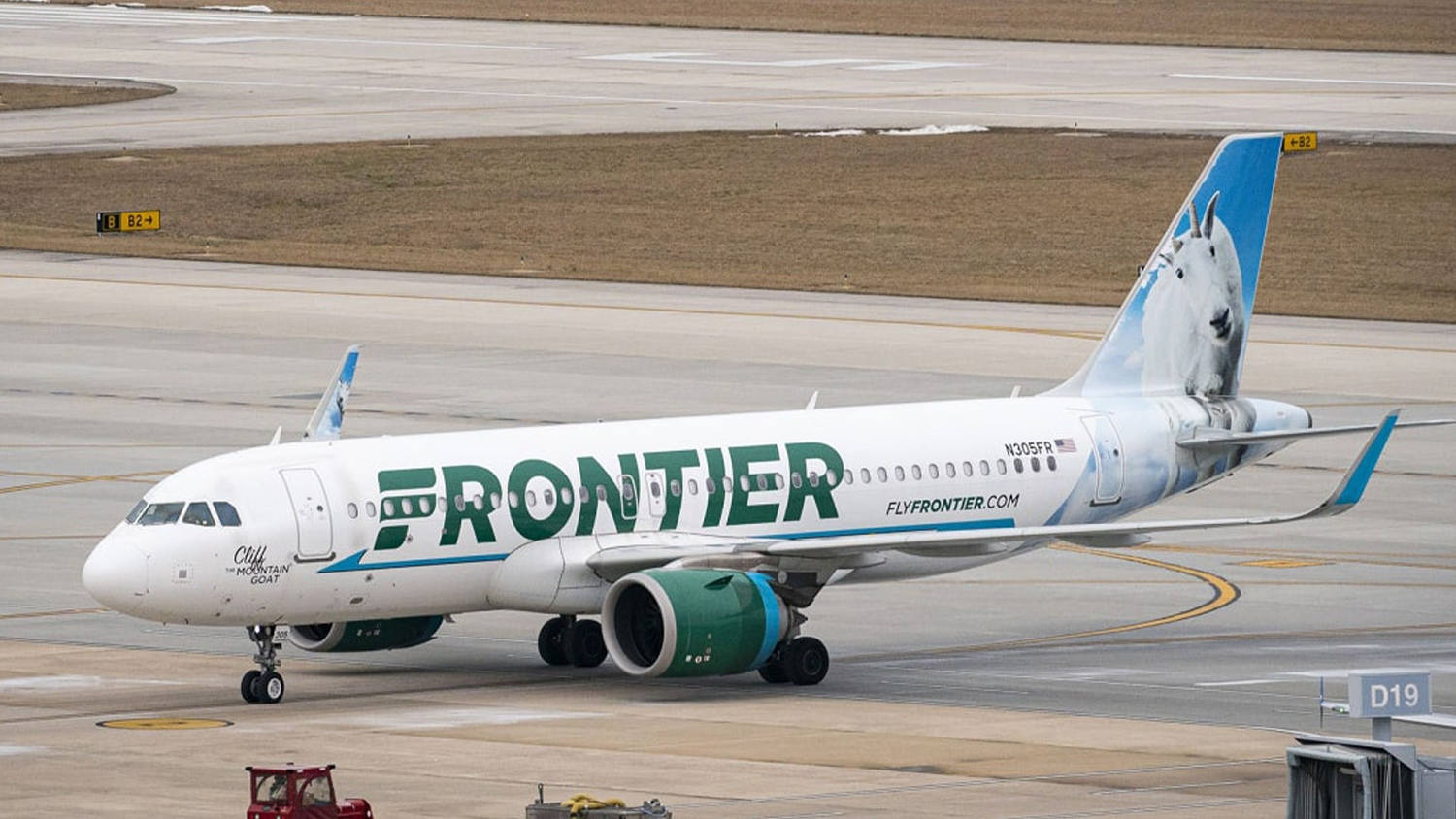
Spirit's potential failure could eliminate 15,000 jobs, disrupting livelihoods in states like Florida where the airline is based. Data from aviation analytics firm Cirium shows that when similar carriers like Frontier exited markets, fares increased by an average of $18 per ticket in 149 routes between 2023 and 2025. Analyst Henry Harteveldt from Atmosphere Research Group stated that budget airlines like Spirit keep fares down, warning that their absence leads to steeper costs for travelers.
When Spirit ended routes from St. Paul to Detroit and Atlanta in December 2025, Delta raised fares on those routes within days, in some cases by as much as 50 percent. In markets Frontier left, like Fort Myers to San Juan, prices jumped $127 per ticket. These changes would hit consumers in the wallet, making everyday flights less affordable for families and businesses.
Doubts from Administration Officials
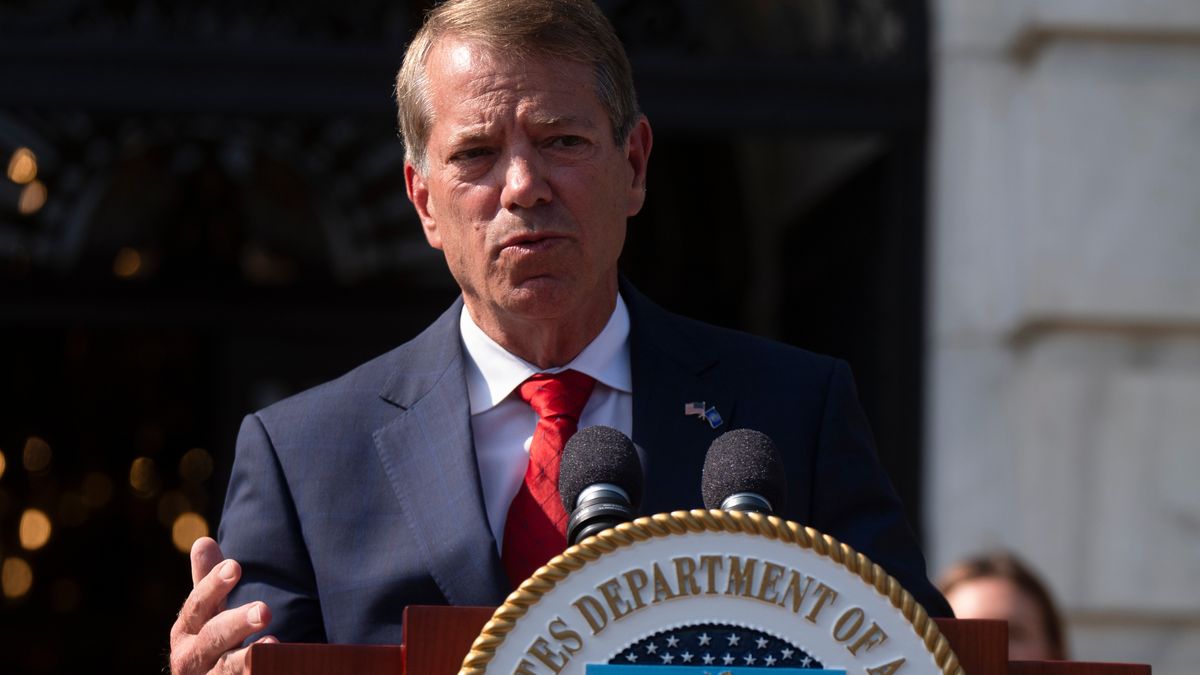
Secretary Duffy expressed caution, telling Reuters that past investments in Spirit have not led to profitability, questioning if aid would be "good money after bad." He highlighted that no other company wants to buy Spirit, raising concerns about the carrier's long-term viability. This perspective contrasts with Lutnick's advocacy, creating tension within the administration on whether to proceed.
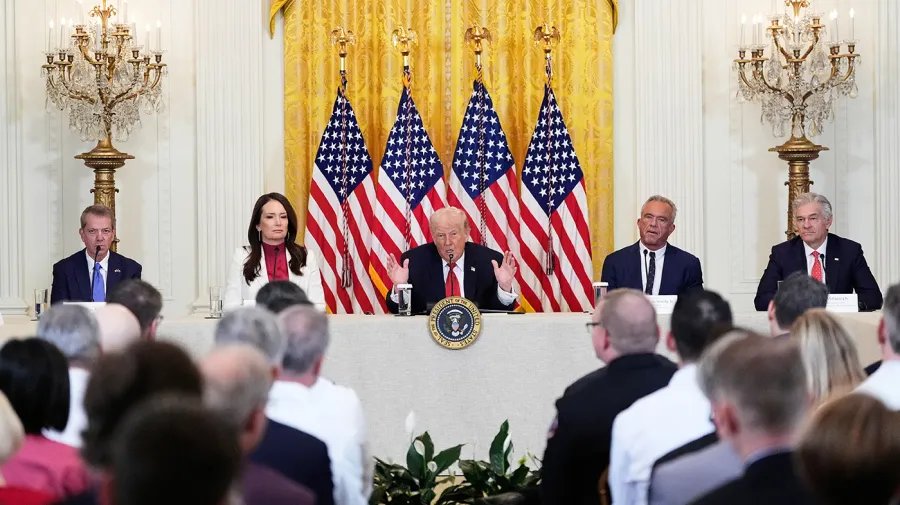
Trump's comments on CNBC showed support for saving the jobs, but Duffy's remarks underscore the risk of setting a precedent. Analysts at JPMorgan Chase noted that a Spirit bailout might prompt similar requests from airlines like JetBlue and Frontier. Such outcomes could strain federal resources, affecting taxpayers who fund these interventions.
Consequences for Travelers and Economy
If the deal collapses, Spirit's exit from routes could raise fares by $26 per ticket on average in affected areas, based on Cirium data from 91 routes between 2024 and 2025. This would mean higher costs for routine trips, impacting personal budgets and small businesses that depend on affordable air travel. The administration's decision will determine whether these price hikes become reality, altering access to flights for millions.