An Ohio musical instrument plant has closed, an event that comes after former President Trump pledged to retain factories in the state, according to Reuters.
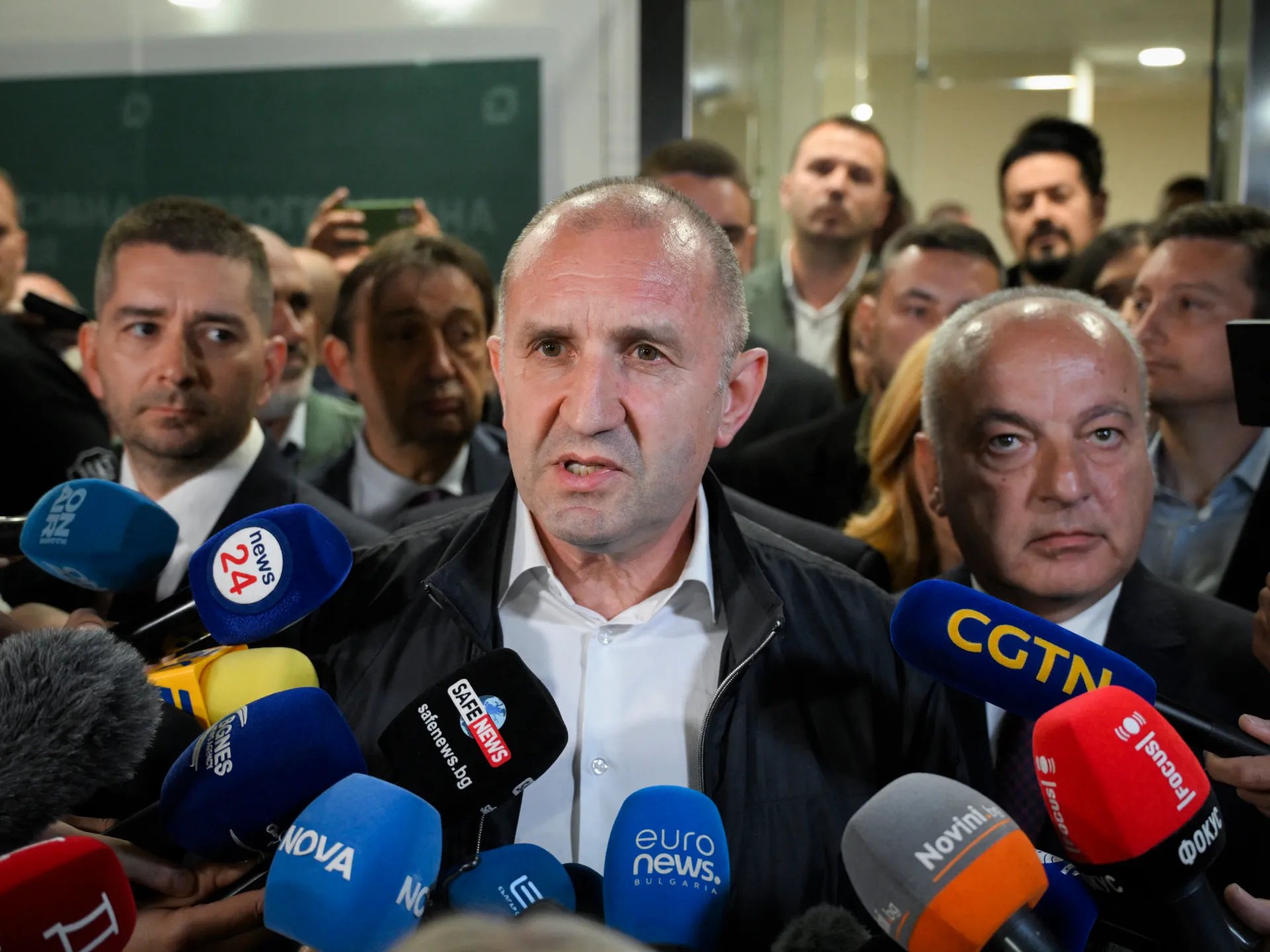
Mike Waltz, U.S. Ambassador to the United Nations, appeared on ABC News to discuss U.S. policy.
Ro Khanna, a Democratic Congressman, stated on the same program that the administration's focus on foreign affairs overlooks the needs of the American people.
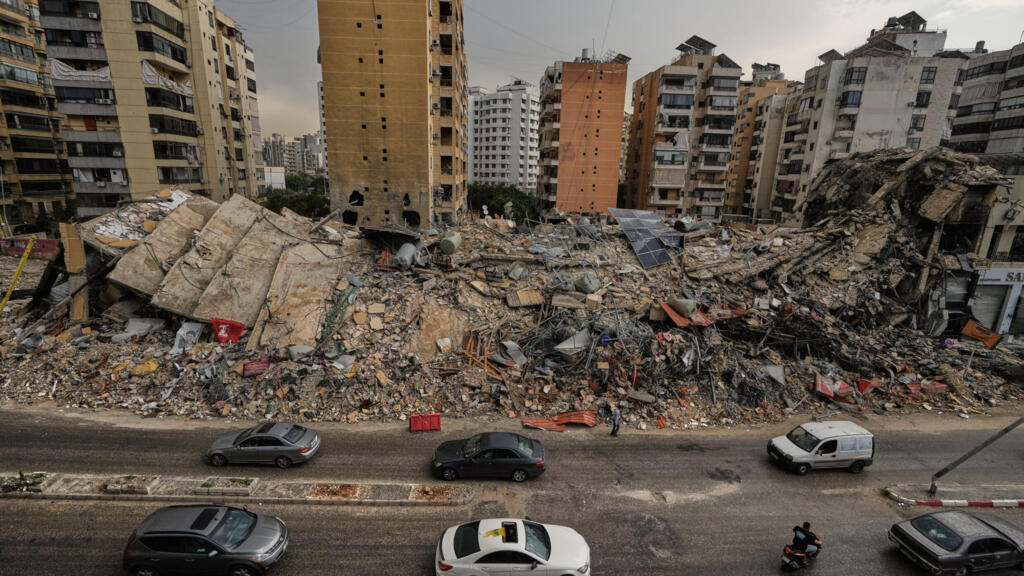
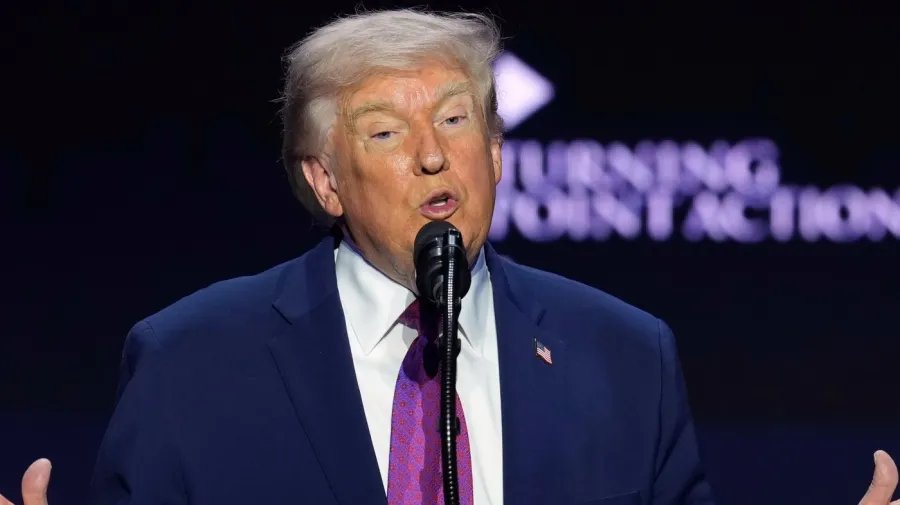
President Trump posted on his social media platform that the U.S. is offering Iran a "very fair and reasonable DEAL," but warned of consequences if rejected. He stated, "if they don't, the United States is going to knock out every single Power Plant, and every single Bridge, in Iran. NO MORE MR. NICE GUY." This threat came as a U.S. delegation prepared for talks in Pakistan, underscoring rising disputes over Iran's nuclear program.
Waltz defended the statement by saying "all options are on the table," emphasizing that Iranian air defenses have been weakened. The warning targets infrastructure tied to military uses, with Waltz arguing it aligns with past conflicts like World War II, where similar targets were struck. Such rhetoric from Trump adds uncertainty for Americans, as it could lead to higher energy costs or supply disruptions if tensions escalate.
Waltz pushed back against claims that striking power plants and bridges would cross legal lines, asserting that dual-use infrastructure is a valid target. He noted on ABC News that "The Iranian regime in particular, and its terrorist proxies have a long history of hiding military infrastructure in civilian areas." This defense frames the threat as a necessary escalation in diplomacy, backed by U.S. military capabilities.
Waltz also highlighted that the upcoming talks represent "the highest-level engagements between the United States and the Iranian regime in the 47 years since it first came to power." He stressed that Trump is "putting diplomacy first," with military options as a backup. For U.S. citizens, this means potential risks to safety abroad, as bolder policies could draw the country into conflicts.
Ro Khanna criticized Trump's approach as "escalating to devastation," arguing on ABC News that threatening to destroy all power plants goes too far. Khanna said, "You have the pope lecturing America about possible war crimes," and questioned the focus on Iran over domestic priorities. His remarks underscore a divide in how leaders view U.S. foreign policy.
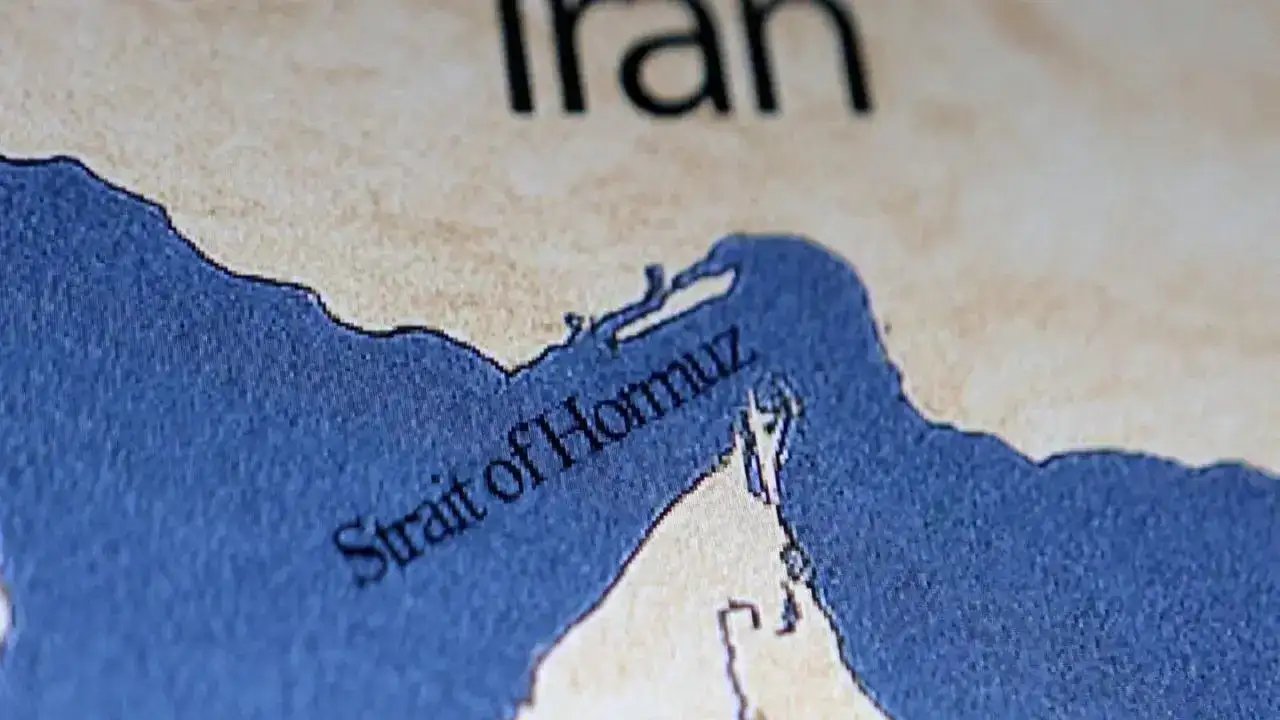
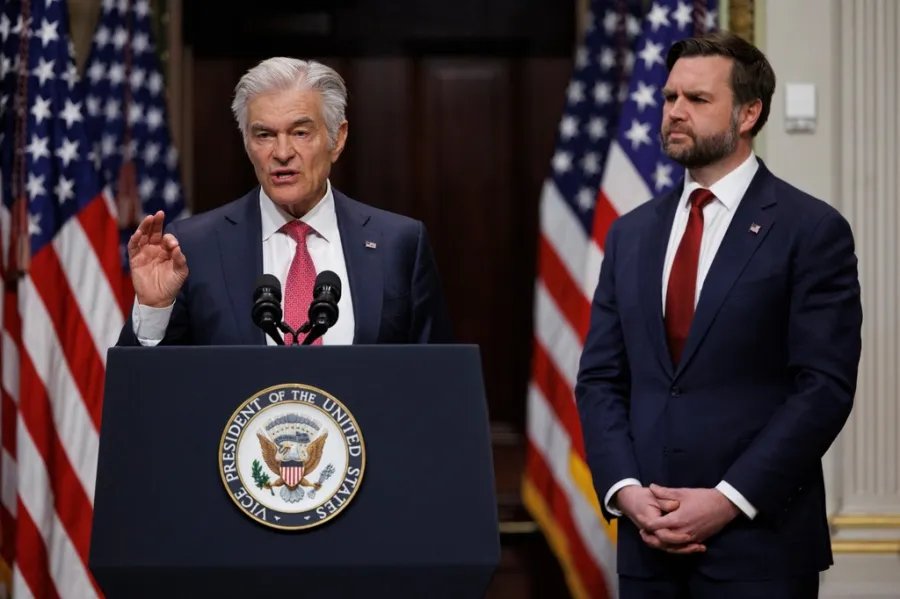
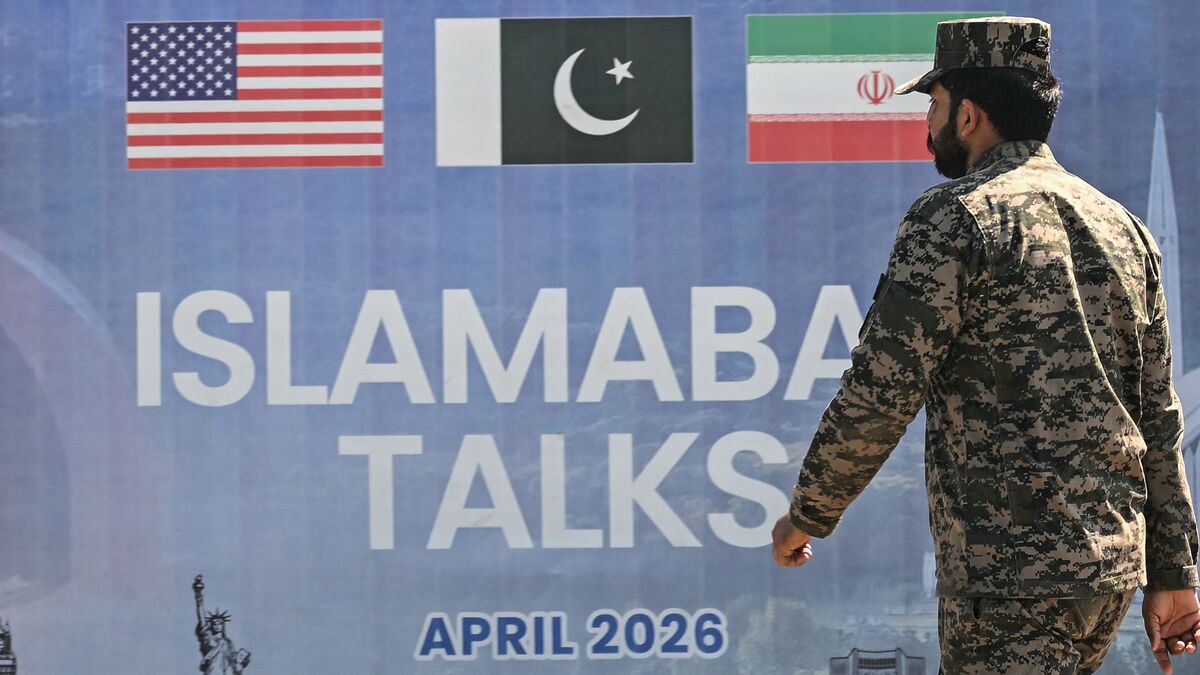
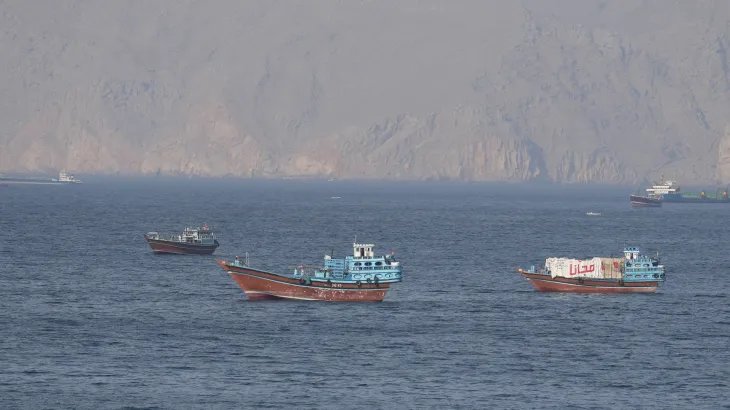
A U.S. delegation is heading to Islamabad for talks with Iran, marking a key step in negotiations over sanctions and nuclear matters. Vice President JD Vance will lead the group, accompanied by special envoy Steve Witkoff and Jared Kushner, as confirmed by a White House official to ABC News. This trip follows previous stalled discussions, with the Strait of Hormuz emerging as a central point of disagreement.
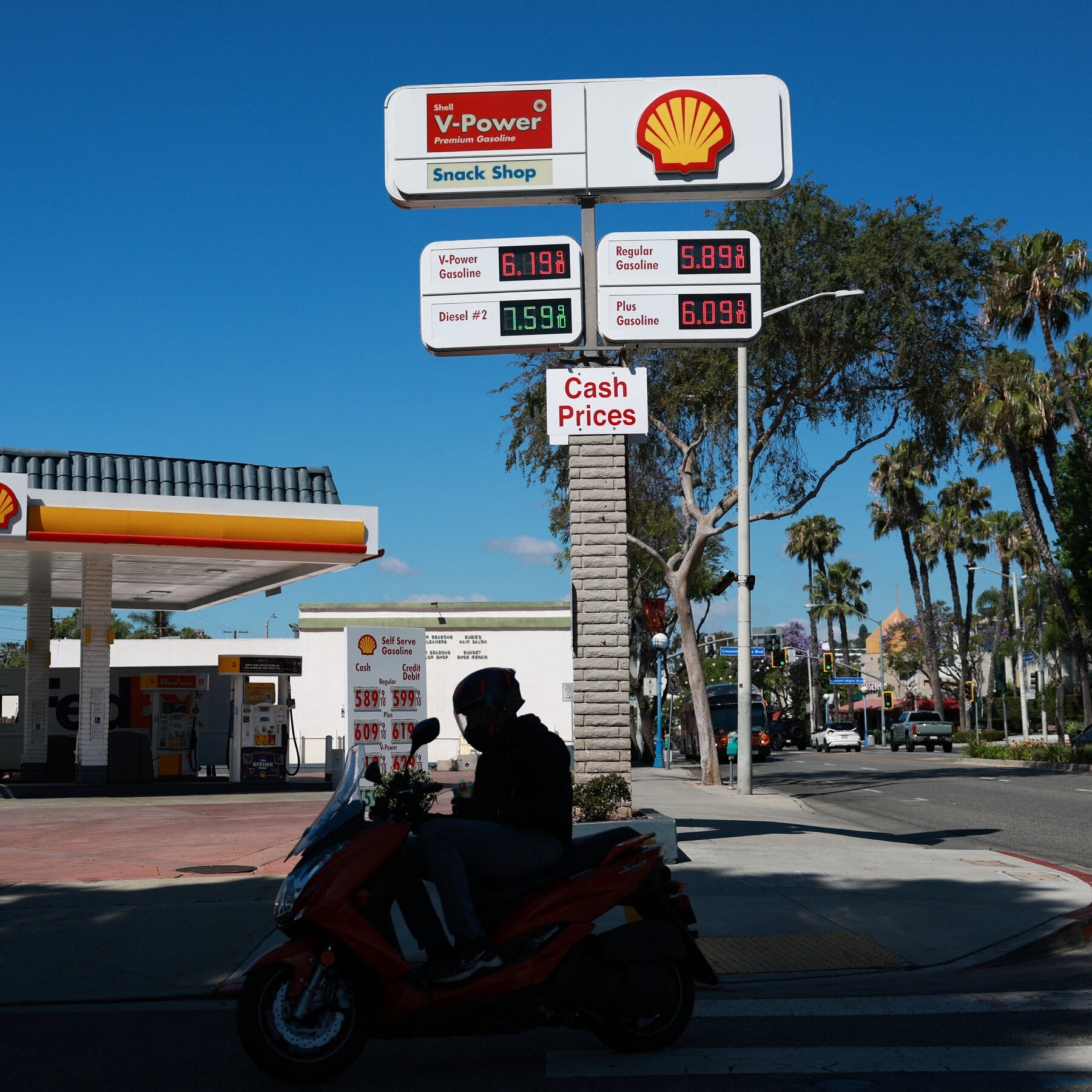
Waltz described the effort as a serious attempt at resolution, noting that failure could prompt further actions like the threatened strikes. The delegation's composition, including high-profile figures, signals the administration's commitment to direct engagement. For everyday Americans, this means watching for outcomes that could affect oil prices or job markets, as unresolved tensions might ripple back home.
The negotiations in Pakistan offer a clear next avenue for de-escalation, with the U.S. team set to meet Iranian representatives on Monday.
The musical instrument plant in Ohio has closed, breaking a promise former President Trump made to keep jobs in the area. Workers at the facility lost their positions, with the closure directly affecting the local workforce in a region that relied on manufacturing. This event highlights how Trump's earlier commitments to retain factories in Ohio have not held, leaving families without steady income.
Mike Waltz, U.S. Ambassador to the United Nations, appeared on ABC News to discuss broader U.S. policy, noting that such domestic setbacks occur amid international pressures. Ro Khanna, a Democratic Congressman, pointed out on the same program that the administration's focus on foreign affairs overlooks American needs, such as job security in places like Ohio. The plant's shutdown serves as a reminder that economic promises can falter, potentially straining household budgets across the state.
President Trump posted on his social media platform that the U.S. is offering Iran a "very fair and reasonable DEAL," but warned of consequences if rejected. He stated, "if they don’t, the United States is going to knock out every single Power Plant, and every single Bridge, in Iran. NO MORE MR. NICE GUY." This threat came as a U.S. delegation prepared for talks in Pakistan, underscoring rising disputes over Iran's nuclear program.
Waltz defended the statement by saying "all options are on the table," emphasizing that Iranian air defenses have been weakened. The warning targets infrastructure tied to military uses, with Waltz arguing it aligns with past conflicts like World War II, where similar targets were struck. Such rhetoric from Trump adds uncertainty for Americans, as it could lead to higher energy costs or supply disruptions if tensions escalate.
Waltz pushed back against claims that striking power plants and bridges would cross legal lines, asserting that dual-use infrastructure is a valid target. He noted on ABC News that "The Iranian regime in particular, and its terrorist proxies have a long history of hiding military infrastructure in civilian areas." This defense frames the threat as a necessary escalation in diplomacy, backed by U.S. military capabilities.
Waltz also highlighted that the upcoming talks represent "the highest-level engagements between the United States and the Iranian regime in the 47 years since it first came to power." He stressed that Trump is "putting diplomacy first," with military options as a backup. For U.S. citizens, this means potential risks to safety abroad, as bolder policies could draw the country into conflicts.
Ro Khanna criticized Trump's approach as "escalating to devastation," arguing on ABC News that threatening to destroy all power plants goes too far. Khanna said, "You have the pope lecturing America about possible war crimes," and questioned the focus on Iran over domestic priorities. His remarks underscore a divide in how leaders view U.S. foreign policy.
Khanna emphasized that the administration should prioritize "the needs of the American people," like addressing job losses in Ohio, rather than Middle East entanglements. This perspective shows how Iran's nuclear disputes and the Ohio closure connect through perceived neglect of homefront issues. For voters, such criticisms highlight the risk of economic instability intertwining with global standoffs.
A U.S. delegation is heading to Islamabad for talks with Iran, marking a key step in negotiations over sanctions and nuclear matters. Vice President JD Vance will lead the group, accompanied by special envoy Steve Witkoff and Jared Kushner, as confirmed by a White House official to ABC News. This trip follows previous stalled discussions, with the Strait of Hormuz emerging as a central point of disagreement.
Waltz described the effort as a serious attempt at resolution, noting that failure could prompt further actions like the threatened strikes. The delegation's composition, including high-profile figures, signals the administration's commitment to direct engagement. For everyday Americans, this means watching for outcomes that could affect oil prices or job markets, as unresolved tensions might ripple back home.
The negotiations in Pakistan offer a clear next avenue for de-escalation, with the U.S. team set to meet Iranian representatives on Monday. This development could prevent broader conflicts, sparing workers in places like Ohio from additional economic shocks tied to international unrest. Ultimately, the Ohio closure and Iran threats together illustrate how unfulfilled promises at home can amplify risks overseas, directly touching family finances and national security.
Highlighted text was flagged by the council. Tap to see feedback.








The sources also report that President Trump stated Vice President JD Vance, the U.S. Vice President, would not attend the talks due to Secret Service concerns, creating a discrepancy with the summary's confirmation.