The Strike and Trump's Threat
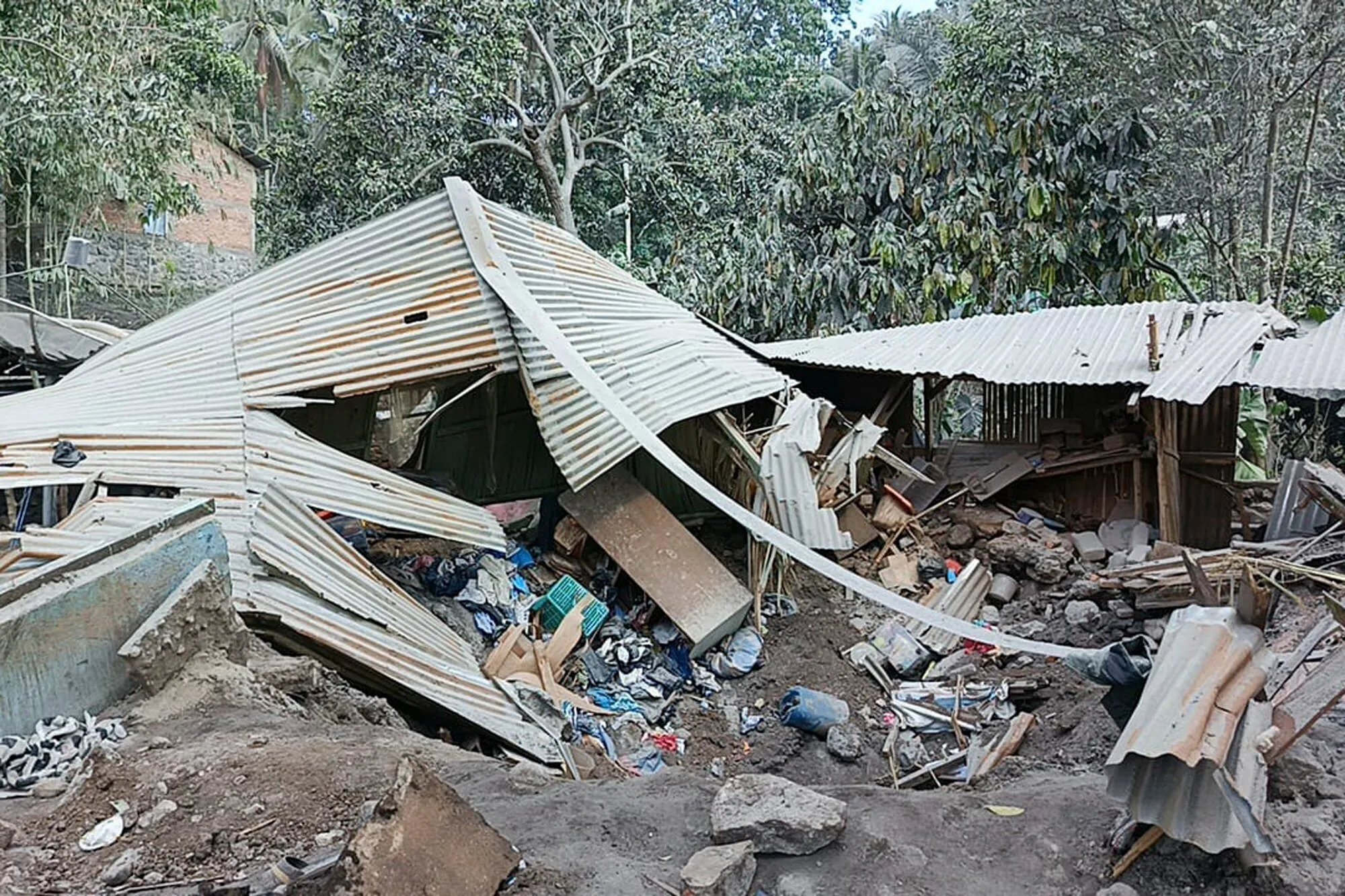
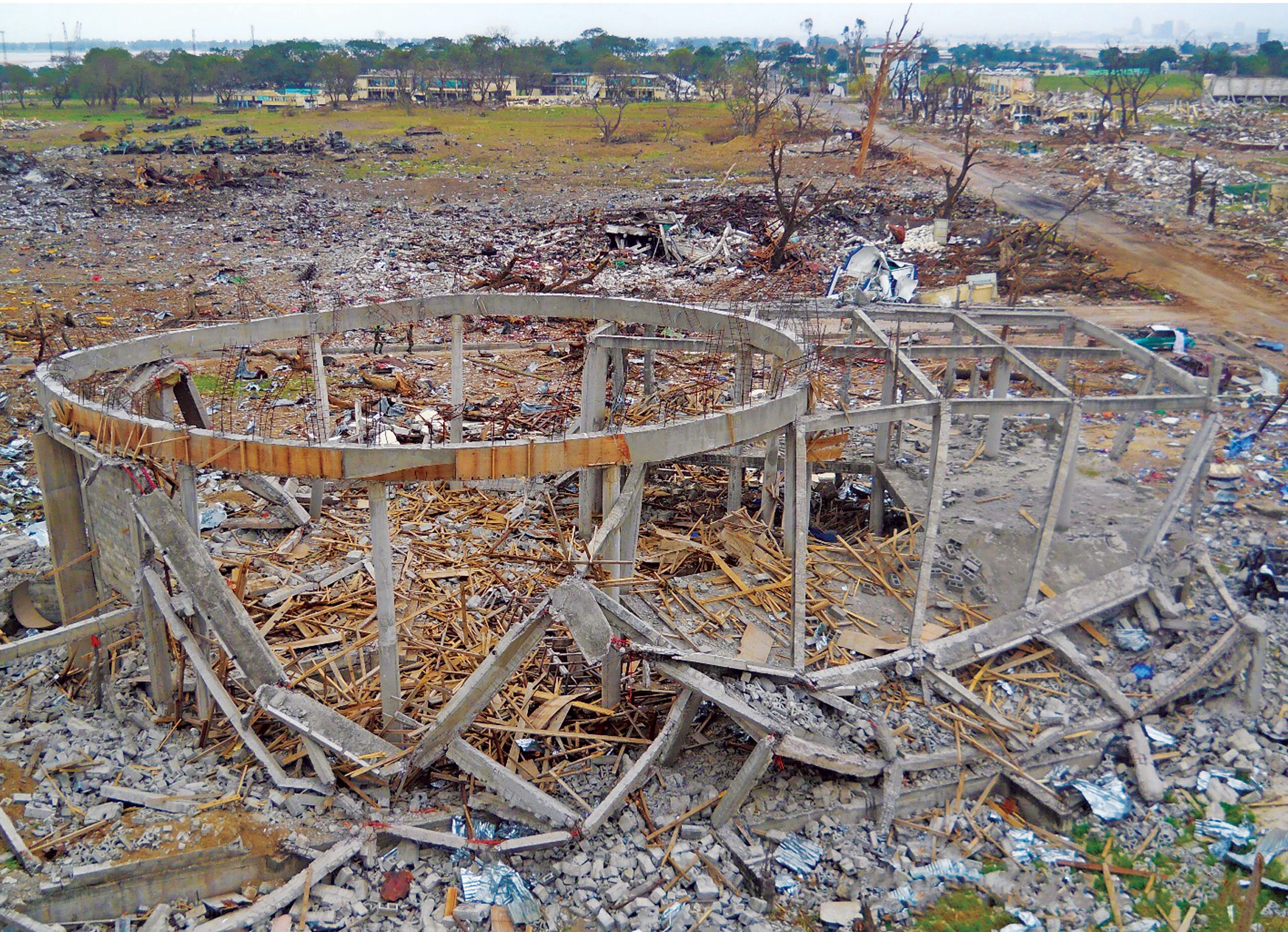
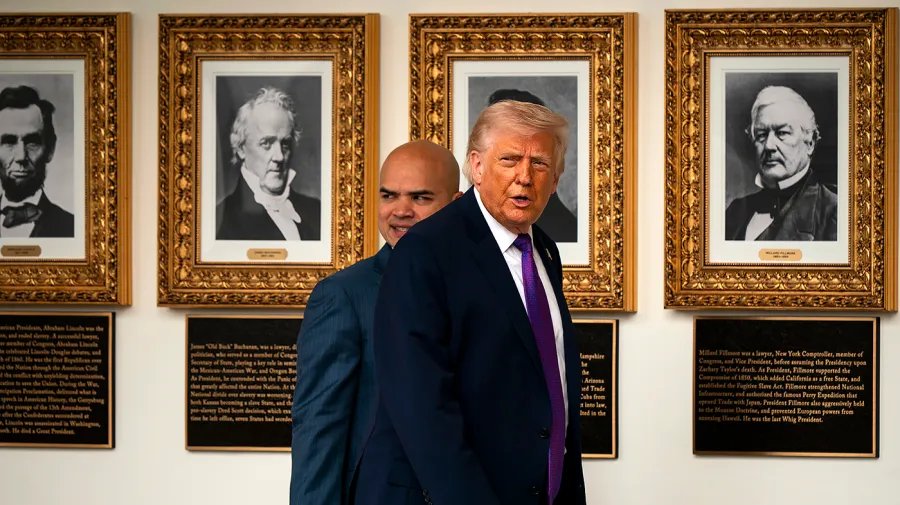
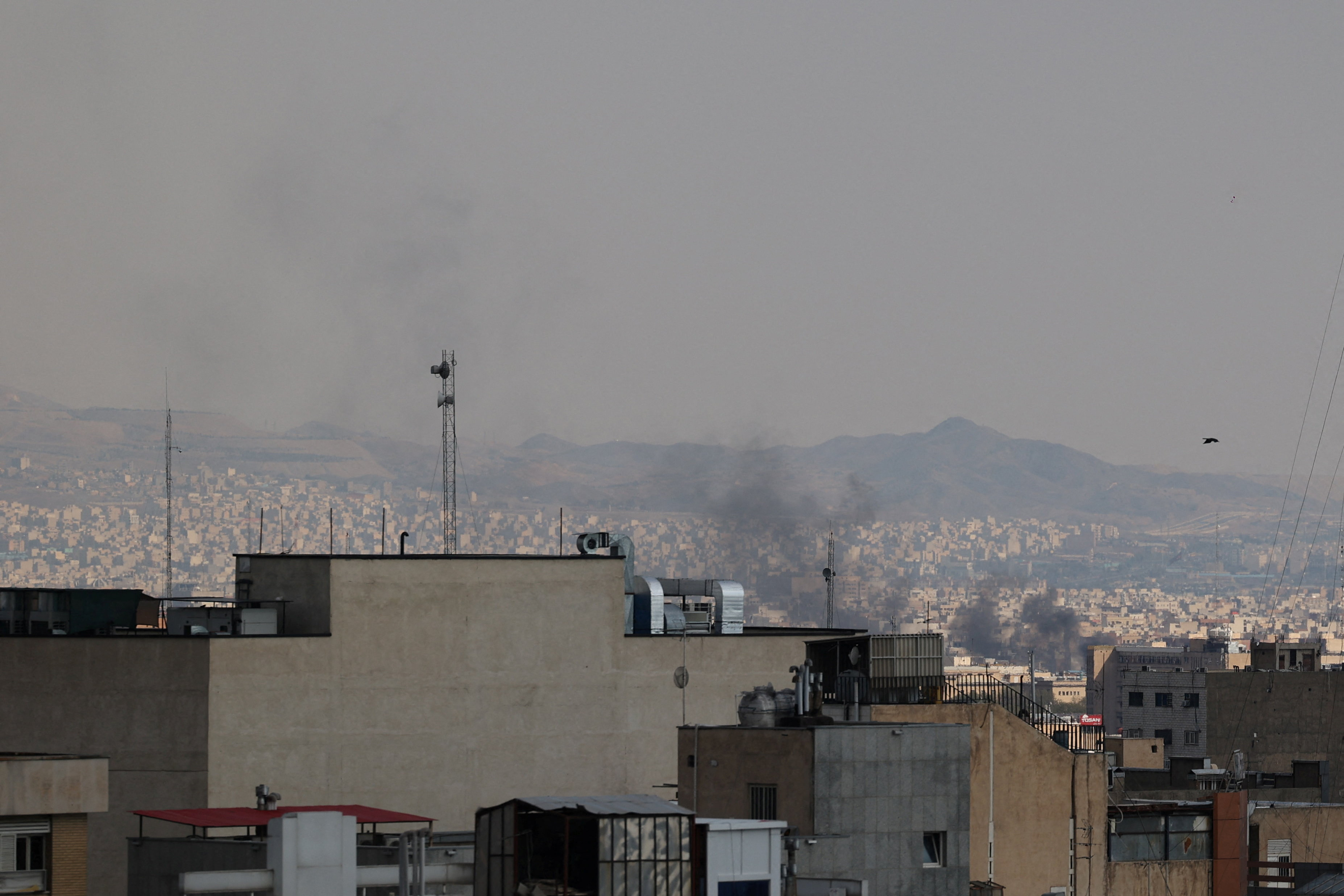
The U.S. military attacked the B-1 bridge connecting Tehran and the suburb of Karaj on Thursday morning, partially collapsing the structure in what officials describe as a military operation. The strike came hours after President Trump threatened in a prime-time address to bomb Iran "back to the Stone Ages." On Truth Social, Trump celebrated the destruction: "The biggest bridge in Iran comes tumbling down, never to be used again — Much more to follow!" He added in capital letters: "IT IS TIME FOR IRAN TO MAKE A DEAL BEFORE IT IS TOO LATE, AND THERE IS NOTHING LEFT OF WHAT STILL COULD BECOME A GREAT COUNTRY."
The night before the strike, Trump had declared the U.S. would hit Iran "extremely hard" in what he suggested would be the final two to three weeks of the operation. A U.S. defense official told reporters that more bridges are likely to be targeted.
Military Justification vs. Civilian Reality
U.S. defense officials claim the strike served a military purpose: preventing the Iranian armed forces from moving weapons across the bridge. According to the official, missile parts were sent in large boxes and crates across the bridge and assembled at launch sites in Western Iran. The official said the bridge was also used to send logistical support to Iranian military forces in Tehran.
However, reporting from Tehran and Iranian officials characterize the target differently. Reza Sayah, reporting from Tehran, stated that "today again US and Israeli forces bombed what were clearly non-military sites in broad daylight and later in the day US president Donald Trump seemed to boast about it." U.S. officials said the bridge opened in January. Some Iranian press reports said it was still not operational at the time of the strike.
International Condemnation and Iranian Response
Iran's foreign minister said striking civilian structures, "including unfinished bridges," would not convince Iranians to surrender and that the country would rebuild after the war. The Iranian mission to the United Nations wrote on X that the attack was part of a series of U.S. and Israeli strikes against civilian targets, stating: "They openly threaten to bomb our power infrastructure and return Iran to the Stone Age. It seems these realities do not reach Australian and EU officials, or they are unwilling to condemn them. Instead, they criticize Iran's self-defense. The world and history will judge you."
Iran has also challenged Trump's "Stone Age" rhetoric directly. The Iranian embassy in South Africa countered that while Americans were "still in caves," Iran was inscribing human rights, referencing the nation's ancient civilization and historical resilience.
Broader Strategic Implications
The bridge strike signals a widening of U.S. military targets and could mark a first step toward attacks on energy, water, and transportation infrastructure. Trump has said the U.S. could conduct such attacks, which would have devastating effects for Iranian civilians, to punish the regime if it refuses to cut a deal. The escalation represents a concrete shift in military operations and raises questions about the scope and duration of future strikes.