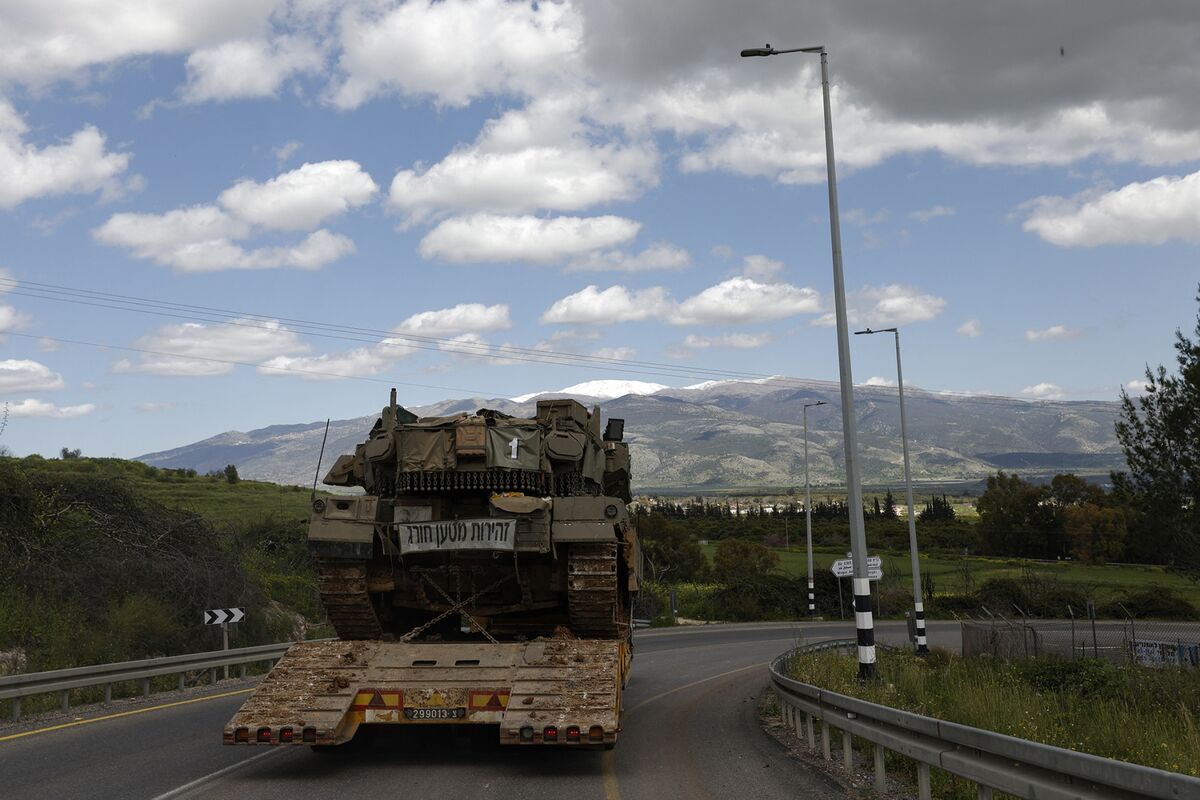
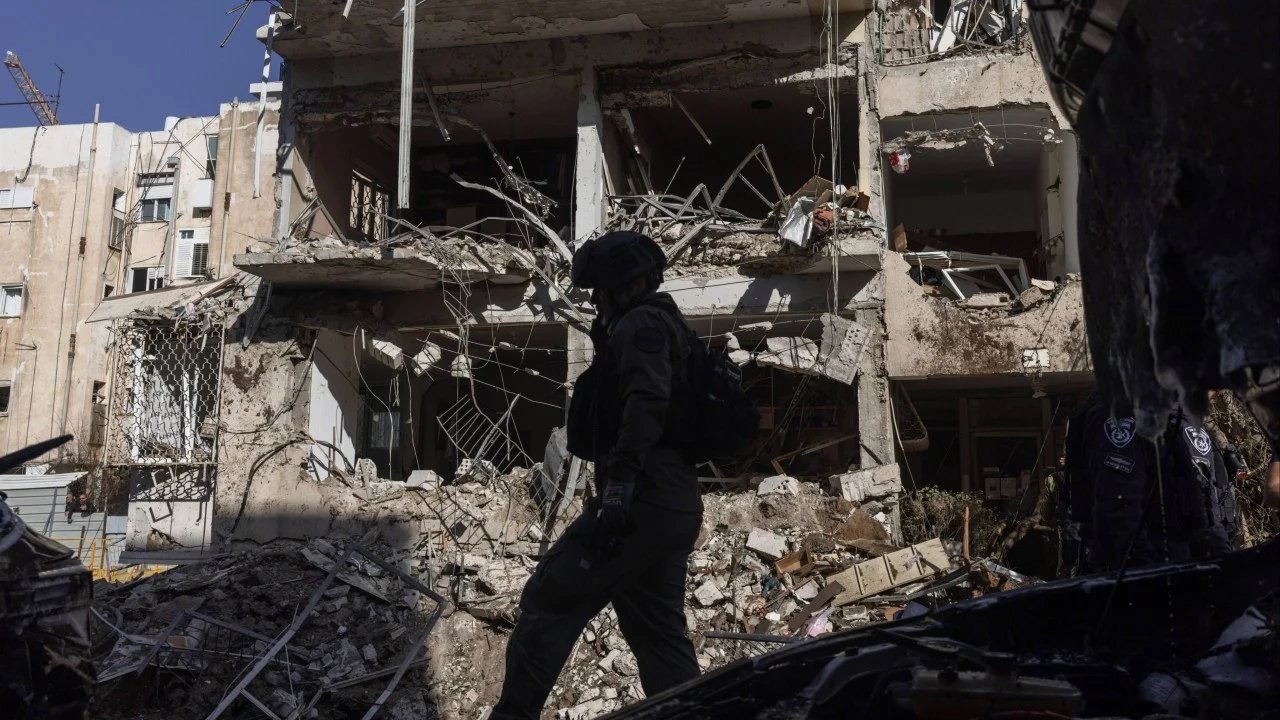
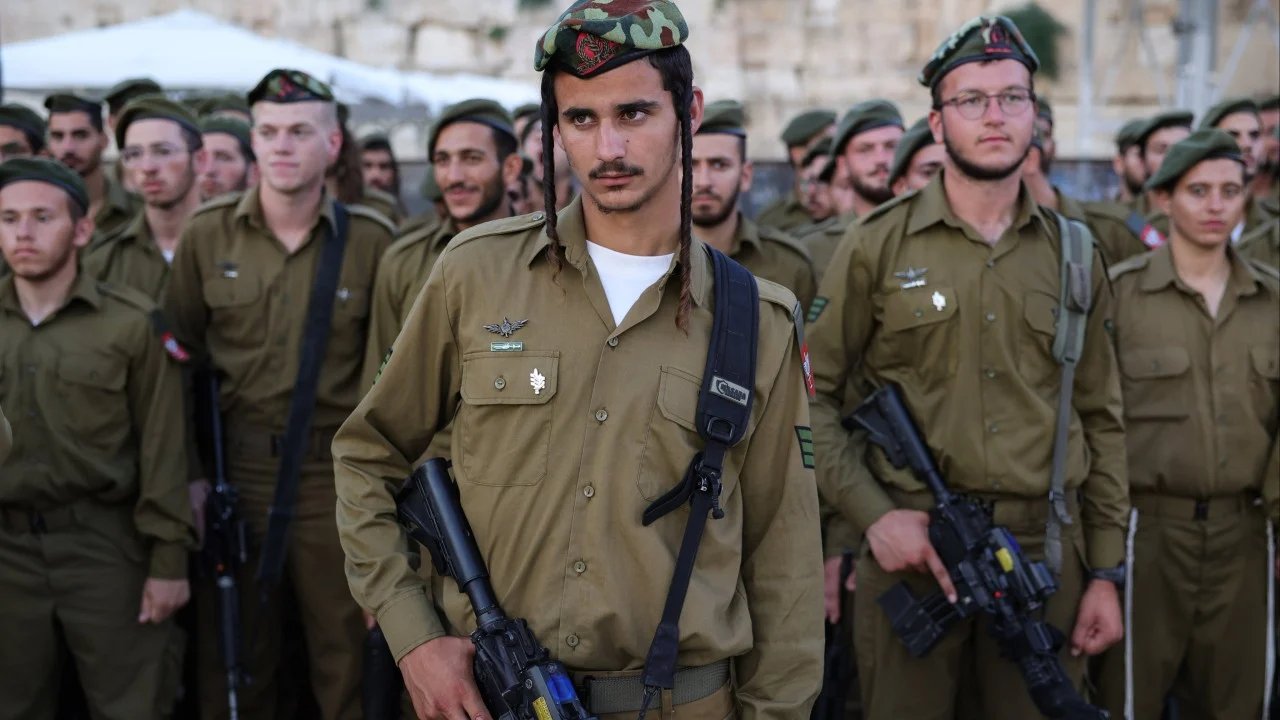
The United Kingdom has committed to sending additional air defense equipment and an unspecified number of troops to the Middle East. This decision comes amidst heightened regional tensions and aims to bolster defense capabilities in response to ongoing conflicts involving Iran.
The deployment of UK troops and air defense systems could significantly alter the security landscape in the Middle East. Defense Secretary Pete Hegseth remarked on the need for military readiness, highlighting the importance of preparing for potential threats from Iran. He stated, "You can't fight and win a war if you tell your adversary what you are willing to do," emphasizing a strategic approach to military engagement.
The UK's military commitment raises questions about the role of NATO allies in the ongoing conflict. Hegseth questioned the value of the NATO alliance if those countries don't stand with America in its military actions. He also indicated that other nations, including those in Europe, should be prepared to contribute to security efforts in the region, particularly in crucial waterways.
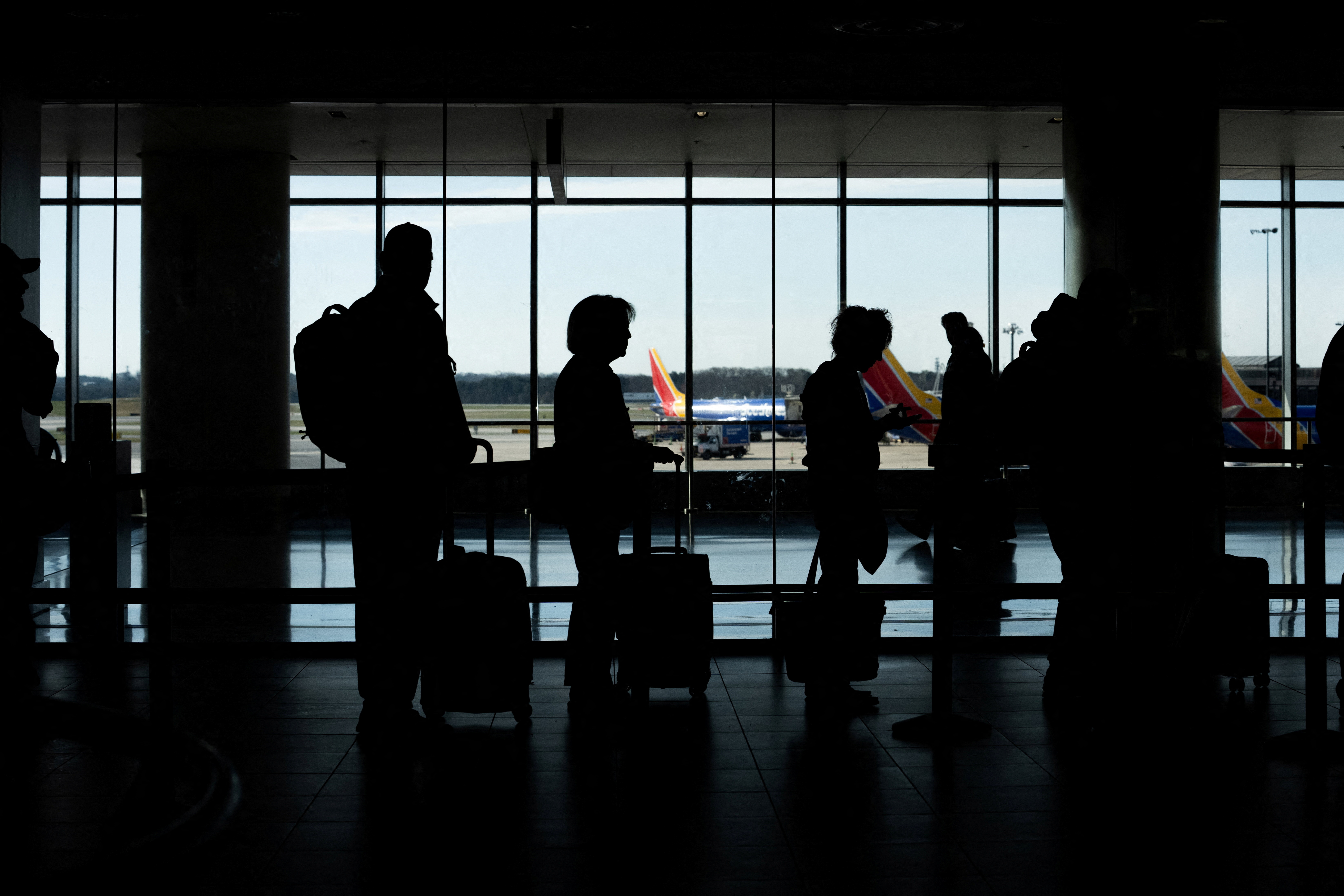
The ongoing conflict in the Middle East is already impacting global economics, particularly in the tourism sector. Airlines have reported significant declines in bookings as travelers opt for destinations away from the conflict zones. This shift reflects broader concerns about safety and stability in the region, which could have lasting effects on economies reliant on tourism.
In a related development, Iran's Islamic Revolutionary Guard Corps announced plans to target major U.S. technology companies within the Middle East. These actions underscore a growing urgency among U.S. officials to address perceived threats from Iran.
The UK's decision to enhance its military presence is seen as a response to both immediate threats and long-term strategic interests in the region. The deployment aligns with broader Western efforts to counter Iranian influence and ensure stability in the Gulf region.
As the UK prepares for its deployment, discussions regarding military strategy and potential troop movements continue. Hegseth noted that ongoing negotiations with Iran aim to de-escalate tensions, although military readiness remains a priority. The situation in the Middle East is fluid, and the UK's actions will likely influence future military and diplomatic engagements in the region.
The commitment of UK troops and air defense systems marks a significant shift in military strategy, underscoring the complexities of international relations and security in the Middle East. As nations navigate these challenges, the implications for global peace and stability remain critical.
The United Kingdom has committed to sending additional air defense equipment and an unspecified number of troops to the Middle East. This decision comes amidst heightened regional tensions and aims to bolster defense capabilities in response to ongoing conflicts involving Iran. The UK government has not disclosed the exact details of the deployment, including the number of personnel involved or specific locations.
The deployment of UK troops and air defense systems could significantly alter the security landscape in the Middle East. Defense Secretary Pete Hegseth remarked on the need for military readiness, highlighting the importance of preparing for potential threats from Iran. He stated, “You can’t fight and win a war if you tell your adversary what you are willing to do,” emphasizing a strategic approach to military engagement.
The UK's military commitment raises questions about the role of NATO allies in the ongoing conflict. Hegseth pointed out that if allies do not support the United States in its military actions, the value of the NATO alliance is called into question. He also indicated that other nations, including those in Europe, should be prepared to contribute to security efforts in the region, particularly in crucial waterways.
The ongoing conflict in the Middle East is already impacting global economics, particularly in the tourism sector. Airlines have reported significant declines in bookings as travelers opt for destinations away from the conflict zones. This shift reflects broader concerns about safety and stability in the region, which could have lasting effects on economies reliant on tourism.
In a related development, Iran's Islamic Revolutionary Guard Corps has announced plans to target major U.S. technology companies within the Middle East, escalating tensions further. The U.S. military's objectives include disrupting Iran's naval capabilities and targeting its defense industrial base, including nuclear research sites. These actions underscore a growing urgency among U.S. officials to address perceived threats from Iran.
The UK's decision to enhance its military presence is seen as a response to both immediate threats and long-term strategic interests in the region. With Iran's military capabilities and ongoing conflicts, the UK aims to reinforce its position and support for allied nations. The deployment aligns with broader Western efforts to counter Iranian influence and ensure stability in the Gulf region.
As the UK prepares for its deployment, discussions regarding military strategy and potential troop movements continue. Hegseth noted that ongoing negotiations with Iran aim to de-escalate tensions, although military readiness remains a priority. The situation in the Middle East is fluid, and the UK’s actions will likely influence future military and diplomatic engagements in the region.
The commitment of UK troops and air defense systems marks a significant shift in military strategy, underscoring the complexities of international relations and security in the Middle East. As nations navigate these challenges, the implications for global peace and stability remain critical.
Highlighted text was flagged by the council. Tap to see feedback.