The European Union approved a €90 billion loan to Ukraine on Thursday, equivalent to $106 billion, to address the country's economic and military requirements for the next two years. Cypriot Finance Minister Makis Keravnos announced the decision, stating that disbursements will begin soon to cover Ukraine's immediate budgetary demands. This financial support comes from the bloc's Cypriot presidency and marks a key step in aiding Ukraine's stability.
Hungary lifted its veto on the loan package, ending months of opposition that had blocked the funds. Slovak Prime Minister Robert Fico described the renewed oil flow through the Druzhba pipeline as positive news, which helped clear the way for the agreement.
The EU simultaneously endorsed a new set of sanctions against Russia related to its actions in Ukraine, measures that officials had drafted earlier this year. The approval now allows the EU to impose these restrictions, targeting Russia's ongoing activities.
The loan will directly bolster Ukraine's economy and military efforts, providing resources to maintain defenses against Russian forces.
The combined actions of the loan and sanctions demonstrate the EU's commitment to supporting Ukraine's resilience. This development offers a foundation for Ukraine to secure its borders and economy moving ahead.
The European Union approved a €90 billion loan to Ukraine on Thursday, equivalent to $106 billion, to address the country's economic and military requirements for the next two years. Cypriot Finance Minister Makis Keravnos announced the decision, stating that disbursements will begin soon to cover Ukraine's immediate budgetary demands. This financial support comes from the bloc's Cypriot presidency and marks a key step in aiding Ukraine's stability.
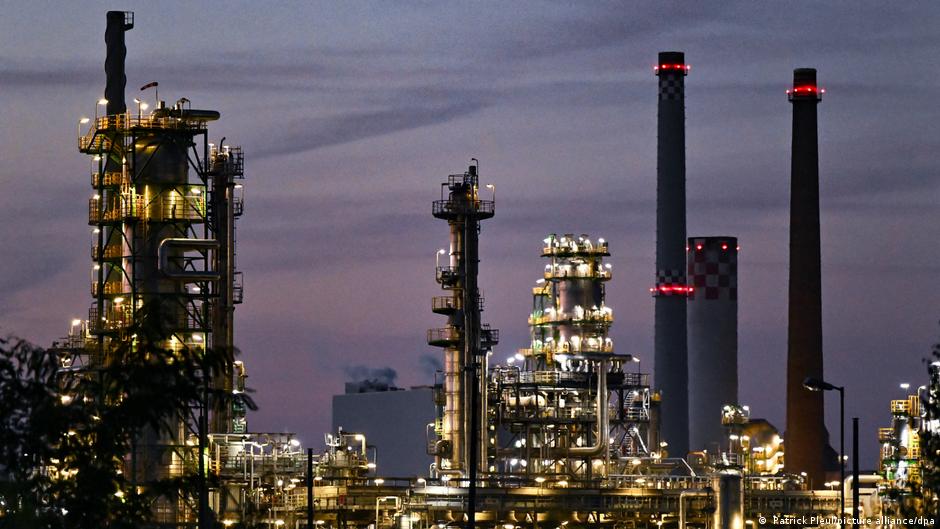
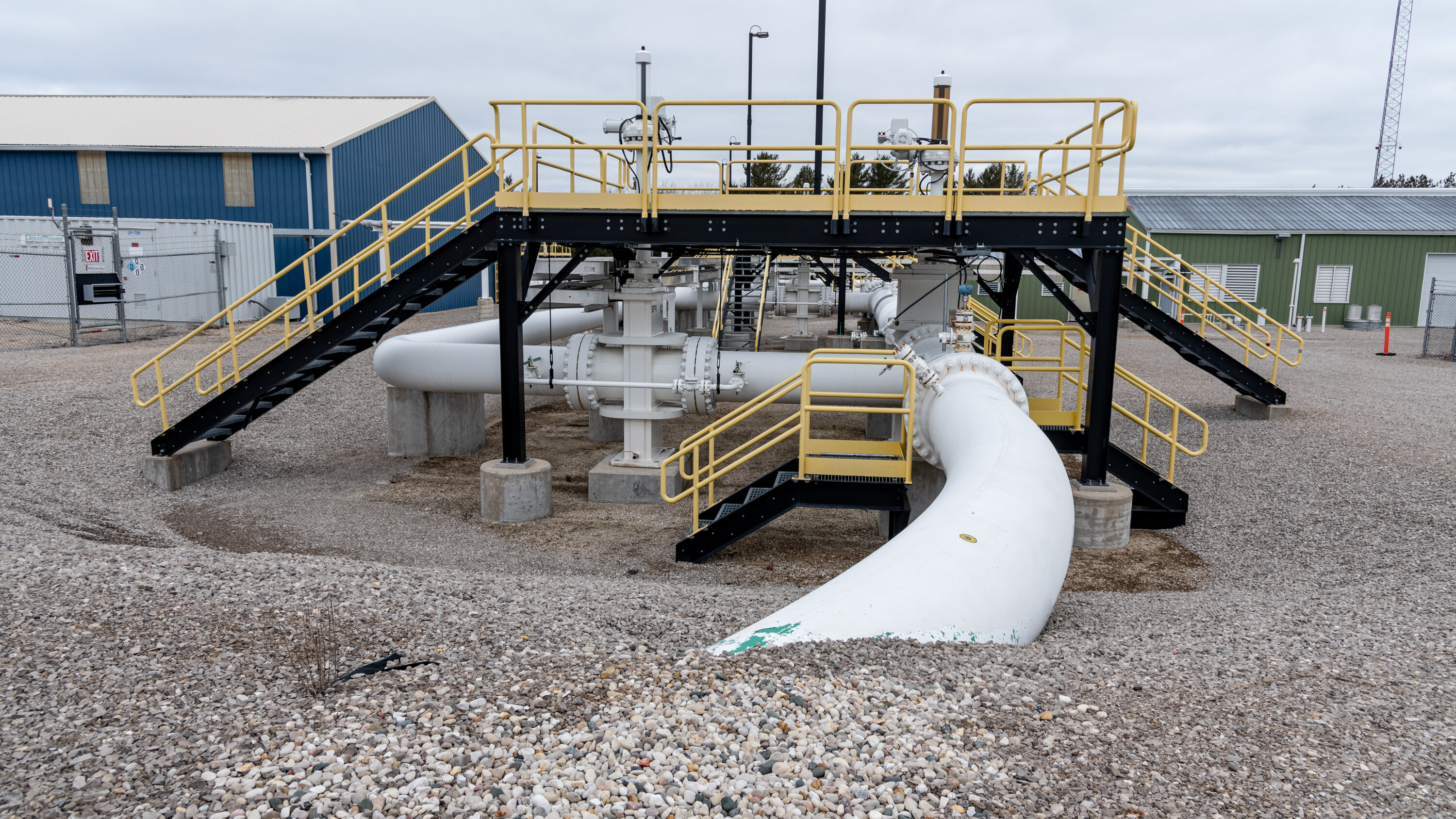
Hungary lifted its veto on the loan package, ending months of opposition that had blocked the funds. The feud stemmed from halted Russian oil deliveries to Hungary and Slovakia in January, linked to damage on a pipeline that Ukrainian officials attributed to Russian drone attacks. Slovak Prime Minister Robert Fico described the renewed oil flow through the Druzhba pipeline as positive news, which helped clear the way for the agreement.
The EU simultaneously endorsed a new set of sanctions against Russia related to its actions in Ukraine, measures that officials had drafted earlier this year. These sanctions were originally scheduled for February but faced resistance from Hungary and Slovakia, delaying their rollout. The approval now allows the EU to impose these restrictions, targeting Russia's ongoing activities.
The loan will directly bolster Ukraine's economy and military efforts, providing resources to maintain defenses against Russian forces. Ukraine needs these funds to rebuild infrastructure and sustain operations, as outlined in the Cypriot presidency's statement. This assistance ensures Ukraine can address its most urgent financial gaps in the short term.
With loan disbursements set to start promptly, Ukraine gains a tool to reinforce its position in the conflict, potentially easing pressures on its citizens. The combined actions of the loan and sanctions demonstrate the EU's commitment to supporting Ukraine's resilience. This development offers a foundation for Ukraine to secure its borders and economy moving ahead.
Highlighted text was flagged by the council. Tap to see feedback.