




Netanyahu Rejects Ceasefire Extension to Hezbollah War
Prime Minister Benjamin Netanyahu declared that a two-week ceasefire between the United States and Iran does not extend to Israel's military campaign against Hezbollah in Lebanon. The announcement came hours after the US and Iran agreed to the truce on Wednesday, brokered by Pakistan and announced just before Trump's deadline. Netanyahu insisted Israel would continue striking Hezbollah.
US President Donald Trump's press secretary Karoline Leavitt confirmed Lebanon was not part of the ceasefire deal. Pakistani Prime Minister Shehbaz Sharif, who mediated the agreement, had claimed the two-week ceasefire applied "everywhere including Lebanon," but Lebanese government officials said they had not received official communication regarding a ceasefire that included their country.
Heaviest Bombardment Since Conflict Began
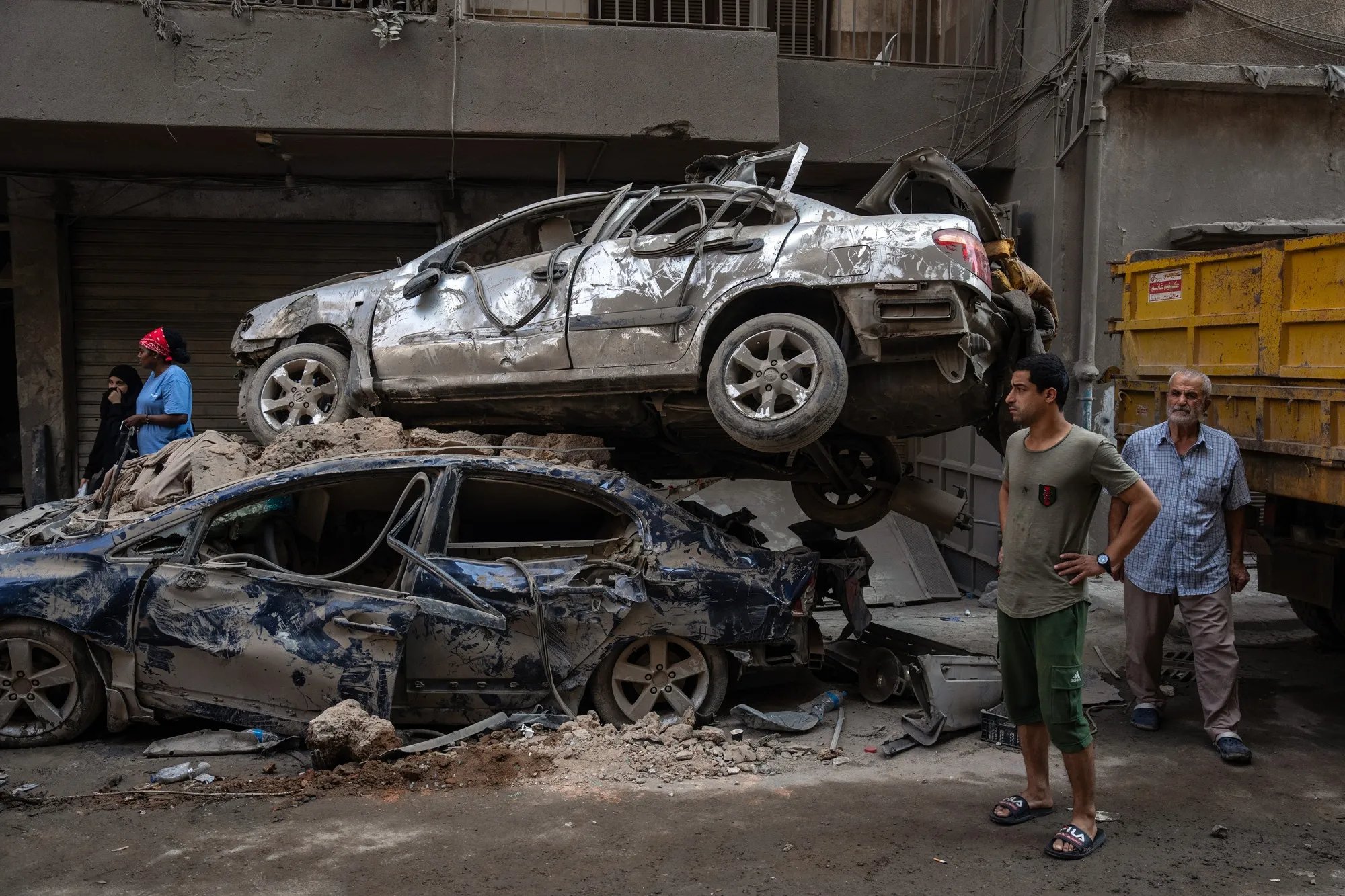
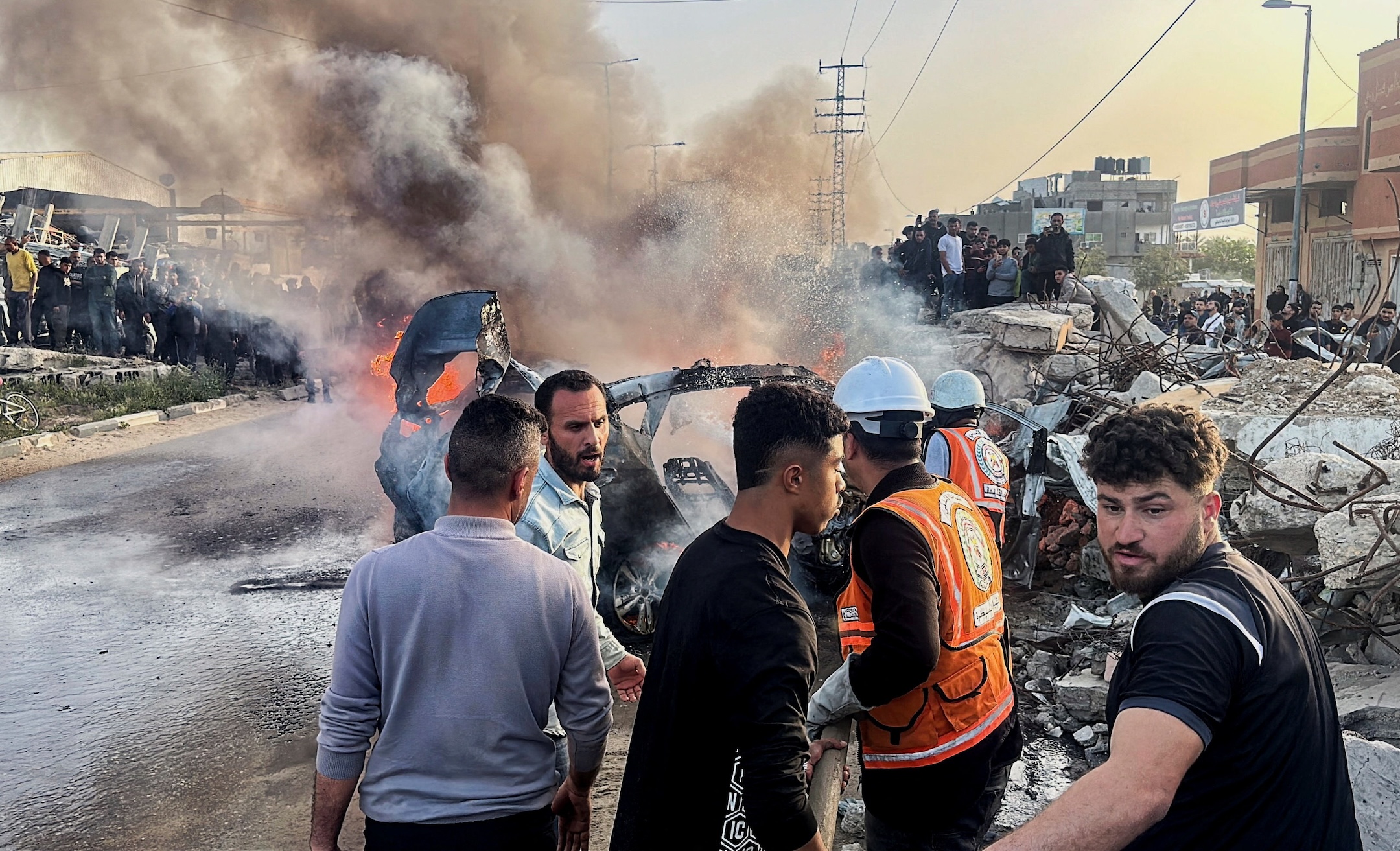
Israel launched the largest wave of air strikes in the conflict, hitting more than 100 Hezbollah command centers and military sites in 10 minutes on Wednesday afternoon. The assault struck the southern suburbs of Beirut, southern Lebanon, and the eastern Bekaa Valley. Israeli military officials called it the largest coordinated strike in the current war.
Lebanon's health ministry reported at least 112 people killed and 837 injured across the country. The country's civil defense agency reported 254 deaths and more than 1,100 injured. Hospitals became overwhelmed with casualties, and people were believed trapped under collapsed buildings throughout the affected areas.

The sources also report a significant discrepancy in casualty figures: Lebanon's health ministry reported 112 deaths and 837 injured, while the country's civil defense agency reported 254 deaths and over 1,100 injured from the same strikes.
Displacement Crisis Deepens
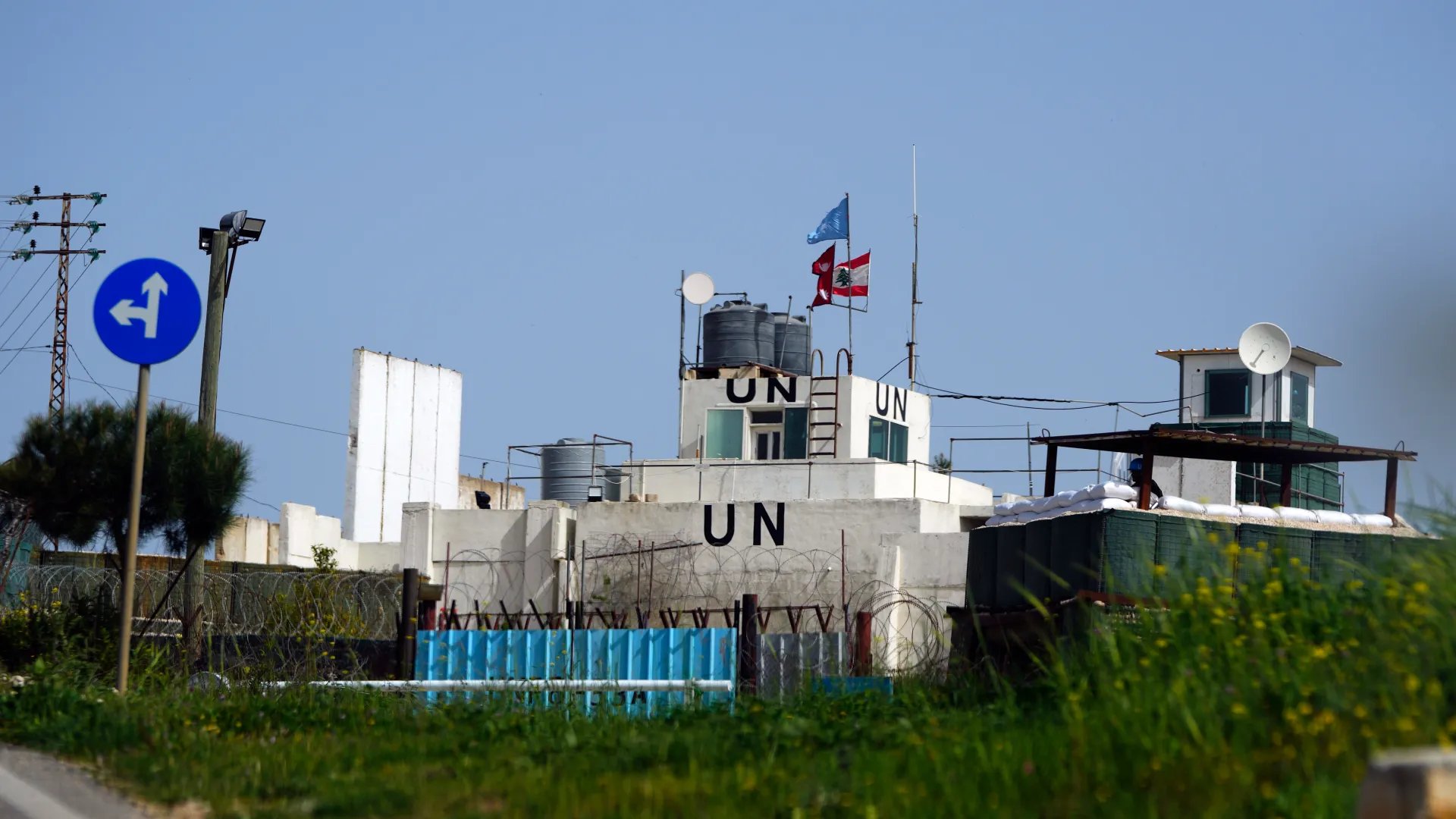
More than 1.2 million people have been displaced from their homes, representing one in five of Lebanon's population. Most displacement occurred in Shia Muslim communities in the south, the eastern Bekaa Valley, and the southern suburbs of Beirut, areas where Hezbollah holds influence. Schools converted into shelters reached capacity, forcing many families to sleep in improvised tents in public spaces and even in cars.
Villages near the Israeli border have been destroyed as Israeli troops work to establish what authorities call a security buffer zone and destroy Hezbollah's infrastructure. Concerns have emerged that some areas may remain occupied even after the war ends and many residents may never return home.
Hezbollah's Uncertain Position
Hezbollah paused its attacks in line with the US-Iran truce, according to Lebanese sources close to the Iran-backed group. The organization declared it stood on the "threshold of a major historic victory" and warned displaced families to wait for a formal ceasefire announcement before attempting to return home.
The group faces strong domestic criticism in Lebanon, with many blaming it for dragging the country into an unwanted war and prioritizing Iranian interests. Hezbollah still maintains significant support among Lebanese Shia communities, but the displacement crisis has intensified sectarian tensions as arriving families raise fears among residents in other areas.
Lebanon's Diplomatic Gambit
Lebanon's government made a historic announcement that it was open to negotiate directly with Israel, a significant shift given the countries have no diplomatic relations. President Joseph Aoun, a former army chief, had previously ruled out using force against Hezbollah, warning such action could exacerbate divisions and trigger violence. Israel has not responded to Lebanon's negotiation offer.
More than 1,500 people have been killed in the conflict, including 130 children. The latest escalation erupted when Hezbollah fired rockets into Israel in retaliation for the killing of Iran's supreme leader.









The sources also report that Lebanon's civil defense agency indicated a death toll of 254 and over 1,100 injuries, which is higher than the health ministry's report of at least 112 killed and 837 injured.