Direct Military Engagement in Turkish Airspace
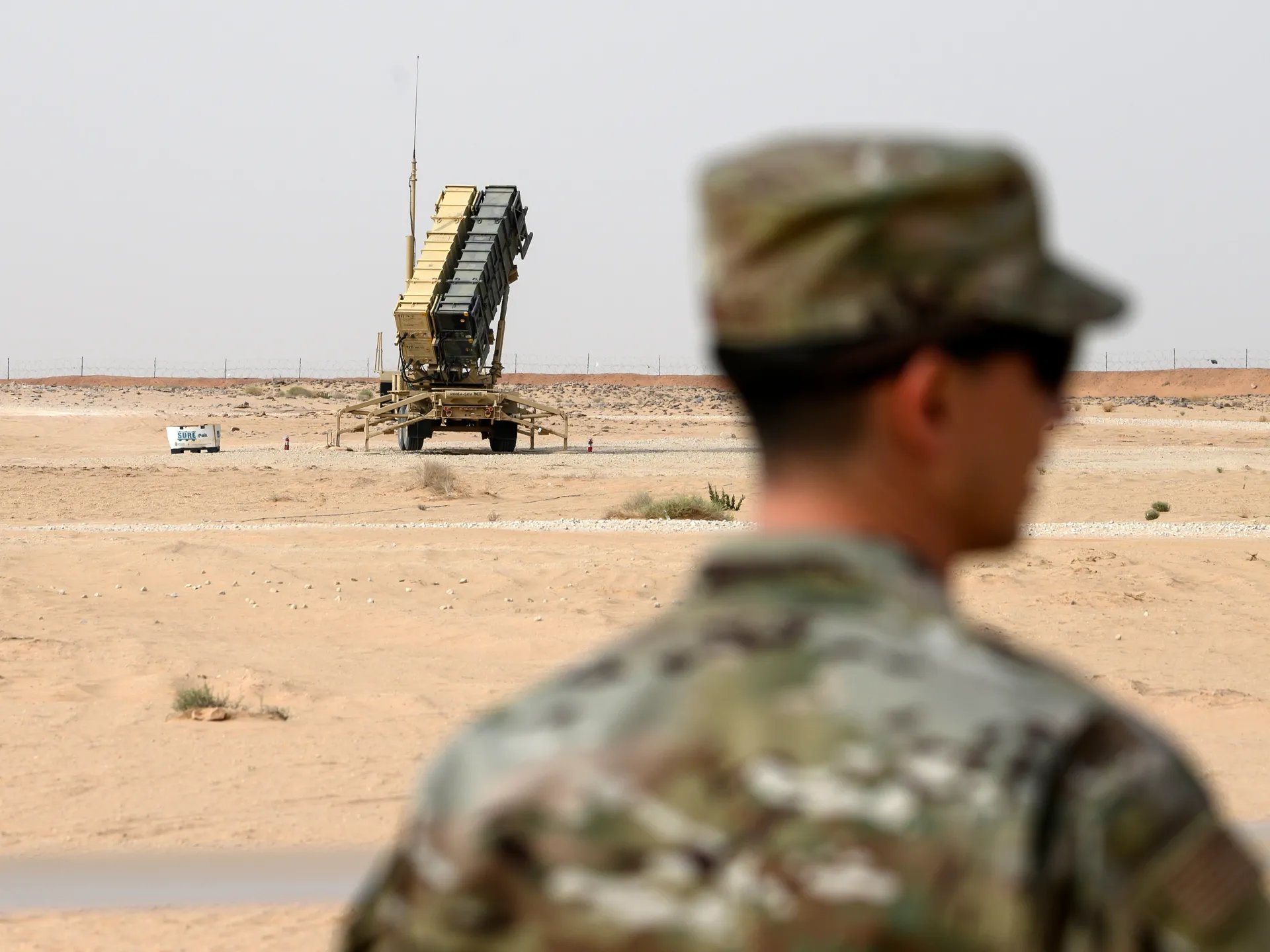
Turkey's Ministry of National Defense confirmed that NATO air defenses neutralized a ballistic missile launched from Iran after it entered Turkish airspace. The missile was intercepted by NATO air and missile defense assets deployed in the Eastern Mediterranean, marking the fourth such interception of an Iranian projectile approaching or entering Turkish territory. Iran has previously denied launching projectiles at Turkey.
Escalating Missile Campaign Strains Defenses
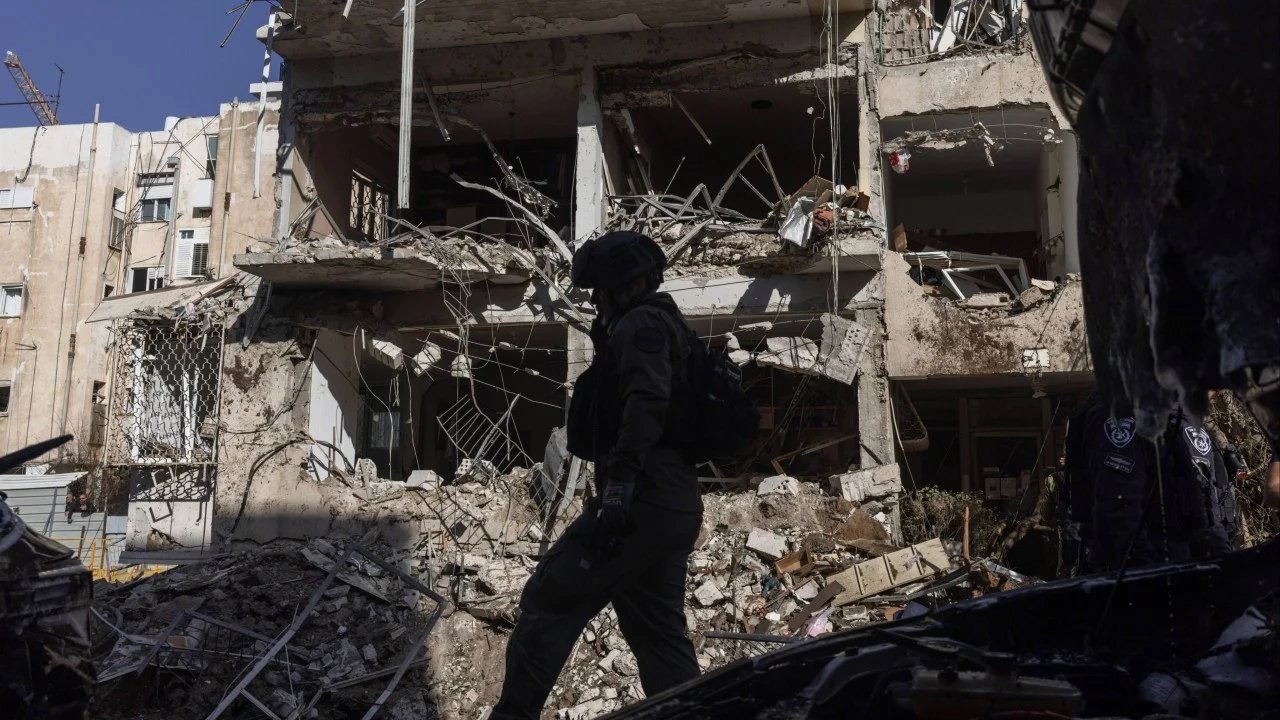
Iran has launched nearly 1,200 ballistic missiles and 4,000 rudimentary Shahed cruise missiles at Gulf countries since the conflict began on Feb. 28, according to official reports from those nations. These increasingly effective strikes have consumed at least 2,400 interceptors, a number approaching the known prewar stockpiles of countries defending the region. The weekend saw some of the heaviest Iranian ballistic missile attacks on Gulf targets since the war began.
Trump Administration Signals New Diplomatic Approach
President Donald Trump told the New York Post on Monday that the U.S. is now dealing with "a whole new set of people" in Iran following what he described as "total regime change." Trump claimed to the New York Post that the new Iranian leadership has been "much more reasonable" than their predecessors. Trump added that the U.S. is waiting to see if Iran's Parliamentary Leader Mohammad Bagher Ghalibaf will work with the U.S., stating he would provide more information within a week.
Iran Rejects U.S. Peace Terms
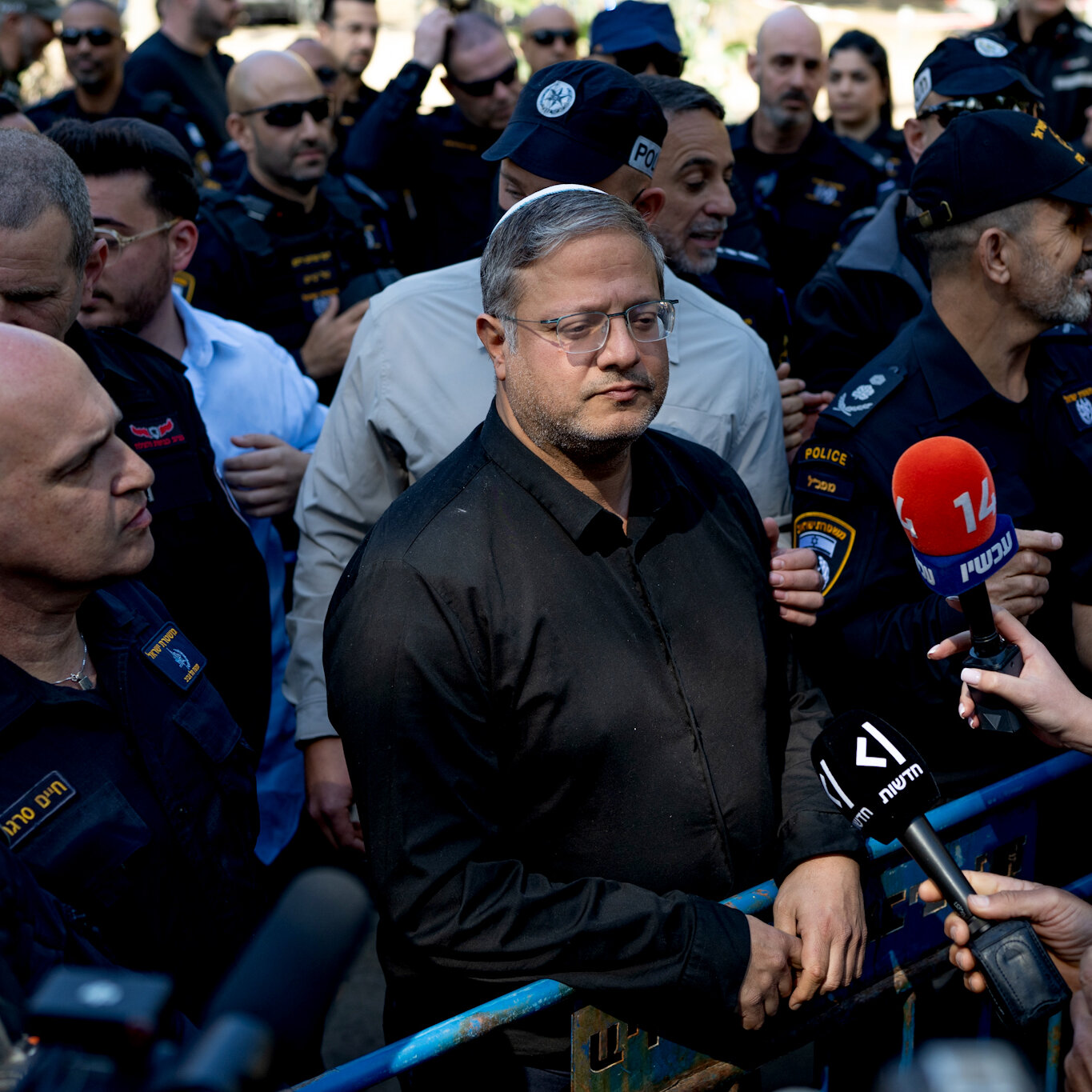
Esmaeil Baqaei, spokesman for Iran's Foreign Ministry, rejected American peace proposals on Monday, calling them "excessive, unrealistic, and illogical." Baqaei said Iran has received U.S. proposals through intermediaries including Pakistan but stressed that negotiations have not occurred. He emphasized that Iran continues to face "military aggression and invasion by America" and is "exerting all our efforts and capabilities to defend ourselves."
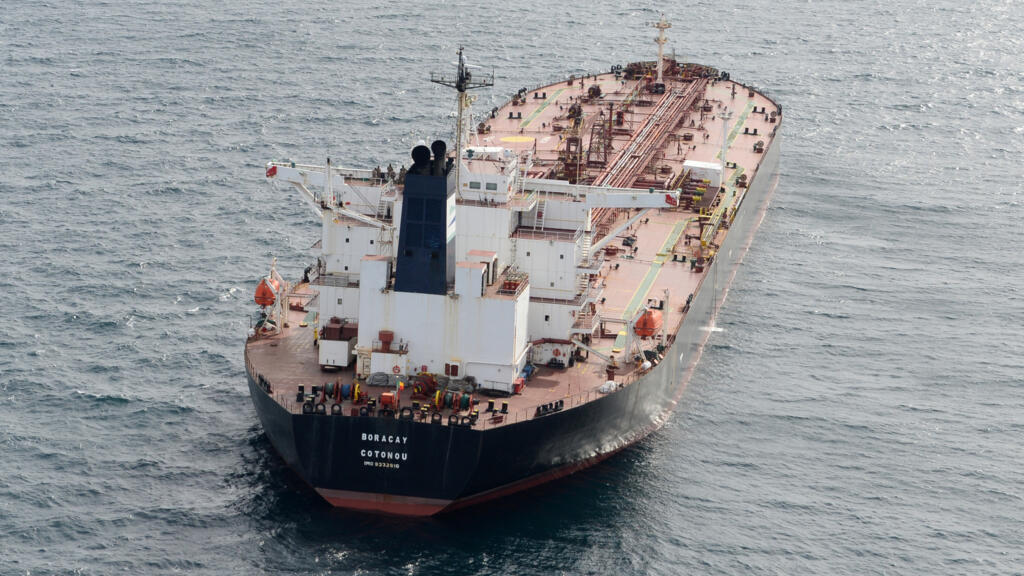
Controlling Shipping Routes Becomes Priority
Treasury Secretary Scott Bessent said on Fox and Friends that the U.S. will "retake control" of the Strait of Hormuz either through American or multinational escort operations. More and more ships are moving through the strait on a daily basis as individual countries cut deals with the Iranian regime for the time being, Bessent said. But over time, the U.S. will retake control of the Strait and ensure freedom of navigation, whether through U.S. or multinational escort.