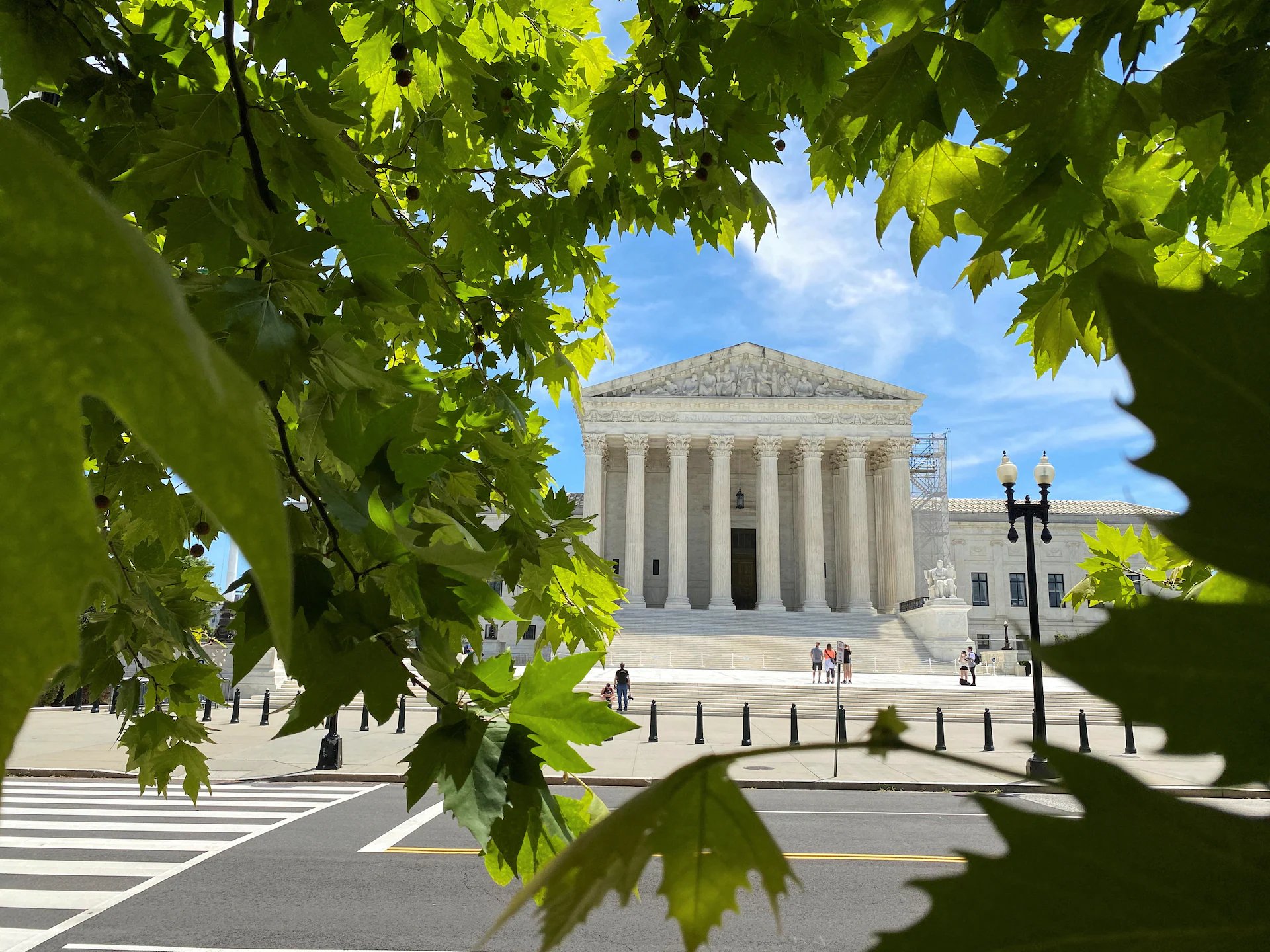
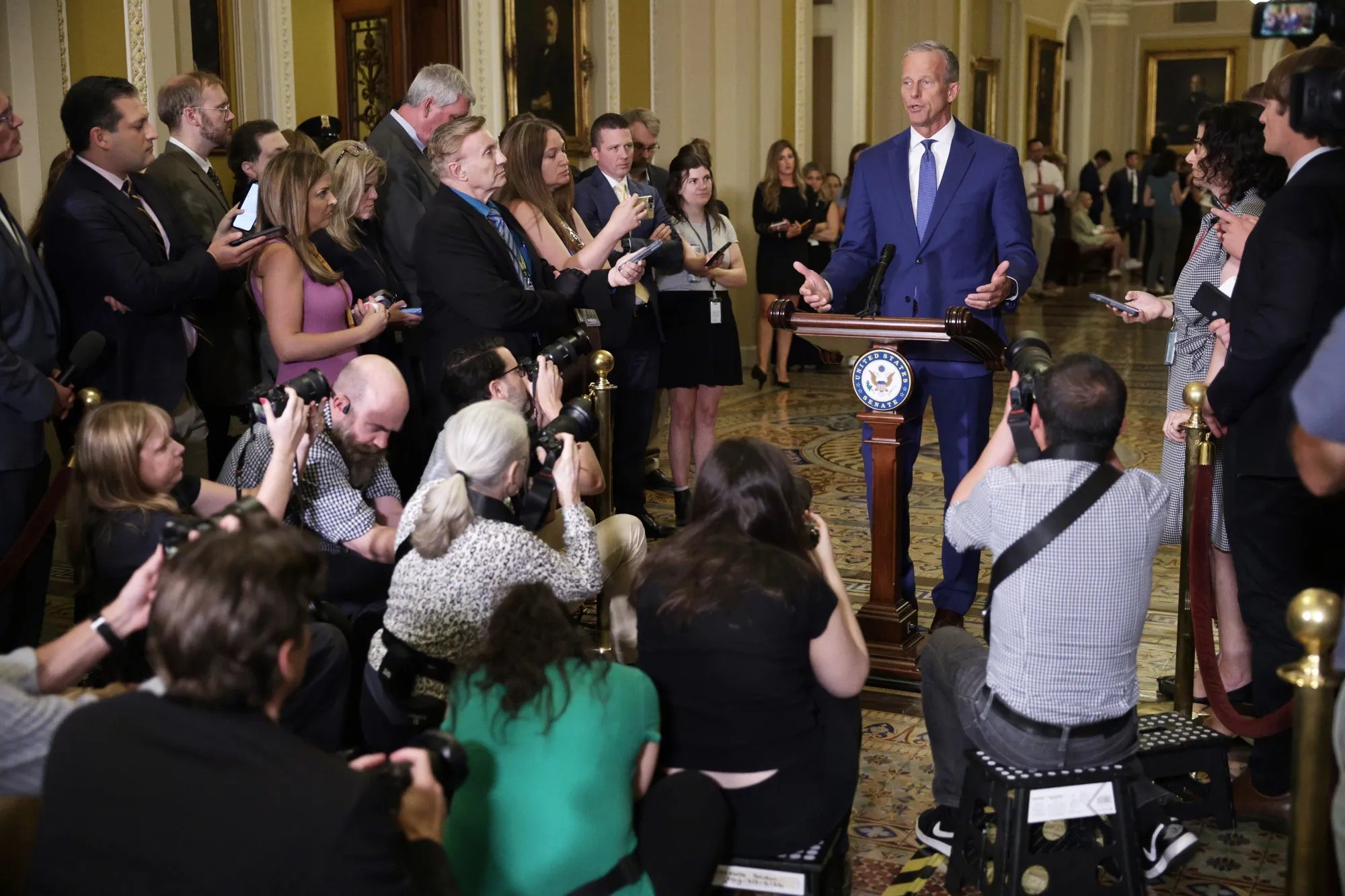
The Supreme Court appeared split Monday over whether to block thousands of lawsuits alleging that Roundup, a widely used weedkiller, failed to warn consumers it could cause cancer. The case, Monsanto v. Durnell, centers on glyphosate, the chemical used in Roundup and numerous other herbicide products sold by the former Monsanto company, now owned by Germany's Bayer.
At issue is whether federal law preempts state actions that permit consumers to sue companies for failing to warn of product risks such as cancer. The justices peppered lawyers for Bayer with a barrage of questions over pesticide regulation Monday, wrestling with how to balance federal oversight against individual rights to seek damages.
The court's division suggests a landmark ruling is imminent that could reshape product liability law. The case could help determine the future of thousands of lawsuits against the maker of the popular herbicide over claims that it causes cancer. A decision limiting Americans' ability to sue pesticide makers over alleged health harms would represent a significant shift in how consumers can challenge manufacturers.
It will also determine whether Bayer can use federal regulatory approval as a shield against state-level litigation, a question that extends far beyond pesticides to other consumer products.
The high court agreed to take up the case earlier this year after a request from Monsanto, signaling that the justices saw the question as worthy of their attention despite the company's regulatory approval from federal agencies.
A ruling in Bayer's favor would limit Americans' ability to sue pesticide makers over alleged health harms from their products. Conversely, a decision allowing the lawsuits to proceed would preserve state-level remedies for consumers who believe they were harmed by inadequate warnings, even when federal regulators approved the product's sale.
The Supreme Court appeared split Monday over whether to block thousands of lawsuits alleging that Roundup, a widely used weedkiller, failed to warn consumers it could cause cancer. The case, Monsanto v. Durnell, centers on glyphosate, the chemical used in Roundup and numerous other herbicide products sold by the former Monsanto company, now owned by Germany's Bayer.
At issue is whether federal law preempts state actions that permit consumers to sue companies for failing to warn of product risks such as cancer. The justices peppered lawyers for Bayer with a barrage of questions over pesticide regulation Monday, wrestling with how to balance federal oversight against individual rights to seek damages.
The court's division suggests a landmark ruling is imminent that could reshape product liability law. The case could help determine the future of thousands of lawsuits against the maker of the popular herbicide over claims that it causes cancer. A decision limiting Americans' ability to sue pesticide makers over alleged health harms would represent a significant shift in how consumers can challenge manufacturers.
The outcome will affect millions of plaintiffs who have filed claims. It will also determine whether Bayer can use federal regulatory approval as a shield against state-level litigation, a question that extends far beyond pesticides to other consumer products.
The case pits the Make America Healthy Again movement against the Trump administration. The high court agreed to take up the case earlier this year after a request from Monsanto, signaling that the justices saw the question as worthy of their attention despite the company's regulatory approval from federal agencies.
A ruling in Bayer's favor would limit Americans' ability to sue pesticide makers over alleged health harms from their products. Conversely, a decision allowing the lawsuits to proceed would preserve state-level remedies for consumers who believe they were harmed by inadequate warnings, even when federal regulators approved the product's sale.
Highlighted text was flagged by the council. Tap to see feedback.