




The Settlement Terms
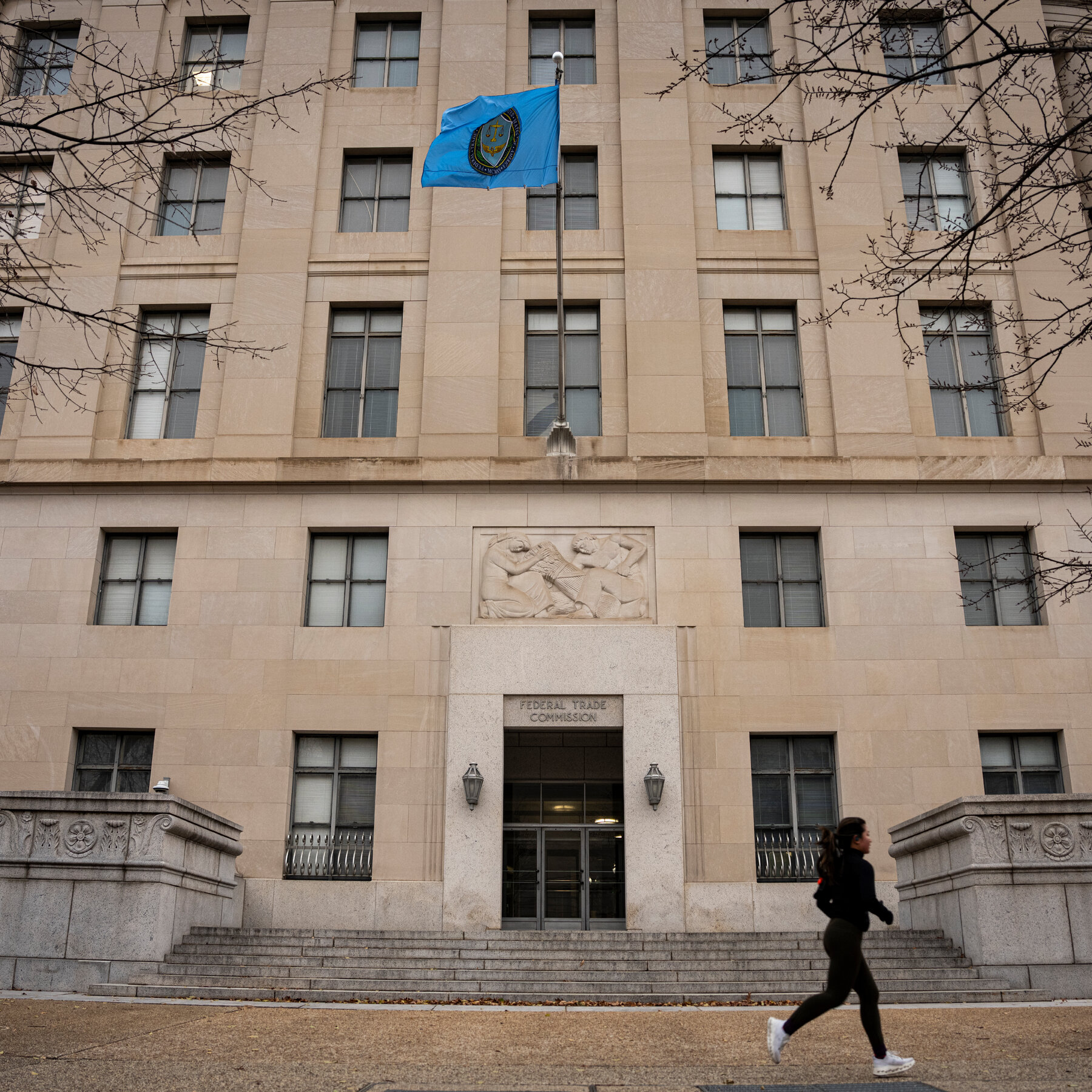
WPP, Dentsu and Publicis settled claims from the Federal Trade Commission regarding policies that allegedly denied ad revenue to publishers on the right, while denying any collusion. The agencies faced allegations of collusion to combat misinformation, as outlined in documents from the probe. This resolution imposes new compliance obligations that alter how these firms handle political content in advertising.
Agencies in the Spotlight
WPP led the group of agencies under scrutiny, with Dentsu and Publicis named in the New York Times report as participants in the alleged actions. The settlement stems from a probe that began after complaints about boycotts targeting conservative sites. These three companies now must adjust their business practices to avoid future disputes with regulators.
FTC's Role and Criticism
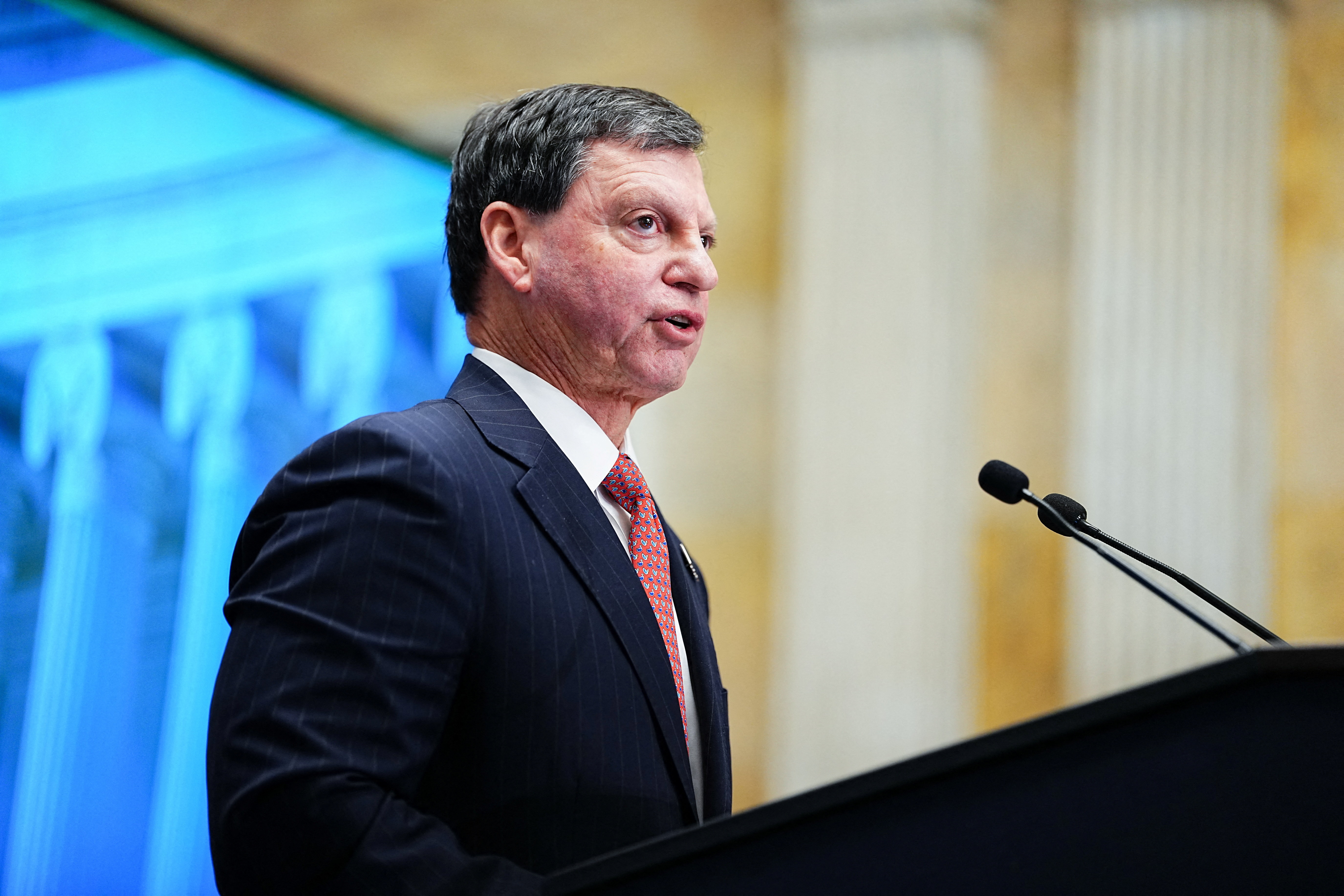
FTC Chairman Andrew Ferguson oversaw the investigation into potentially unlawful advertiser boycotts, according to the Reason article. Ferguson brought in senior staff critical of groups like Media Matters for America, which had highlighted ads next to content they characterized as pro-Nazi on platforms like X.
Effects on Advertising Practices
The settlement requires the agencies to provide internal documents and financial records, as demanded in a civil investigative demand issued in May 2025. This demand sought sensitive journalistic material from Media Matters, according to court filings. As a result, companies in the industry face heightened scrutiny that could influence how they place ads and engage with political discourse.
Financial and Speech Implications
Media Matters for America reported losing donors due to the FTC's actions, linking it to a chilling effect on free speech. The organization argued in court that the probe targeted their advocacy, including calls for advertiser boycotts as a form of protest. Supreme Court precedent protects such activities, yet the FTC claimed public evidence justified their inquiry, creating tension between regulation and expression.
What This Means for Consumers
The resolution affects how ads appear on platforms, potentially reducing exposure to certain content that users encounter daily. People who rely on online media for news might see changes in funding for publishers, as ad boycotts could limit revenue streams. This shift in practices may lead to more cautious advertising decisions that impact the diversity of information available online.
Families and businesses using digital services could face indirect costs, such as higher prices for products promoted through ads, due to the new compliance burdens on agencies. Workers in advertising might experience job changes as firms adapt to these rules, altering career paths in the sector. Overall, the settlement underscores how regulatory actions shape the digital economy that touches everyday life.
Looking at the Aftermath
The FTC's probe, now resolved for the agencies, has deterred journalistic projects at groups like Media Matters, as noted in their filings. This outcome establishes a precedent for future enforcement that could prompt more companies to review their policies. Individuals concerned about online speech now have a clearer example of how boycotts intersect with legal challenges, offering a path to monitor industry changes.