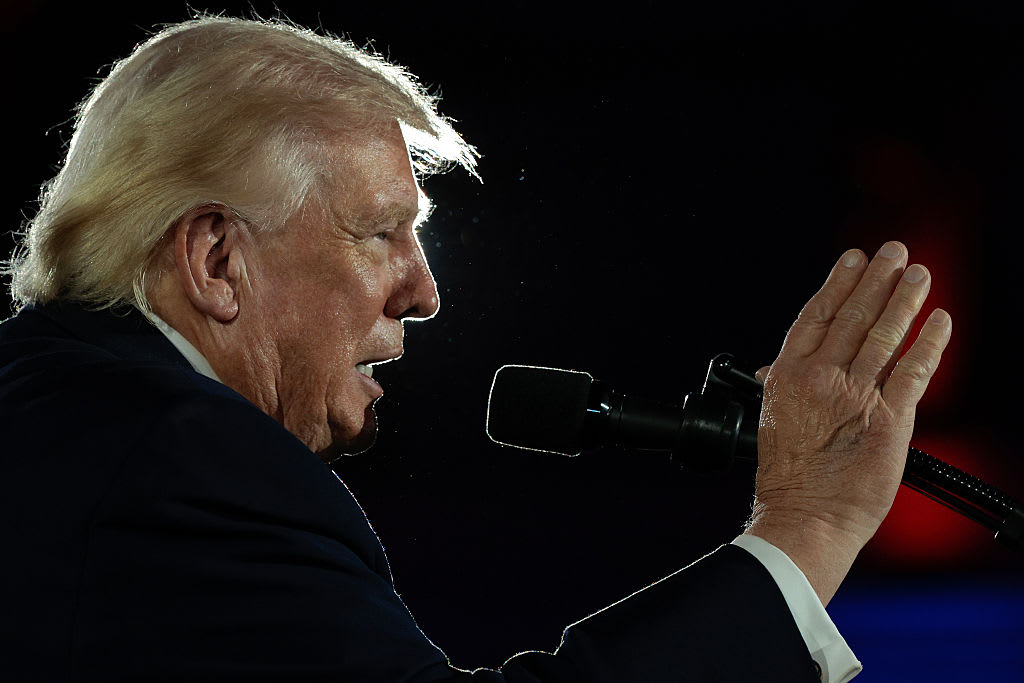
The S&P 500 surged 2.3% Tuesday while the Dow Jones Industrial Average jumped 714 points, driven by President Trump's announcement that US-Iran negotiations could resume in Islamabad within two days. The rally erased what traders call the "war premium" that had weighed on markets since tensions escalated, with the dollar falling to six-week lows against major currencies.
Dutch semiconductor equipment maker ASML boosted its 2026 revenue forecast by 15% as artificial intelligence chip demand drove record new orders, sending its shares up 8% and lifting the entire tech sector. The company's lithography machines, which cost up to $350 million each, have become critical infrastructure for AI chip production. ASML now expects revenue of $46 billion in 2026, up from its previous forecast of $40 billion, citing "insatiable" demand from customers like Taiwan Semiconductor and Intel.
Morgan Stanley's stock traders posted their best quarter ever, joining Goldman Sachs and JPMorgan in capitalizing on market swings that generated $28 billion in combined Wall Street trading revenue. The trading windfall came as investors scrambled to reposition portfolios around shifting geopolitical risks and Federal Reserve policy expectations.
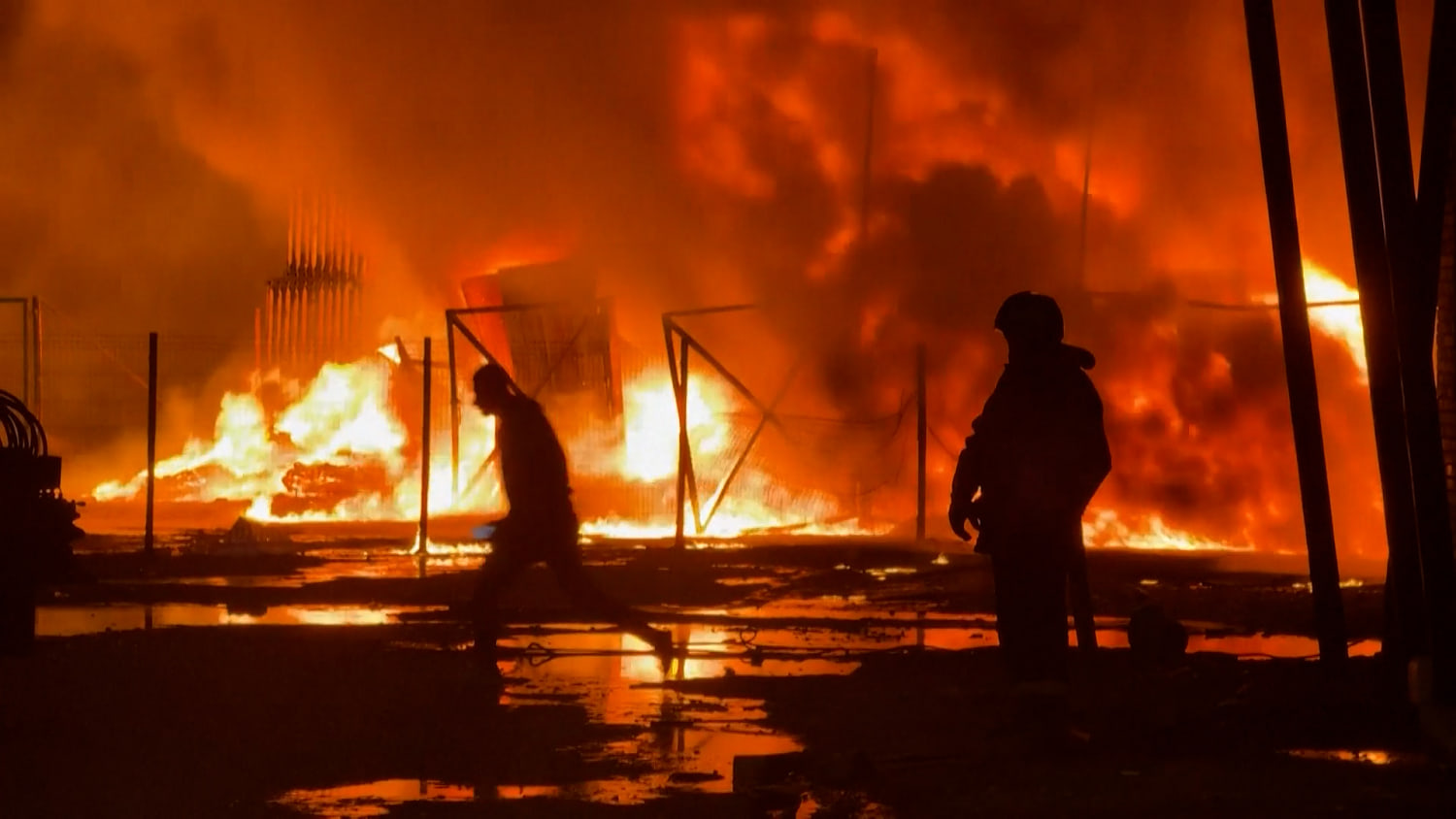
Brent crude rose 1.2% to $89.40 per barrel even as diplomatic progress emerged, with shipping constraints through the Strait of Hormuz offsetting optimism about potential talks. Energy analysts note that even if talks succeed, it could take months to restore normal shipping patterns through the critical chokepoint.
Gold steadied at $2,042 per ounce, maintaining gains as investors weigh the possibility of peace against the reality of ongoing shipping disruptions that have already driven energy prices up 18% this quarter. The precious metal has gained 8% since tensions escalated, with traders using it as insurance against both military escalation and potential inflation from higher energy costs.
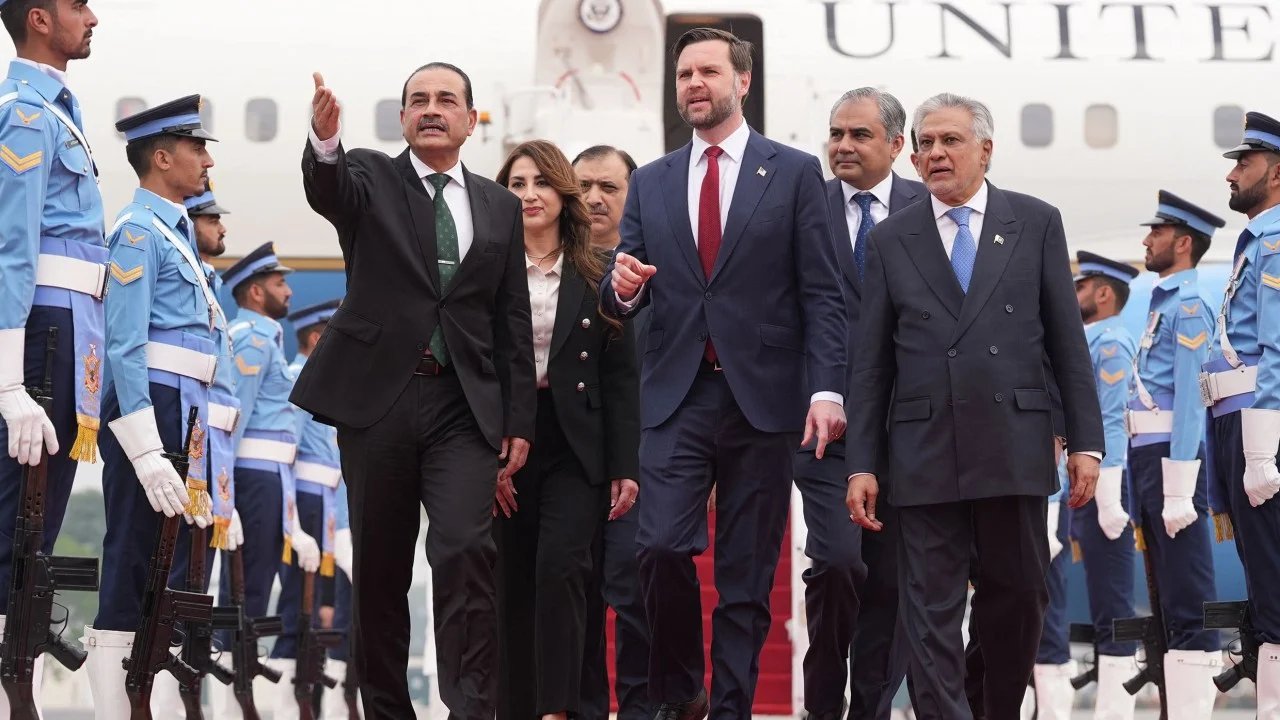
Pakistani officials confirmed they expect talks to restart soon, with Islamabad serving as mediator between the longtime adversaries, though they cautioned the timeline might extend beyond Trump's two-day prediction. The country hosted its second confidence-building phone call in a week between Iranian and US diplomats, according to diplomatic sources. Pakistan's foreign ministry is working to shield Gulf states from potential fallout, proposing a framework that would gradually ease sanctions in exchange for Iranian cooperation on regional security issues.
The S&P 500 surged 2.3% Tuesday while the Dow Jones Industrial Average jumped 714 points, driven by President Trump's announcement that US-Iran negotiations could resume in Islamabad within two days. The rally erased what traders call the "war premium" that had weighed on markets since tensions escalated, with the dollar falling to six-week lows against major currencies. For the typical American household with $180,000 in retirement savings, Tuesday's gains added approximately $4,140 to their portfolio value.
Dutch semiconductor equipment maker ASML boosted its 2026 revenue forecast by 15% as artificial intelligence chip demand drove record new orders, sending its shares up 8% and lifting the entire tech sector. The company's lithography machines, which cost up to $350 million each, have become critical infrastructure for AI chip production. ASML now expects revenue of $46 billion this year, up from its previous forecast of $40 billion, citing "insatiable" demand from customers like Taiwan Semiconductor and Intel.
Morgan Stanley's stock traders posted their best quarter ever, joining Goldman Sachs and JPMorgan in capitalizing on market swings that generated $28 billion in combined Wall Street trading revenue. Fixed-income trading revenue at major banks jumped 31% from last quarter, while equity trading rose 24%, according to regulatory filings. The trading windfall came as investors scrambled to reposition portfolios around shifting geopolitical risks and Federal Reserve policy expectations.
Brent crude rose 1.2% to $89.40 per barrel even as diplomatic progress emerged, with shipping constraints through the Strait of Hormuz offsetting optimism about potential talks. More than 20% of global oil shipments normally pass through the narrow waterway, where Iranian forces have maintained a near-total blockade for weeks. Energy analysts note that even if talks succeed, it could take months to restore normal shipping patterns through the critical chokepoint.
Gold steadied at $2,042 per ounce, maintaining gains as investors weigh the possibility of peace against the reality of ongoing shipping disruptions that have already driven energy prices up 18% this quarter. Hedge funds have slashed bullish dollar bets by 40% in the past week, according to Commodity Futures Trading Commission data, while increasing gold positions by $2.3 billion. The precious metal has gained 8% since tensions escalated, with traders using it as insurance against both military escalation and potential inflation from higher energy costs.
Pakistani officials confirmed they expect talks to restart soon, with Islamabad serving as mediator between the longtime adversaries, though they cautioned the timeline might extend beyond Trump's two-day prediction. The country hosted its second confidence-building phone call in a week between Iranian and US diplomats, according to diplomatic sources. Pakistan's foreign ministry is working to shield Gulf states from potential fallout, proposing a framework that would gradually ease sanctions in exchange for Iranian cooperation on regional security issues.
Highlighted text was flagged by the council. Tap to see feedback.