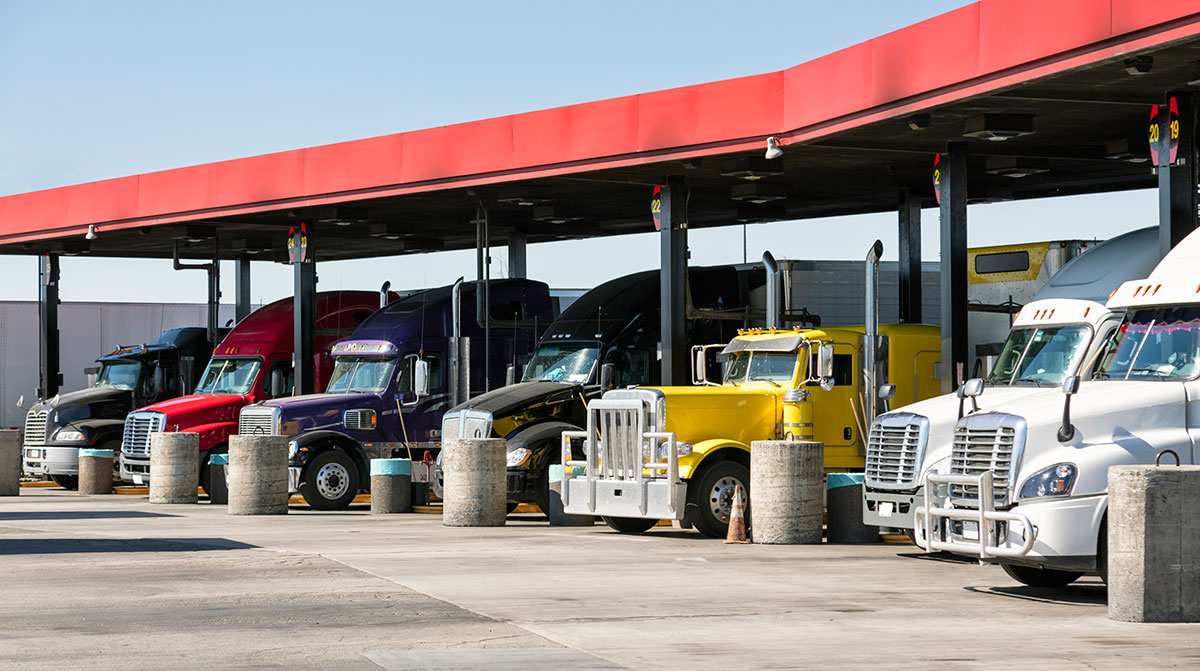
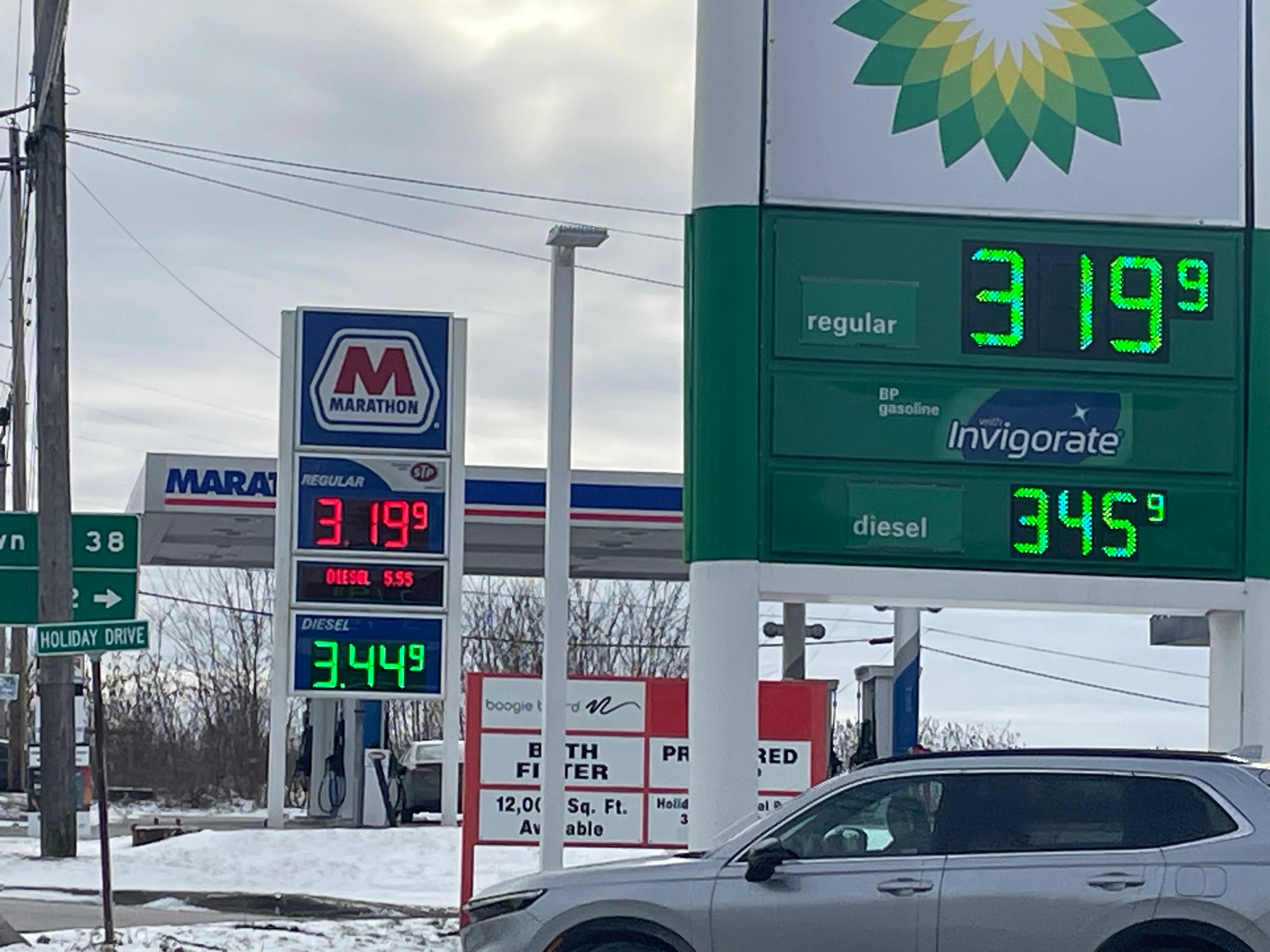
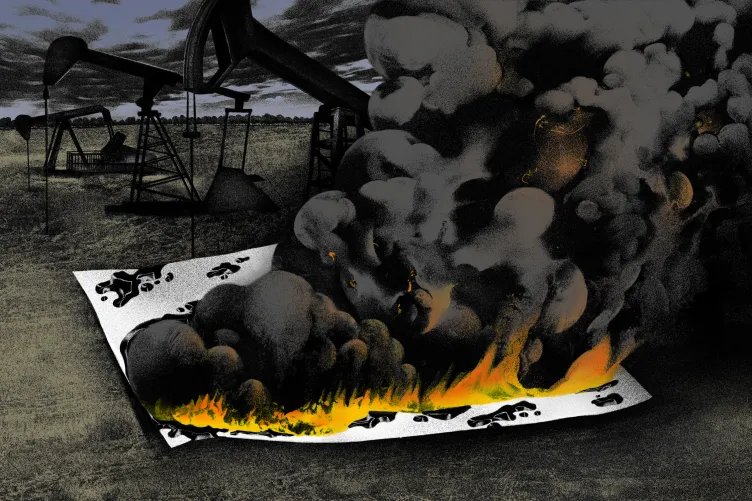
U.S. truckers are grappling with unprecedented diesel expenses, which have surged to an all-time high in response to ongoing conflicts in the Middle East. This spike in fuel costs has a direct impact on the trucking industry, as operators face mounting pressure on their profit margins.
The escalating diesel prices are expected to trickle down to consumers, resulting in increased freight costs for a wide range of goods. Analysts predict that this could lead to price increases on everyday items as companies adjust their pricing strategies to accommodate the higher transportation costs.
Independent truck drivers are particularly vulnerable to these rising costs.
The record-high diesel prices are also raising concerns about the broader economy. The trucking industry's struggles may signal larger economic challenges ahead, as higher costs could stifle consumer spending and dampen economic growth.
In response to the crisis, some trucking companies are exploring alternative fuel options and more efficient routing strategies to mitigate costs. However, the transition to alternative fuels can be costly and time-consuming. Industry leaders emphasize the need for immediate solutions, urging policymakers to consider measures that could stabilize fuel prices and support the trucking sector during this turbulent time.
Legislators are beginning to take notice of the situation, with some proposing measures to address the fuel price crisis. Senator Lisa Murkowski has called for a review of energy policies that could alleviate some of the financial burdens placed on truckers. As discussions around potential legislative action unfold, the trucking industry remains hopeful for relief that could prevent further economic fallout.
The record-high diesel prices not only threaten the livelihoods of truckers but also risk increasing the cost of living for consumers nationwide. As the situation evolves, stakeholders across the economy will be closely monitoring developments to gauge their impacts on both the trucking industry and the broader market.
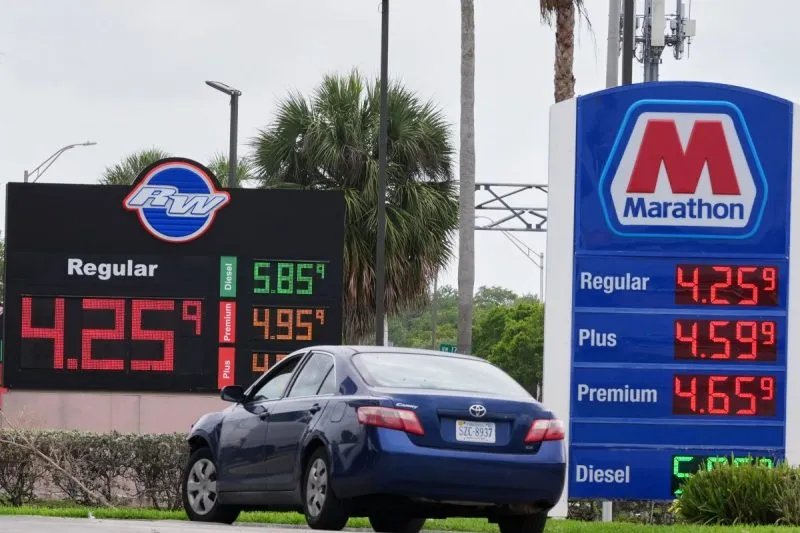
U.S. truckers are grappling with unprecedented diesel expenses, which have surged to an all-time high in response to ongoing conflicts in the Middle East. As of mid-April, the average price for diesel fuel has reached $5.78 per gallon, marking a 40% increase from the previous year. This spike in fuel costs has a direct impact on the trucking industry, as operators face mounting pressure on their profit margins.
The escalating diesel prices are expected to trickle down to consumers, resulting in increased freight costs for a wide range of goods. Trucking companies, which transport approximately 70% of all freight in the United States, will likely pass these higher operational costs onto businesses and ultimately consumers. Analysts predict that this could lead to price increases on everyday items as companies adjust their pricing strategies to accommodate the higher transportation costs.
Independent truck drivers are particularly vulnerable to these rising costs. Many small operators report that their take-home pay has been significantly affected, with some stating that fuel expenses now consume nearly 40% of their earnings. "I have to choose between putting food on the table or fueling my truck," said one independent driver, highlighting the tough choices many are facing as fuel prices soar.
The record-high diesel prices are also raising concerns about the broader economy. Economists warn that sustained increases in transportation costs could contribute to inflationary pressures, complicating the Federal Reserve's efforts to stabilize prices. The trucking industry’s struggles may signal larger economic challenges ahead, as higher costs could stifle consumer spending and dampen economic growth.
In response to the crisis, some trucking companies are exploring alternative fuel options and more efficient routing strategies to mitigate costs. However, the transition to alternative fuels can be costly and time-consuming. Industry leaders emphasize the need for immediate solutions, urging policymakers to consider measures that could stabilize fuel prices and support the trucking sector during this turbulent time.
Legislators are beginning to take notice of the situation, with some proposing measures to address the fuel price crisis. Senator Lisa Murkowski has called for a review of energy policies that could alleviate some of the financial burdens placed on truckers. As discussions around potential legislative action unfold, the trucking industry remains hopeful for relief that could prevent further economic fallout.
The record-high diesel prices not only threaten the livelihoods of truckers but also risk increasing the cost of living for consumers nationwide. As the situation evolves, stakeholders across the economy will be closely monitoring developments to gauge their impacts on both the trucking industry and the broader market.
Highlighted text was flagged by the council. Tap to see feedback.