





A Decades-Long Decline Accelerates
The teenage birth rate in the U.S. fell 7% in 2025, marking another milestone in a downward trend. Nearly 126,000 babies were born to mothers ages 15 to 19, translating to a rate of 11.7 births per 1,000 females in that age group, according to provisional data released Thursday by the National Center for Health Statistics, part of the Centers for Disease Control and Prevention.
Brady Hamilton, the lead statistician demographer on the report, called the decline "really quite extraordinary." The scale of the shift becomes clear in historical comparison: the teen birth rate stood at 61.8 births per 1,000 in 1991, meaning today's rate has fallen by more than 80% in the intervening decades.
What's Driving the Drop
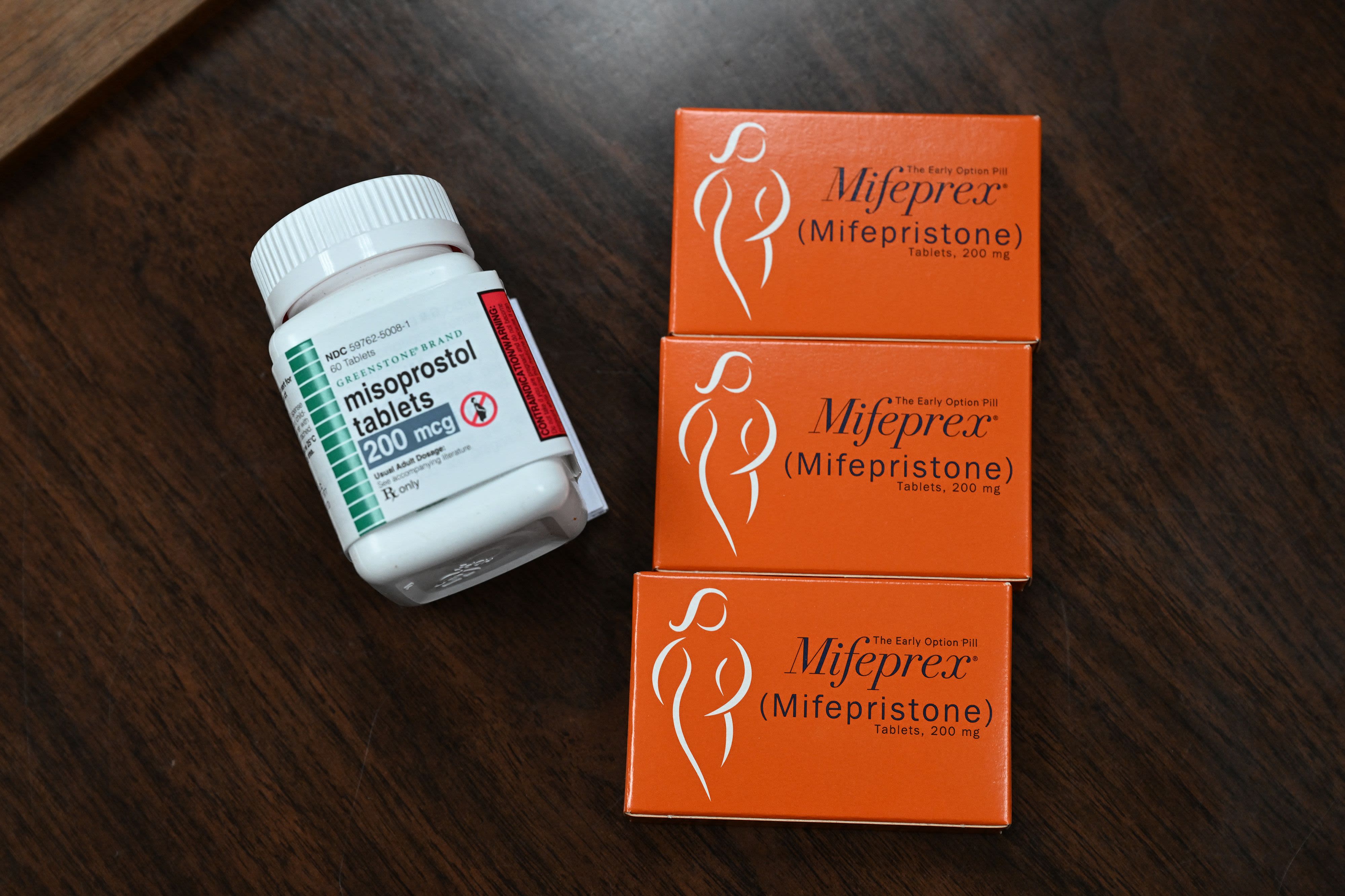
Multiple factors underlie the decline, according to researchers studying the trend. Bianca Allison, a pediatrician and professor at the University of North Carolina School of Medicine, points to lower rates of teen pregnancy overall, which she attributes to higher use of contraception among young people, lower sexual activity for youth, and continued access to abortion care.
Allison, a fellow with Physicians for Reproductive Health, emphasizes that understanding this shift requires clarity about causation. "The birth certificate does not allow us to address the question of why," Hamilton notes, explaining a limitation of the data source itself. Still, the convergence of contraceptive availability, behavioral changes, and reproductive options has created measurable demographic change.
Interpreting the Outcome
Experts disagree on how to interpret the decline. Bianca Allison, a pediatrician at the University of North Carolina School of Medicine, says the meaning depends on perspective. From the perspective of reproductive health access, "this should be celebrated as long as this is aligned with what people are actually wanting for themselves."
She pushes back against narratives suggesting teen parenthood inevitably derails young people's futures. "Many of those outcomes are due to the lack of societal, institutional and systemic supports that young people receive to parent, not their lack of ability to parent," she says. She cautions against complacency, urging continued investment in educational, social and medical support for teen parents who do choose to have children.
What Comes Next
Final data, which will include additional demographic breakdowns, typically arrives in August. The report also found that the overall birth rate fell 1% from the previous year and that cesarean delivery rates rose to 32.5%, the highest level since 2013.

The NPR report states that the CDC said this year's report is 'covering fewer topics than previous provisional birth reports,' but race data is still available on CDC's WONDER online database.








































The sources also report that this year's provisional report omits analysis of births by the mother's race or ethnicity, though such data remains available on CDC's WONDER online database.