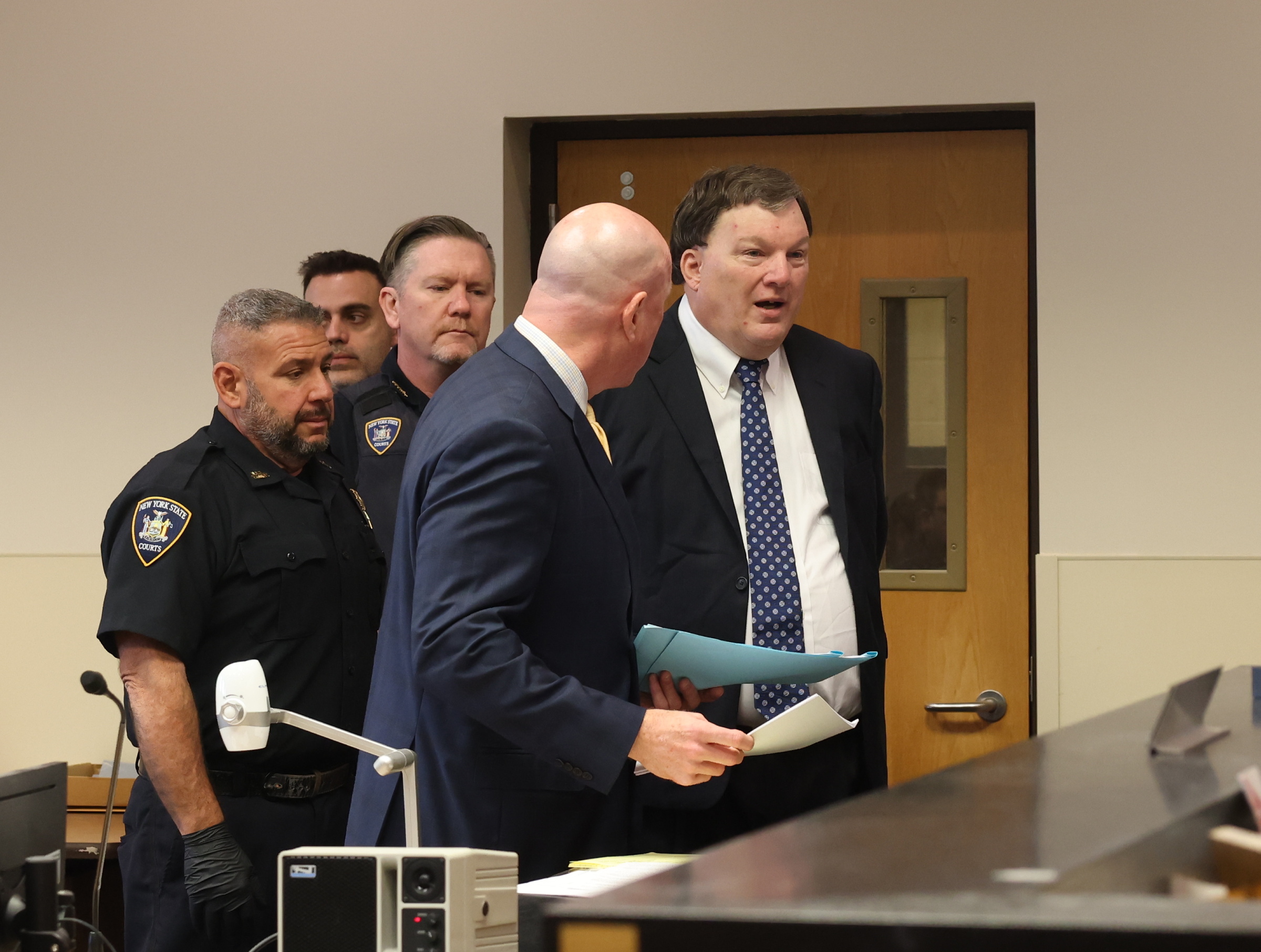
Rex Heuermann, a 62-year-old architect from Long Island, pleaded guilty on April 8 to the murders of seven women and admitted to killing an eighth, Karen Vergata, in a series of killings known as the Gilgo Beach murders. Heuermann's admission in Suffolk County court marks a significant legal resolution to a case that has haunted the community for nearly three decades. He faces a sentence of life in prison without the possibility of parole. The courtroom was filled with reporters, police, and family members of the victims, some of whom wept as Heuermann detailed his crimes.
Heuermann's guilty plea included three counts of first-degree murder and four counts of intentional murder. He strangled many of his victims, who were often sex workers, over a 17-year period, burying their remains in remote locations, including along a secluded beach highway near his home. Suffolk County District Attorney Ray Tierney announced that Heuermann's confessions bring closure to a case that has perplexed investigators and grieved families for years.
The resolution of this case has brought a mixture of relief and sorrow to the families of the victims. Many relatives expressed gratitude that the long ordeal is finally over, but they also mourn the loss of their loved ones. The emotional toll of the case has been immense, as families waited years for justice. The Gilgo Beach killings captivated public attention and fueled a true-crime obsession, highlighting issues surrounding violence against women and the struggles of sex workers.
As part of his plea deal, Heuermann agreed to talk to behavioral analysts at the F.B.I., a unit that has interviewed serial killers like Ted Bundy, John Wayne Gacy and Richard Speck.
The plea marks a turning point for a community that has lived with the shadow of these murders for decades. Residents have expressed a mix of relief and disbelief, reflecting on the impact of the case on their safety and sense of security. The legacy of the Gilgo Beach murders will likely influence discussions about law enforcement practices and the treatment of vulnerable populations in society, particularly women involved in sex work.
As the case concludes, the community and families of the victims can begin to heal, but the scars of the past will linger. The legal resolution of Heuermann's actions serves as a reminder of the importance of vigilance in protecting the vulnerable and seeking justice for those who cannot speak for themselves.
Rex Heuermann, a 62-year-old architect from Long Island, pleaded guilty on April 8 to the murders of seven women and admitted to killing an eighth, Karen Vergata, in a series of killings known as the Gilgo Beach murders. Heuermann's admission in Suffolk County court marks a significant legal resolution to a case that has haunted the community for nearly three decades. He faces a sentence of life in prison without the possibility of parole. The courtroom was filled with reporters, police, and family members of the victims, some of whom wept as Heuermann detailed his crimes.
Heuermann's guilty plea included three counts of first-degree murder and four counts of intentional murder. He strangled many of his victims, who were often sex workers, over a 17-year period, burying their remains in remote locations, including along a secluded beach highway near his home. Suffolk County District Attorney Ray Tierney announced that Heuermann's confessions bring closure to a case that has perplexed investigators and grieved families for years. The investigation was ultimately aided by DNA evidence recovered from a discarded pizza crust linked to Heuermann.
The resolution of this case has brought a mixture of relief and sorrow to the families of the victims. Many relatives expressed gratitude that the long ordeal is finally over, but they also mourn the loss of their loved ones. The emotional toll of the case has been immense, as families waited years for justice. The Gilgo Beach killings captivated public attention and fueled a true-crime obsession, highlighting issues surrounding violence against women and the struggles of sex workers.
Heuermann's plea deal includes an unusual provision: he has agreed to cooperate with behavioral analysts from the FBI. This collaboration could potentially aid in solving other unsolved murders, as the FBI has previously interviewed notorious serial killers like Ted Bundy and John Wayne Gacy. This aspect of the plea deal underscores a broader effort to understand the motivations behind such heinous crimes and to prevent future tragedies.
Suffolk County law enforcement officials have expressed their commitment to ensuring justice for victims and their families. The Gilgo Beach Homicide Investigation task force, which played a crucial role in cracking the case, will continue to work on related cold cases. As the community processes the guilty plea, officials are hopeful that the resolution of this case will lead to greater awareness and prevention of similar crimes in the future.
The plea marks a turning point for a community that has lived with the shadow of these murders for decades. Residents have expressed a mix of relief and disbelief, reflecting on the impact of the case on their safety and sense of security. The legacy of the Gilgo Beach murders will likely influence discussions about law enforcement practices and the treatment of vulnerable populations in society, particularly women involved in sex work.
As the case concludes, the community and families of the victims can begin to heal, but the scars of the past will linger. The legal resolution of Heuermann's actions serves as a reminder of the importance of vigilance in protecting the vulnerable and seeking justice for those who cannot speak for themselves.
Highlighted text was flagged by the council. Tap to see feedback.