




Price Surge Driven by Energy Costs
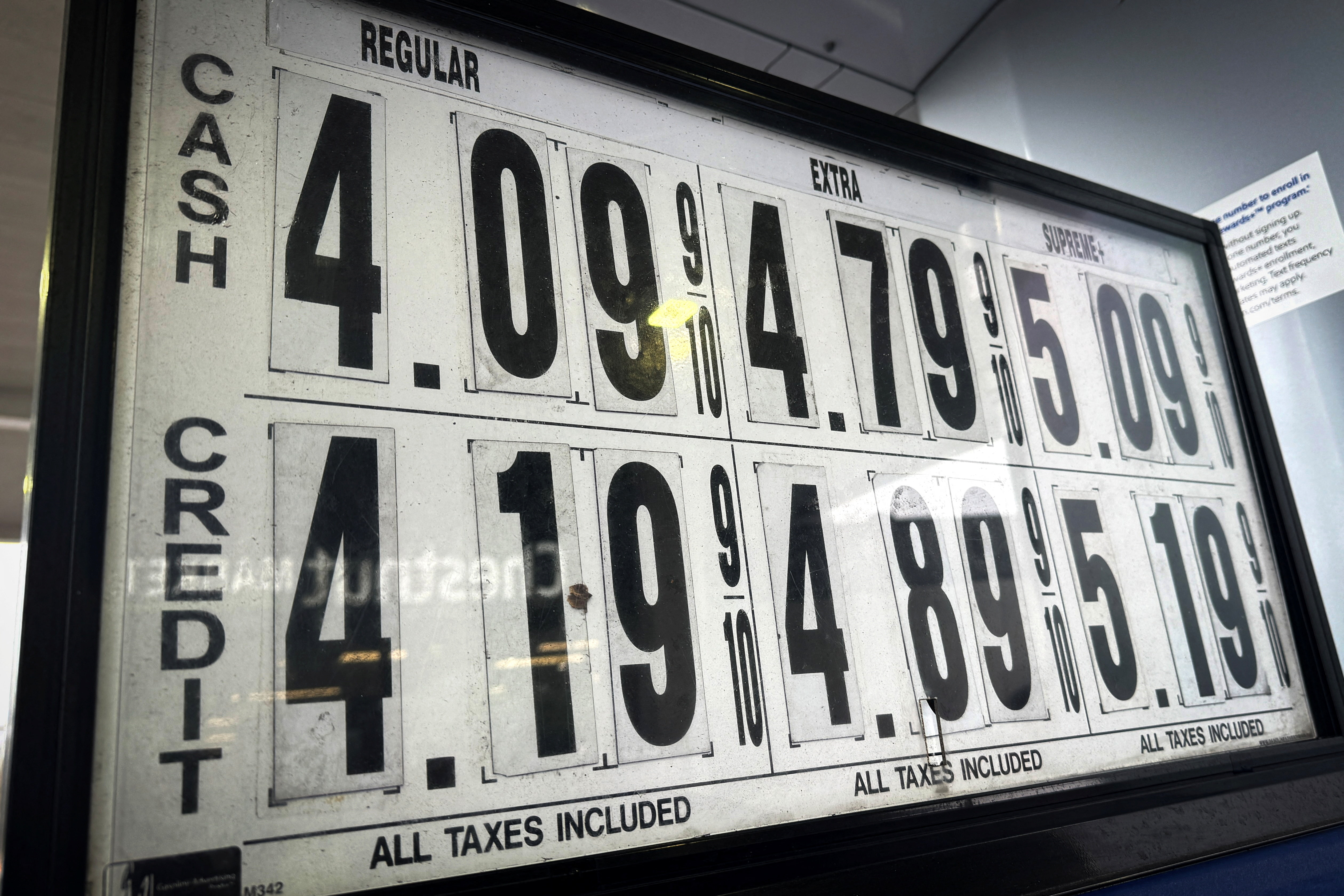
Inflation surged in March, with consumer prices rising 3.3% compared to a year earlier, marking the highest annual increase since May of 2024. This spike is largely attributed to soaring gasoline prices, which increased by more than a dollar per gallon due to the ongoing U.S.-Israeli conflict with Iran. The average price for gasoline reached $4.15 per gallon, up from $2.98 just before the conflict began. The Bureau of Labor Statistics reported that energy prices overall jumped nearly 12% from February to March, with gasoline accounting for almost three-quarters of the monthly increase.

ABC News reports that AAA data showed gasoline prices stood at $4.15 on average per gallon on Friday, marking a leap of $1.17 since the start of the war.
Broader Economic Implications
With the consumer price index rising 0.9% between February and March—the largest monthly jump in nearly four years—the Fed faces pressure to reconsider its approach to interest rates. Federal Reserve Chairman Jerome Powell previously indicated that the central bank would not rush to raise rates despite rising energy prices, noting that such shocks are often temporary. Many Fed officials have said a rate hike may be needed if core inflation does not cool noticeably.
Impact on Consumer Spending
Higher energy costs are expected to affect consumer behavior significantly. As gas prices rise, many Americans may find their disposable income shrinking, prompting them to cut back on other spending. The inflationary pressure from energy costs could also weigh down economic growth, as consumers typically have limited options to adjust their driving habits based on where they live and work. The current unemployment rate stands at 4.3%, but companies are not hiring aggressively, leading to concerns about the overall strength of consumer demand.
Core Inflation Remains Elevated
Excluding volatile food and energy prices, core inflation rose to 2.6% in March, up from 2.5% in February. This indicates that the inflationary pressures are not confined solely to energy costs, which could have broader implications for the economy. Analysts are closely monitoring the situation, as a sustained increase in core inflation could prompt the Fed to take more aggressive action. The uncertainty surrounding the war in the Middle East and its impact on global oil supplies continues to loom large, raising questions about the future trajectory of prices.
Fed's Dilemma: Growth vs. Inflation
The Federal Reserve is now faced with a challenging dilemma: balancing the need to control inflation while fostering economic growth. The central bank's benchmark interest rate currently stands between 3.5% and 3.75%. Investors largely expect the Fed to keep rates unchanged in the near term, but rising inflation could change that sentiment. The Fed's next rate decision is set for April 29, where it may opt to maintain current rates or consider a hike depending on economic indicators.
Conclusion: A Period of Uncertainty
The current inflation surge presents a complex challenge for both consumers and policymakers. As energy prices remain volatile and the geopolitical landscape continues to shift, the implications for household budgets and the broader economy are significant. Consumers will need to adapt to higher costs, while the Federal Reserve must carefully navigate its monetary policy in the face of rising inflation, ensuring that the strategies employed do not hinder economic recovery.






































The sources also report that gasoline prices were 25% higher in March than February, and that U.S. oil prices topped $98 a barrel as of Thursday, standing nearly 50% higher than their pre-war level.