




Market Reaction to Ceasefire Announcement
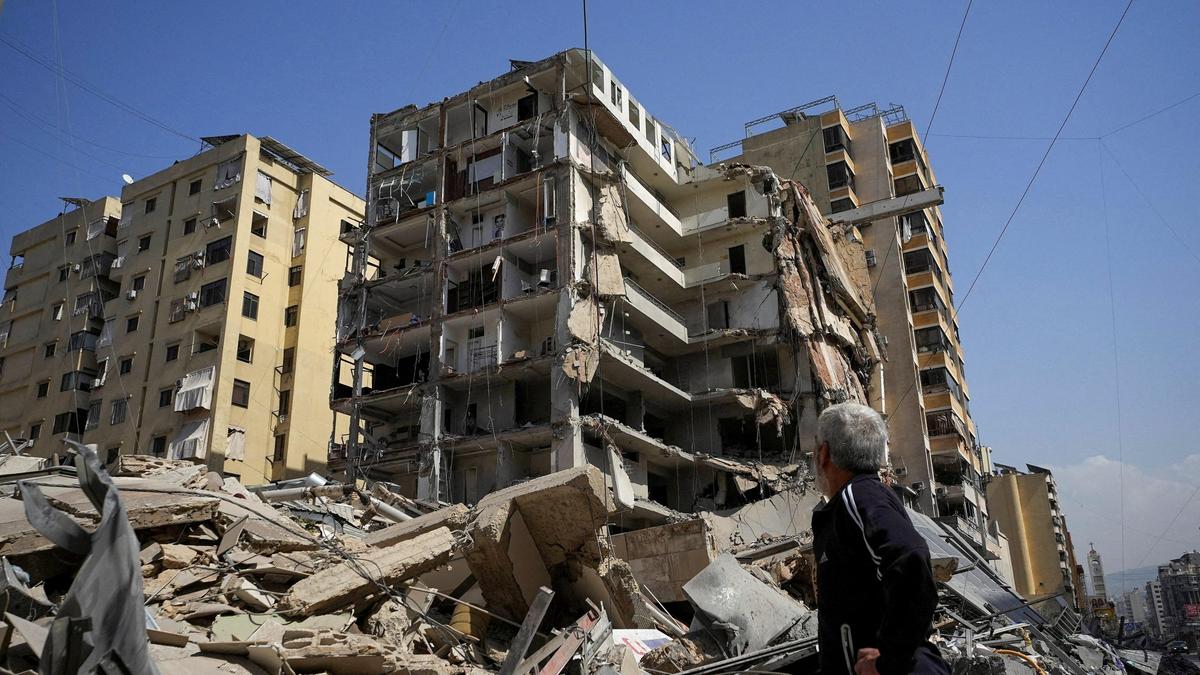
Oil prices are set to experience their largest weekly loss in ten months, driven by a ceasefire agreement in the Middle East. As of Friday, Brent crude futures fell by 7.5% to $76.45 a barrel, while West Texas Intermediate dropped 7.2% to $73.10. This dramatic decline reflects a growing optimism that the ceasefire could stabilize the region and restore oil supply chains, which had been disrupted by ongoing conflicts.
Ceasefire's Effect on Supply Chains
Middle Eastern oil producers have announced preparations for export resumption through the Strait of Hormuz, though the strait remains effectively closed with significant vessel backups despite the ceasefire. Reports indicate that about 800 tankers are currently backed up in the Strait of Hormuz, which is crucial for global oil shipments [15]. Analysts believe that the restoration of a stable flow of oil is essential for prices to normalize, with some suggesting that it may take months for energy prices to stabilize even with the ceasefire in place [18].
Consumer Impact from Falling Prices
The significant drop in oil prices is expected to lower gasoline costs for U.S. consumers. With prices at the pump already declining, households may see relief in transportation budgets. This decrease could provide much-needed financial breathing room for families as they navigate rising costs in other areas.
Geopolitical Implications of the Ceasefire
The ceasefire comes amid ongoing diplomatic tensions involving Iran and the United States. The recent truce has sparked discussions about potential negotiations that could further stabilize the region. However, experts caution that while the ceasefire is a step in the right direction, the long-term implications for oil prices and global markets remain uncertain until a predictable and stable flow of cargo through the strait is established.
Perspectives on Future Oil Markets
Industry analysts express mixed feelings about the future of oil prices. Some predict that the market may remain volatile, especially if geopolitical tensions resurface. Others argue that the current decline in prices could incentivize producers to increase output, which might further push prices down.
Next Steps for Consumers and Investors
For consumers, the immediate takeaway from the falling oil prices is the potential for lower gasoline costs, which can ease financial strain. Investors, on the other hand, should remain vigilant in monitoring geopolitical developments and their implications for the oil market. As the situation evolves, both groups will need to adapt to the changing landscape influenced by the fragile ceasefire and its effects on global energy prices.