




Reform Shifts Oversight to Provinces
Argentina's Congress approved an amendment that transfers authority over glacier regions from the national Argentine Institute for Snow, Ice and Environmental Sciences to provincial governments. The change allows mining activities in areas previously off-limits under the 2010 Glacier Law, which had banned all exploration to safeguard water reserves. President Javier Milei described the reform as a way to "empower the provinces to utilise their resources."
Environmental Risks Highlighted by Critics
Congresswoman Natalia de la Sota warned that the reform endangers a vital resource, stating, "Without water, we can't even think about a growth and development project." Environmental groups like Greenpeace argue the bill's requirement that provinces prove areas are strategic water reserves is insufficient, since all glaciers and periglacial environments function as freshwater reservoirs. Biologist Agostina Rossi Serra noted that these areas "undergo a gradual thaw that feeds the rivers and streams of our country." There are 16,968 glaciers in Argentina that supply water to 36 river basins across 12 provinces, supporting seven million people and helping mitigate droughts in semi-arid regions like Mendoza.
Backers Emphasize Economic Benefits
Governors from Catamarca, Jujuy, Salta, Mendoza and San Juan backed the bill, claiming the 2010 law hindered sustainable development goals for their provinces. The reform requires provincial leaders to verify that certain periglacial environments do not serve as strategic water reserves before permitting mining, aiming to balance resource use with environmental considerations.

The governors from Catamarca, Jujuy, Salta, Mendoza and San Juan who backed the bill stated that the 2010 Glacier law hindered the goal of “promoting a sustainable economic development of the provinces and the Nation without compromising future generations”.
Water Supply Consequences for Communities
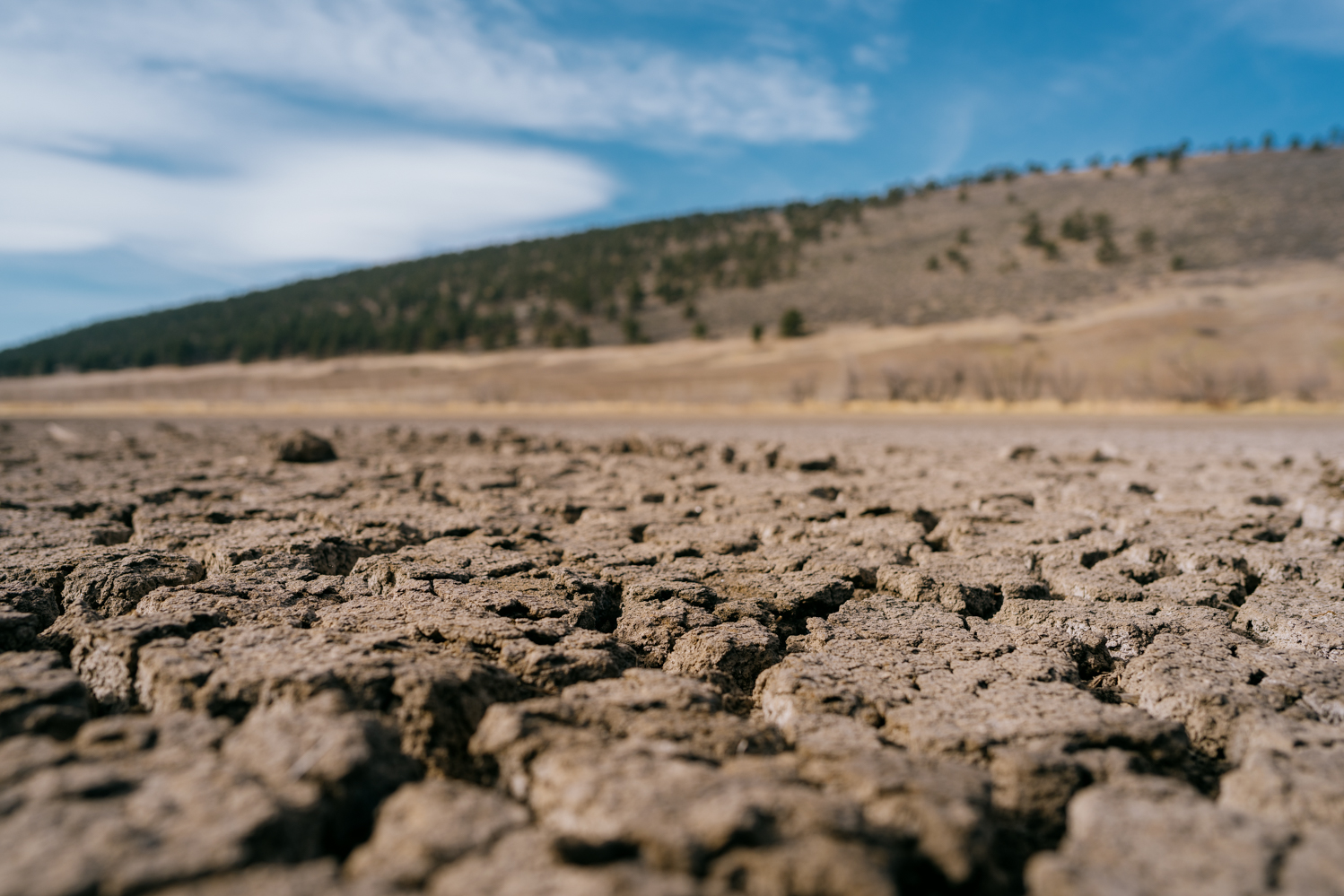
Melted glacier water reduces drought impacts in arid provinces, where water scarcity already challenges daily life and agriculture. The reform could alter river basin flows, affecting homes and farms in areas dependent on these sources for drinking and irrigation. Governors supporting the change argued it promotes national economic growth without harming future generations, though critics like Rossi Serra pointed out that arid regions rely heavily on gradual thaws for consistent water flow.
Provincial Support and Next Steps
Provinces such as Catamarca and Jujuy supported the reform as a way to pursue mining in glacier regions previously prohibited by the 2010 law. The Senate approved the bill in February 2026, making the lower house vote the final step in its passage. Residents in affected areas may now push for local assessments to ensure water reserves remain protected, directly influencing community access to essential resources.

























The sources also report that Congresswoman Nancy Picón Martínez, a backer of the bill in Argentina's Congress, argued the law protects glaciers and that the mining industry is unfairly portrayed as a monster.