




The Announcement
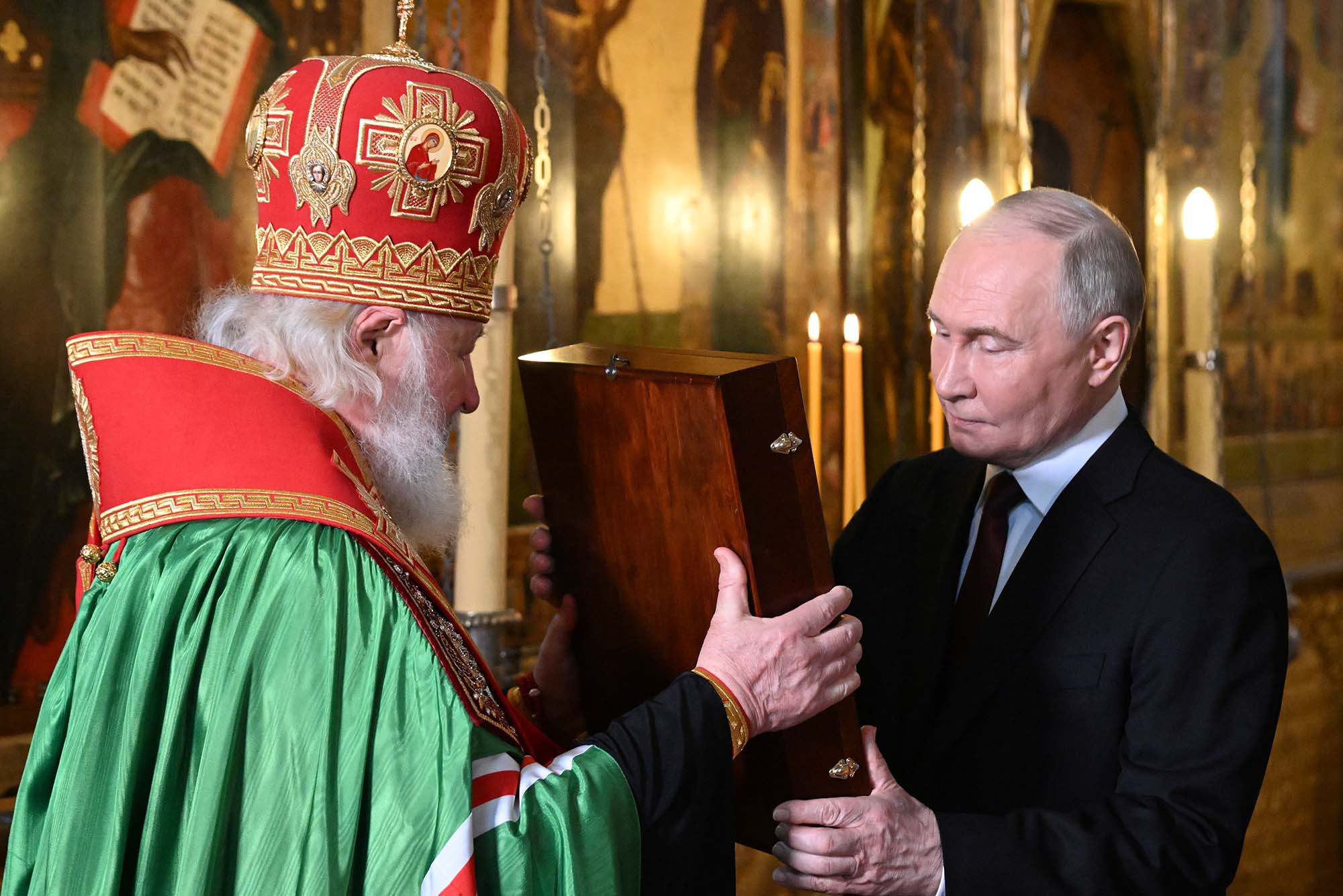
Russian President Vladimir Putin declared a 32-hour ceasefire in Ukraine on Thursday to observe Orthodox Easter, ordering Russian forces to cease combat operations beginning at 4 p.m. on April 11 and continuing through the end of April 12. The Kremlin statement said "orders have been issued for this period to cease hostilities in all directions," while instructing troops to remain prepared to "counter any possible provocations by the enemy, as well as any aggressive actions." Orthodox Christians mark Easter on April 12.
Putin's move followed an earlier proposal from Ukrainian President Volodymyr Zelenskyy, who had called for a pause in hostilities over the holiday. Zelenskyy had proposed that each side stop targeting energy infrastructure during Easter, saying he made the offer through the United States, which has been mediating talks between delegations from Moscow and Kyiv.
Ukraine's Response
Zelenskyy said Ukraine will "act accordingly" in response to Putin's announcement, adding that Kyiv "has repeatedly stated that we are ready for symmetrical steps." In a post on social media, Zelenskyy said "people need an Easter free from threats and real movement toward peace, and Russia has a chance not to return to strikes after Easter as well." There was no immediate confirmation from Kyiv that it would formally accept the ceasefire terms.
History of Failed Truces
Previous attempts to secure ceasefires have produced little result. Putin declared a 30-hour ceasefire last Easter, but each side accused the other of breaking it. Russia has effectively rejected a 30-day unconditional truce proposed by the U.S. and Ukraine as a step toward peace, insisting instead on a comprehensive settlement that includes Ukrainian territorial concessions. Moscow has announced several short, unilateral ceasefires in the past, though their effectiveness remains disputed.
The Broader Stalemate
Trilateral talks between Kyiv, Moscow, and Washington have frozen since February 2026 and yielded little progress. The U.S. has shifted its diplomatic attention to the Middle East conflict, with divisions between Washington and European capitals over Iran fueling concerns about American commitment to a Ukraine peace deal. One European official said Trump's team "is running out of patience in Ukraine and wants a quick solution." A separate European official warned that "Ukraine is rightfully questioning whether these American security guarantees really stand for anything."
Meanwhile, Russia has launched a spring offensive as warmer weather arrives. Russia fired more drones at Ukraine in March than in any month since the full-scale invasion began, according to Kyiv. The war continues across roughly an 800-mile front line, with both sides entrenched in what military analysts describe as "kill zones" saturated with drones and unmanned systems.
The Human Cost
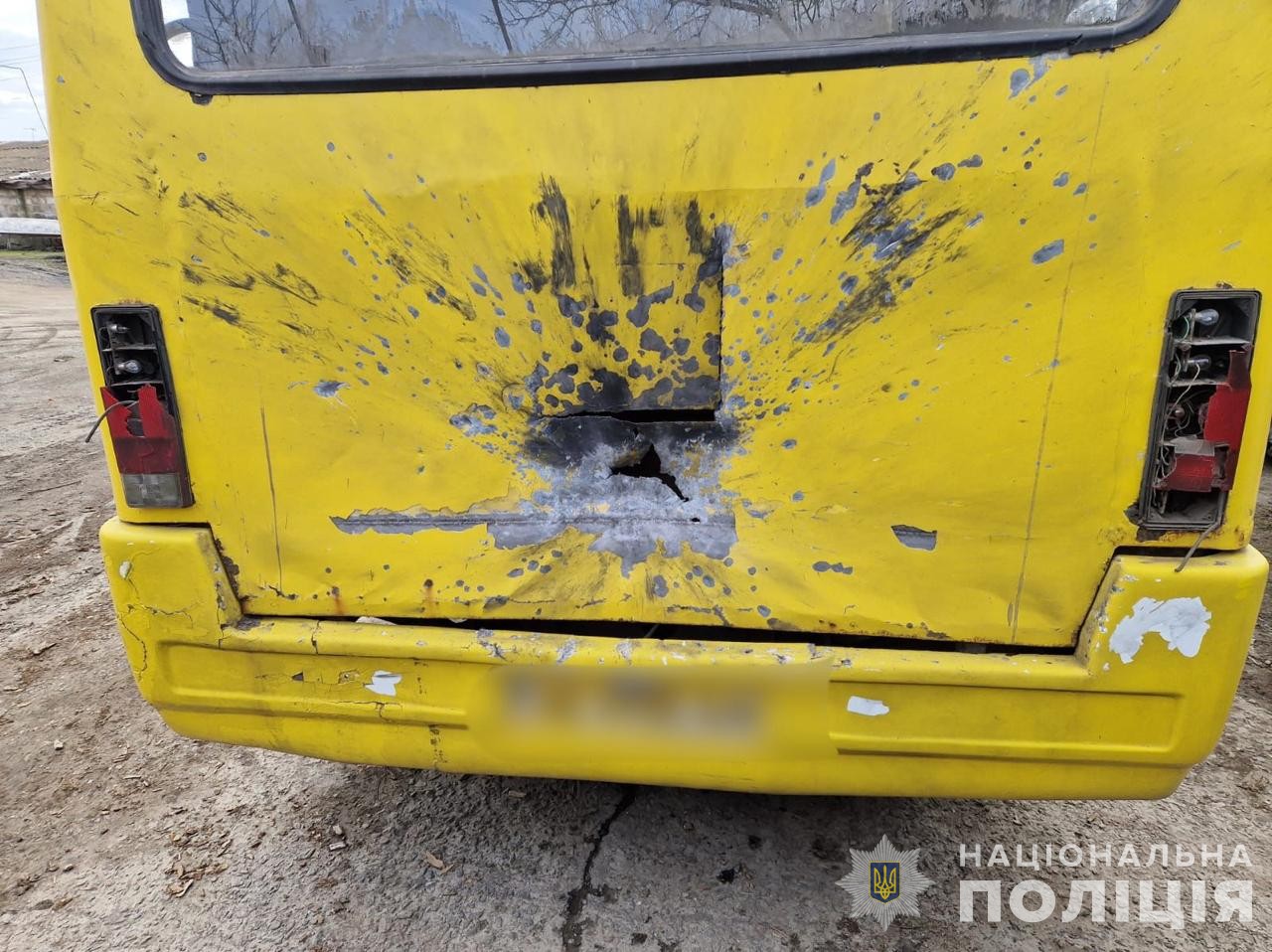
For millions of Ukrainians, the ongoing conflict offers no relief. Last week in western Ukraine, a Russian drone strike killed a serviceman and his teenage daughter moments after they had visited his wife and newborn son in a maternity hospital. In Kherson, an elderly woman was killed by a drone as she stood in her home's courtyard. Zelenskyy has asserted that more than 35,000 Russian troops were killed or wounded in March alone. These claims could not be independently verified, but Russian war bloggers have reported similar casualty figures, with one prominent blogger writing that "Ukrainians are killing more than 30,000 Russians per month."
Ukrainian officials, including Zelenskyy, have said their own losses are roughly a third of Russia's, a figure that would amount to about 10,000 killed or wounded monthly.
Ukraine also faces mounting financial pressure. Kyiv risks running out of funds to sustain its defense within months, with Hungary's vetoing of a €90 billion EU package underscoring the fragility of Western support. A European official said that without a diplomatic breakthrough, the war was expected to continue into next year, as "both sides still have enough resources to keep going."