
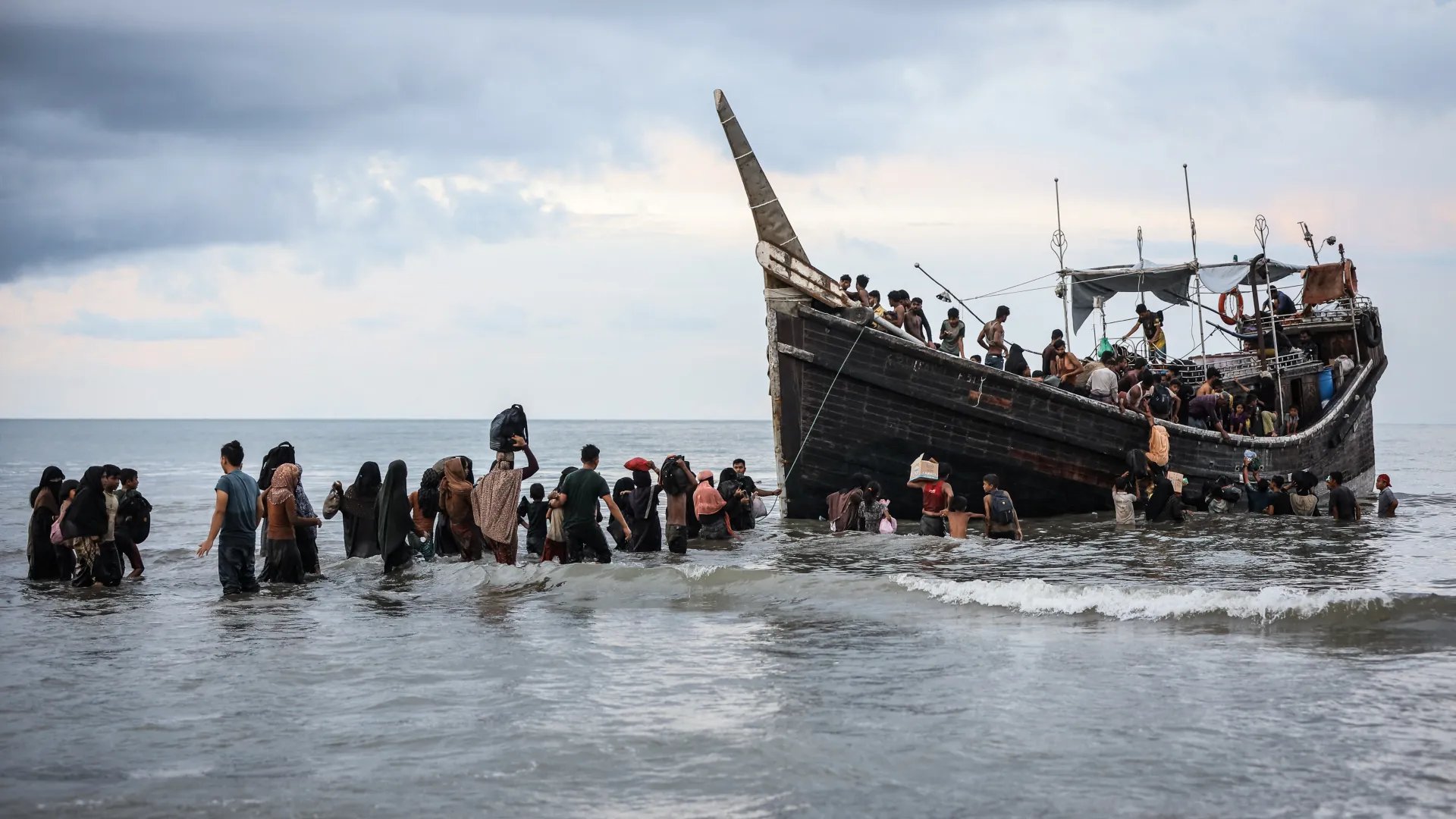




The Tragic Incident at Sea
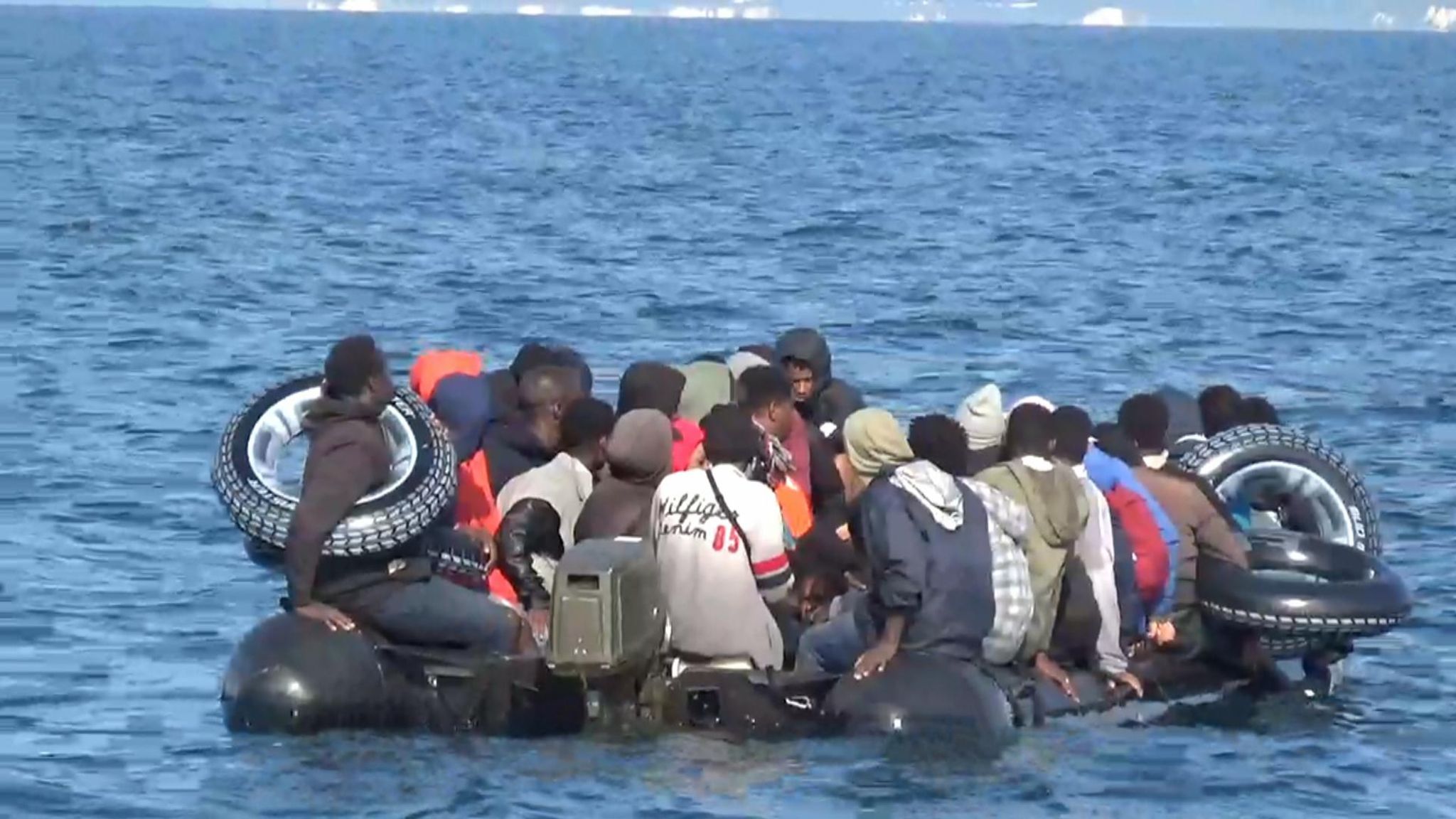
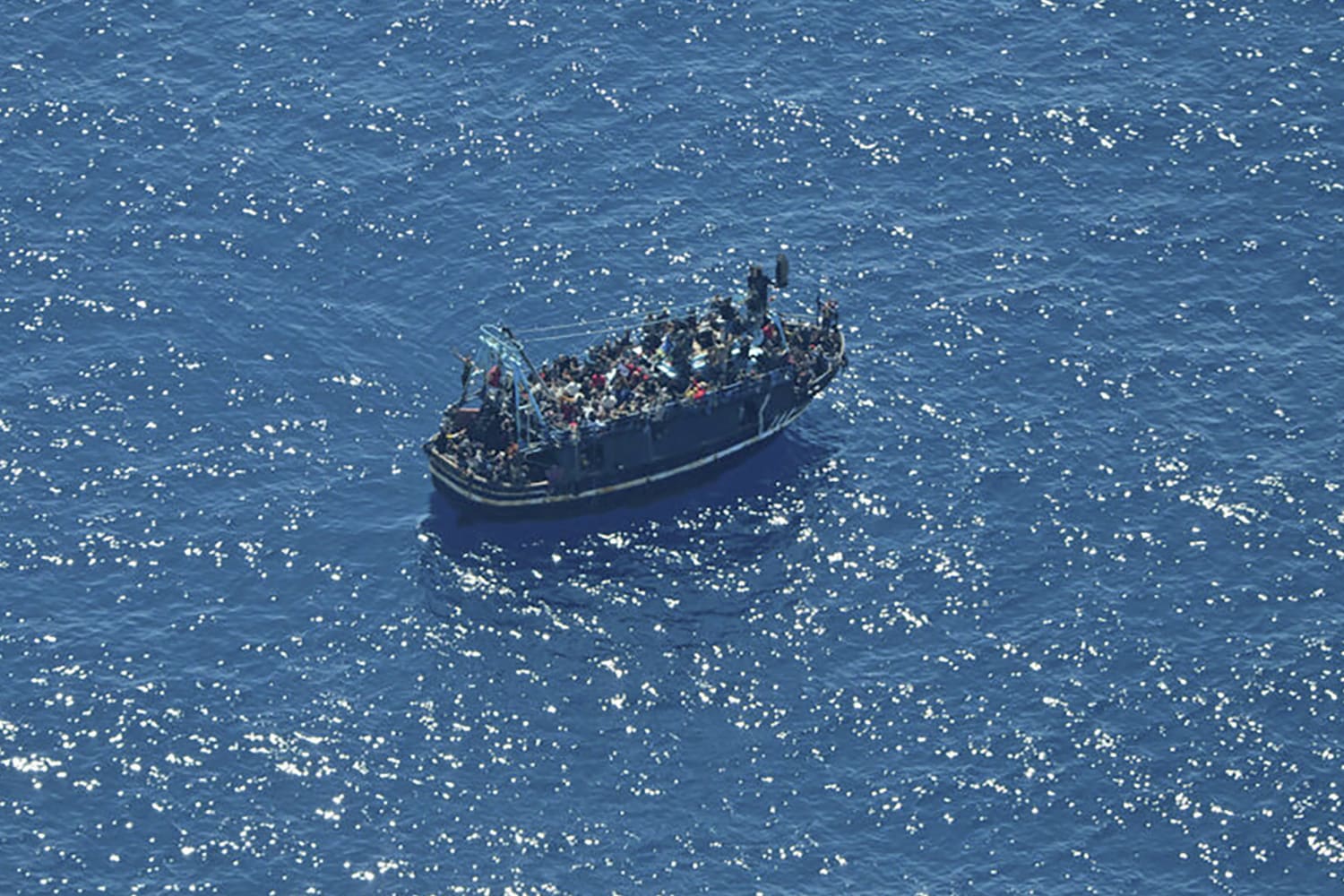
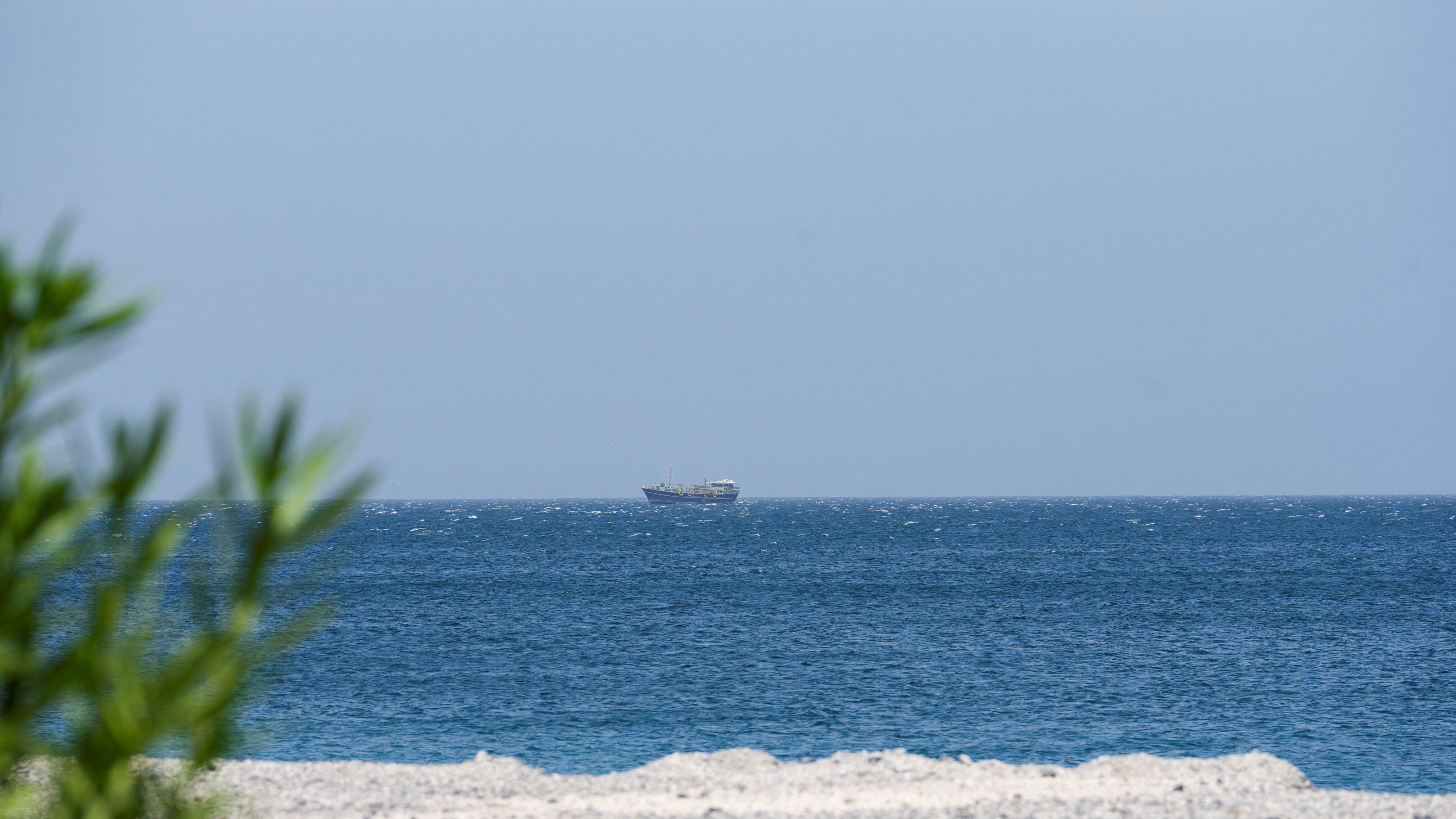
Approximately 250 Rohingya refugees and Bangladeshi nationals are missing after their overcrowded trawler capsized in the Andaman Sea. The vessel had departed from Teknaf in southern Bangladesh, aiming for Malaysia, when it sank due to strong winds, rough seas, and overcrowding, according to the United Nations High Commissioner for Refugees (UNHCR) and the International Organization for Migration (IOM).
Survivors' Harrowing Accounts
The Bangladesh Coast Guard confirmed that nine individuals were rescued from the waters on April 9, including one woman. Among the survivors, Rafiqul Islam described a harrowing experience, stating he floated for nearly 36 hours before being saved. He recounted that the vessel traveled for four days before it capsized, with many passengers suffering from suffocation and overcrowding. "A number of us were kept in the holding area of the trawler; some died there," Islam said, adding that he was burned by oil that spilled from the sinking boat.

The Al Jazeera article reports that Coastguard spokesperson Lieutenant Commander Sabbir Alam Sujan said the vessel that rescued nine people from the capsized trawler was on its way to Indonesia.
The Rohingya Crisis
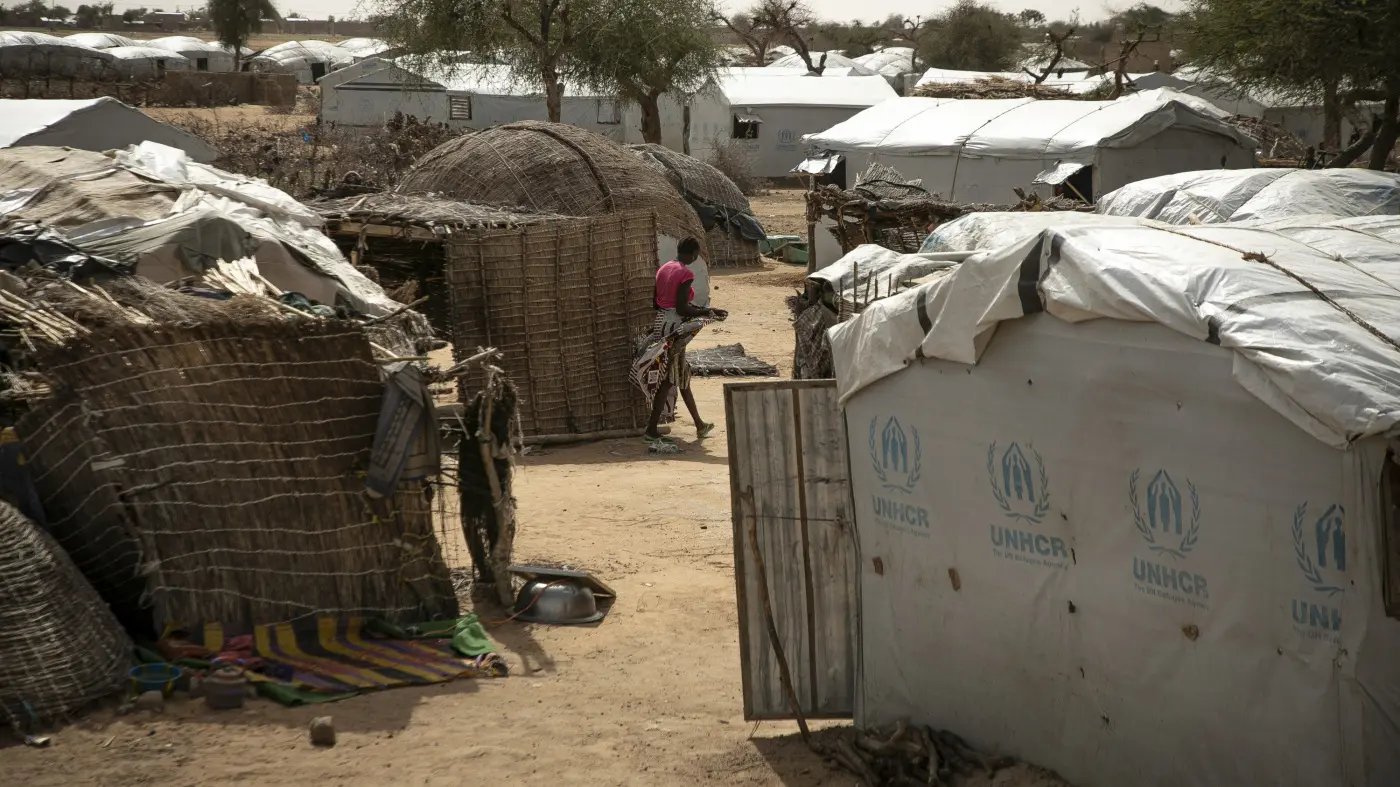
The tragedy underscores the ongoing plight of the Rohingya, a persecuted ethnic minority denied citizenship in Myanmar. Since a military crackdown in 2017, more than 730,000 Rohingya have fled to Bangladesh, where living conditions in refugee camps remain dire. The UN agencies highlighted that the absence of durable solutions for the Rohingya forces many to risk dangerous sea journeys in search of safety and opportunity. "This tragedy highlights the devastating human cost of protracted displacement," the UNHCR and IOM stated.
International Response and Calls for Action
The UN and IOM have called on the international community to sustain funding for Rohingya refugees and their host communities in Bangladesh. They emphasized the need to address the root causes of displacement in Myanmar to create conditions for the safe return of refugees. The agencies noted that ongoing violence in Rakhine state has diminished hopes for a safe return.
Broader Implications for Migration
This incident reflects a troubling trend in migration patterns, as thousands of Rohingya attempt perilous sea crossings each year to escape repression and civil war in Myanmar, as well as overcrowded camps in Bangladesh. The boats are often small and lacking in basic facilities, leading to tragic outcomes. In January 2025, Malaysia turned away two boats carrying around 300 refugees, illustrating the challenges migrants face even upon reaching their destination.
The Human Cost of Displacement
As the Rohingya community grapples with a humanitarian crisis, many face a grim reality of limited options. A refugee in Cox's Bazar previously stated, "People are dying in the fighting, dying from hunger. So some think it's better to die at sea than to die slowly here." The situation remains critical, with the international community urged to take immediate action to avert further tragedies and provide support to those in desperate need.



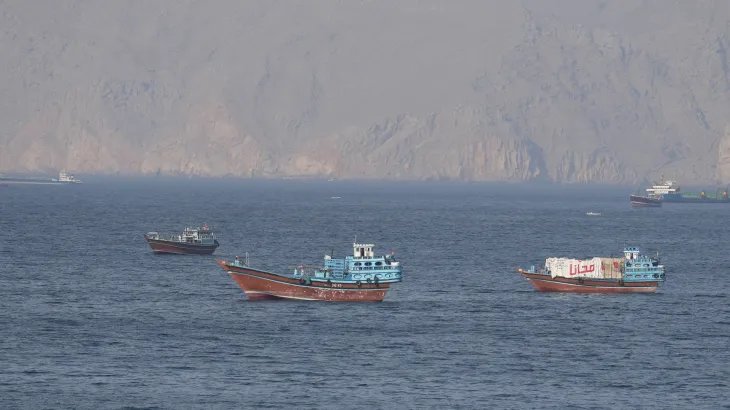

























































































































































































































































The sources also report that six of the nine rescued individuals were alleged to be involved in trafficking and have been detained by police.