




Moratorium on Development
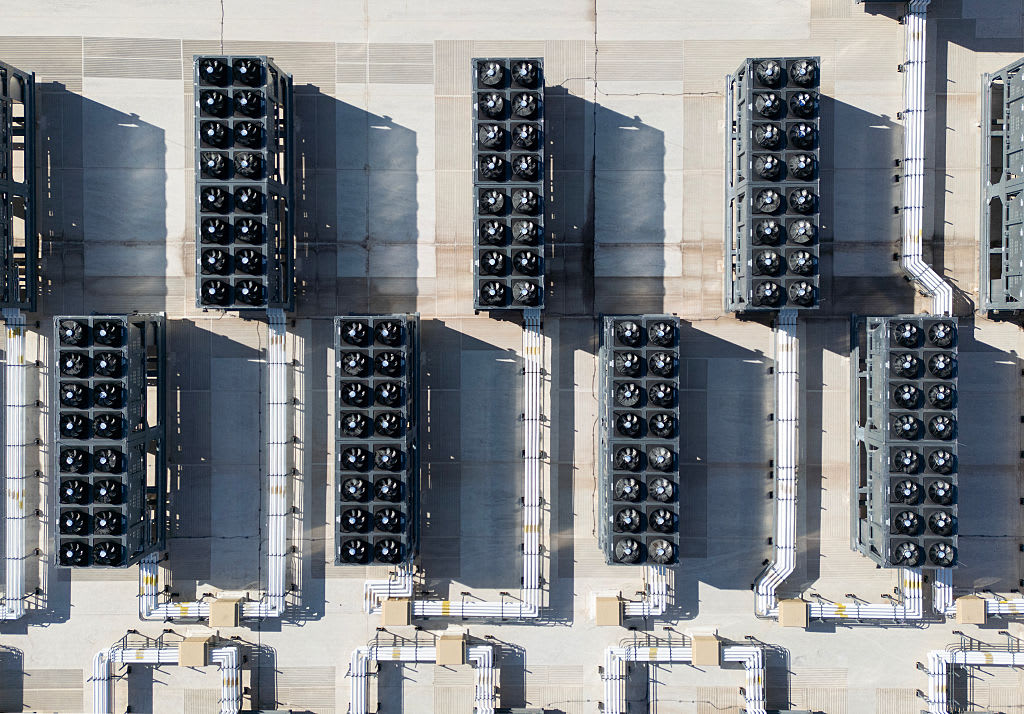
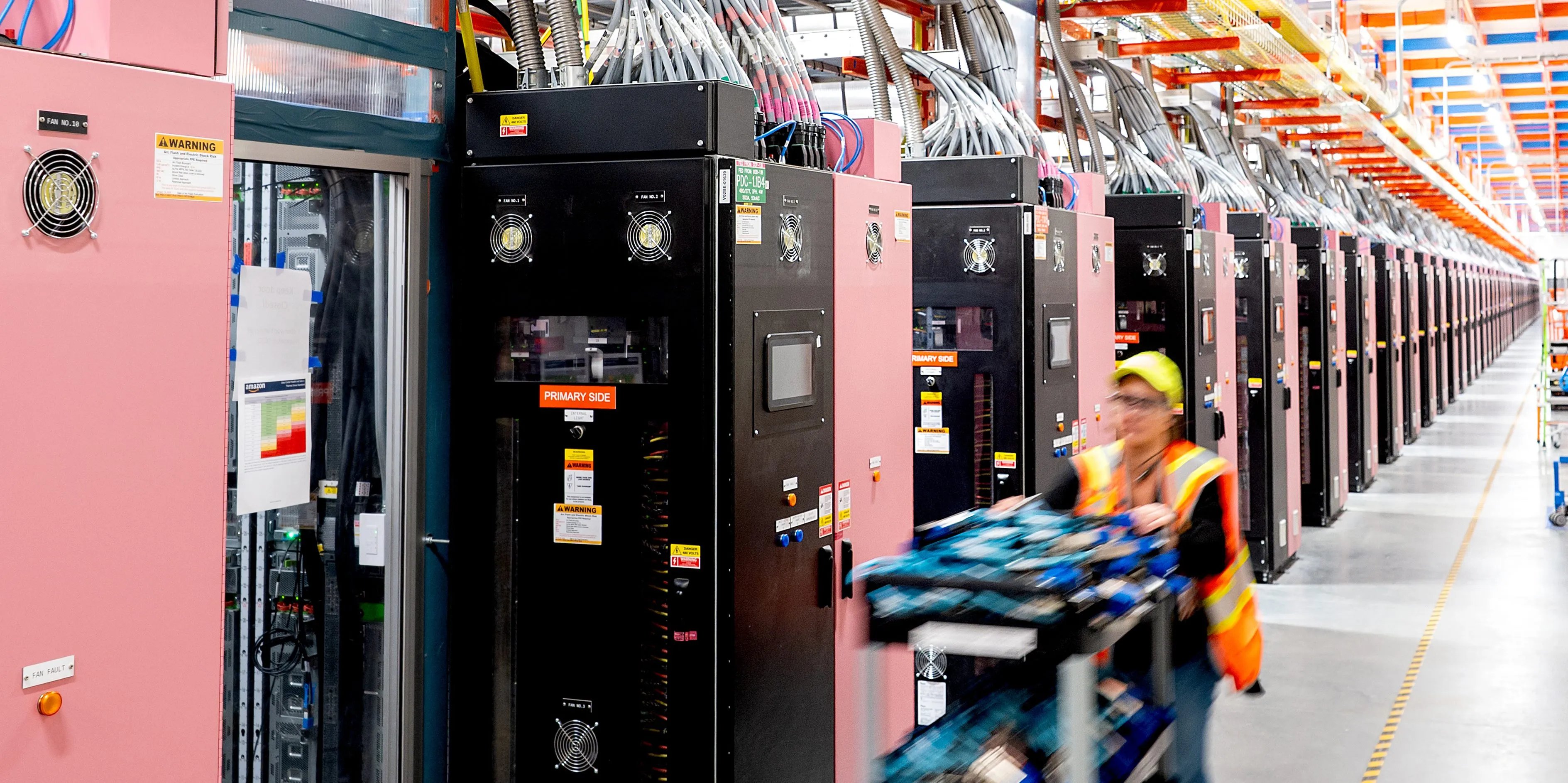
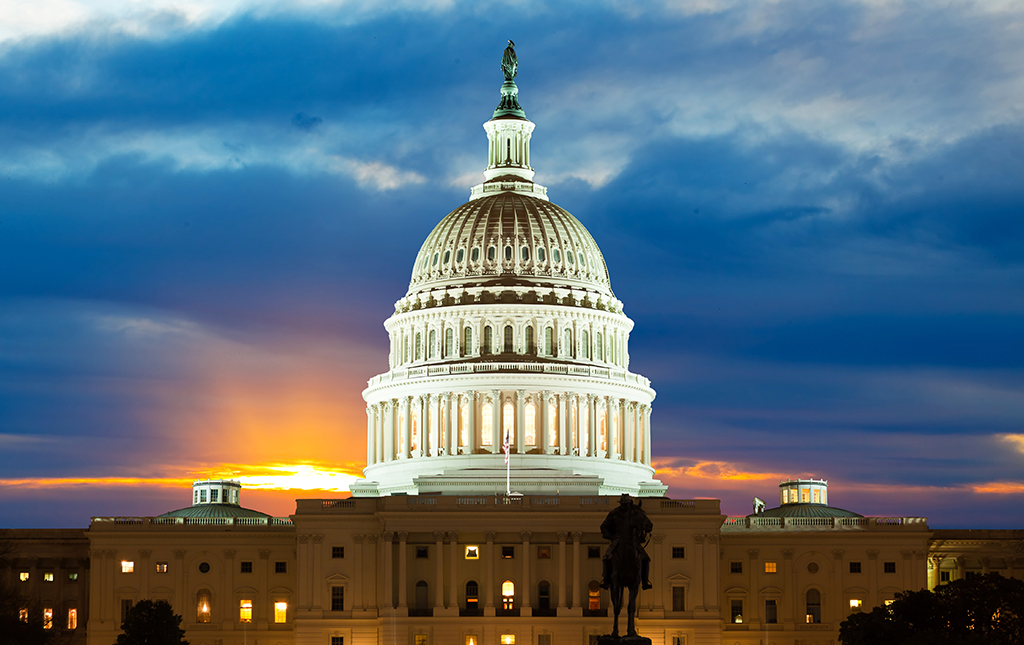
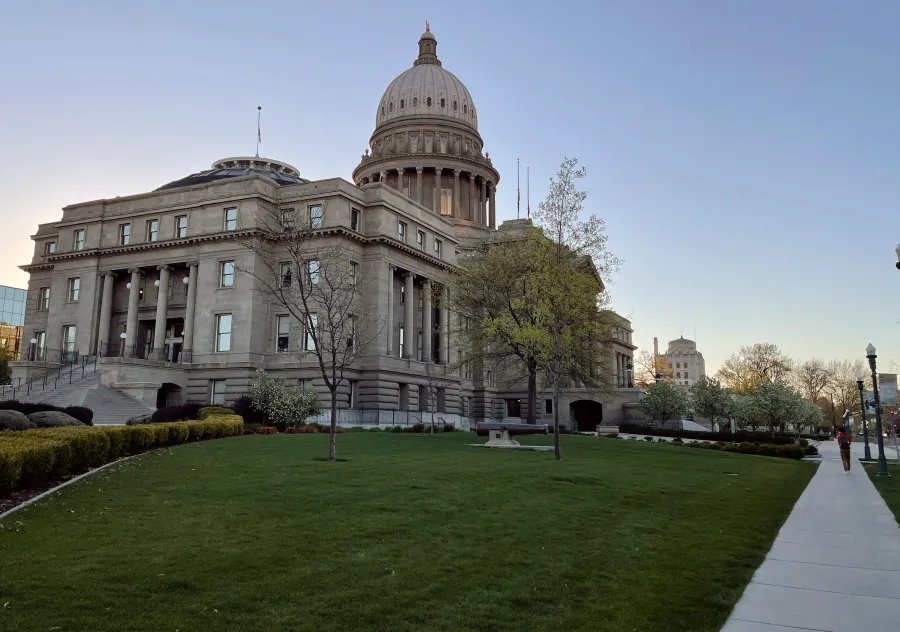
The Maine legislature has approved a bill that places a moratorium on the construction of large data centers, becoming the first state in the U.S. to do so. The bill, which now heads to Democratic Governor Janet Mills, would pause approvals for data centers requiring more than 20 megawatts of power until late 2027. If signed into law, a state council will study the impact of these facilities on electricity grids, costs, and the environment.
Rising Energy Costs
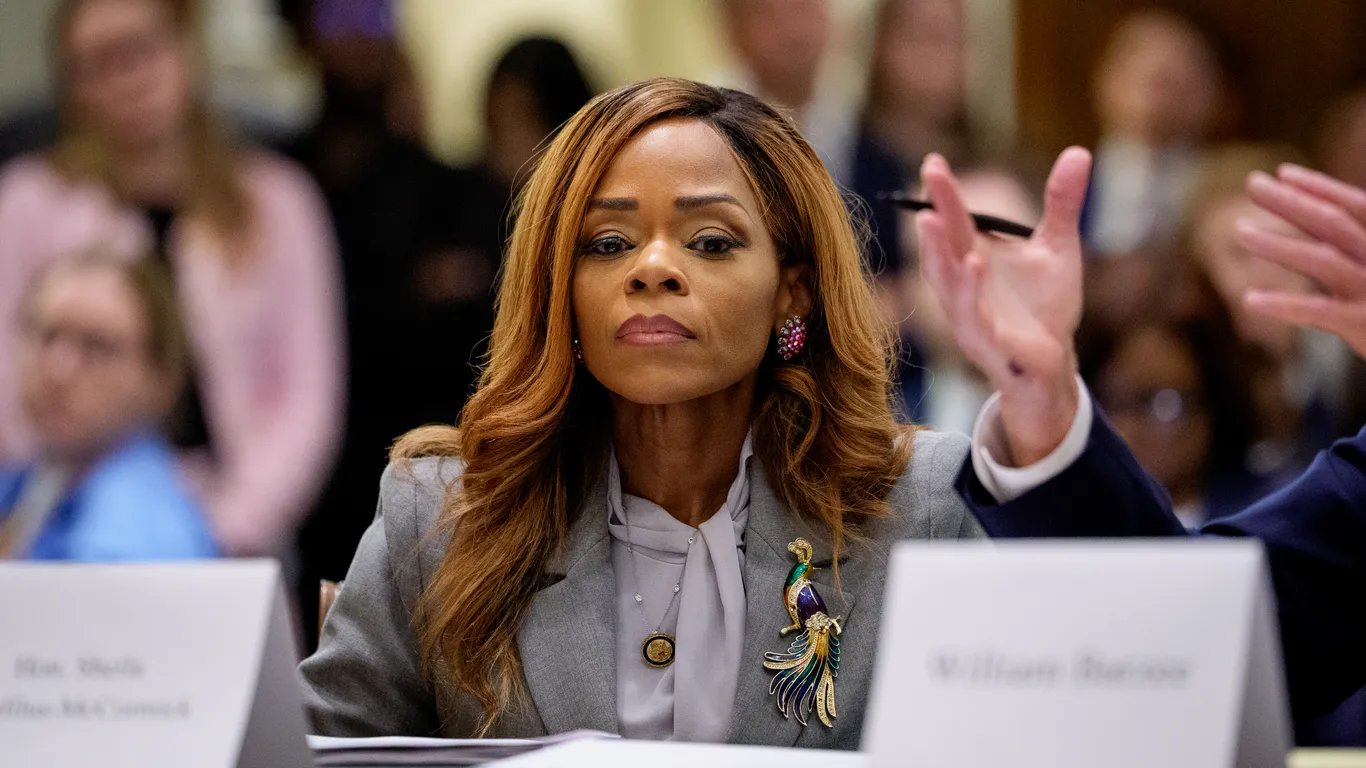
Representative Melanie Sachs, the bill's sponsor, stated that people and communities across Maine have asked the legislature to temporarily pause these projects due to potential impacts on ratepayers, the electric grid, and the environment. Maine has seen rising energy costs in recent years, according to the U.S. Energy Information Administration, which has contributed to public opposition.
National Trend
Similar proposals are being discussed by 11 other U.S. states. In February, residents of New Brunswick in New Jersey vetoed plans for a data center, citing energy consumption, environmental impact, and real estate footprint. Lawmakers Bernie Sanders and Alexandria Ocasio-Cortez introduced legislation to halt all construction on data centers until Congress passes AI safety legislation.
Utility Spending
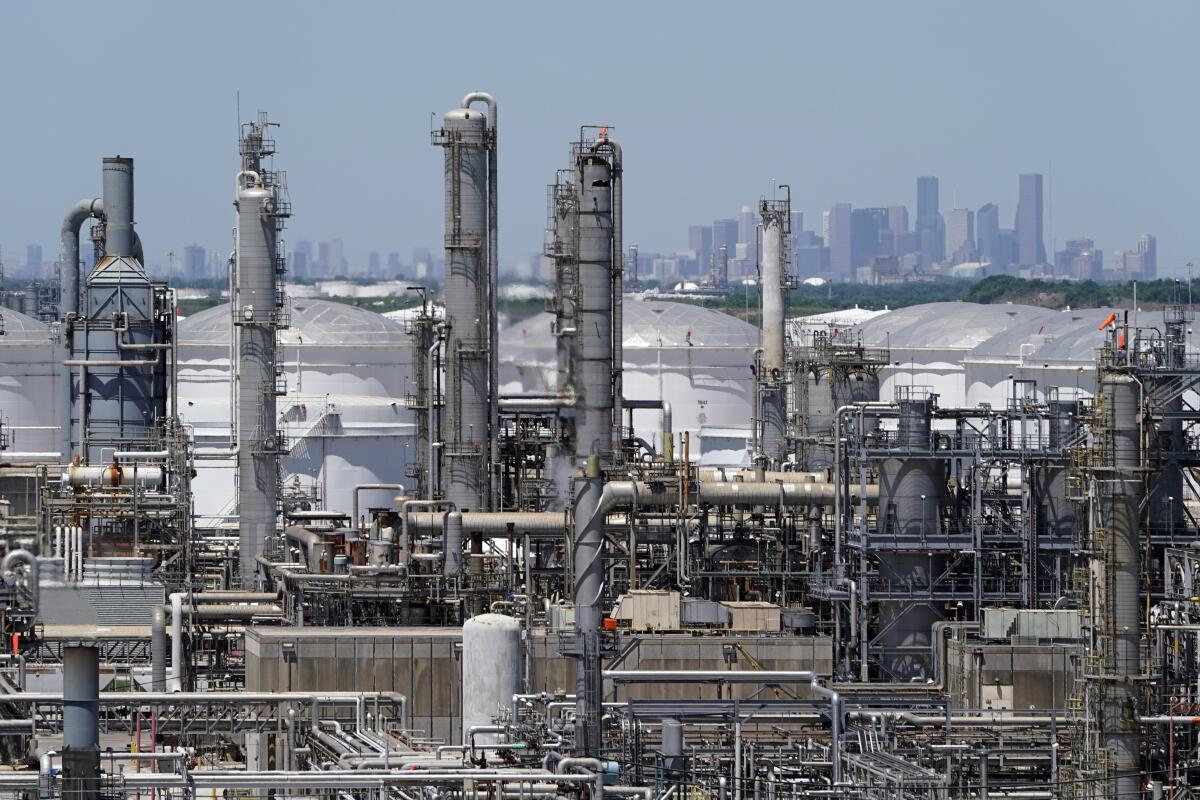
U.S. utility companies are planning to invest $1.4 trillion over the next five years to update the nation's power grid as the data center boom intensifies the need for electricity. That figure is an increase of more than 20% from their 2025 projections. A majority of investor-owned utilities surveyed by PowerLines, which serve 250 million U.S. customers, cited data centers as a top driver of capital expenditures in their earnings reports.

The sources also report that the $1.4 trillion planned investment by utility companies is based on capital spending plans from 51 investor-owned utilities, which serve 250 million U.S. customers.
Consumer Impact
The projected rise in spending by utility companies could translate into bigger bills for consumers, as utilities often pass costs onto households in the form of rate hikes, according to PowerLines. PowerLines projects 56 million Americans could see higher utility bills after regulators approved a wave of rate hikes in 2025. Average residential electricity prices are projected to increase 5.1% this year, according to data from the U.S. Energy Information Administration. If that trend continues, residential customers could end up footing the bill for around $0.7 trillion of planned utility capital spending from the 51 investor-owned utilities.
Alternative View
While the threat looms large, rate increases are not inevitable, according to PowerLines. The nonprofit said it will be up to state regulators to conduct effective oversight of utilities' spending plans to ensure the cost burden doesn't fall too heavily on customers. Data centers can also apply downward pressure on rates by providing utilities more sources of revenue while spreading fixed costs over a larger customer base.
If Governor Mills signs the bill, a state council will study the impacts of data centers, potentially informing future energy planning and similar legislation in other states.


























































































































































































































































































































































The sources also report that utilities cited strengthening the grid against severe weather and replacing aging infrastructure as additional reasons for the investments.