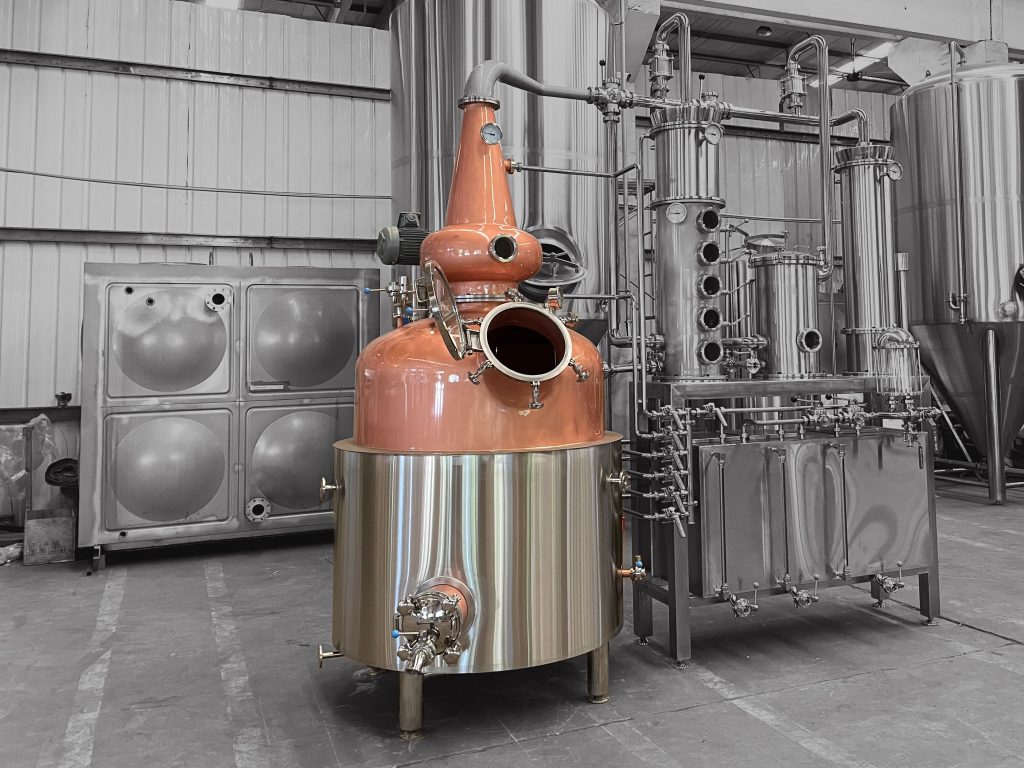
A U.S. appeals court has ruled that a 158-year-old ban on home distilling is unconstitutional, marking a significant shift in alcohol production regulations. This ruling could potentially open the door for a new wave of small-batch distillers, as the legal landscape surrounding home distilling has changed dramatically.
The ruling comes at a time when interest in craft distilling is on the rise. With the court's decision, individuals can now explore distilling as a hobby without legal repercussions, fostering a culture of innovation and entrepreneurship in this sector.
Proponents of home distilling have welcomed the ruling, viewing it as a victory for personal rights and freedom. "This decision restores the rights of individuals to make their own spirits, which has been a part of American culture for centuries," said Tim McCoy, a distiller and advocate for home distilling laws.
However, the ruling has raised concerns among some lawmakers and public health advocates. "While we support personal freedom, we must also ensure that public safety is not compromised," stated Senator Lisa Murkowski, who has voiced concerns over the potential risks associated with unregulated alcohol production.
The ruling may lead to an increase in home distilling equipment sales and related supplies, with some businesses already preparing to capitalize on the change. "We expect to see a surge in interest and sales in the coming months as people look to experiment with distilling at home," said Sarah Thompson, owner of a local homebrew supply store.
Individuals interested in home distilling should remain informed about local regulations, as states may implement their own laws following this ruling. While the federal ban has been lifted, compliance with state laws will be crucial for home distillers. As the legal landscape evolves, enthusiasts are encouraged to connect with local distilling communities to share knowledge and best practices.
This landmark ruling not only impacts individuals but also signals a shift in how alcohol production is viewed in the United States. The legal landscape for home distilling is now open, inviting a new era of creativity and exploration in the world of spirits.
A U.S. appeals court has ruled that a 158-year-old ban on home distilling is unconstitutional, marking a significant shift in alcohol production regulations. The decision allows individuals across the nation to legally distill alcohol for personal use. This ruling could potentially open the door for a new wave of small-batch distillers, as the legal landscape surrounding home distilling has changed dramatically.
The ruling comes at a time when interest in craft distilling is on the rise. According to the Distilled Spirits Council, the craft spirits market grew by 23% in 2022, indicating a burgeoning interest among consumers. With the court's decision, individuals can now explore distilling as a hobby without legal repercussions, fostering a culture of innovation and entrepreneurship in this sector.
Proponents of home distilling have welcomed the ruling, viewing it as a victory for personal rights and freedom. "This decision restores the rights of individuals to make their own spirits, which has been a part of American culture for centuries," said Tim McCoy, a distiller and advocate for home distilling laws. The ruling reflects a broader trend toward deregulation in various industries, allowing consumers more autonomy in their choices.
However, the ruling has raised concerns among some lawmakers and public health advocates. Critics argue that unregulated home distilling could lead to safety issues, including the production of harmful substances. "While we support personal freedom, we must also ensure that public safety is not compromised," stated Senator Lisa Murkowski, who has voiced concerns over the potential risks associated with unregulated alcohol production.
As individuals begin to explore their newfound rights, the potential for a shift in the home distilling market is significant. The ruling may lead to an increase in home distilling equipment sales and related supplies, with some businesses already preparing to capitalize on the change. "We expect to see a surge in interest and sales in the coming months as people look to experiment with distilling at home," said Sarah Thompson, owner of a local homebrew supply store.
Individuals interested in home distilling should remain informed about local regulations, as states may implement their own laws following this ruling. While the federal ban has been lifted, compliance with state laws will be crucial for home distillers. As the legal landscape evolves, enthusiasts are encouraged to connect with local distilling communities to share knowledge and best practices.
This landmark ruling not only impacts individuals but also signals a shift in how alcohol production is viewed in the United States. The legal landscape for home distilling is now open, inviting a new era of creativity and exploration in the world of spirits.
Highlighted text was flagged by the council. Tap to see feedback.