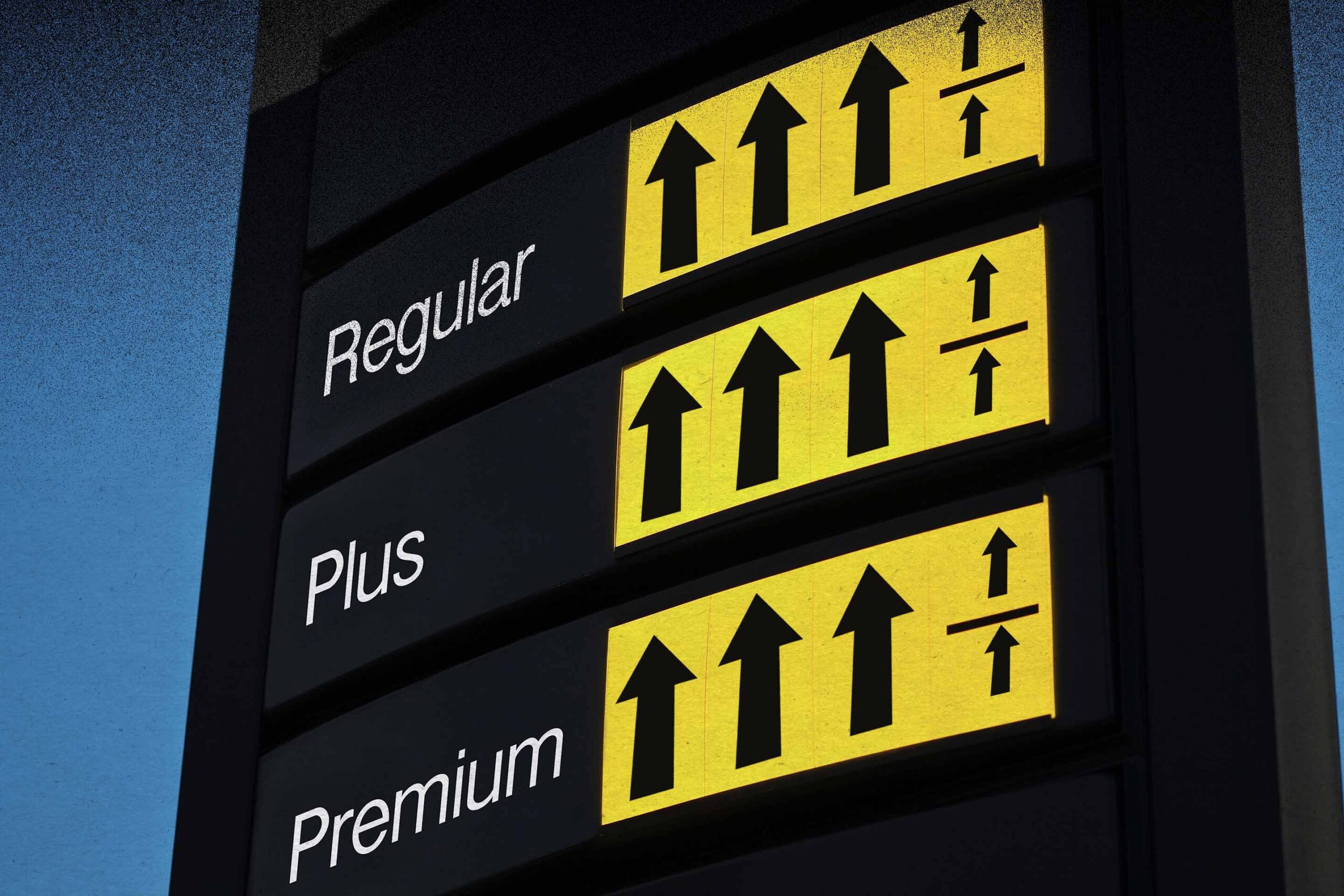
Consumer prices in March were up 3.3% from a year ago, marking the biggest annual increase in nearly two years. Energy prices drove much of the spike, rising 10.9% from February to March alone.
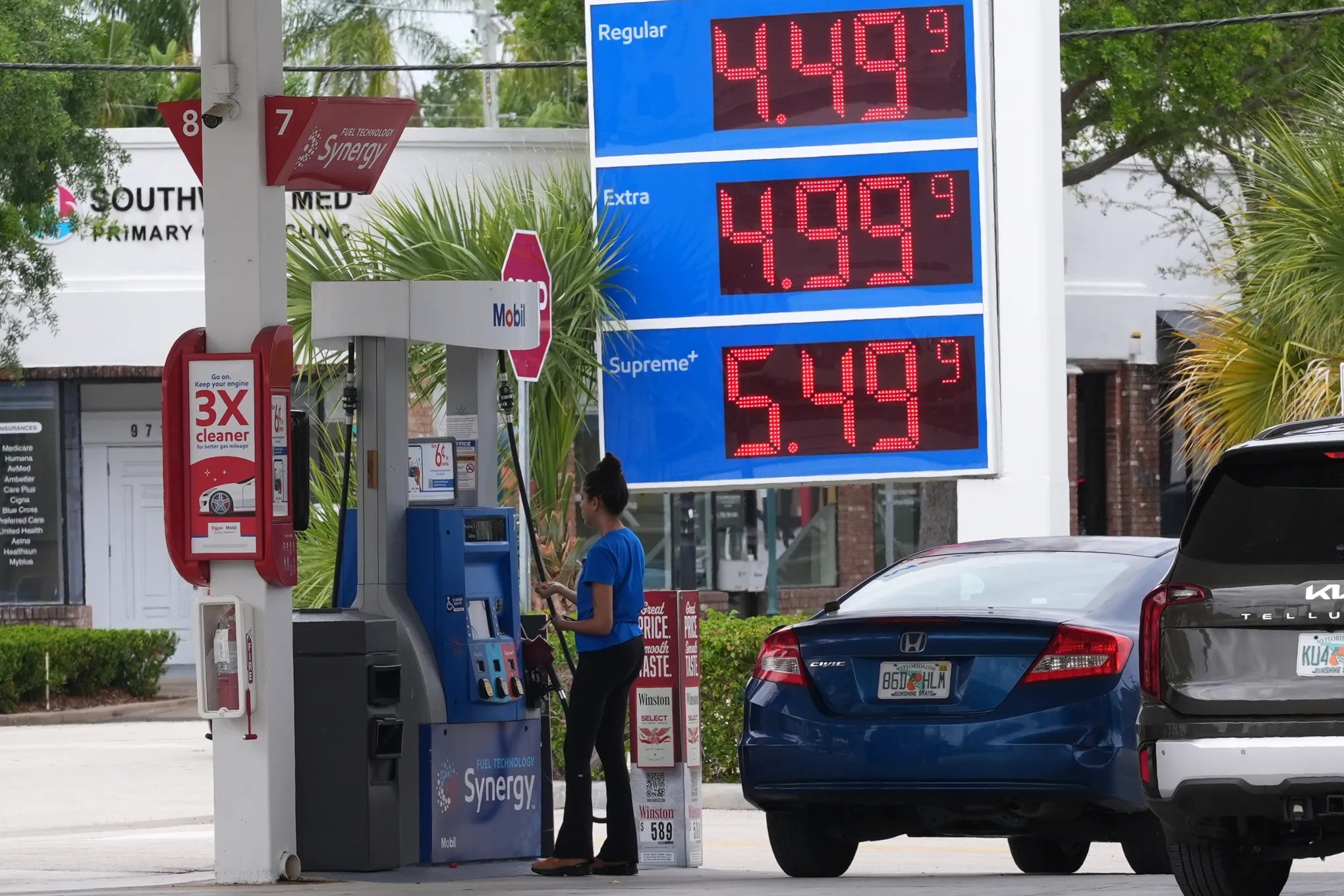
Higher gasoline prices tied to the war with Iran accounted for much of the consumer price surge, according to NPR. The conflict has disrupted energy markets and pushed fuel costs upward, creating a direct hit to household expenses at the pump and indirectly through increased transportation and shipping costs.
A proposed extension of the flaring window for natural gas wells to 72 hours is estimated to save the industry $2.5 billion over 15 years, according to Zeldin. The rule change allows energy companies additional time to capture or flare natural gas during well operations, reducing waste and operational costs.
Energy prices rose 10.9% from February to March, according to an inflation report. The EPA's proposed extension of the flaring window is estimated to save the industry $2.5 billion over 15 years.
Consumer prices in March were up 3.3% from a year ago, marking the biggest annual increase in nearly two years. Energy prices drove much of the spike, rising 10.9% from February to March alone. The surge erases recent gains in real wages for American workers and raises the cost of living across household budgets.
Higher gasoline prices tied to the war with Iran accounted for much of the consumer price surge. The conflict has disrupted energy markets and pushed fuel costs upward, creating a direct hit to household expenses at the pump and indirectly through increased transportation and shipping costs.
EPA Administrator Lee Zeldin celebrated a proposed extension of the flaring window for natural gas wells to 72 hours, which he estimates will save the industry $2.5 billion over the next 15 years. The rule change allows energy companies additional time to capture or flare natural gas during well operations, reducing waste and operational costs.
The timing of the EPA's energy-friendly policy shift comes as inflation pressures mount on consumers. While the agency frames the rule change as beneficial to energy affordability, the immediate inflation data shows energy costs continuing to climb despite regulatory adjustments aimed at reducing industry expenses.
Highlighted text was flagged by the council. Tap to see feedback.