




High-Stakes Negotiations Underway
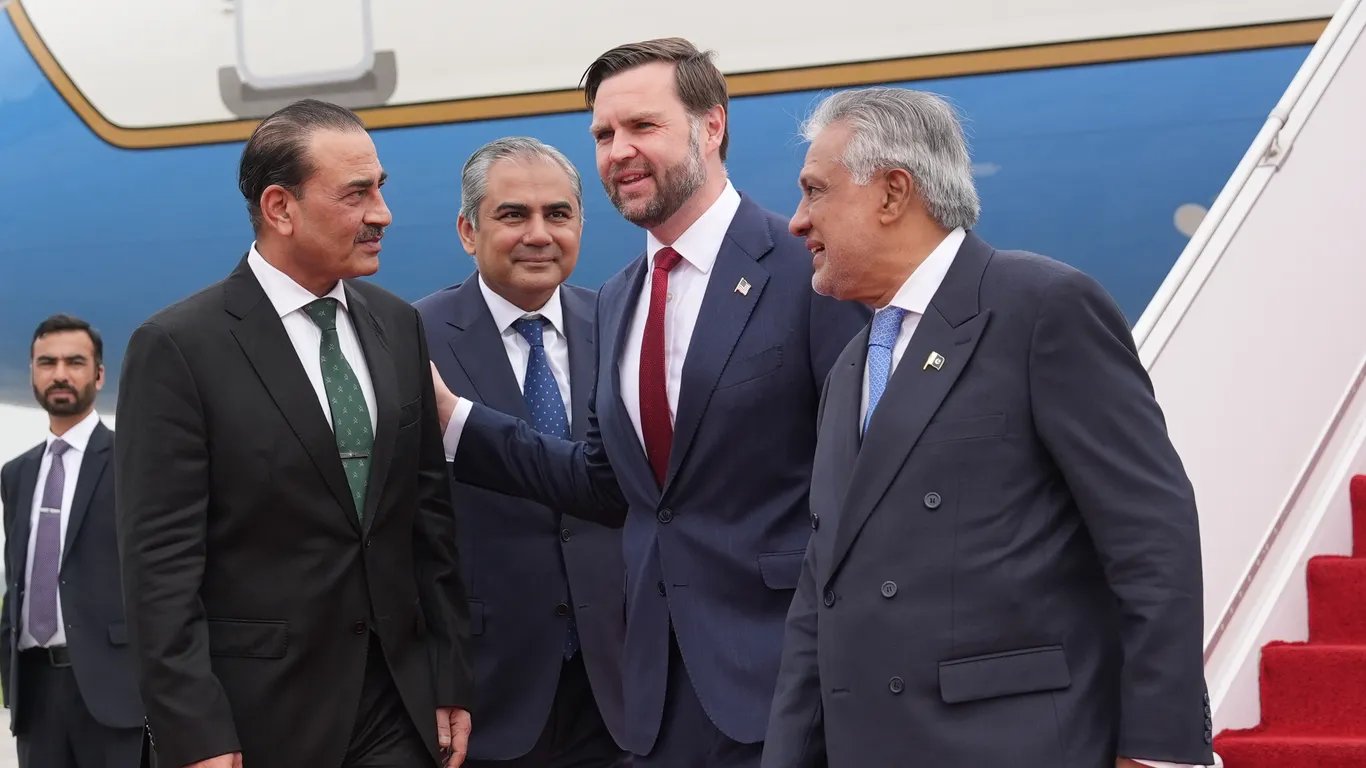
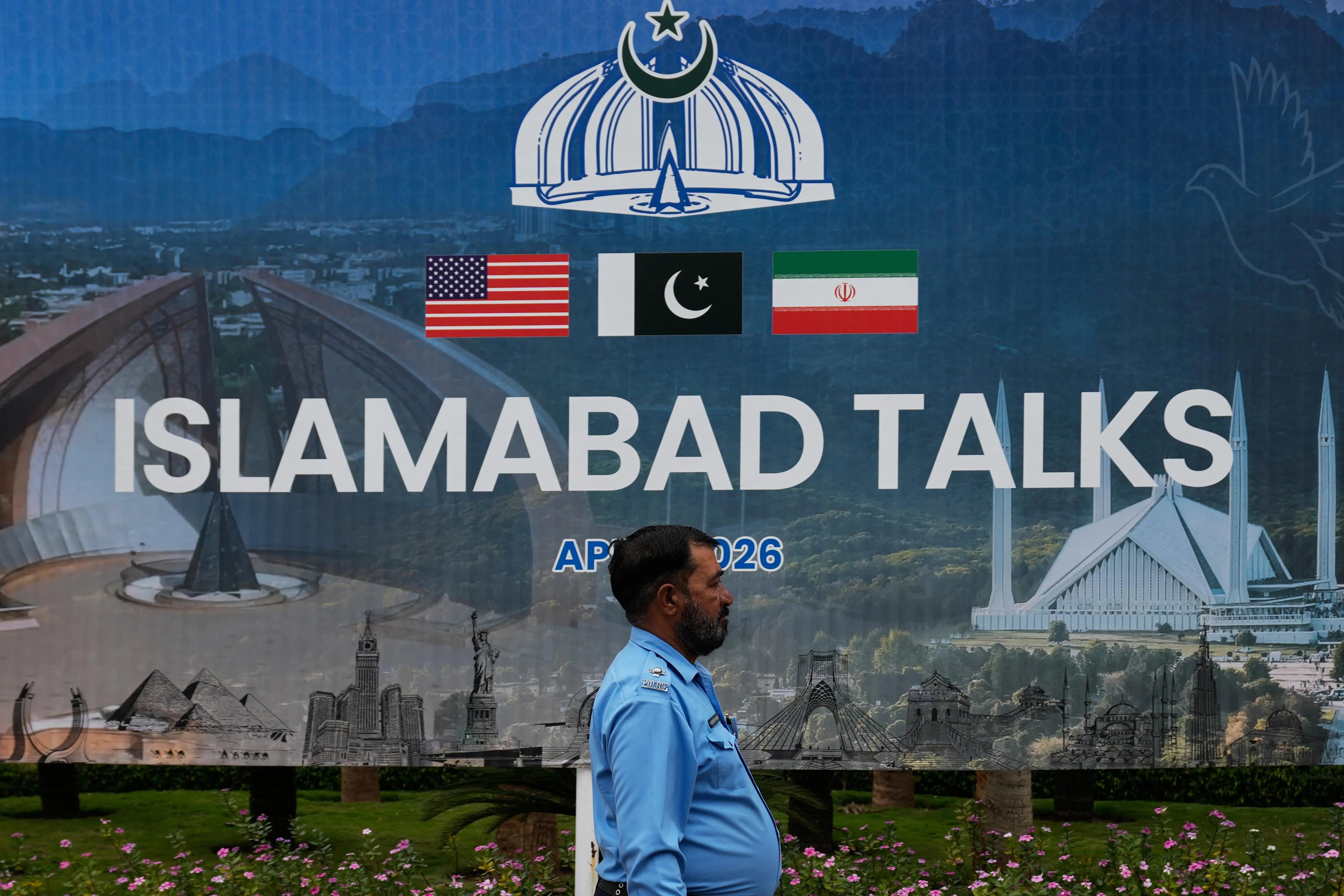
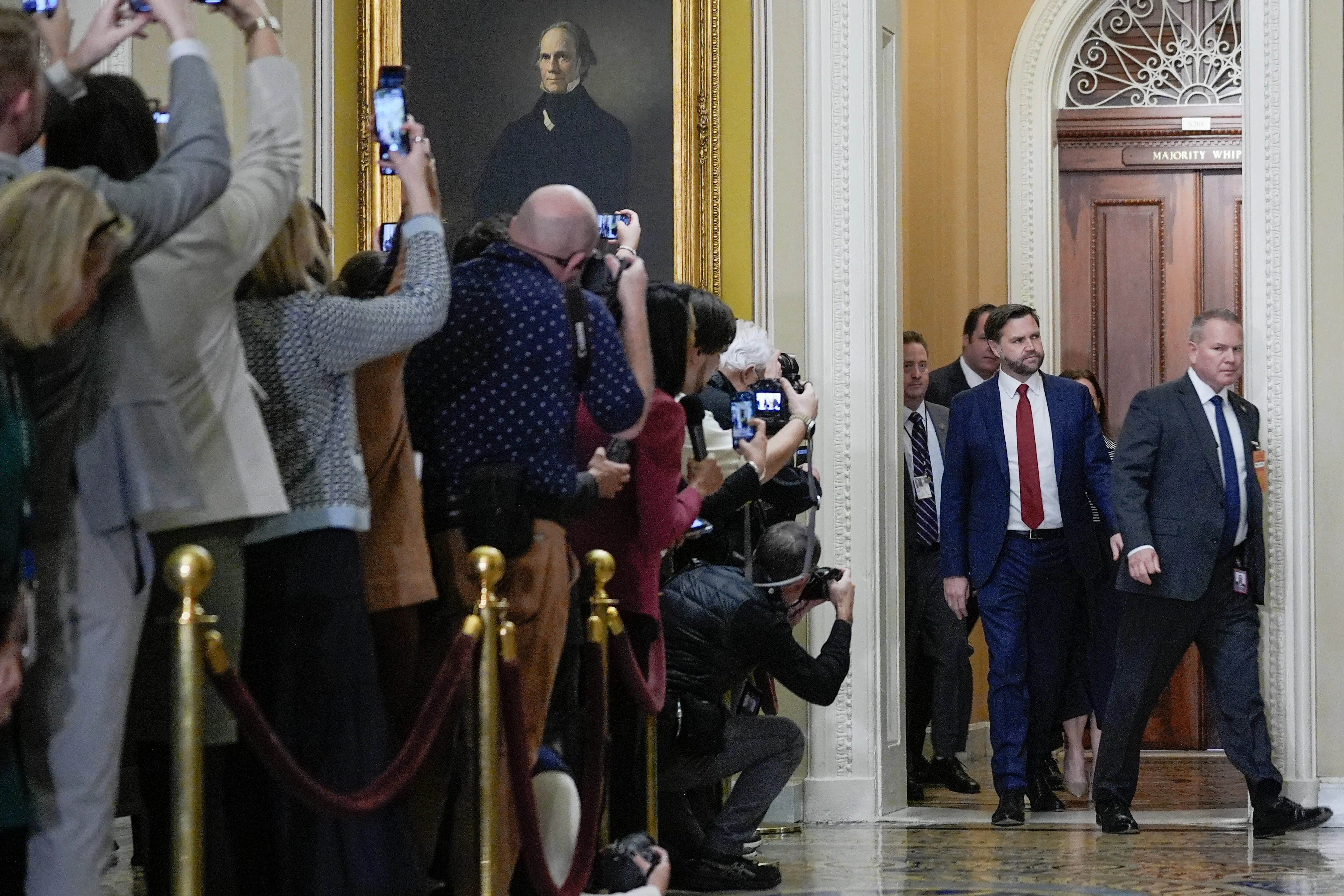
Face-to-face peace talks between the United States and Iran commenced in Islamabad on Saturday, aiming to resolve a six-week-long conflict that has escalated tensions in the Middle East. Vice President JD Vance leads the U.S. delegation, which includes White House envoy Steve Witkoff and Jared Kushner, President Trump's son-in-law. The Iranian side is represented by Parliament Speaker Mohammad Bagher Ghalibaf and Foreign Minister Abbas Araghchi. The meeting, mediated by Pakistan, follows a fragile ceasefire, with U.S. Navy destroyers recently transiting the Strait of Hormuz as part of mine-clearing operations.
Key Demands from Both Sides
The discussions revolve around several contentious issues. Iran is demanding an end to Israeli strikes on Hezbollah, the release of $6 billion in frozen assets, and assurances regarding its nuclear program. In contrast, the Trump administration insists on preventing Iran from acquiring nuclear weapons and has called for broader concessions, including troop withdrawals from the region. The stakes are high, with both sides aware that failure could lead to renewed hostilities.
Fragile Ceasefire and Ongoing Conflicts
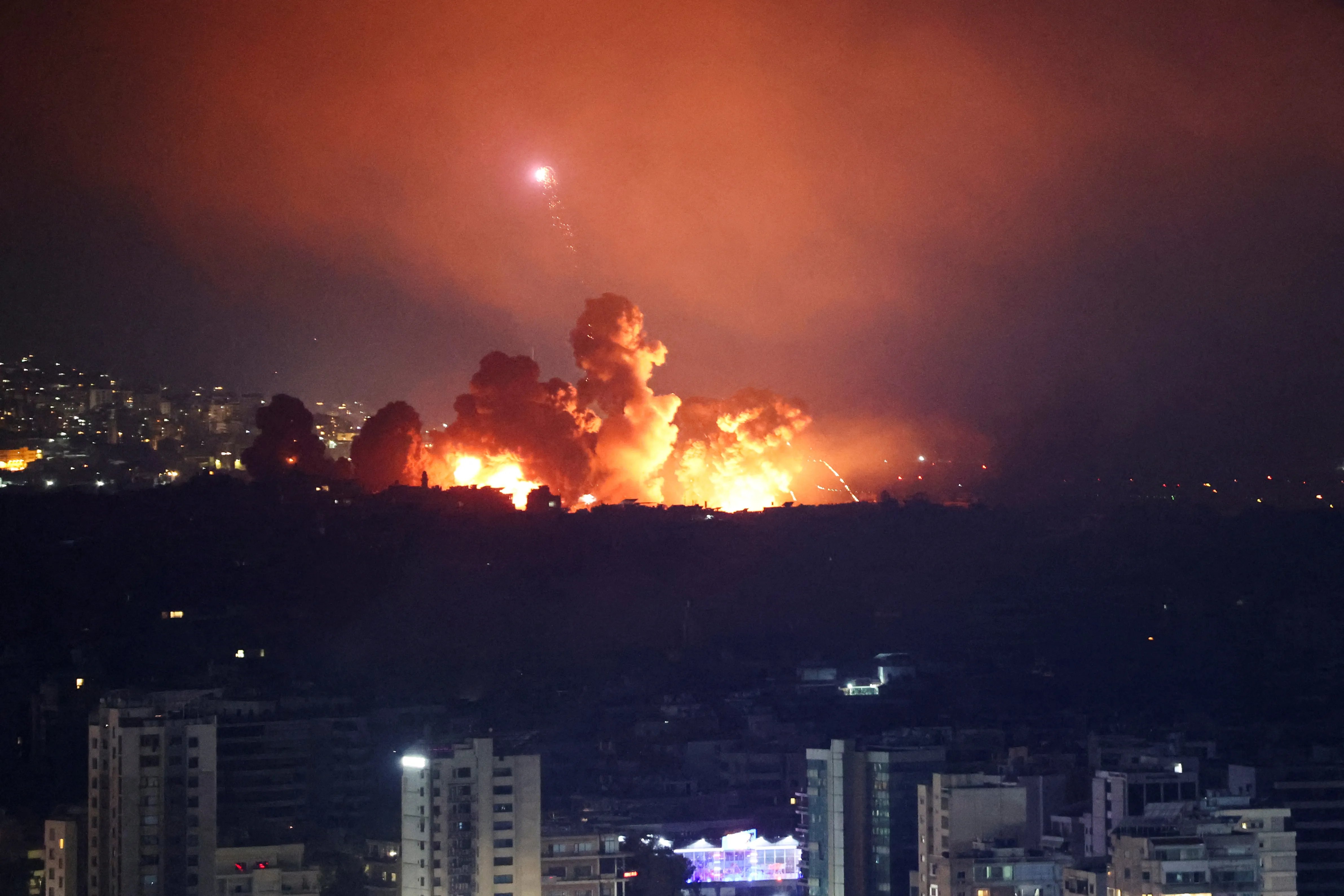
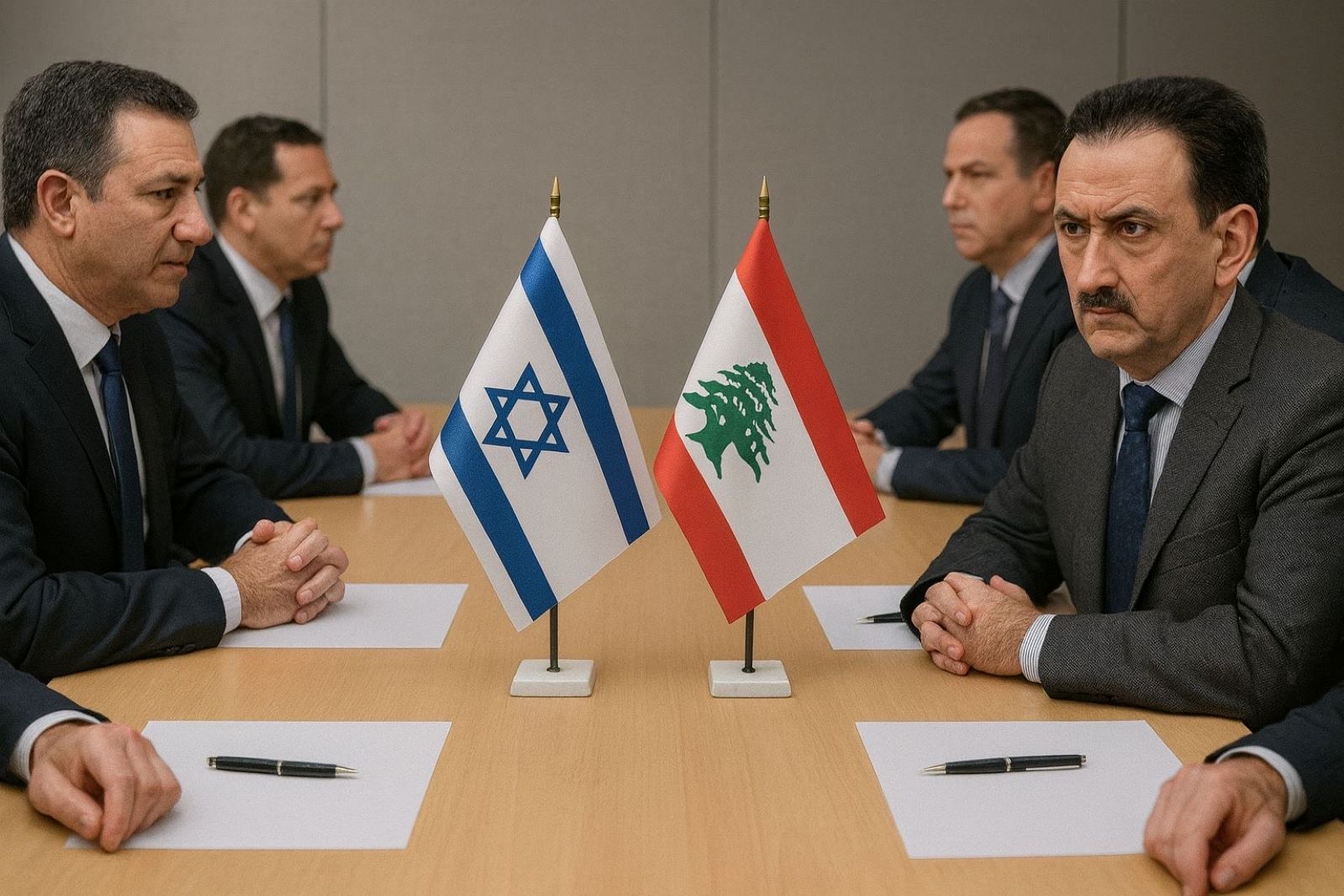
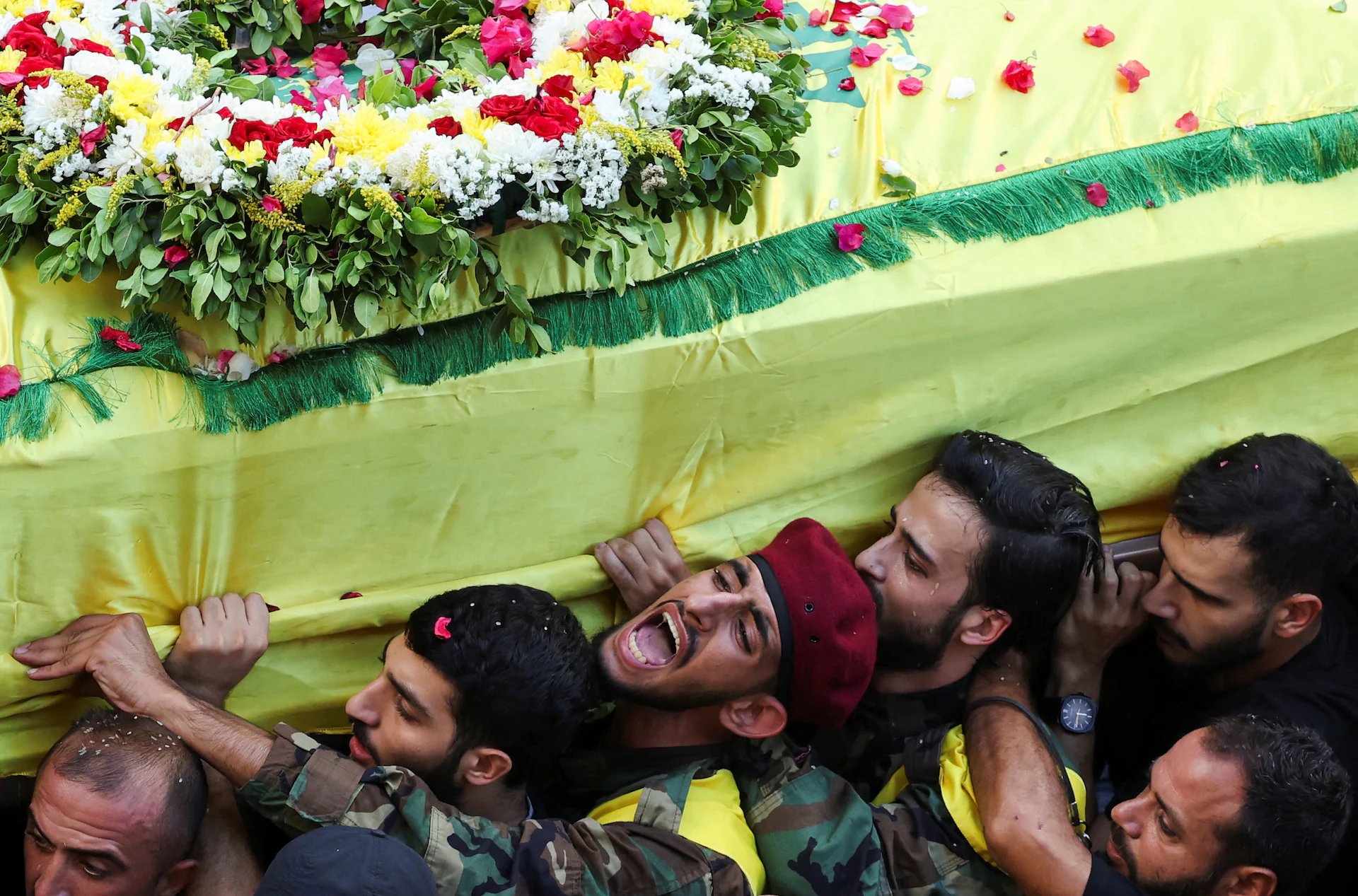
The ceasefire remains tenuous, particularly as Israel continues military operations in Lebanon, claiming to have struck over 200 Hezbollah-affiliated targets in just 24 hours. The ongoing violence has resulted in significant civilian casualties, with Lebanon's health ministry reporting at least 2,020 deaths since the conflict's escalation. Iranian officials express that any sustainable peace agreement must include a halt to these Israeli attacks, complicating the talks.

The sources also report that among Lebanon's 2,020 deaths, 165 were children and 85 were health care workers, as per the health ministry.
Pakistan's Role as Mediator
Pakistan's involvement marks a significant diplomatic shift, positioning itself as a mediator between two longstanding adversaries. Prime Minister Shehbaz Sharif has played a crucial role in brokering the ceasefire and facilitating these high-stakes discussions. Observers note that a successful outcome could enhance Pakistan's international standing, which has faced challenges due to domestic political and economic instability.
Potential for Extended Talks
Negotiators have entered a technical phase of discussions, with reports suggesting that the talks could extend beyond the initial one-day schedule if progress is made. The atmosphere in Islamabad is charged with anticipation, as the city prepares for the implications of these negotiations. Pakistani officials have expressed optimism, while experts remain cautious about the likelihood of a lasting resolution.
Global Implications of the Talks
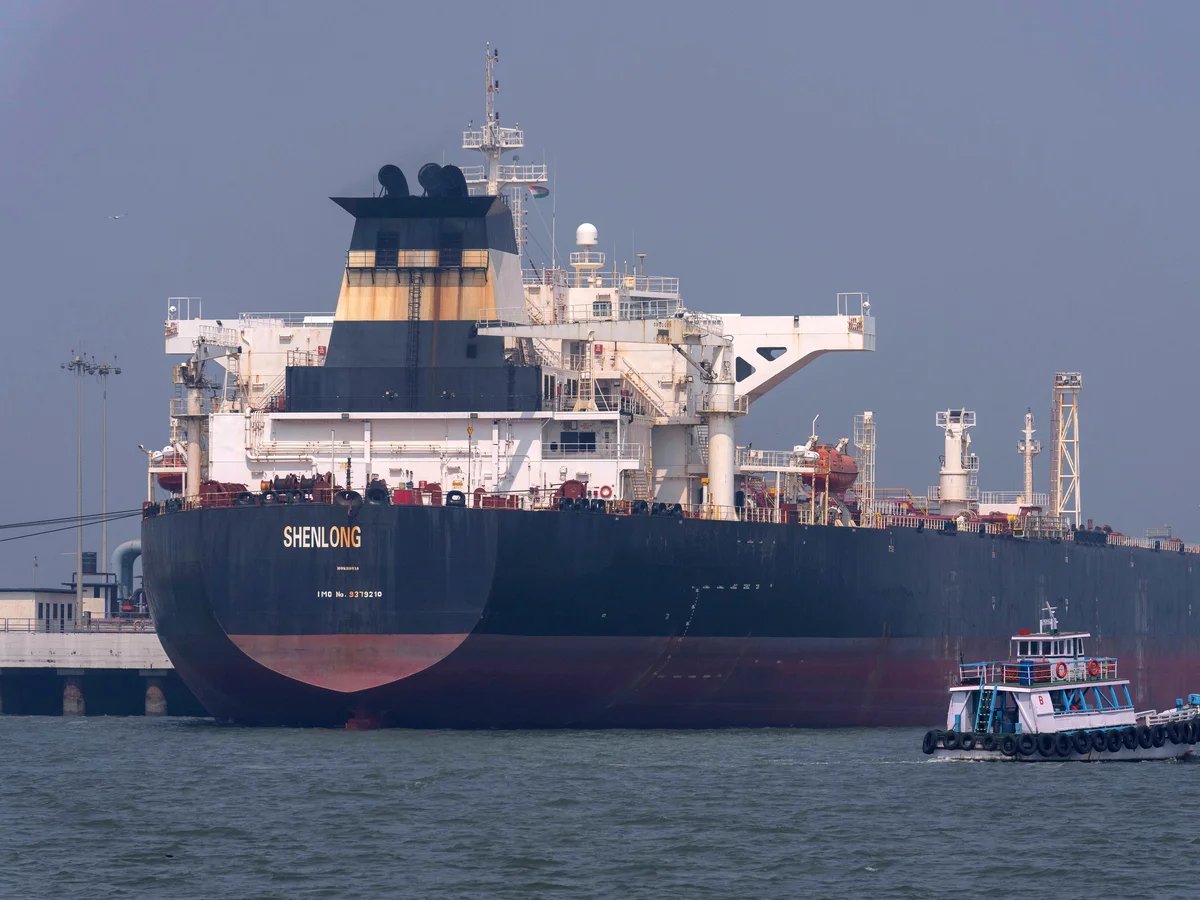
The outcome of the U.S.-Iran negotiations carries significant implications for global security and energy supplies. The Strait of Hormuz, through which approximately 20% of the world's oil passes, has become a focal point in the discussions. Analysts warn that any toll Iran might impose on ships traversing the strait could introduce new geopolitical risks, affecting global oil prices and economic stability.
The Human Cost of Conflict
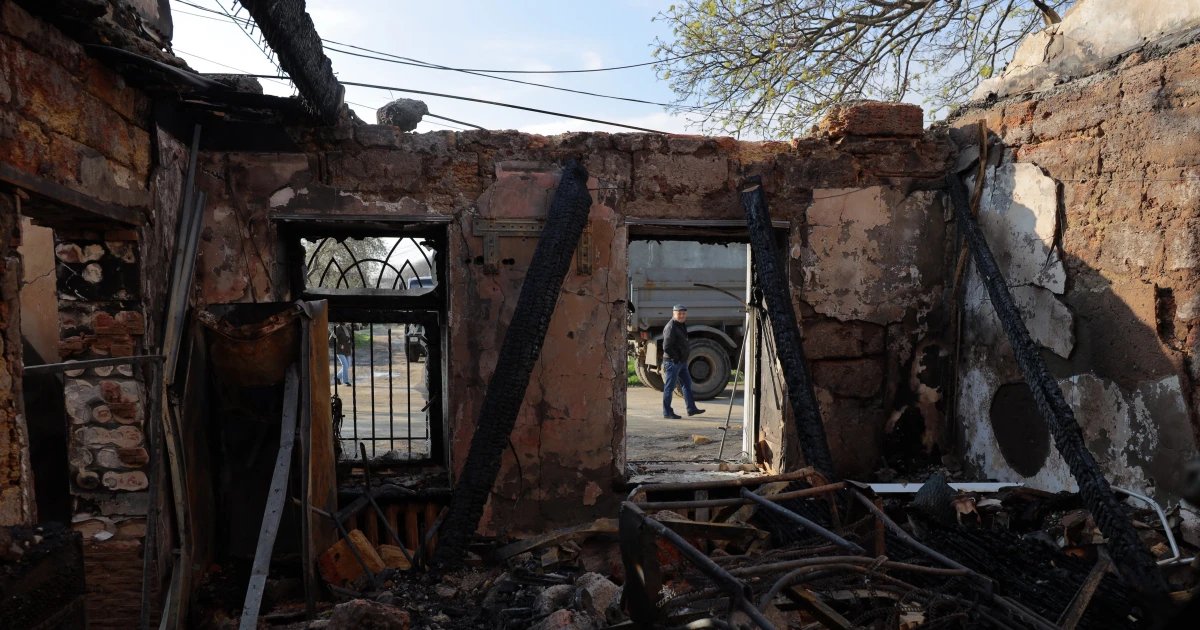
As negotiations unfold, the human toll of the ongoing conflict continues to rise. The Lebanese health ministry's reports highlight the severe consequences of military actions, with thousands displaced and numerous civilians killed or injured. Amidst the diplomatic efforts, voices calling for humanitarian considerations grow louder, emphasizing the need for protecting civilian lives and infrastructure.
Looking Ahead
As the U.S. and Iranian delegations engage in talks, the world watches closely. The negotiations not only represent a potential turning point in U.S.-Iran relations but also reflect broader geopolitical dynamics in the region. With both parties facing immense pressure to deliver results, the coming hours could determine the trajectory of peace in the Middle East.













The ABC News article reports that the Lebanese Ministry of Public Health says Israeli forces have killed at least 2,020 people in Lebanon since March 2, including 165 children and 85 health care workers.