





DOJ's Request to Judge Trenga
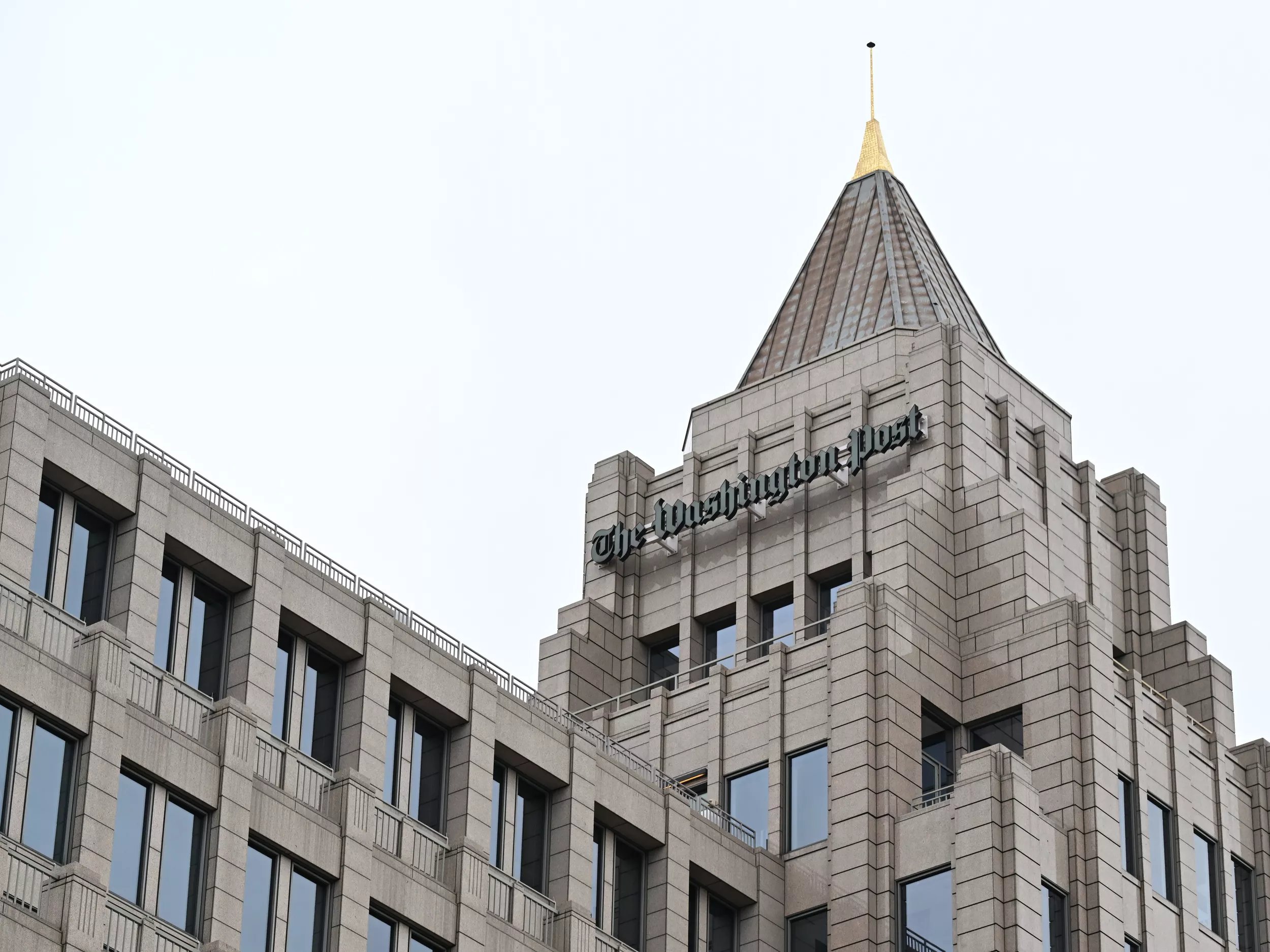
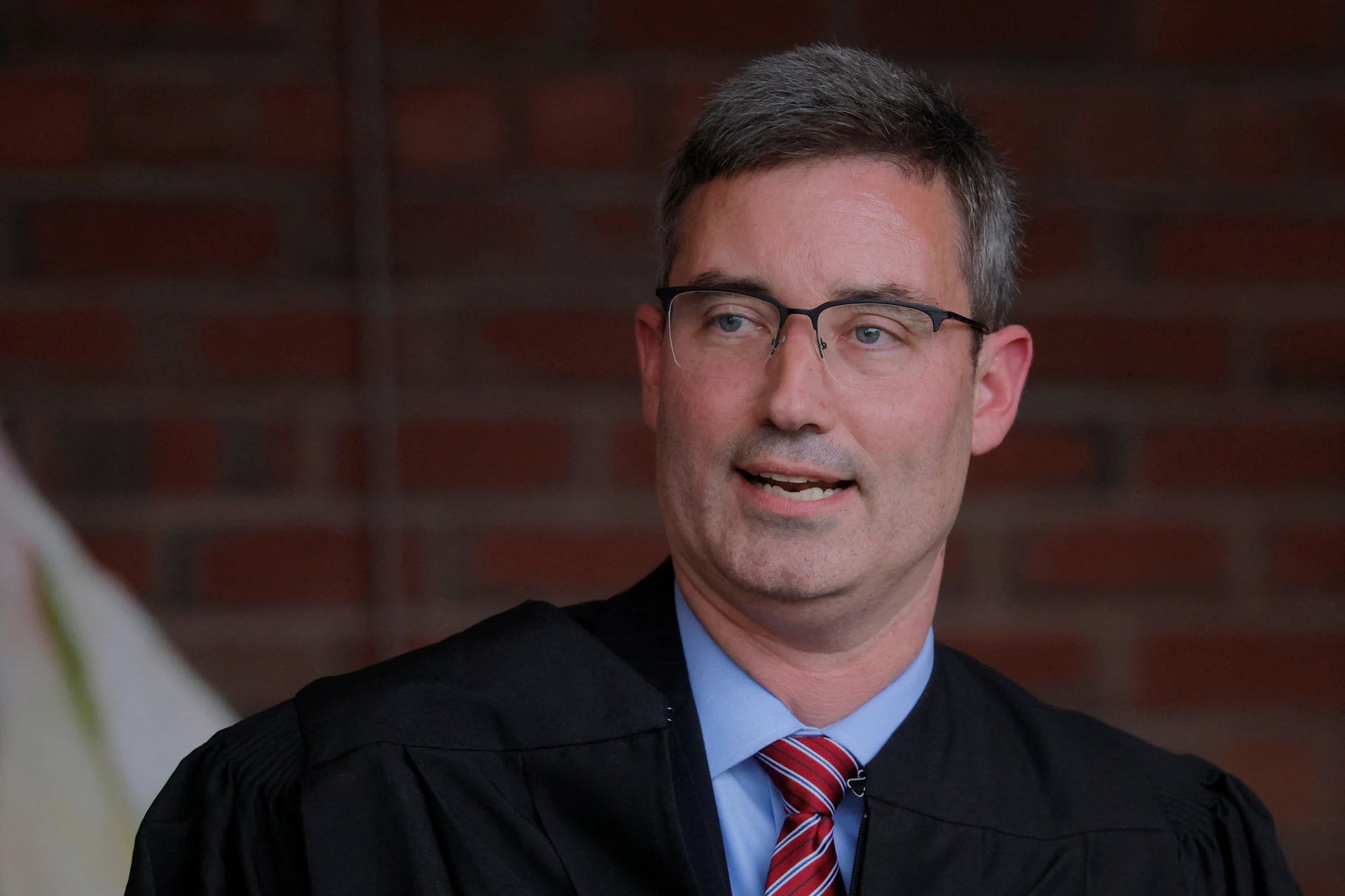
The Justice Department asked U.S. District Judge Anthony J. Trenga to approve its search of a Washington Post reporter’s phone and laptops, rather than let the court handle the review. Federal prosecutors made this request in a March 31 court filing, seeking to overturn a lower court decision. This move raises questions about government access to journalists' materials and its impact on press freedom, potentially affecting how reporters gather information that informs public debate.
Details of the Device Search
Prosecutors argued in the filing that the DOJ should conduct the search to ensure a thorough investigation, naming Judge Trenga as the decision-maker in Virginia federal court. The reporter's devices were already seized, prompting the DOJ's push for direct access. This development could influence individuals' privacy rights by setting a precedent for how authorities handle electronic evidence in investigations.
Parallel Court Rulings on DOJ Actions
U.S. District Judge Leo Sorokin dismissed a separate DOJ lawsuit that sought Massachusetts voter rolls, citing the request's failure to meet legal standards. Sorokin ruled that the DOJ's demand lacked sufficient basis, marking a setback for the department's efforts to obtain state data. This outcome highlights varying judicial responses to DOJ initiatives, showing how one case's rejection might signal broader limits on government oversight.
Concerns in Other DOJ Proceedings
The DOJ announced it would proceed with a $68 million settlement involving a Texas land developer, despite U.S. District Judge Alfred H. Bennett's objections during a hearing. Bennett questioned the $20 million allocated for police and immigration enforcement, asking, "Who in the settlement room said it would be a good idea to give $20 million to law enforcement?" This decision means the settlement moves forward without court supervision, potentially leaving victims of alleged predatory lending without compensation. Critics, including former DOJ officials, noted that the agreement does not address harm to Hispanic residents accused of facing high-interest loans and improper foreclosures.
Implications for Oversight and Rights
Justice Department senior prosecutor Varda Hussain defended the settlement provision, stating it addressed resident concerns about crime raised after the lawsuit. Hussain explained that the idea originated from Texas Attorney General Ken Paxton's office, which filed a similar suit. An analysis showed that only 6% of 183 DOJ housing settlements since 2018 lacked victim compensation, underscoring the rarity of this approach. Residents like Keilah Sanchez expressed disappointment, saying the outcome leaves them without recourse for past mistreatment by the developer.
What Happens Next in These Cases
Judge Trenga's ruling on the reporter's devices will determine if the DOJ gains access, potentially leading to further appeals. In the voter data case, Sorokin's dismissal ends that pursuit, closing the door on related DOJ requests. For the settlement, the DOJ's choice to bypass judicial approval means Colony Ridge must implement new lending standards, though no entity will monitor compliance. This shift could affect future DOJ cases by reducing accountability and leaving individuals to navigate the results on their own.





















For example, the sources report that the analysis found only 6% of 183 housing and civil enforcement settlements announced by the Justice Department since 2018 lacked victim compensation.