




Escalation of Military Actions
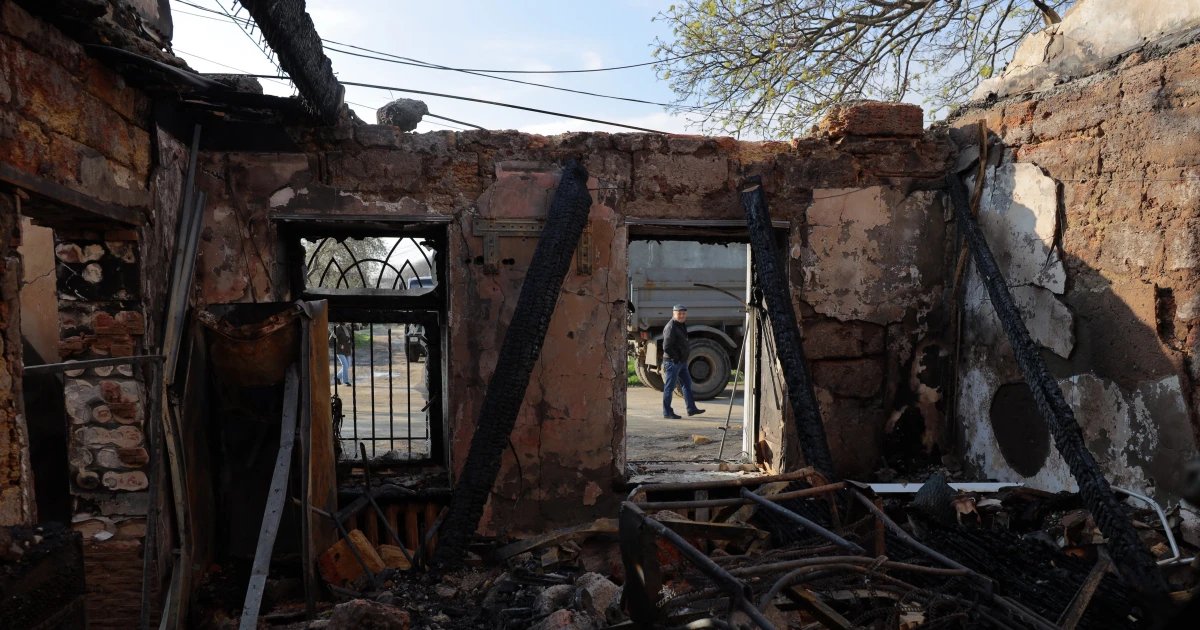
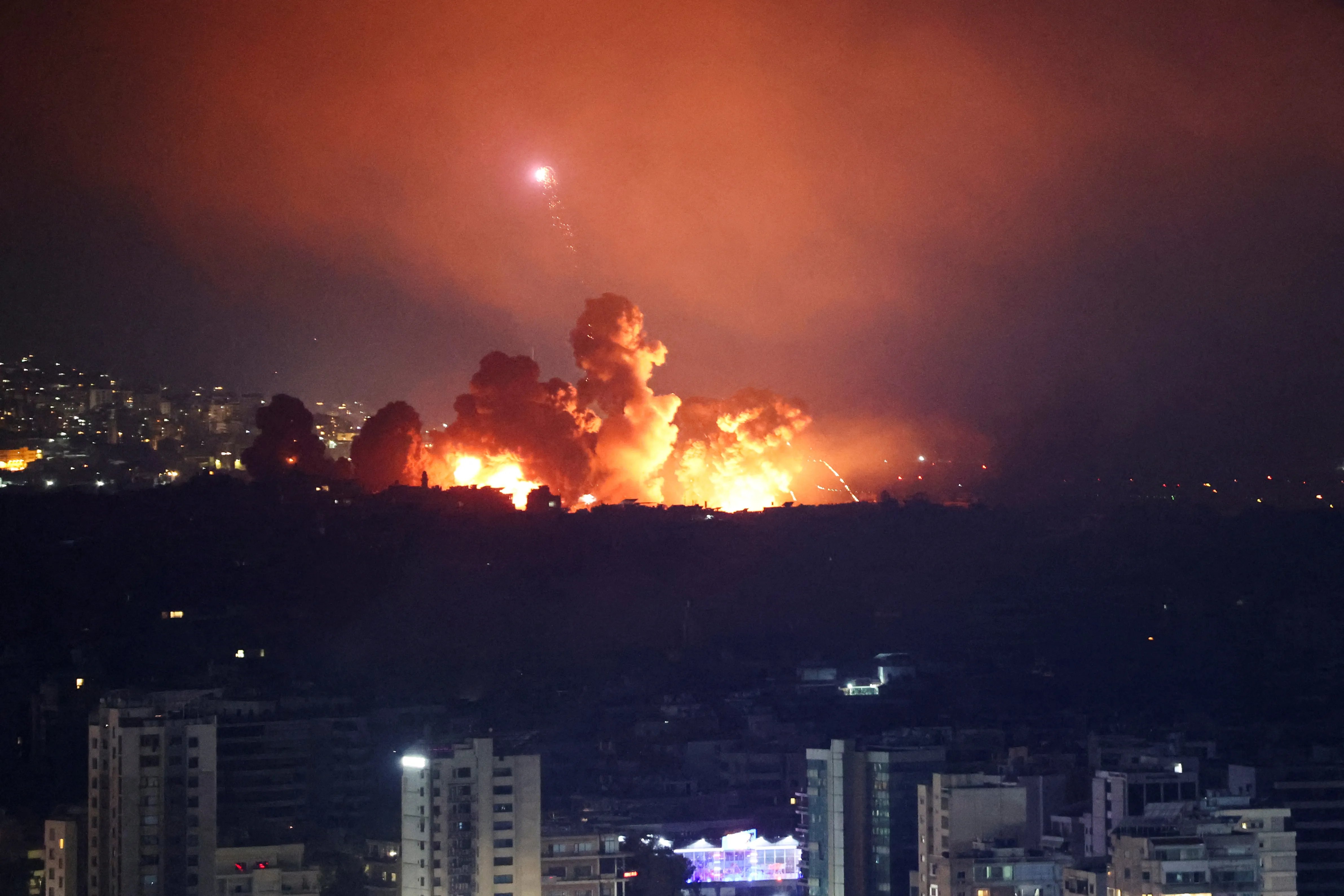
The Israeli military has intensified its operations in southern Lebanon, claiming to have struck over 200 Hezbollah targets within a 24-hour period. These attacks have generated significant smoke clouds over Lebanese villages, signaling a dramatic escalation in hostilities. The Israeli Defense Forces (IDF) maintain that these strikes are essential to neutralize what they identify as a primary threat to their national security.
Casualties and Human Impact
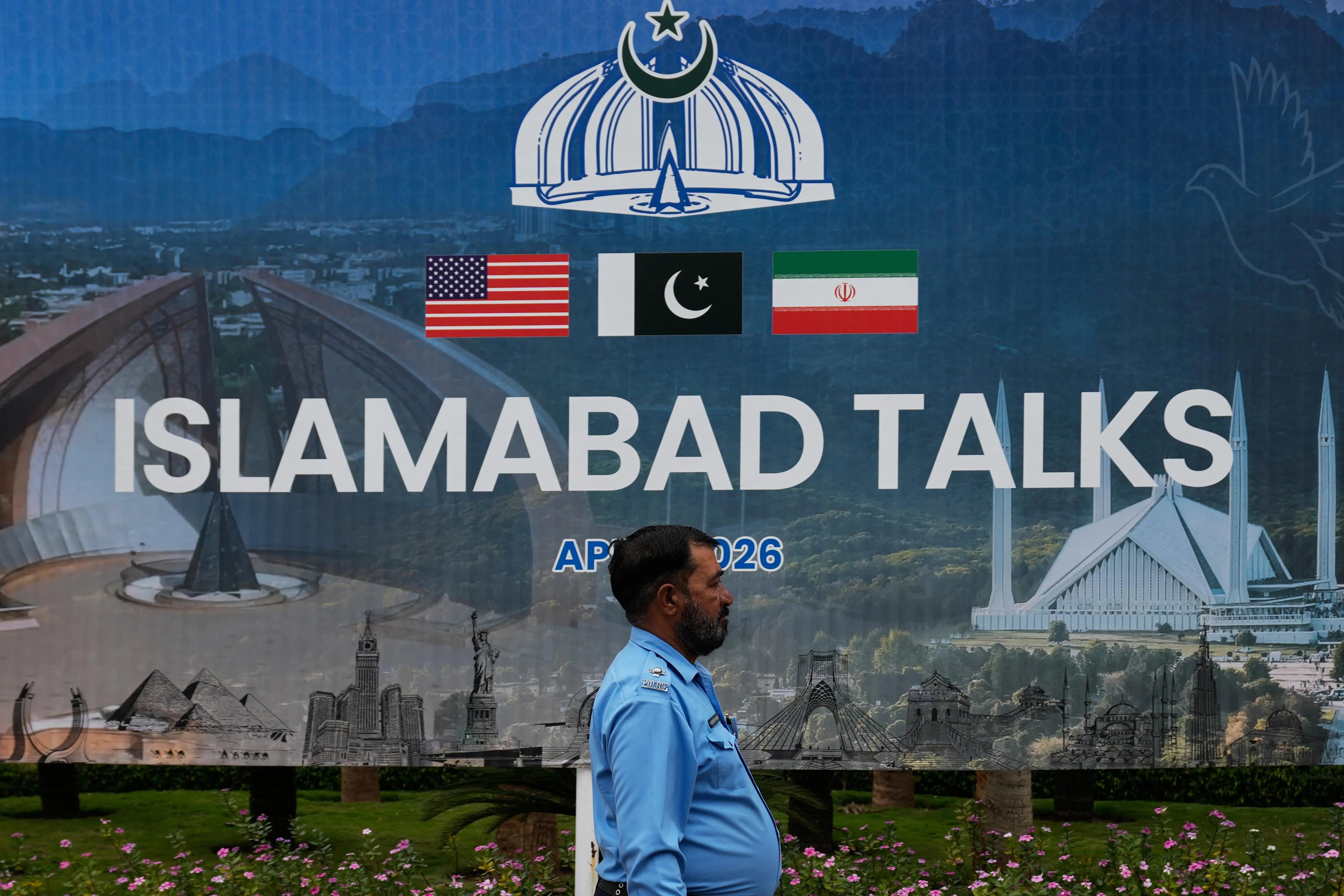
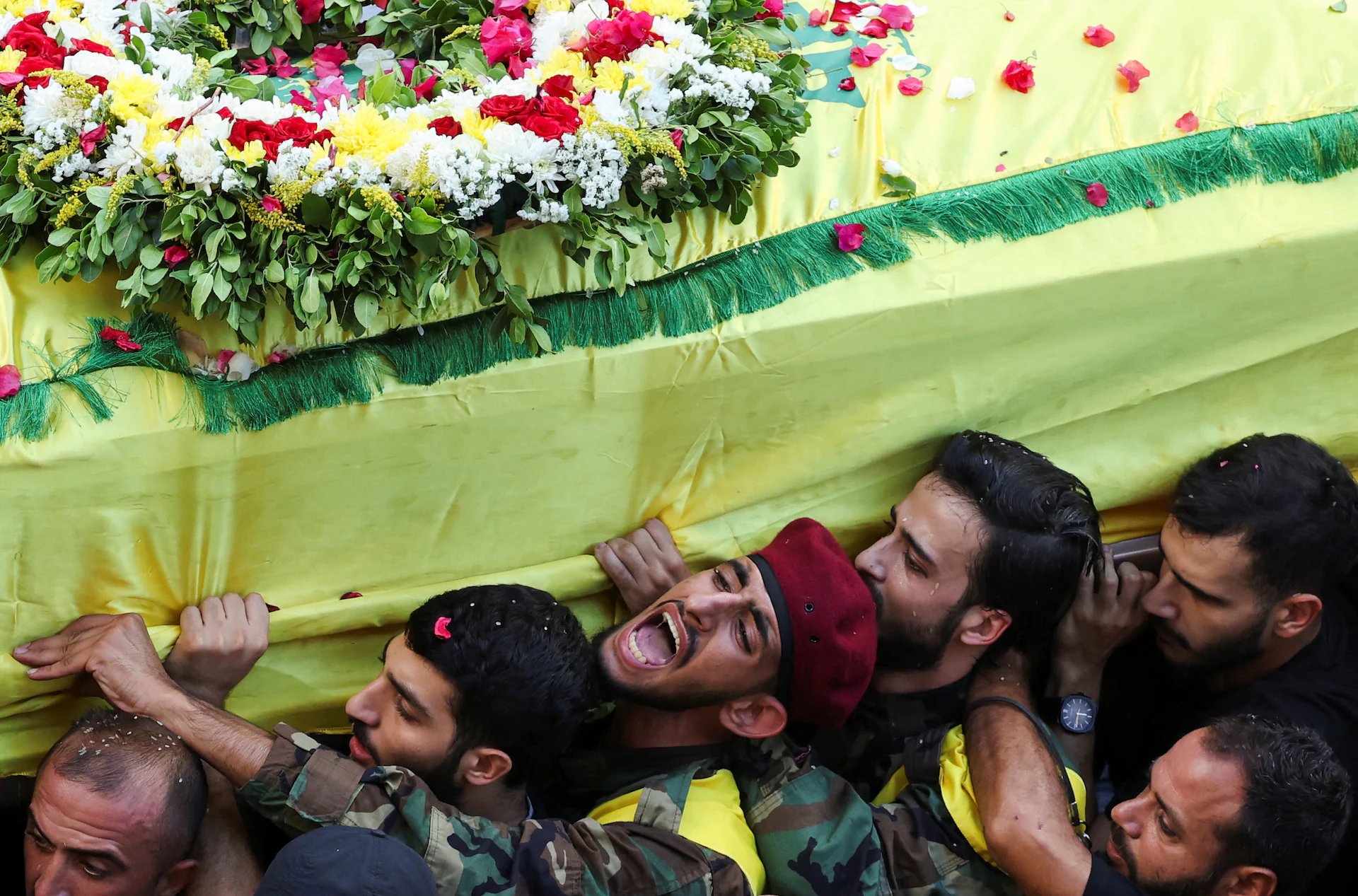
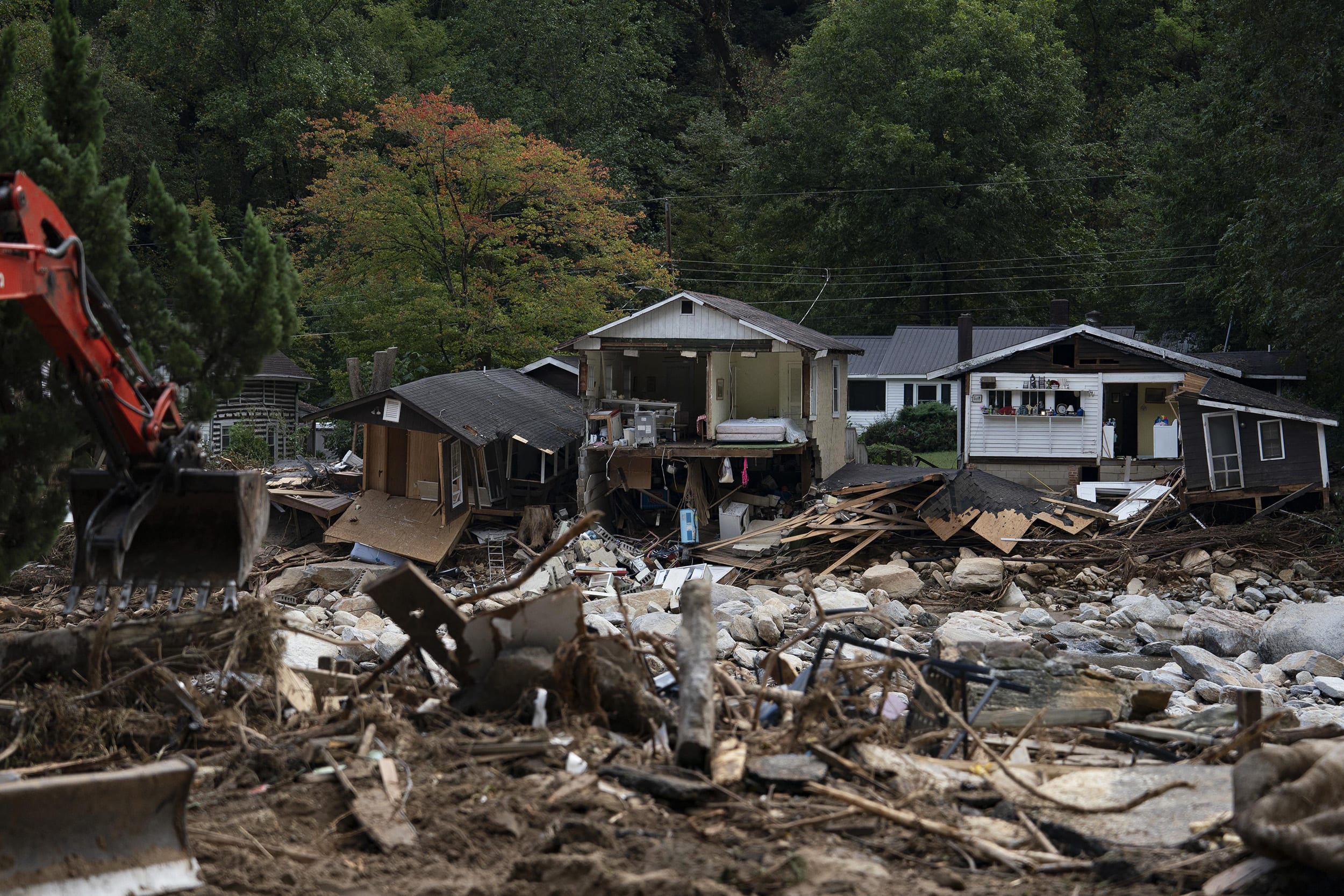
As the conflict rages on, Lebanese authorities report that Israeli strikes have resulted in over 1,950 fatalities, including more than 350 deaths on just the first day of the recent U.S.-Iran ceasefire negotiations. This staggering toll underscores the humanitarian crisis unfolding in the region, with civilians bearing the brunt of the violence. The situation has led to growing concerns about the long-term implications for both Lebanon and the broader Middle East.
Diplomatic Efforts and Stalemate
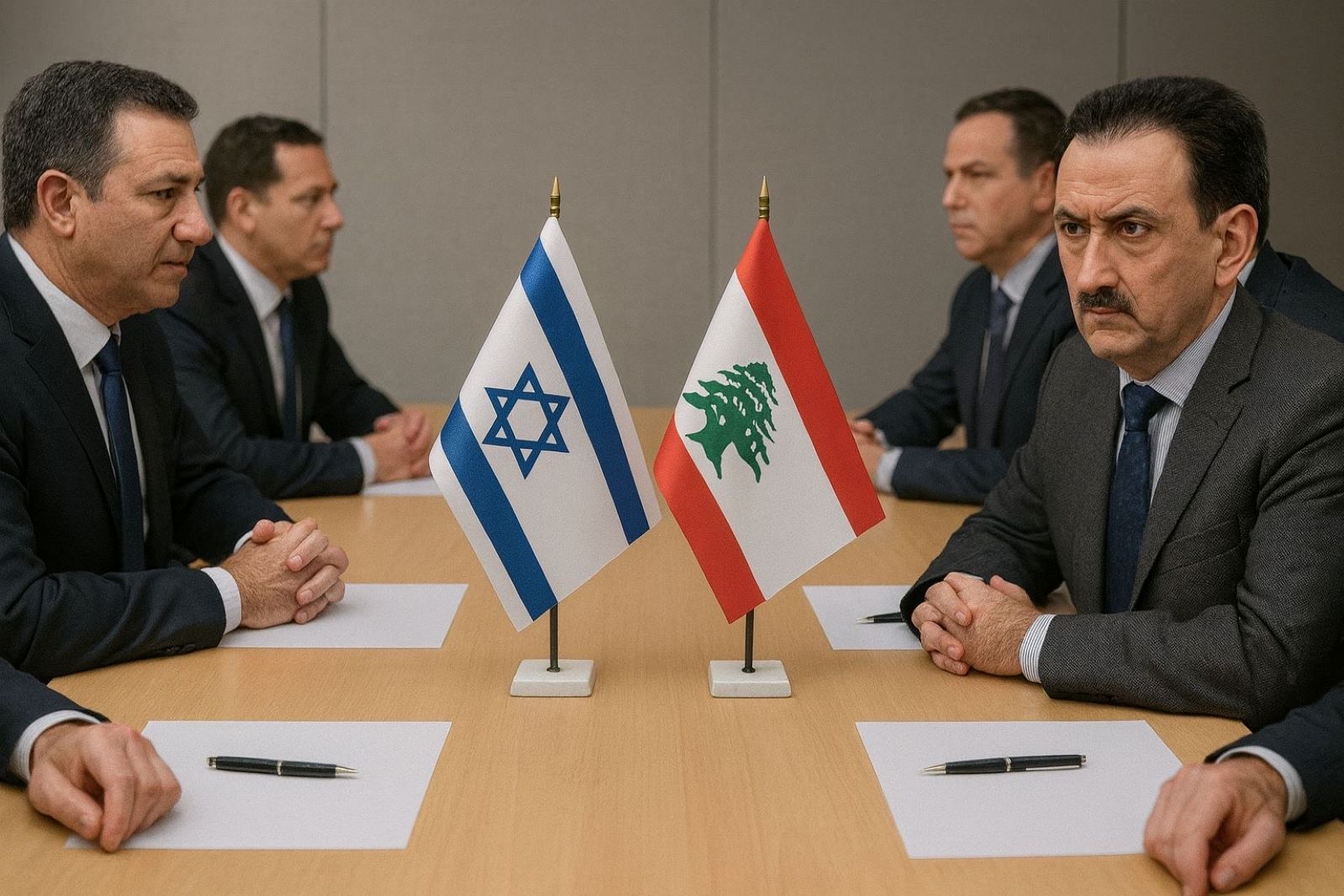
Despite the ongoing violence, peace talks are scheduled between Israeli and Lebanese representatives in Washington on Tuesday. However, Israel has firmly rejected any proposals for a ceasefire, viewing Hezbollah as a significant barrier to achieving lasting peace. The lack of diplomatic relations between the two nations complicates the situation further, as they prepare for their first formal discussions amidst escalating tensions.
Iran's Position
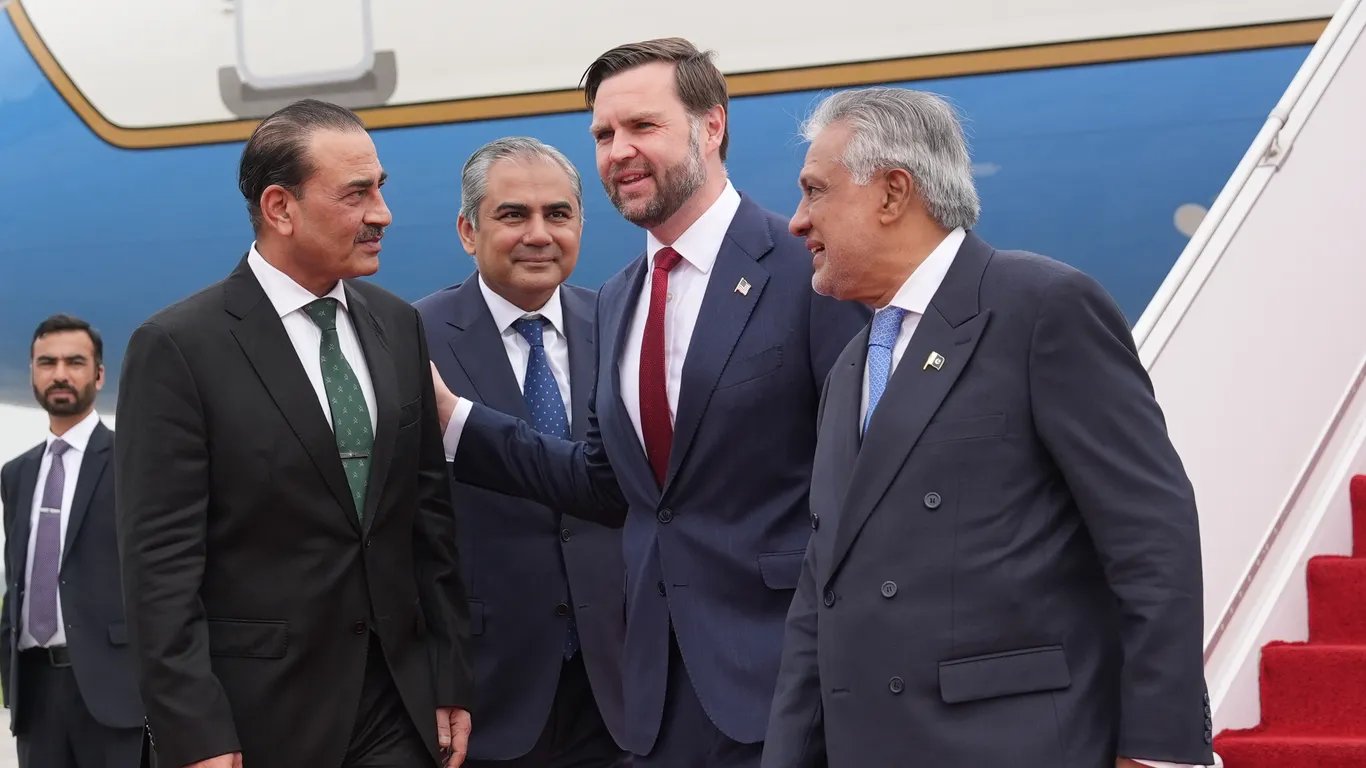
Iran has made it clear that it will not engage in negotiations until Israel ceases its bombing campaign in Lebanon. This stance complicates the dynamics of the U.S.-Iran talks, as Tehran seeks to leverage its influence in the region against Israeli military actions. The Iranian government’s position emphasizes the interconnectedness of regional conflicts and the challenges of achieving peace in the current climate.
Broader Regional Implications
The military actions taken by Israel not only reflect the immediate conflict with Hezbollah but also have far-reaching implications for regional stability. As both sides remain entrenched in their positions, the risks of further escalation increase, affecting international relations and security. The developments highlight the precarious balance of power in the Middle East, with potential repercussions for global diplomatic efforts aimed at resolving the ongoing crises.
As the situation develops, civilians in both Lebanon and Israel remain in precarious circumstances, with the outcome of upcoming negotiations potentially influencing their safety and future.