



Tariffs Escalate Costs for U.S. Consumers
President Donald Trump's 10 percent global tariff faces scrutiny in the U.S. Court of International Trade, where judges heard arguments on Friday challenging the policy's legality. Small businesses and attorneys general from 24 states filed lawsuits, arguing the tariffs misuse Section 122 of the Trade Act of 1974.
States and Businesses Contest Tariff Claims
The governors of 24 states and the Liberty Justice Center, representing two small U.S. businesses, asserted in court that no "serious United States balance-of-payments deficits" exist to justify the tariffs. Economists, including two Nobel Prize winners, filed a brief stating the law targets issues from the Bretton Woods system, which ended in 1976.
Administration Defends Tariff Authority
Assistant Attorney General Brett Shumate argued in court filings that the tariffs respond to trade deficits, citing U.S. Bureau of Economic Analysis data on the current account balance. Shumate claimed the president's judgment on deficits is "unreviewable," allowing Trump to set the rate at 10 percent and later propose raising it to 15 percent. The administration pointed to the scale of affected imports, with more than 53 million entries involving the tariffs.
Refund Mechanism for Importers Takes Shape
US Customs and Border Protection announced that importers can begin filing refund requests on April 20 using the CAPE tool for straightforward entries. In March, the Court of International Trade ordered refunds of up to $170 billion, plus interest, for roughly 330,000 importers affected by the tariffs that the Supreme Court struck down in February.

The sources also report that CAPE, the 'Consolidated Administration and Processing of Entries tool,' will initially handle only the most straightforward refund requests.

The sources also report that this repayment could be the largest in US government history, involving more than 53 million import entries.

The sources also report that the refund process will initially handle straightforward and recent import entries, with more complex scenarios addressed later.


















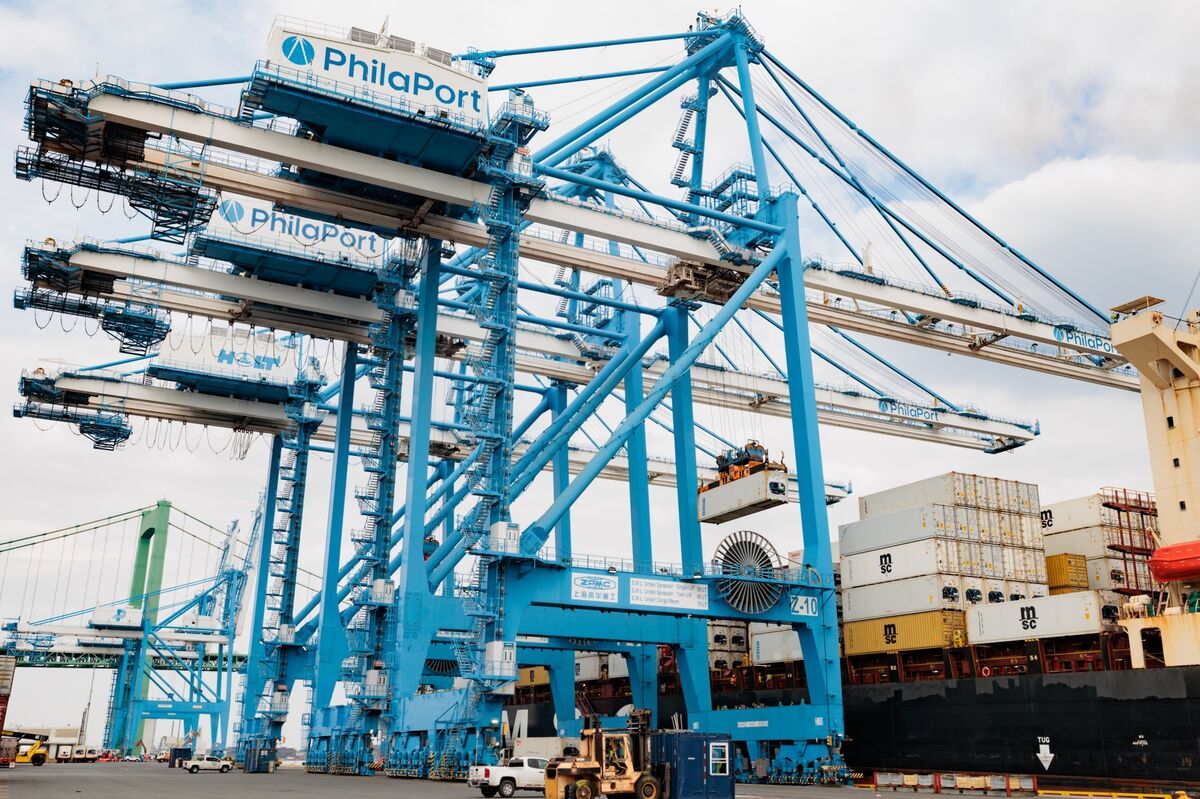

















The sources also report that more than 53 million import entries included the tariffs that the Supreme Court struck down in February, underscoring the potential scale of the refund process.