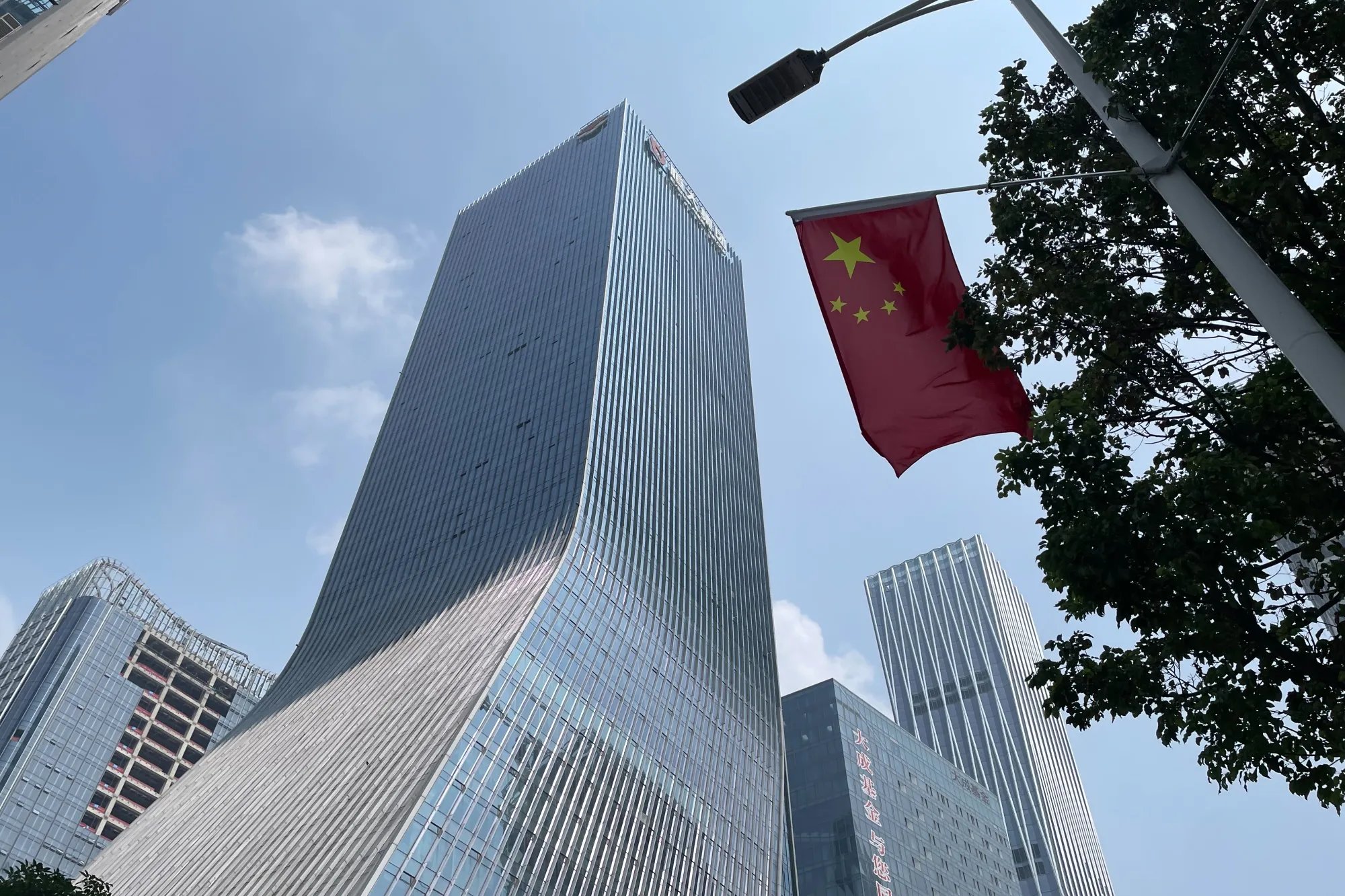
Xu Jiayin, the founder of China Evergrande Group, pleaded guilty to fraud in a Shenzhen court on April 13. This decision marks a significant moment in the ongoing saga of one of the world's largest real estate developers, which has been embroiled in financial turmoil since 2021. Xu's guilty plea could have far-reaching consequences for the company, which owes over $300 billion to creditors and investors.
Prosecutors accused Xu of fabricating financial data and misleading investors about the company's financial health. In particular, he allegedly misrepresented Evergrande's cash flow and the status of its projects to secure additional financing.
Xu's guilty plea raises concerns for the millions of investors and creditors affected by Evergrande's financial collapse.
The guilty plea also signals heightened scrutiny on corporate governance within China's real estate sector.
Investors have expressed mixed reactions to Xu's guilty plea. Some view it as a necessary step toward accountability in the real estate sector, while others fear it may not lead to meaningful recovery for Evergrande or its creditors. "This is a critical moment for corporate accountability in China," said Zhang Wei, a financial analyst based in Beijing. "But we need to see real action to restore confidence in the market."
As the case unfolds, Evergrande faces an uncertain path ahead. The company has been attempting to restructure its debts and stabilize operations, but Xu's legal troubles may complicate these efforts. Creditors are closely monitoring the situation, and the outcome of Xu's sentencing could determine the future of the company's restructuring plans.
Xu Jiayin's guilty plea is a pivotal moment not only for Evergrande but for the entire Chinese real estate market. With billions of dollars at stake and countless lives affected, the repercussions of this case will be felt for years to come. Stakeholders are left to wonder how this will shape their investments and the future landscape of real estate in China.
Xu Jiayin, the founder of China Evergrande Group, pleaded guilty to fraud in a Shenzhen court on April 13. This decision marks a significant moment in the ongoing saga of one of the world's largest real estate developers, which has been embroiled in financial turmoil since 2021. Xu's guilty plea could have far-reaching consequences for the company, which owes over $300 billion to creditors and investors.
Prosecutors accused Xu of fabricating financial data and misleading investors about the company's financial health. In particular, he allegedly misrepresented Evergrande's cash flow and the status of its projects to secure additional financing. The court has not yet announced a sentencing date, but legal experts suggest that Xu could face substantial prison time, complicating the future of the company.
Xu's guilty plea raises concerns for the millions of investors and creditors affected by Evergrande's financial collapse. The company’s debt crisis has already led to delays in housing deliveries, affecting thousands of homeowners. Analysts warn that this legal development could further destabilize the already fragile real estate market in China, which has seen a decline in property prices and consumer confidence.
The guilty plea also signals heightened scrutiny on corporate governance within China's real estate sector. As the government continues its crackdown on financial misconduct, other developers may face increased regulatory pressure. This could lead to a more cautious approach to borrowing and investment, potentially slowing down the already struggling real estate market.
Investors have expressed mixed reactions to Xu's guilty plea. Some view it as a necessary step toward accountability in the real estate sector, while others fear it may not lead to meaningful recovery for Evergrande or its creditors. "This is a critical moment for corporate accountability in China," said Zhang Wei, a financial analyst based in Beijing. "But we need to see real action to restore confidence in the market."
As the case unfolds, Evergrande faces an uncertain path ahead. The company has been attempting to restructure its debts and stabilize operations, but Xu's legal troubles may complicate these efforts. Creditors are closely monitoring the situation, and the outcome of Xu's sentencing could determine the future of the company's restructuring plans.
Xu Jiayin's guilty plea is a pivotal moment not only for Evergrande but for the entire Chinese real estate market. With billions of dollars at stake and countless lives affected, the repercussions of this case will be felt for years to come. Stakeholders are left to wonder how this will shape their investments and the future landscape of real estate in China.
Highlighted text was flagged by the council. Tap to see feedback.