




Refinery Reopened
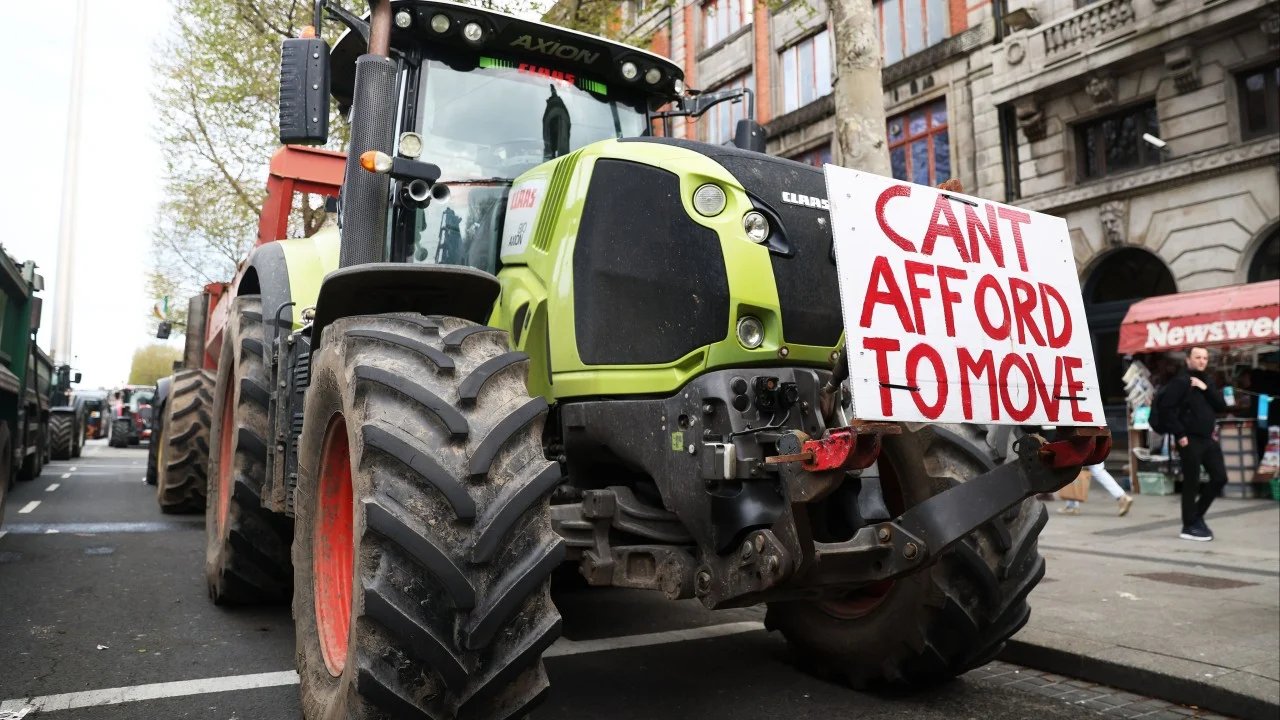
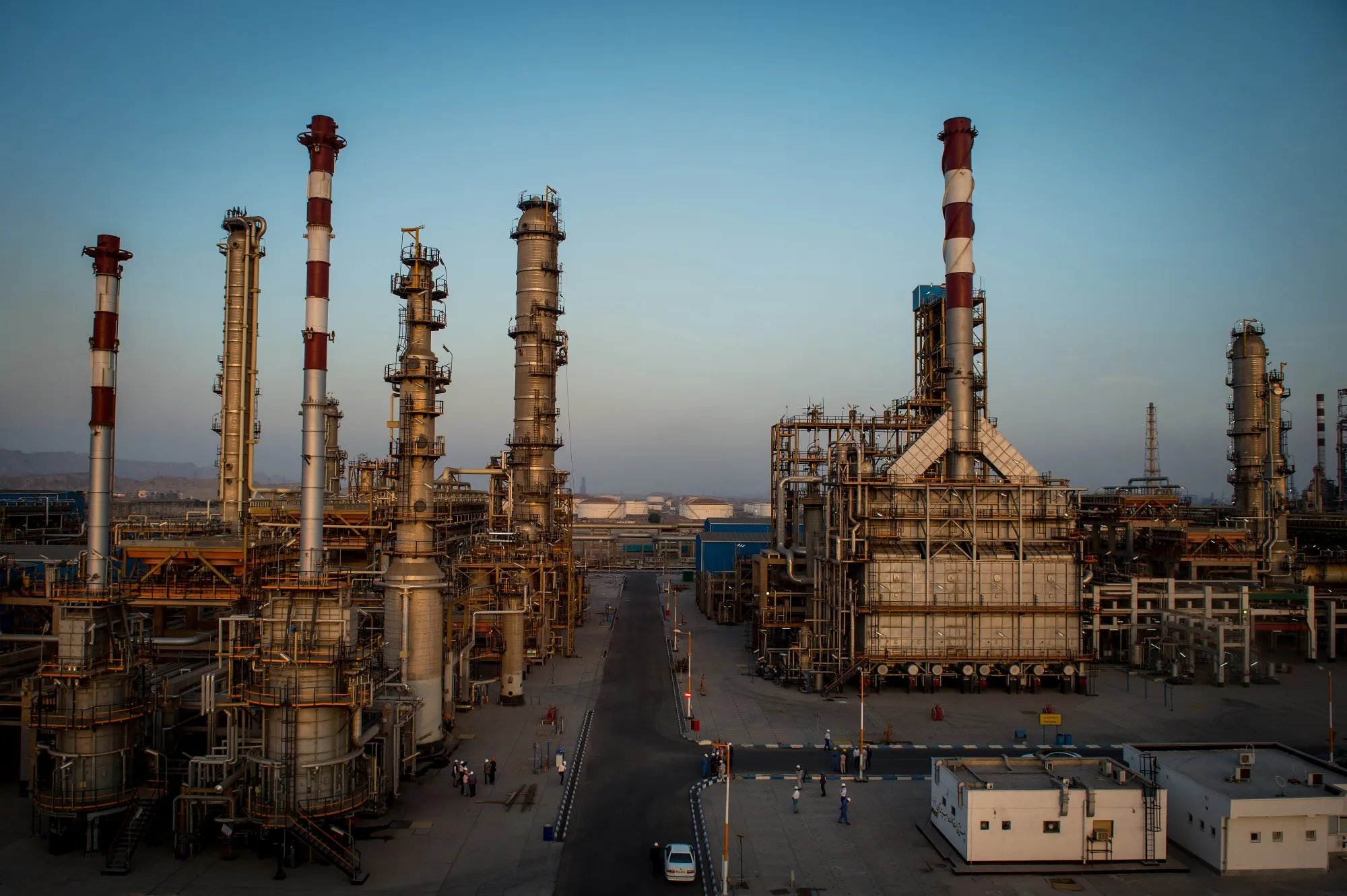
Irish authorities deployed pepper spray and made arrests on Saturday to clear protesters blockading the country's only oil refinery, the Whitegate refinery in County Cork. Fuel trucks were escorted by law enforcement, supported by armed forces personnel, to restore supplies after five days of nationwide demonstrations. Irish police chief Justin Kelly said the protesters' actions were "endangering the state" by blockading "critical national infrastructure such as fuel depots and refineries."
Protests Across Ireland
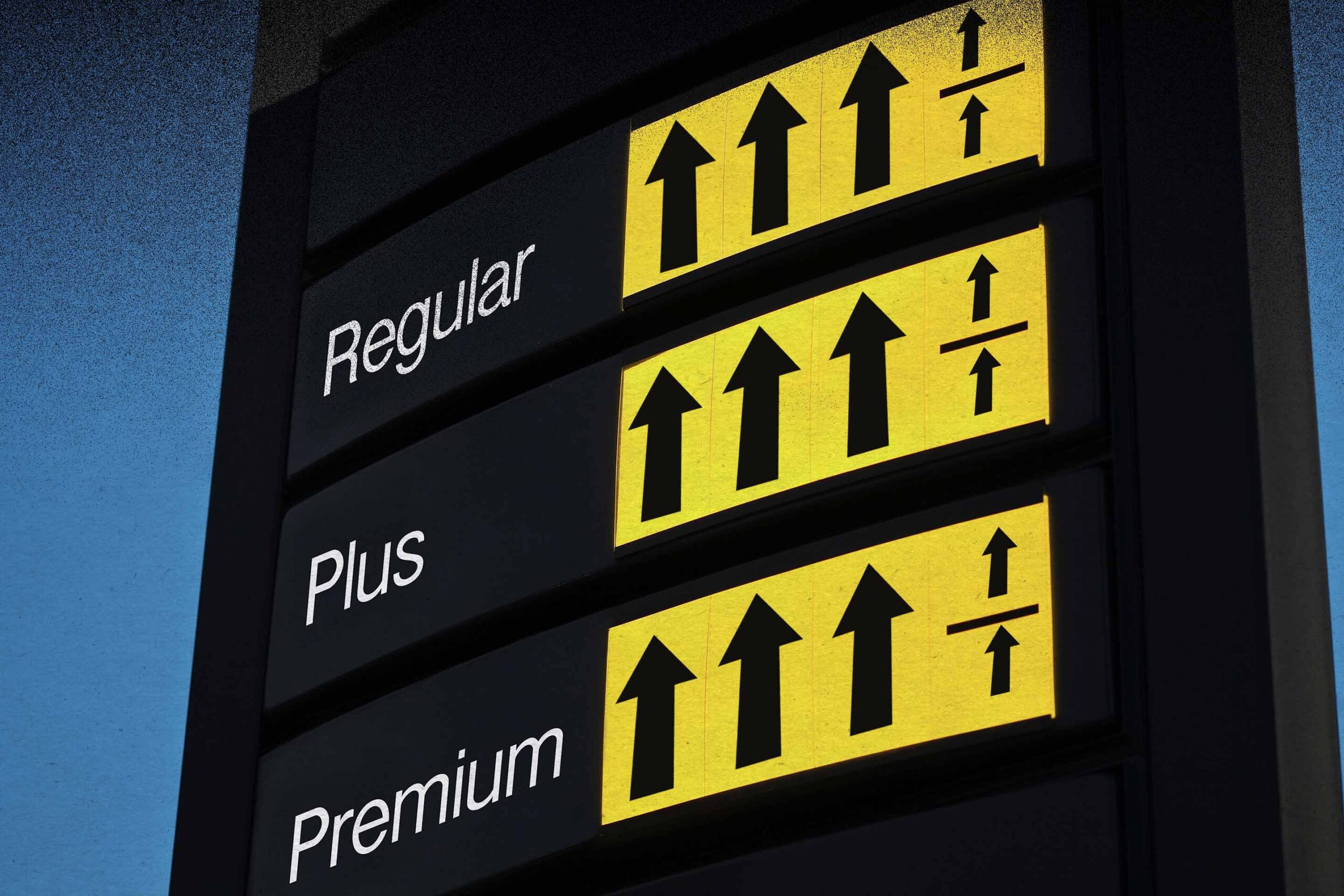
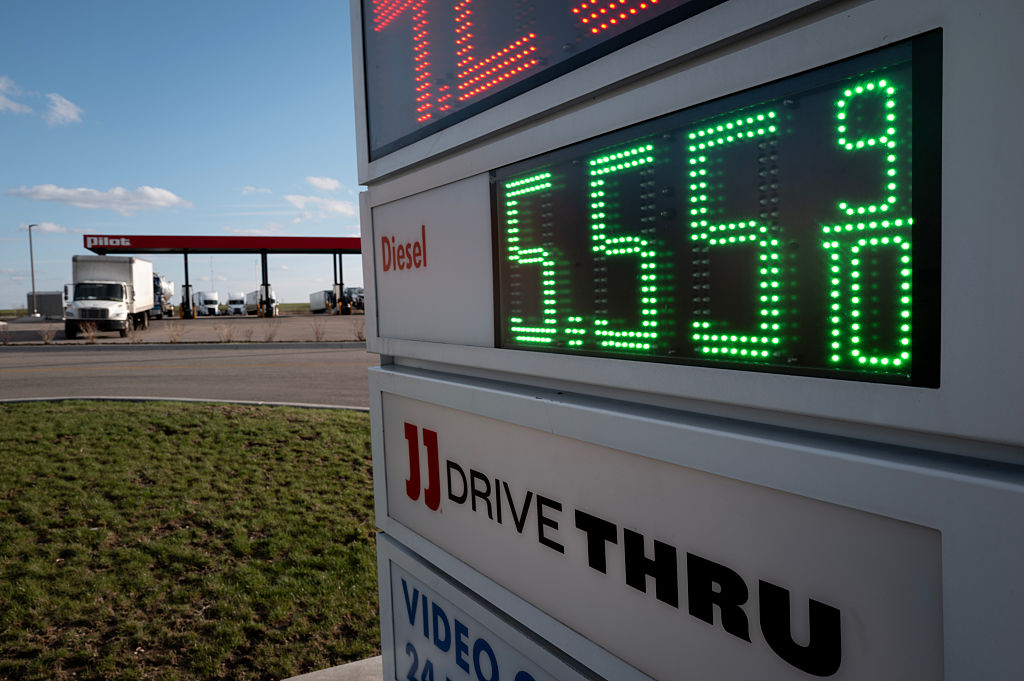
The protests, which began on Tuesday, were triggered by spiraling petrol and diesel prices attributed to the Middle East war. Demonstrations included blockades at Ireland’s only oil refinery, a major port, and vital depots, preventing tanker trucks from delivering fuel to service stations. Protesters, largely truckers, farmers, and transport operators, restricted access to at least two other fuel depots in Galway and Foynes, County Limerick. Slow-moving convoys of vehicles also caused traffic jams on major highways.
Fuel Shortages Impact Services
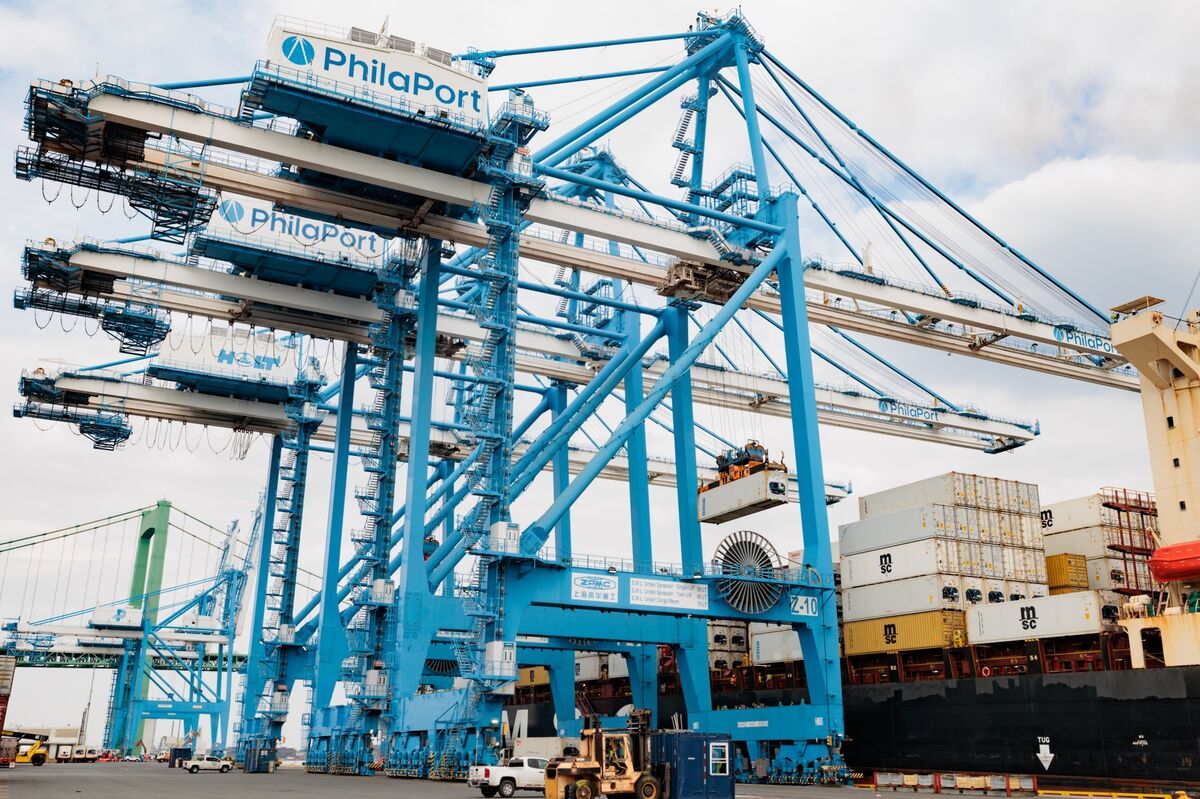
Fuels for Ireland chief executive Kevin McPartlan said approximately 600 of the 1,500 filling stations around the Republic of Ireland had run dry. Justin Kelly stated that the blockading resulted in fuel shortages that are directly impacting emergency services, such as hospitals, the ambulance service, and the fire service. Disruptions from the fuel protest blockade severely impacted operations at the Irish Rail-run port, nearing capacity and risking ships having to anchor offshore or divert.
Government Response
Ireland’s government announced a support package to ease the burden of rising fuel costs. Finance Minister Simon Harris announced a 10 euro-cent per liter reduction in excise duty on petrol and diesel. The government also plans a 2.4 cent per liter reduction on marked gas oil or green diesel, effective midnight on Wednesday.

The sources also report that the government plans a 2.4 cent per liter reduction on marked gas oil or green diesel, effective midnight on Wednesday.
Crackdown Intensifies
Police broke up a blockade in the centre of Dublin by fuel protesters. A military vehicle was used to knock down a makeshift barrier at the Galway docks. Irish police Commissioner Justin Kelly said, "We gave the blockaders fair warning that we were moving to enforcement and they choose to ignore it and continue to hold the country to ransom." Justice Minister Jim O'Callaghan called the protests "unacceptable" even as fuel conditions worsened.
Protesters' Perspective
A farmer, acting as a spokesman for the protesters in Dublin, expressed anger that their peaceful protest had been "ambushed" by an army of officers overnight. Protester Paddy Murray told RTE, "We can't continue to do business with the cost of fuel, cost of wages, everything,” adding that the government needs to step in to help.
Looking Ahead
Micheal Martin, Ireland's prime minister, warned that the protests could force the country to turn away fuel shipments amid a global shortage. He called the situation "unconscionable, it's illogical, it is difficult to comprehend."


The sources also report that the protests disrupted bus services across Ireland and tram services in Dublin.