




Ceasefire Violations
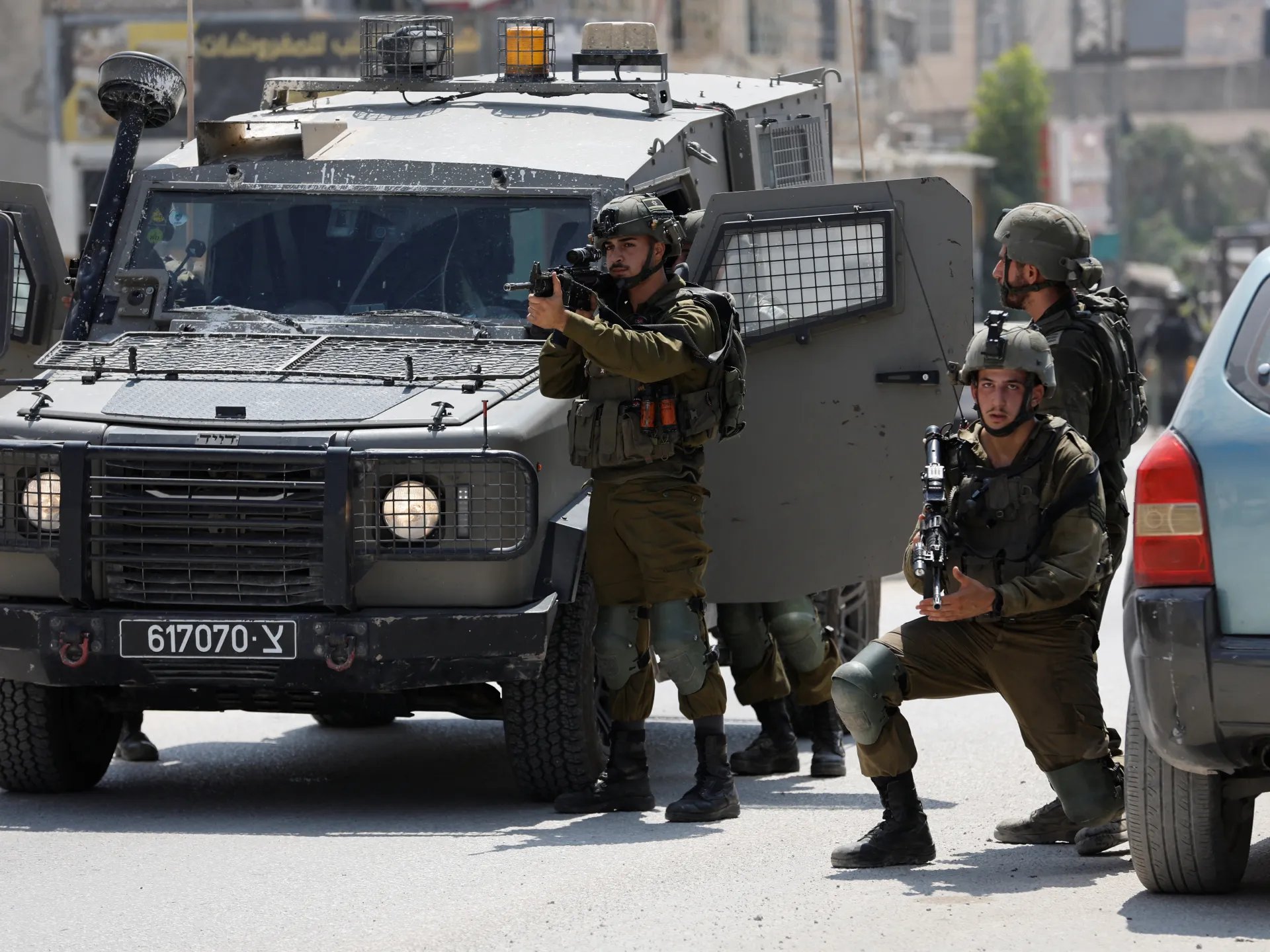
Russia and Ukraine are blaming each other for violating a 32-hour Orthodox Easter ceasefire. The Ukrainian military reported 2,299 violations by Russian forces as of Sunday morning. These alleged violations included 28 assaults, 479 shellings, 747 strikes by attack drones and 1,045 strikes by FPV drones, according to a Facebook post by the Ukrainian military’s general staff.
Russia's Defense Ministry countered, claiming 1,971 violations by Ukrainian forces. The ministry said Kyiv fired 258 times using artillery or tanks, conducted 1,329 FPV drone strikes, and dropped munitions 375 times. Russia claimed to have thwarted four Ukrainian attempts to advance along the front line.
Civilian Impact
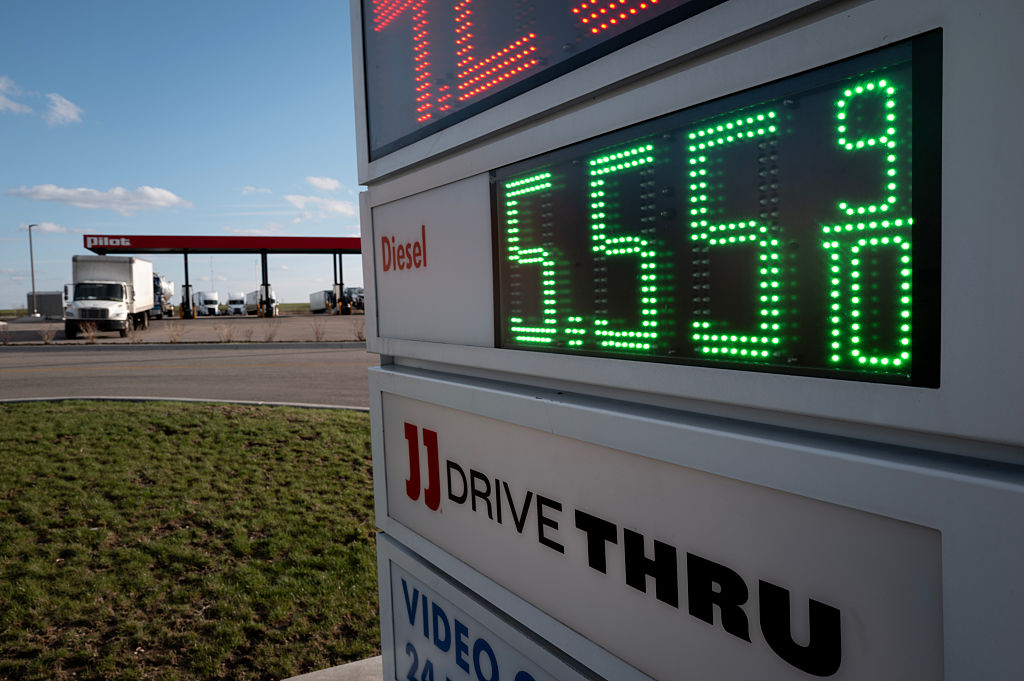
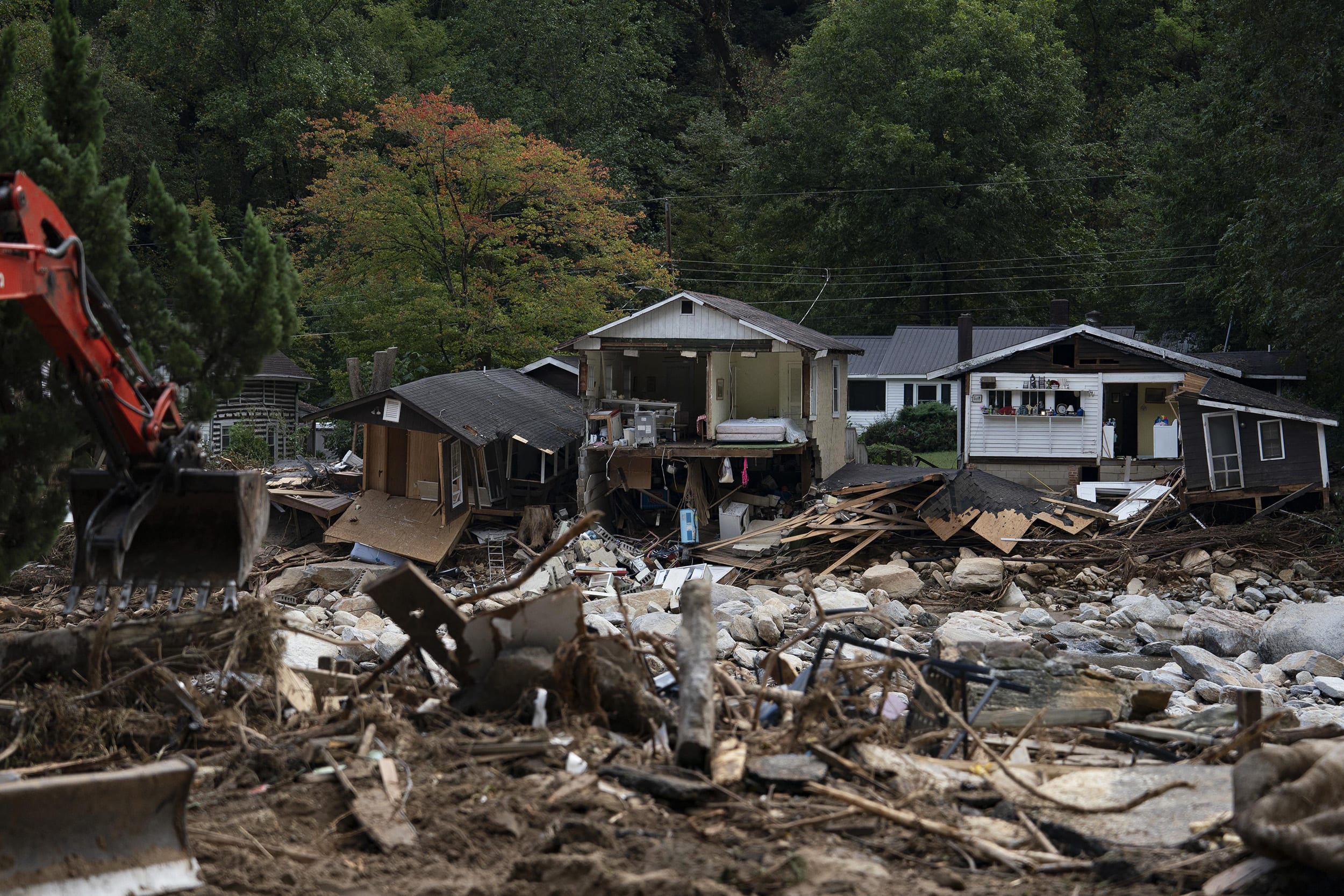
Governor Alexander Khinshtein of Russia's Kursk region stated that a Ukrainian drone attacked a petrol station in Lgov, injuring three people, including a baby. Vyacheslav Gladkov, head of Russia's Belgorod region, said that rescuers found the bodies of two civilians who died in a Ukrainian attack on Saturday afternoon. In Ukraine's Sumy region, a Russian drone hit an ambulance overnight, injuring three medics, according to local authorities.
Political Reactions
Ukrainian President Volodymyr Zelensky said his nation's forces would respond "symmetrically" to Russian attacks. Zelenskyy and his wife, Olena, visited children who have lost parents fighting in the war on Sunday. "They greeted us with smiles that are priceless," Zelenskyy wrote in an online post. "We must do everything so that the children of those who made the ultimate sacrifice for Ukraine never lose faith in the world."
Kremlin spokesman Dmitry Peskov said Russia would not extend the truce unless Kyiv accepts its terms. Peskov stated that Zelenskyy must "muster the courage" to accept Russia's demands for peace. Peskov added that Russian troops still needed to take control of 17 to 18 percent of Ukraine’s disputed Donetsk region.
Hope Amidst Conflict
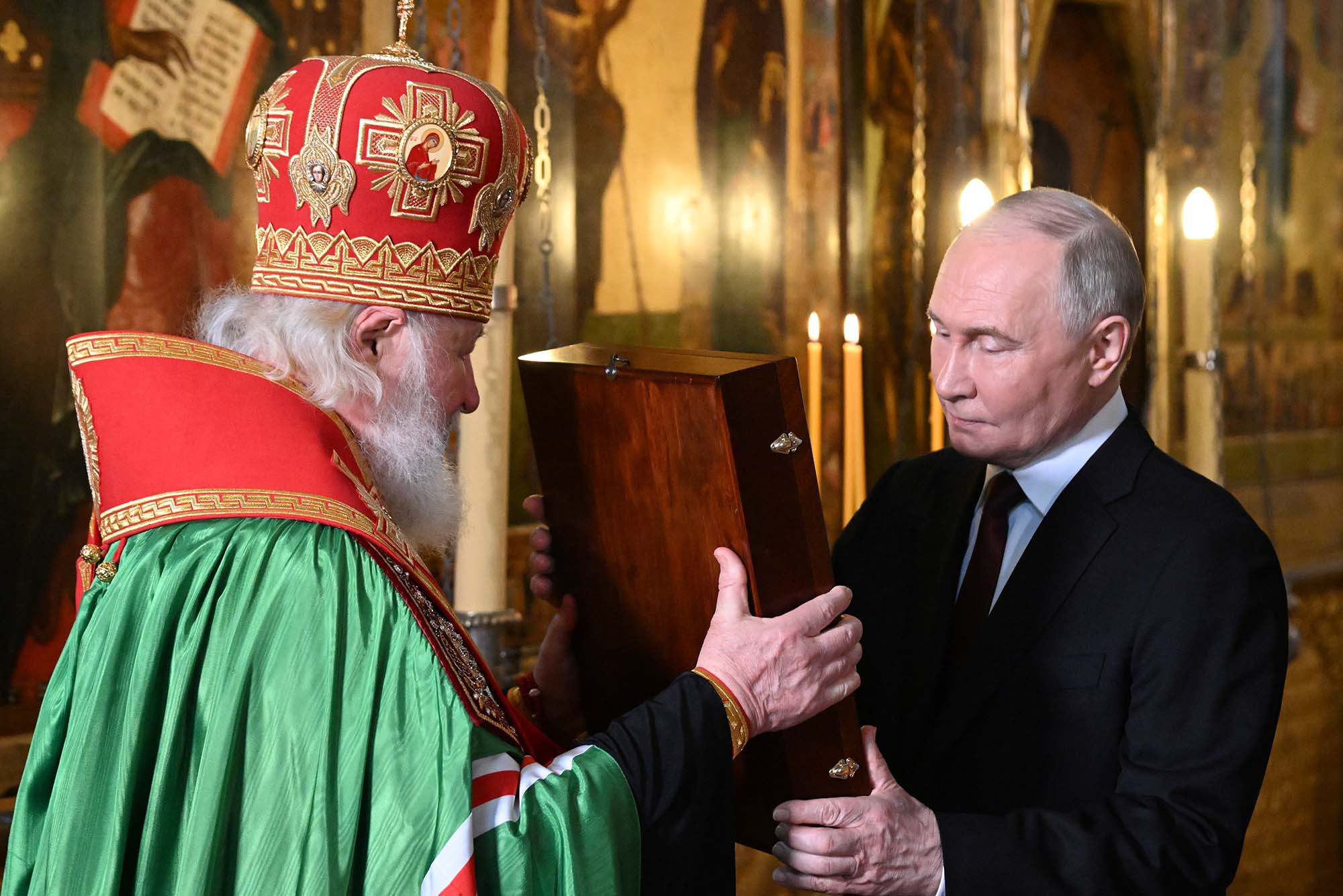
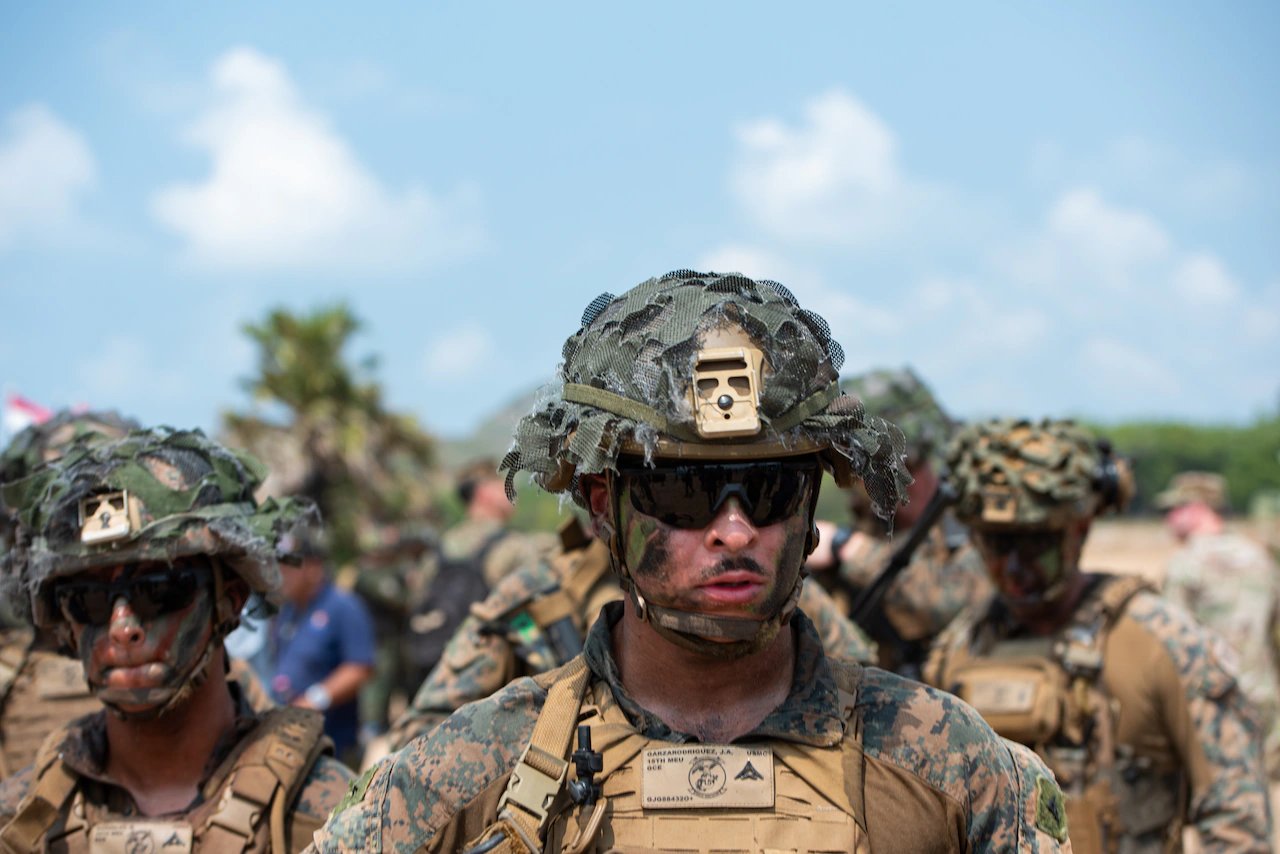
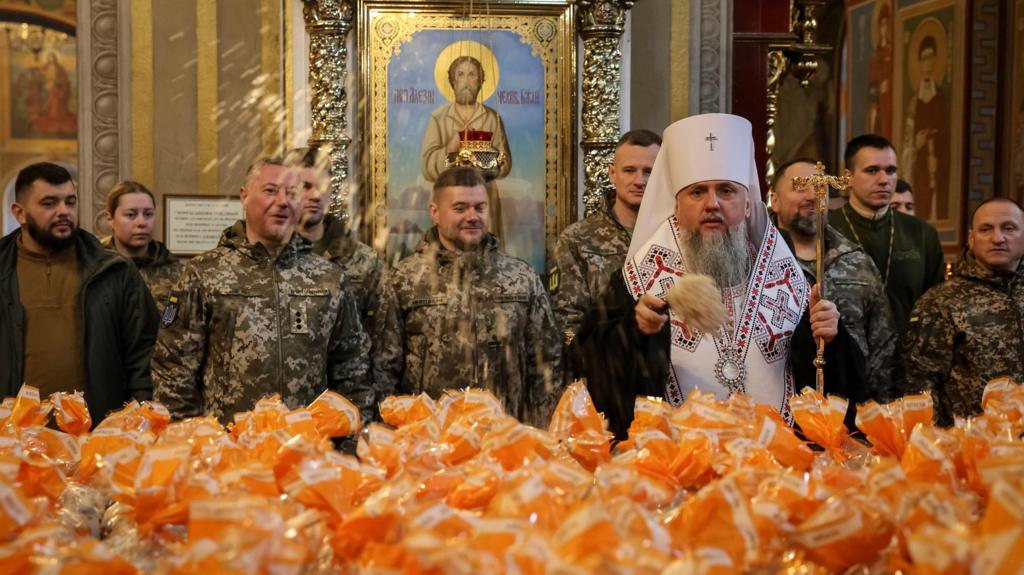
Despite the accusations, Lieutenant Colonel Vasyl Kobziak in the Kharkiv region described the situation in his sector as "rather calm." He told AFP that the lull allowed soldiers of the 33rd Mechanised Brigade to attend an Easter Sunday mass outside. Father Roman, a Ukrainian army chaplain, described Easter as a moment of faith shared by Ukrainians in their identity and future, defending their borders, identity, traditions, and heritage.
While Irena Bulhakova expressed doubts about peace prospects, she still reflected on the holiday's meaning. "Good triumphs over darkness, and we hope for that very much," she said.
With both sides trading accusations and setting conditions for peace, the prospect of a lasting ceasefire remains uncertain, leaving civilians vulnerable and dependent on the courage of chaplains and soldiers to celebrate a holiday meant to represent peace.