




The Deadly Crush at Haiti's Independence Landmark
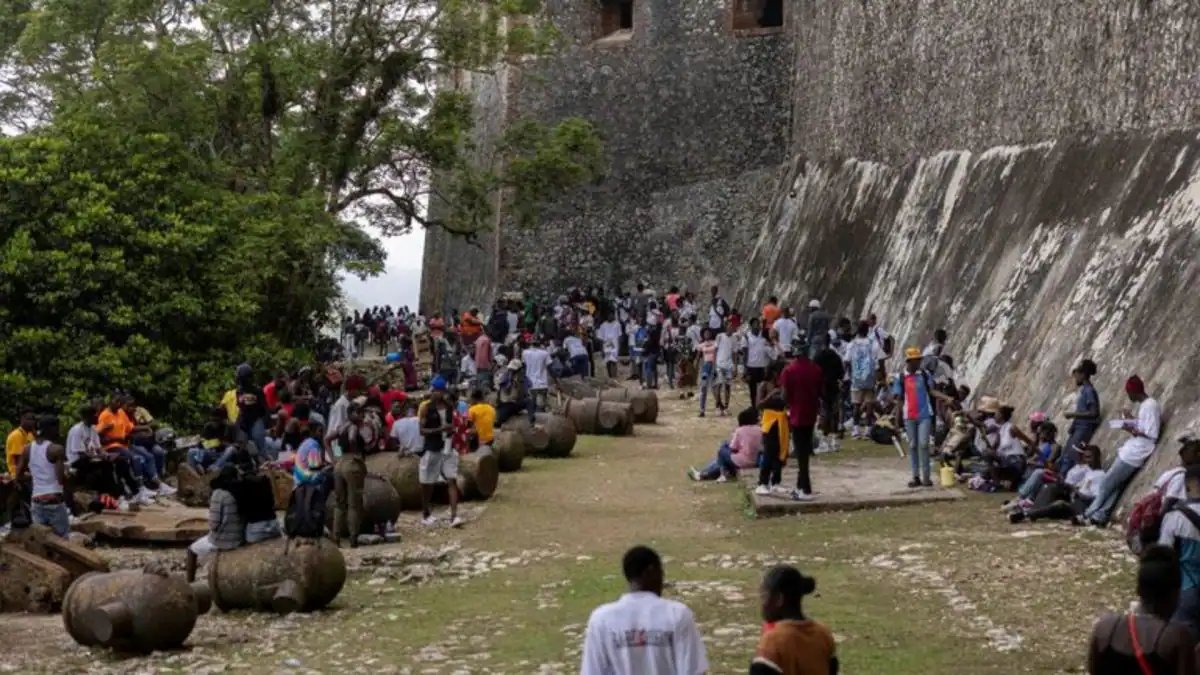
At least 30 people died Saturday when a stampede erupted at the Citadelle Laferrière, the 19th-century fortress that anchors Haiti's tourist economy and national identity. Jean Henri Petit, head of civil protection for Haiti's Nord department, confirmed the death toll and warned the number could still rise as rescue teams comb the UNESCO World Heritage site in Milot, northern Haiti. The annual Easter gathering, heavily promoted on social media to students and young visitors, drew an unusually dense crowd to the mountaintop stronghold built after Haiti's independence from France.
What Triggered the Stampede
Heavy rain sent hundreds rushing toward the citadel's narrow entrance, triggering a fatal crush among the predominantly young attendees, according to Prime Minister Alix Didier Fils-Aimé. The disaster began near the site's single choke-point gate, where slick stone steps and limited shelter turned panic into catastrophe. Local authorities had not disclosed crowd-control measures or maximum capacity limits before the event, despite previous years drawing comparable numbers of visitors.
Government Response and Investigation
Fils-Aimé said an investigation has been launched and "all relevant authorities" mobilized to support victims' families, though the government's statement omitted any casualty figures. The prime minister's office issued condolences but provided no details on emergency medical response times or whether additional security or medical personnel had been assigned to the popular Easter weekend event. Haiti's Le Nouvelliste newspaper first reported the death toll, citing Petit, after official channels remained silent for hours.
Symbol of Independence Becomes Scene of Tragedy
Citadelle Laferrière, commissioned by revolutionary leader Henri Christophe and completed after more than a decade of construction, towers over the northern plains as a symbol of Haitian sovereignty and resilience. The fortress, designed to defend the newly independent nation against French reprisals, now draws thousands of tourists annually, generating critical revenue for Milot and the wider Nord department. Saturday's deaths mark the deadliest civil disaster at the site since it opened to visitors and the worst in Haiti since the 2021 earthquake.
Context of Ongoing Crisis
The stampede occurs while Haiti confronts widespread gang violence that has killed thousands and displaced entire neighborhoods in Port-au-Prince, though Milot has largely escaped the worst unrest. Tourism operators had hoped the Easter weekend would signal a cautious rebound for the sector, which employs thousands of guides, drivers, and vendors across the north. The government has not announced whether the Citadelle will close for investigation or how long forensic teams will need to document the scene.
What Happens Next
Families began identifying victims Sunday morning as Petit warned the death toll could still climb. UNESCO, which lists the fortress as a World Heritage site, has not commented on potential safety reviews or crowd-management requirements. The tourism ministry faces pressure to publish visitor capacity limits and emergency protocols before any future events at the site that Haitians call Citadelle Henry.