




Election Day Arrives Amid High Stakes
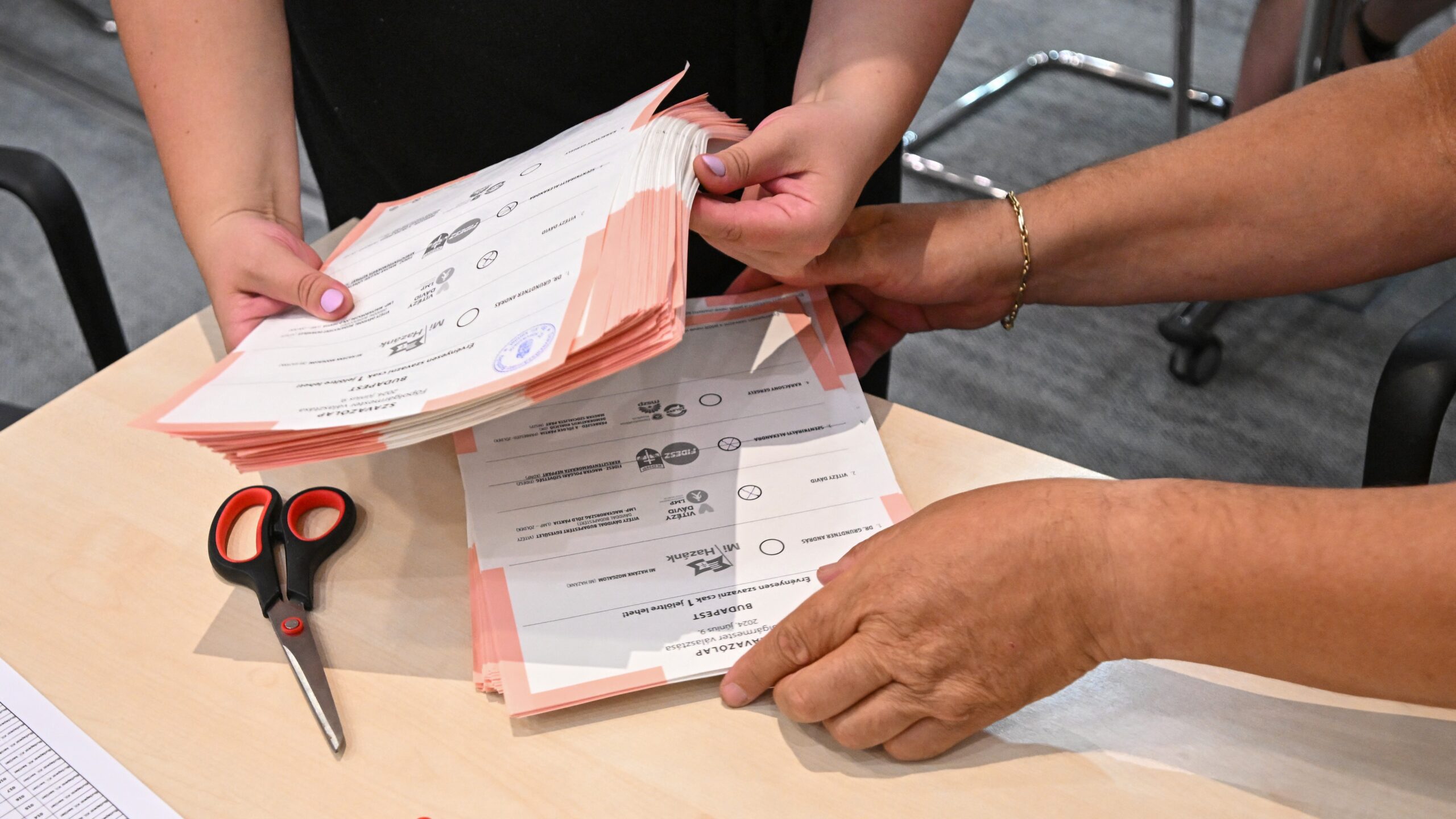
Hungarians have headed to the polls on April 12 to participate in a crucial parliamentary election that may determine the future of Prime Minister Viktor Orban, who has held power for 16 years. Approximately 8 million eligible voters are casting their ballots in a contest that could shift the nation's political landscape and reshape its relationships with the European Union and Russia. Polls opened at 6 a.m. local time and will close at 7 p.m., with results expected to draw significant attention from both regional and international observers.
Orban Faces Strong Challenge
Viktor Orban, the leader of the Fidesz party, is facing his most formidable opponent to date: Peter Magyar, a former ally turned challenger who leads the Tisza party. Recent independent polls suggest that Magyar's party is ahead, with some forecasts indicating a possible two-thirds majority. Magyar has campaigned on a platform that promises to tackle corruption and restore Hungary's ties with the EU, contrasting sharply with Orban's nationalist agenda that has frequently aligned with Russian interests.
The Stakes for the EU and Beyond
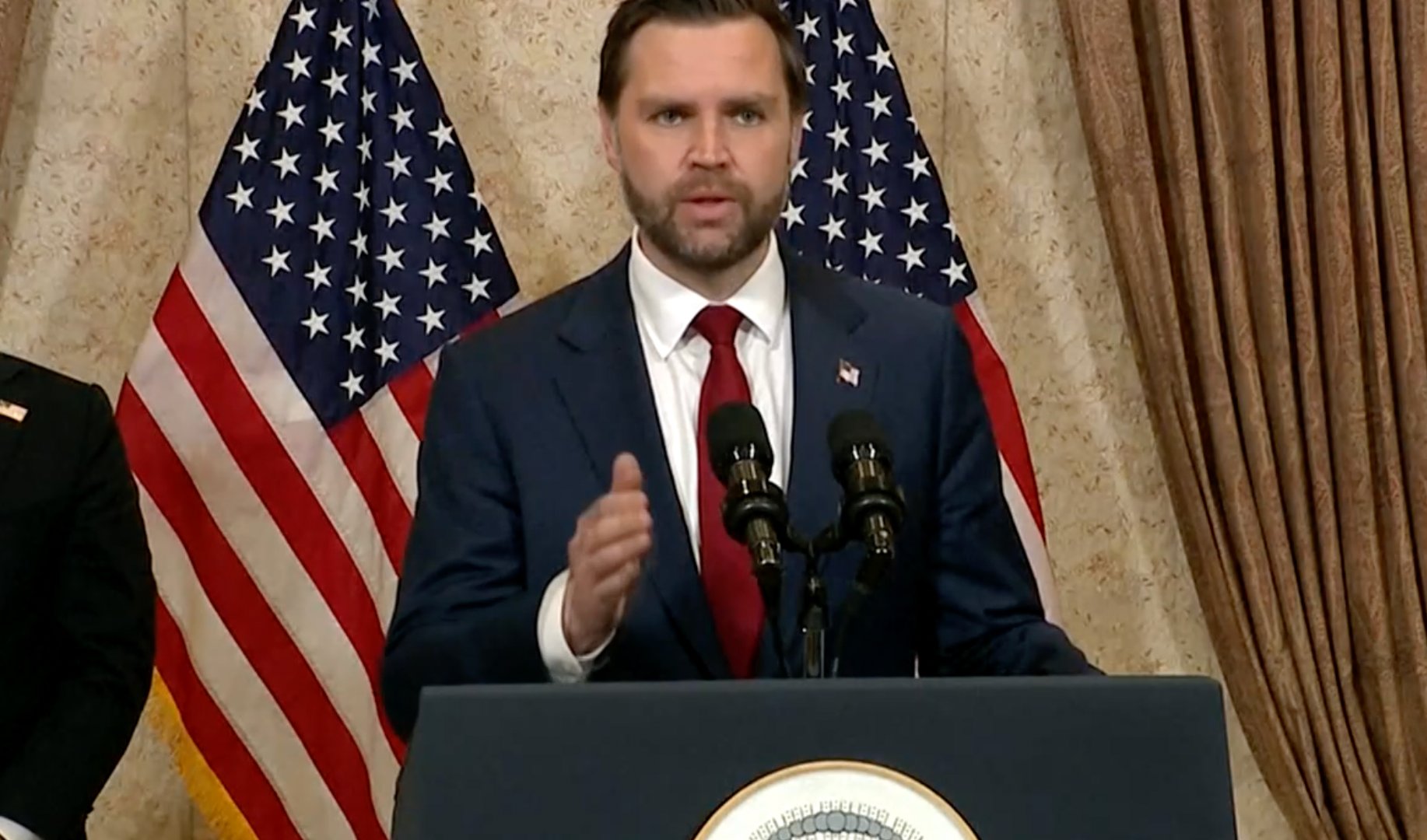
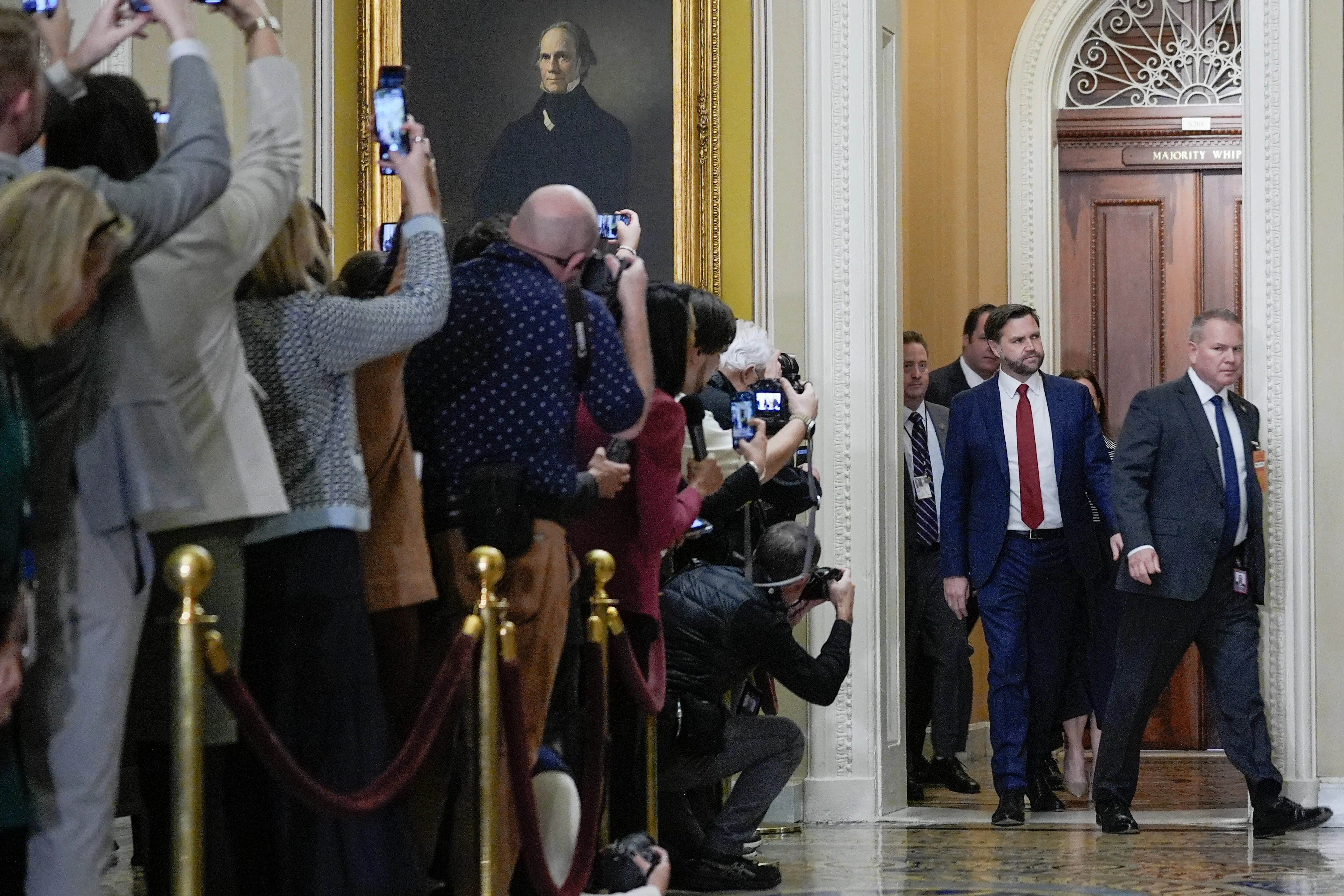
The election carries significant implications not only for Hungary but also for the broader European political landscape. Orban's potential defeat could undermine the influence of both Russian President Vladimir Putin and former U.S. President Donald Trump, who have viewed Orban as a key ally in Europe. Trump's endorsement of Orban's re-election campaign, coupled with a visit from Vice-President JD Vance, underscores the geopolitical stakes involved in the election.
Magyar's Vision for Hungary
Peter Magyar has positioned himself as a reformist candidate, advocating for a "European, functional, humane, free and independent Hungary." His emergence as a political leader followed his break from Fidesz, where he accused the party of corruption. The 45-year-old politician gained traction after his party secured around 30% of the vote in the June 2024 European Parliament elections, signaling a shift in public sentiment against Orban's long-standing rule.
Orban's Campaign Strategy
In response to the mounting challenge, Orban has intensified his campaign rhetoric, focusing on anti-Ukrainian sentiment and warning voters against potential instability should the opposition prevail. He has highlighted his administration's efforts to maintain national sovereignty and has criticized Western support for Ukraine. His supporters, including Slovak Prime Minister Robert Fico, have praised him as a defender of national interests during turbulent times.
Voter Sentiment and Potential Outcomes
Public sentiment appears to favor change, with many voters expressing a desire to see the end of Orban's government. However, analysts caution that polling may not fully capture the electorate's diversity, particularly in rural areas where Fidesz has traditionally maintained strong support. As the voting process unfolds, the electorate's response may reveal a deeper narrative about Hungary's future direction.
A Crucial Moment for Democracy
As Hungary navigates this pivotal election, the outcome will not only impact domestic policies but also influence the country's role in European affairs. With a potential shift away from Orban's authoritarian leanings, many Hungarians are looking for a renewed commitment to democratic principles and closer ties with the EU. The implications of this election resonate far beyond Hungary, as the world watches to see how this electoral battle will shape the region's political landscape.