





U.S. Escalates Response to Failed Diplomacy
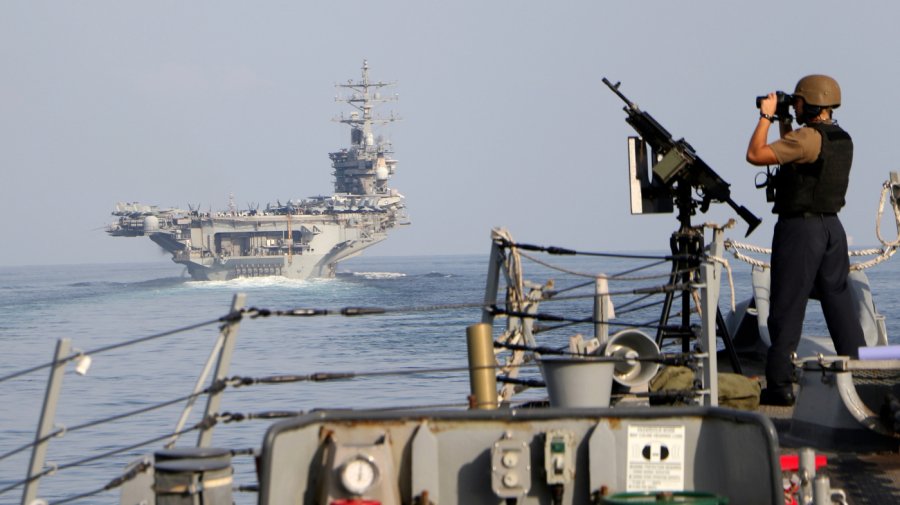
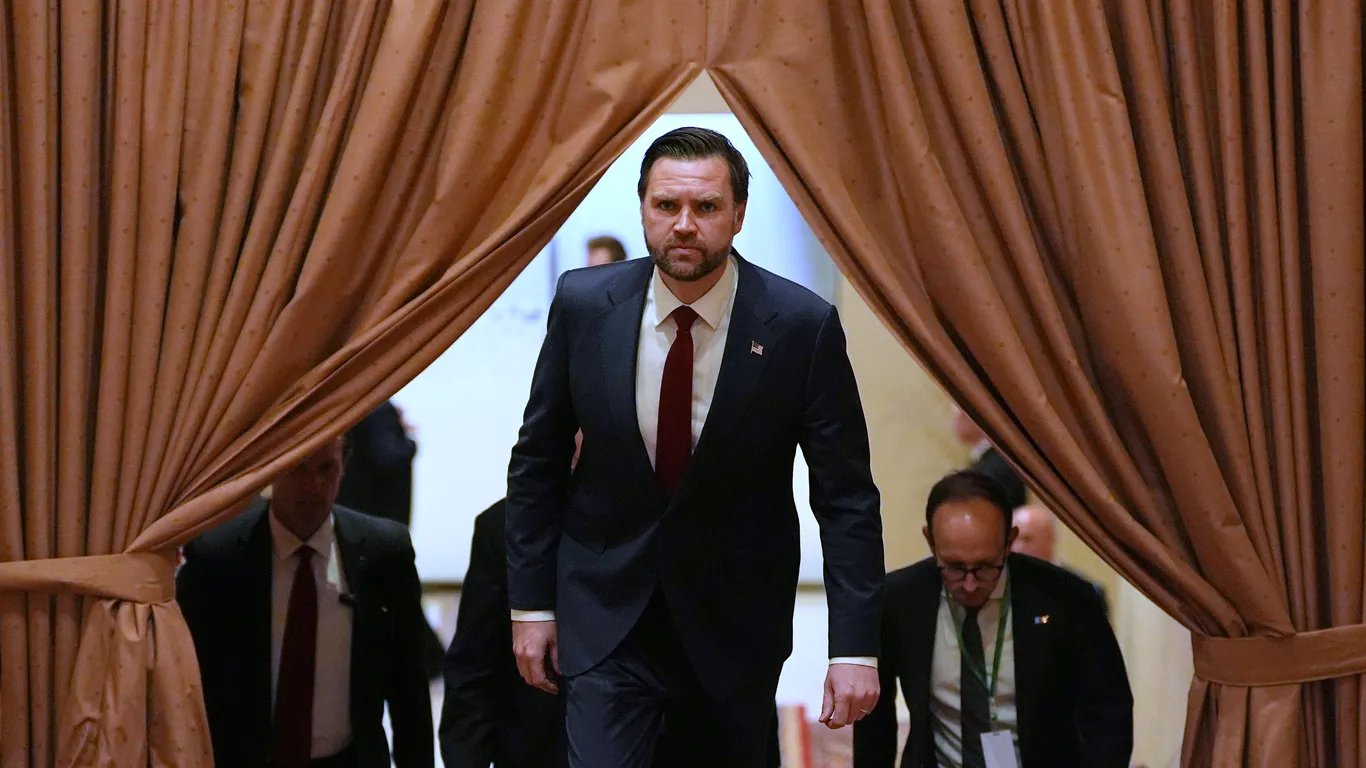
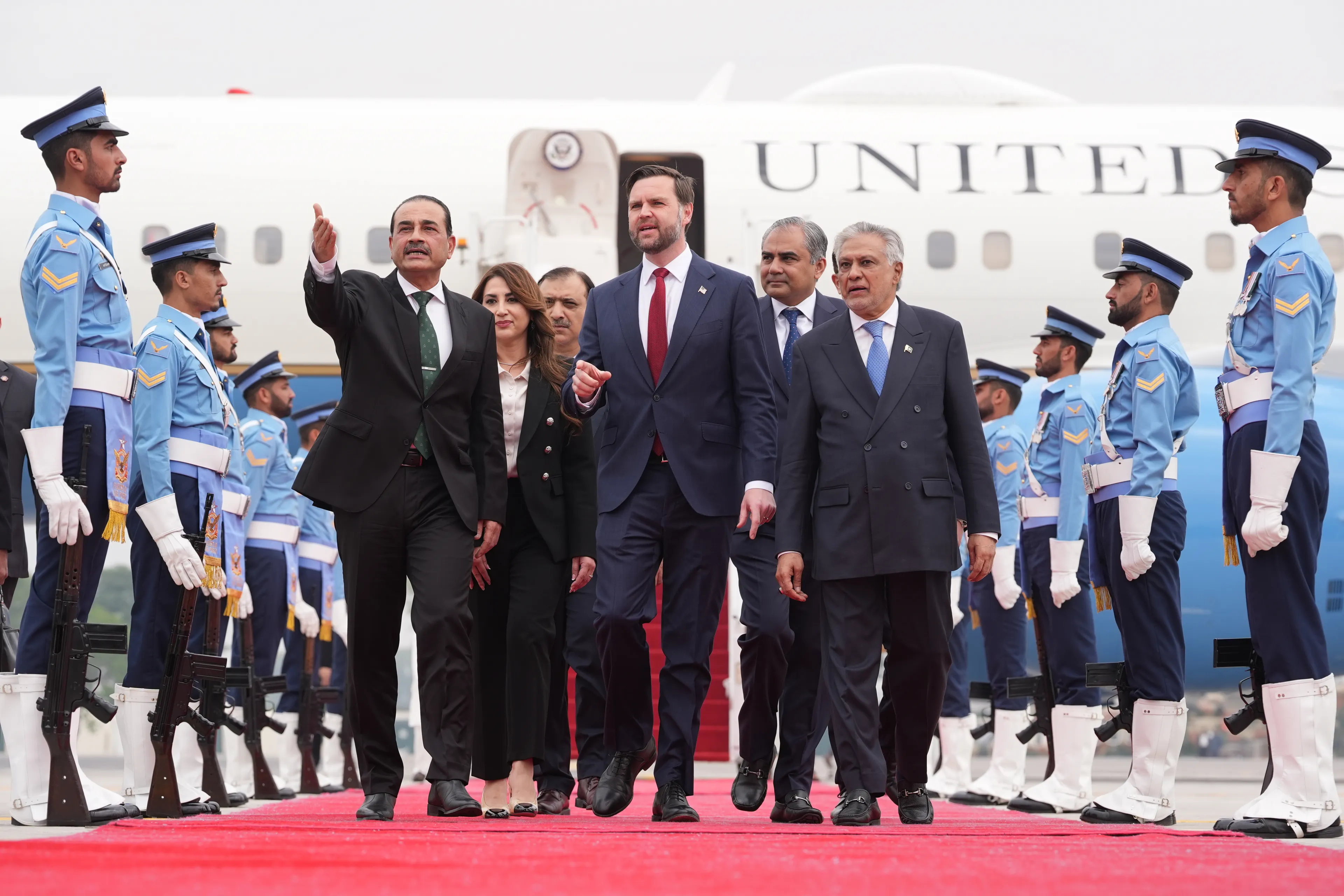
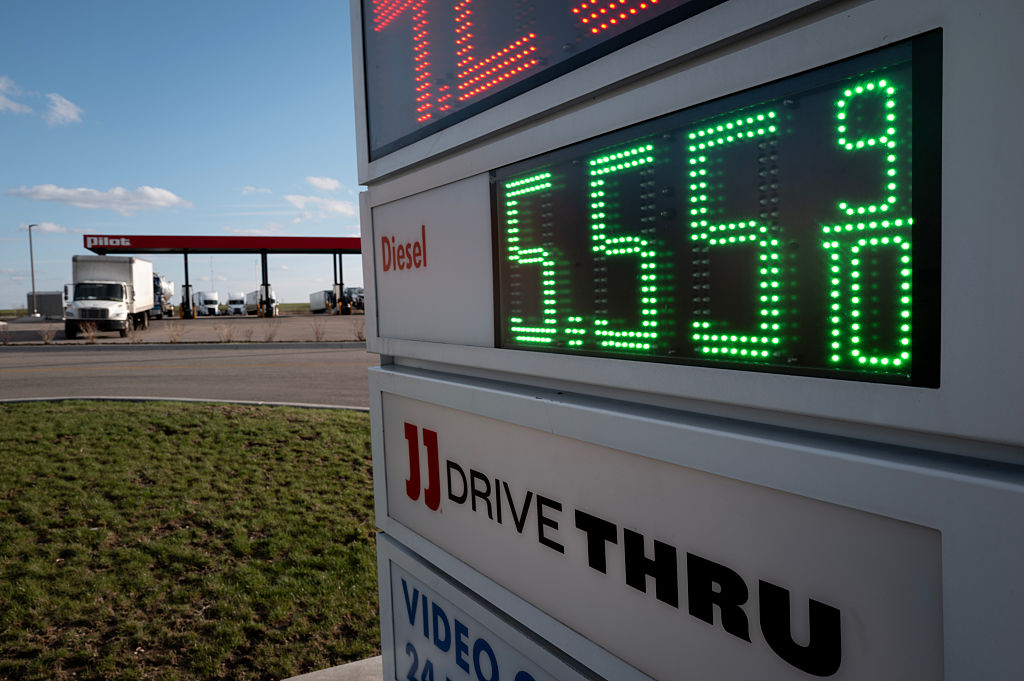
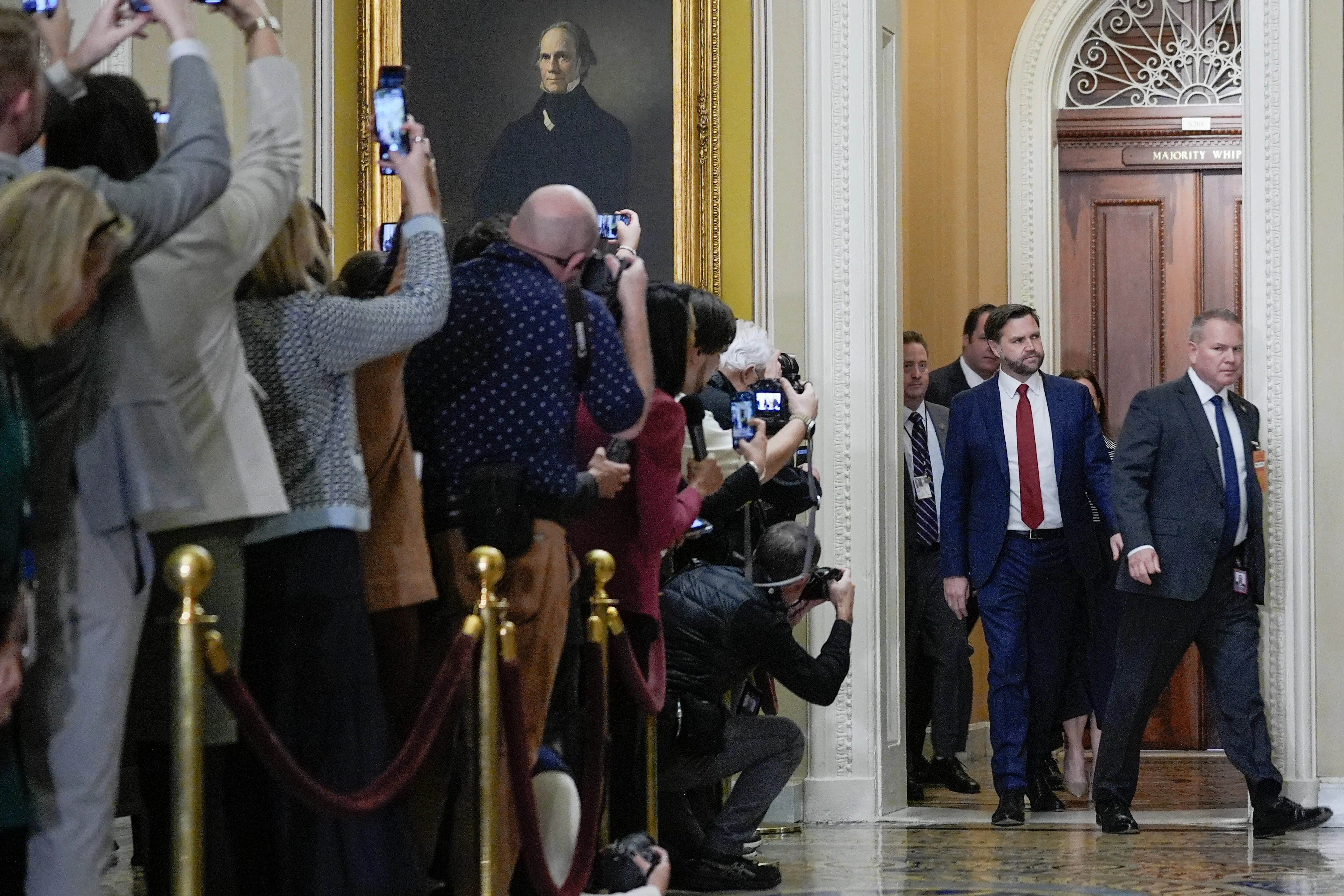
President Donald Trump announced a naval blockade of the Strait of Hormuz on Sunday, citing Iran's refusal to end its nuclear program during 21 hours of negotiations in Islamabad. Vice President JD Vance, leading the U.S. delegation, told reporters that the talks ended without an agreement because Iran would not commit to abandoning nuclear weapons or the tools to build them. This move affects millions of people worldwide by potentially disrupting oil shipments through the strait, which carries about 20% of global oil supply, leading to higher fuel prices and economic strain.
Details of Trump's Blockade Plan
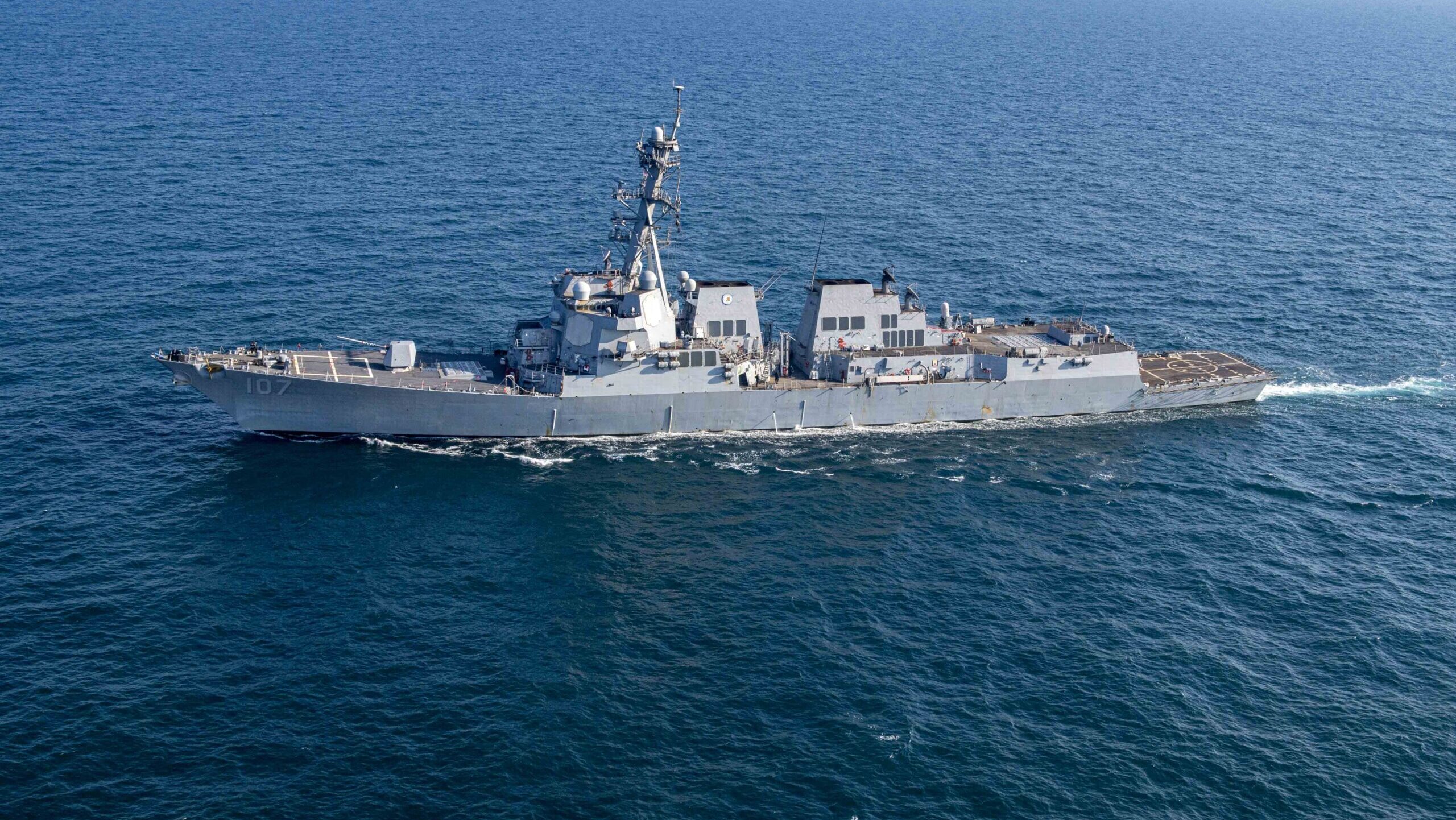
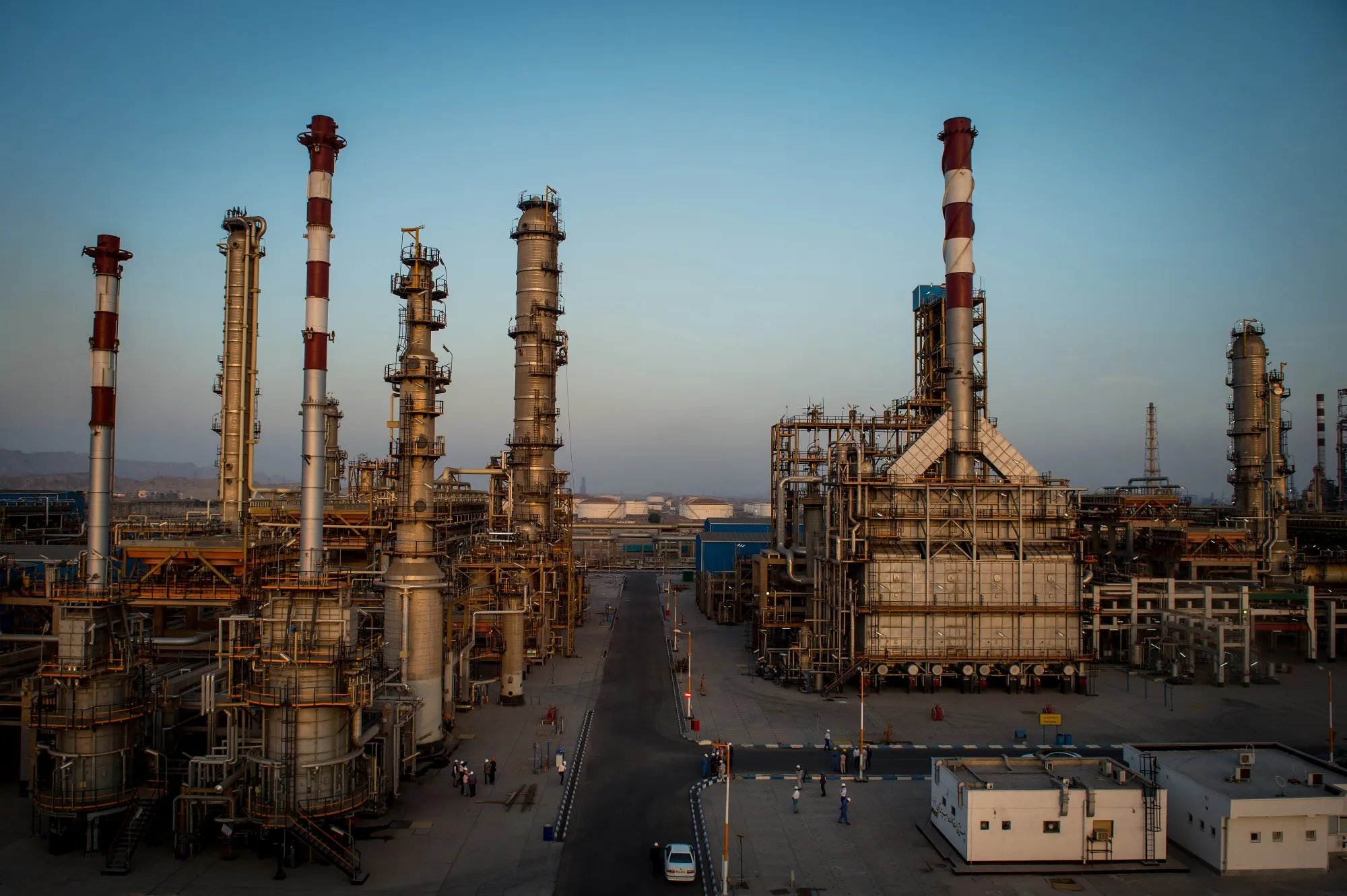
Trump specified in a Truth Social post that the U.S. Navy will immediately blockade ships entering or leaving the Strait of Hormuz and intercept vessels that paid tolls to Iran. He instructed the Navy to destroy mines laid by Iran in the waterway and warned that any Iranian firing at U.S. forces or peaceful vessels would face retaliation. Iranian Foreign Ministry spokesperson Esmaeil Baqaei countered that Iran's nuclear program is for civilian purposes, emphasizing the right to enrich uranium, which directly challenges Trump's demands and could heighten risks for international shipping routes.
Key Demands in Islamabad Talks
The U.S. team, including special envoy Steve Witkoff and Jared Kushner, sought an end to Iran's nuclear ambitions as the primary condition for peace. Iran's delegation, led by Parliamentary Speaker Mohammad Bagher Qalibaf, proposed initiatives including control over the Strait of Hormuz and release of $6 billion in frozen assets. According to Iranian state media, U.S. demands were deemed "unreasonable," while Vance noted that Iran rejected the U.S. final offer, underscoring the mutual distrust that stalled progress and left a two-week ceasefire in limbo.
Human Toll and Regional Fallout
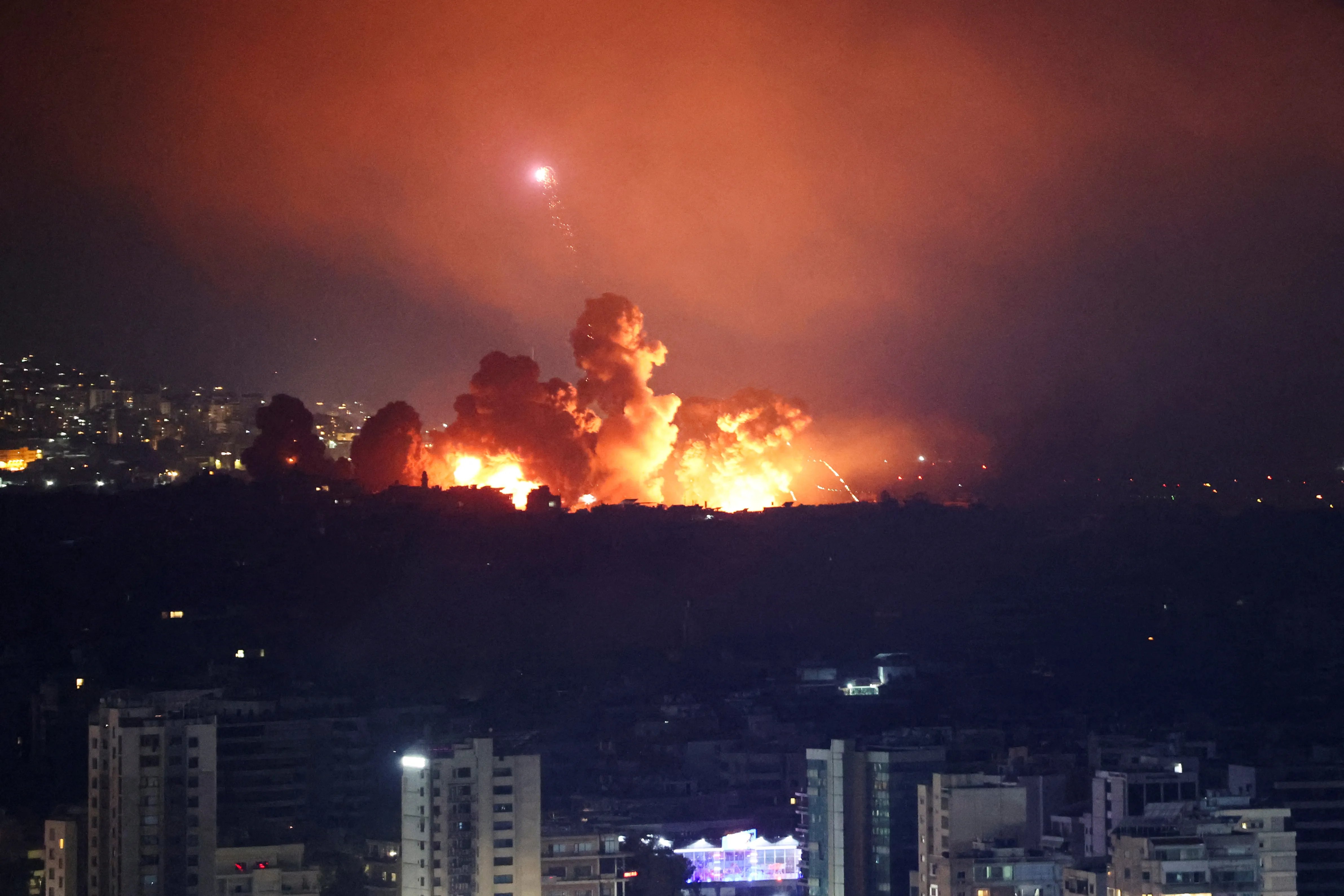
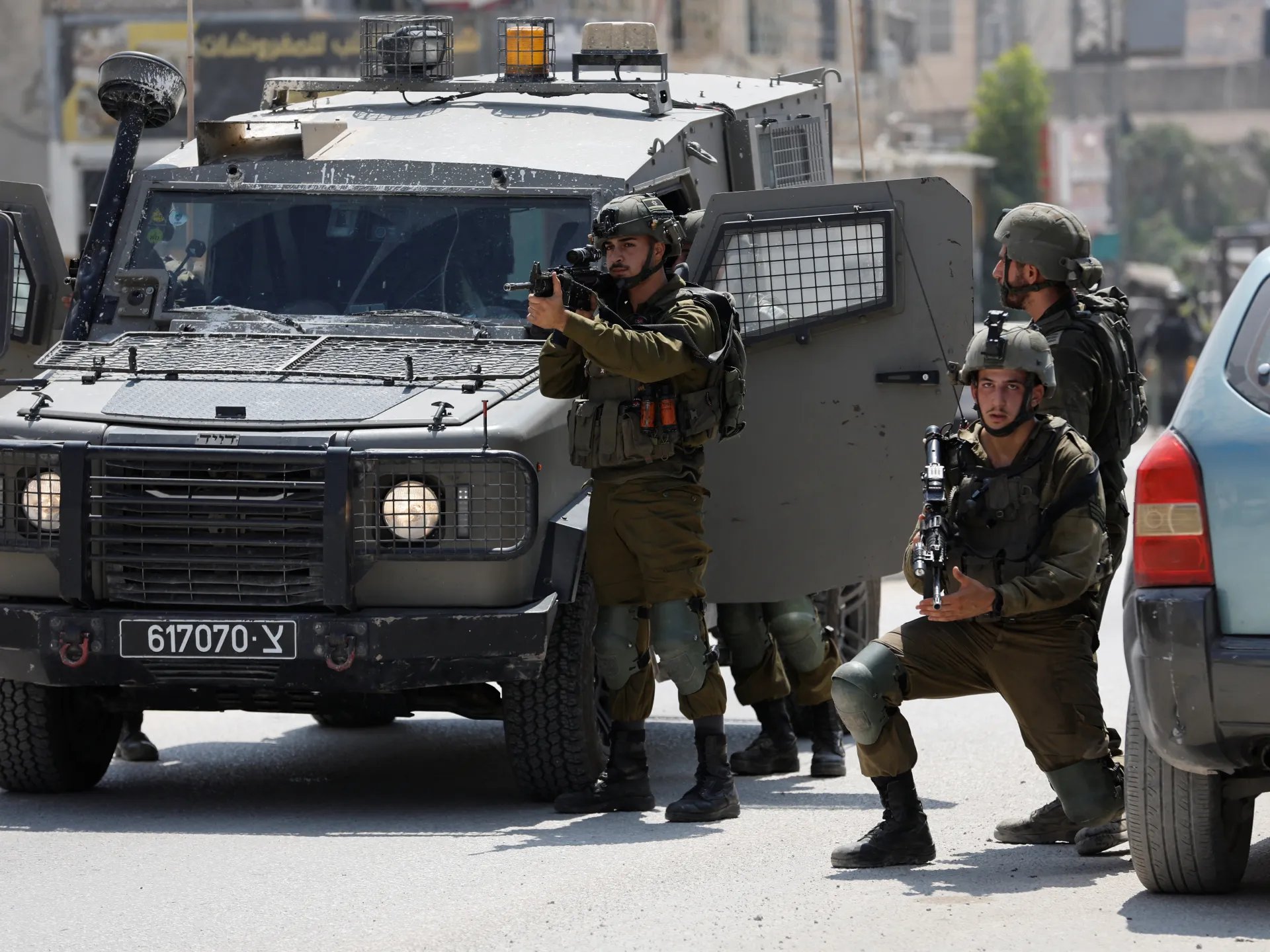
Lebanon's Health Ministry reported 2,055 deaths from Israeli strikes since March 2, including 165 children and 87 medical workers, amid ongoing conflicts linked to the broader tensions. Israeli Prime Minister Benjamin Netanyahu claimed strikes on more than 200 Hezbollah targets over the weekend, refusing to halt operations in Lebanon despite the ceasefire. Russian President Vladimir Putin offered to mediate, telling Iranian President Masoud Pezeshkian that he is ready to facilitate talks, which could provide an alternative path for de-escalation and reduce the risk of further civilian casualties.
Economic and Military Implications
At least 22 ships have been attacked in the strait since February, killing 10 crew members and stranding 800 vessels, according to UAE Minister Sultan Al Jaber. The blockade involves NATO countries sending minesweepers, as Trump mentioned in a Fox News interview, potentially drawing more nations into the conflict and affecting global energy security. Saudi Arabia restored its East-West pipeline to full capacity at 7 million barrels per day, bypassing the strait, which highlights how nations are adapting to the disruptions and their impact on oil prices and supply chains.

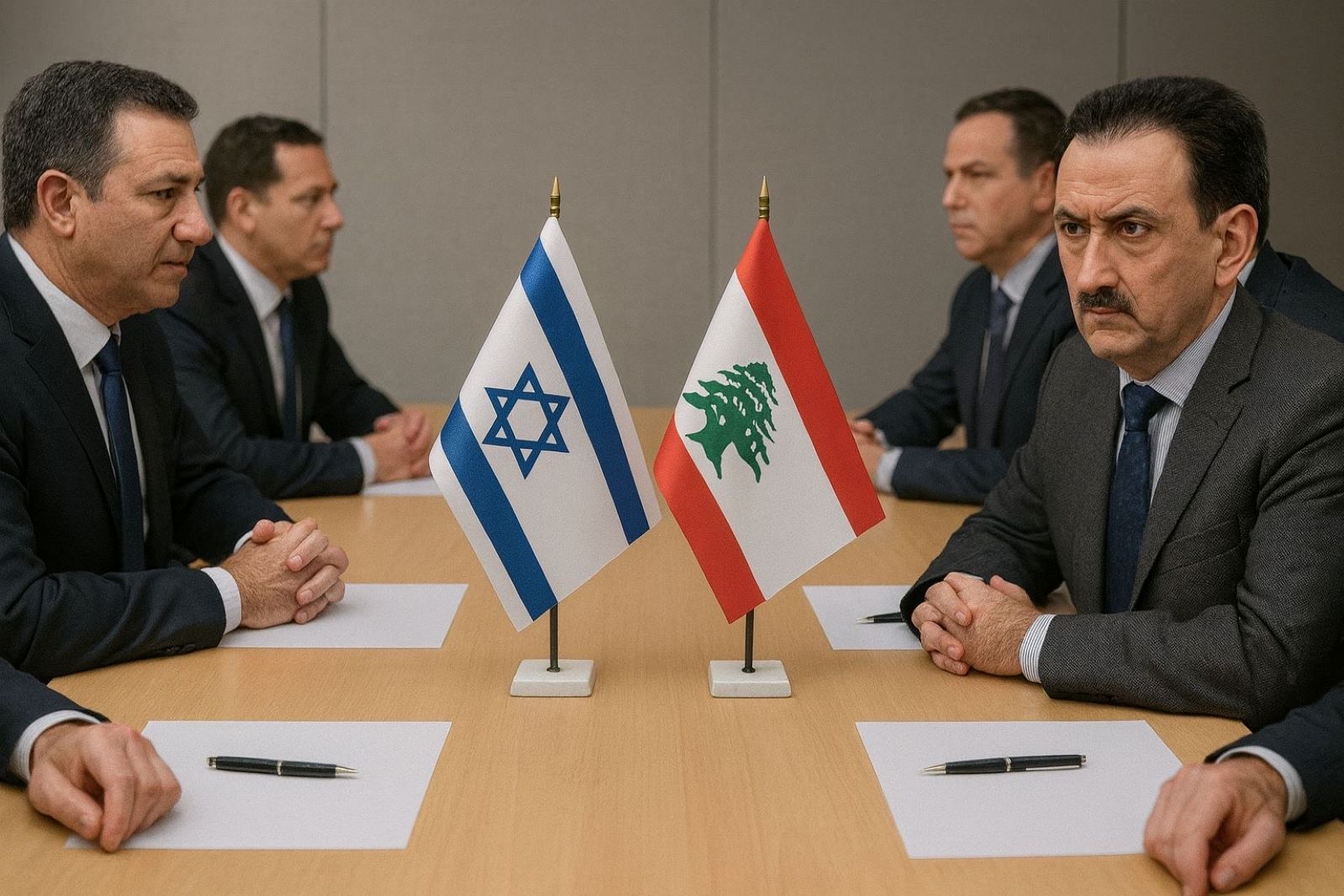














The sources also report that Iran's proposal included a halt to Israeli strikes on the Iranian-backed Hezbollah in Lebanon.