





The statement that shifted Gulf diplomacy
Sultan Al Jaber, CEO of the Abu Dhabi National Oil Company and UAE minister of industry, declared Sunday that “the Strait of Hormuz has never been Iran’s to close or restrict,” adding that Iran’s interference has stranded 400 tankers and left 20,000 seafarers stuck. His words, carried on UAE state media, mark the first time a sitting Gulf oil CEO has publicly rejected Iran’s claim to control the 21-mile waterway through which 20 percent of the world’s seaborne oil normally flows. Al Jaber spoke hours after President Trump ordered the U.S. Navy to begin blockading Iranian ports at 10 a.m. ET Monday and to seize any ship that has paid passage fees to Tehran.
What the blockade will look like on Monday
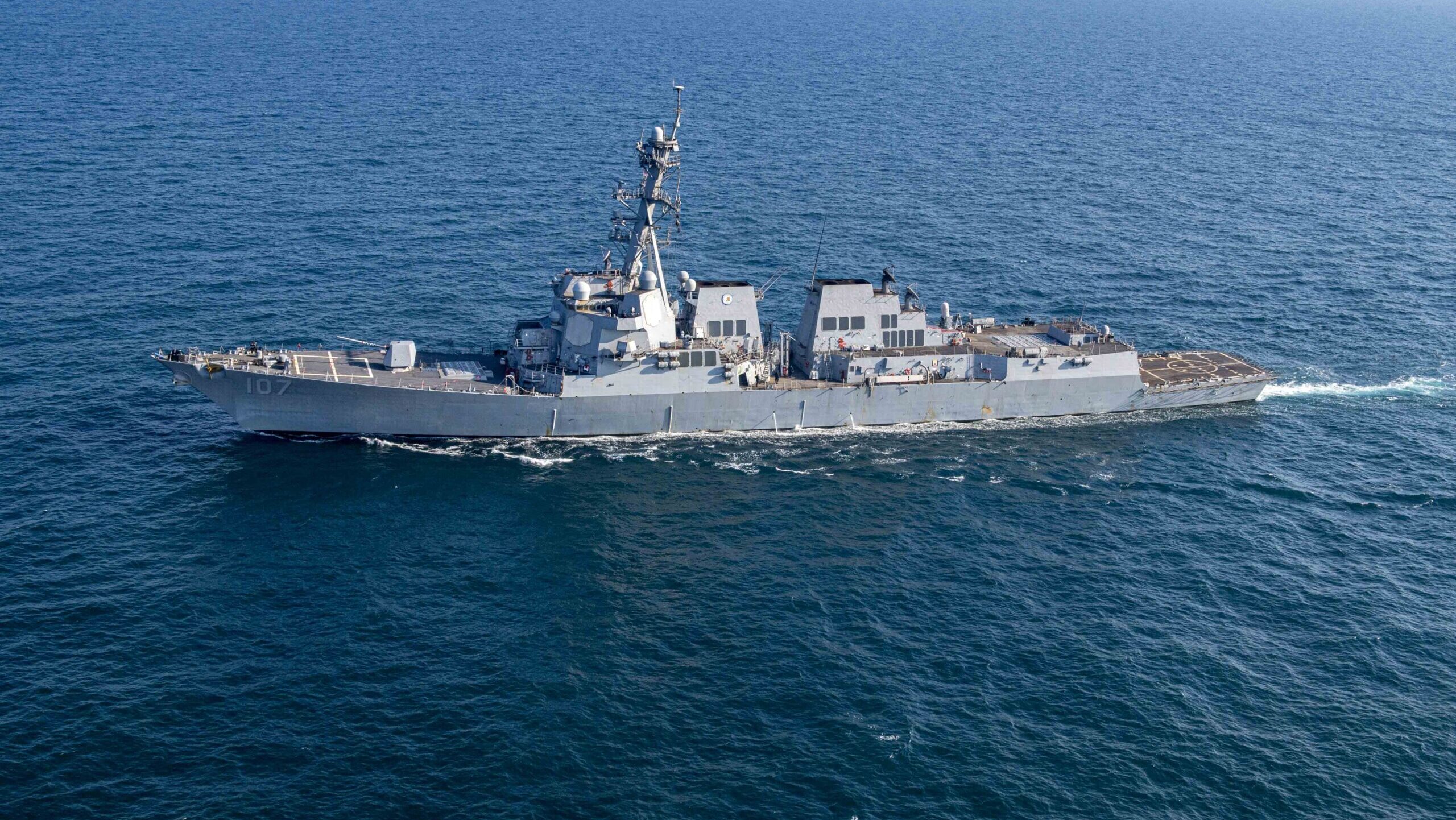
U.S. Central Command said the blockade will target “all maritime traffic entering and exiting Iranian ports and coastal areas,” including every Iranian harbor on the Arabian Gulf and Gulf of Oman, but will not stop vessels bound for non-Iranian ports. Guided-missile destroyer USS Frank E. Petersen Jr. and mine-countermeasures units have already swept parts of the strait, destroying mines laid by Iran’s Revolutionary Guard, according to CENTCOM. Acting Attorney General Todd Blanche vowed the Justice Department will “vigorously prosecute anyone who buys or sells sanctioned Iranian oil,” a warning that applies to the at least two ships Lloyd’s List Intelligence says have already paid Iran in Chinese yuan for safe-passage codes.
Why talks collapsed after 21 hours
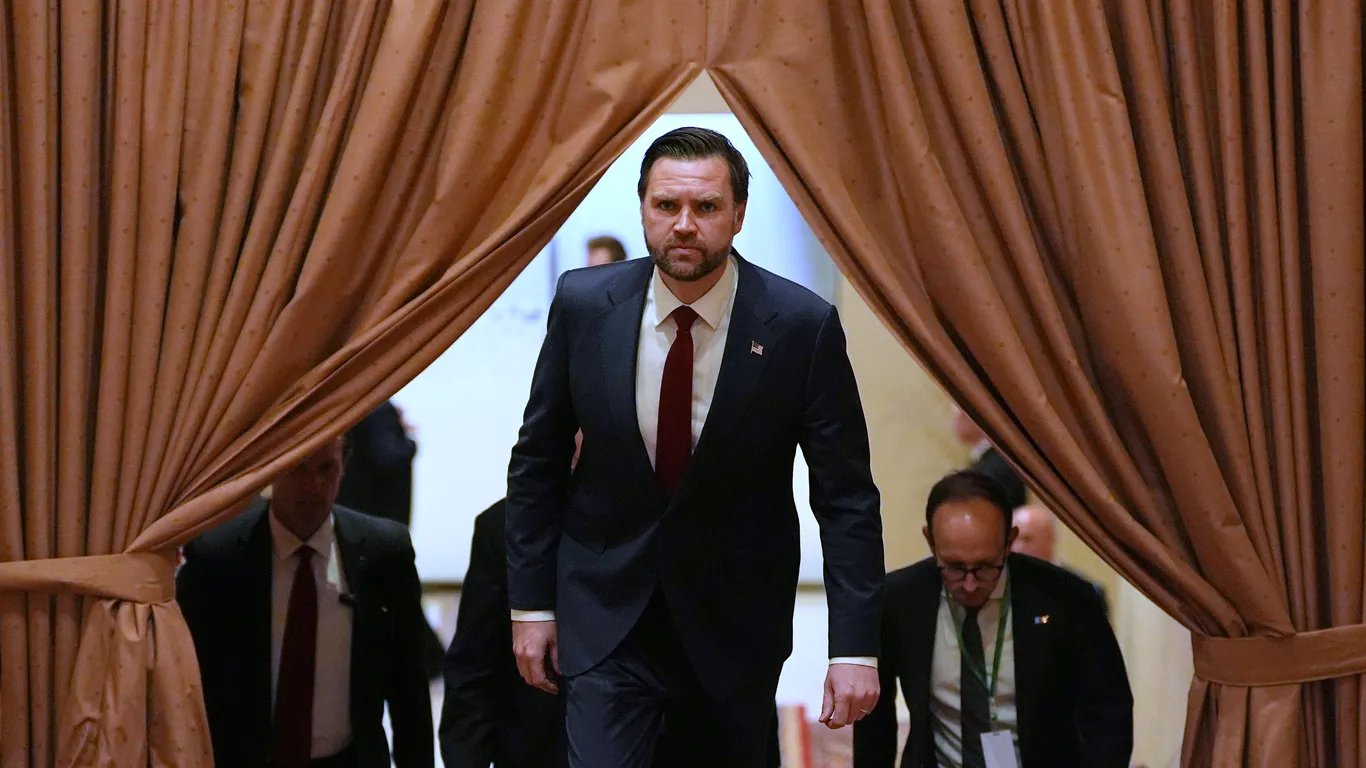
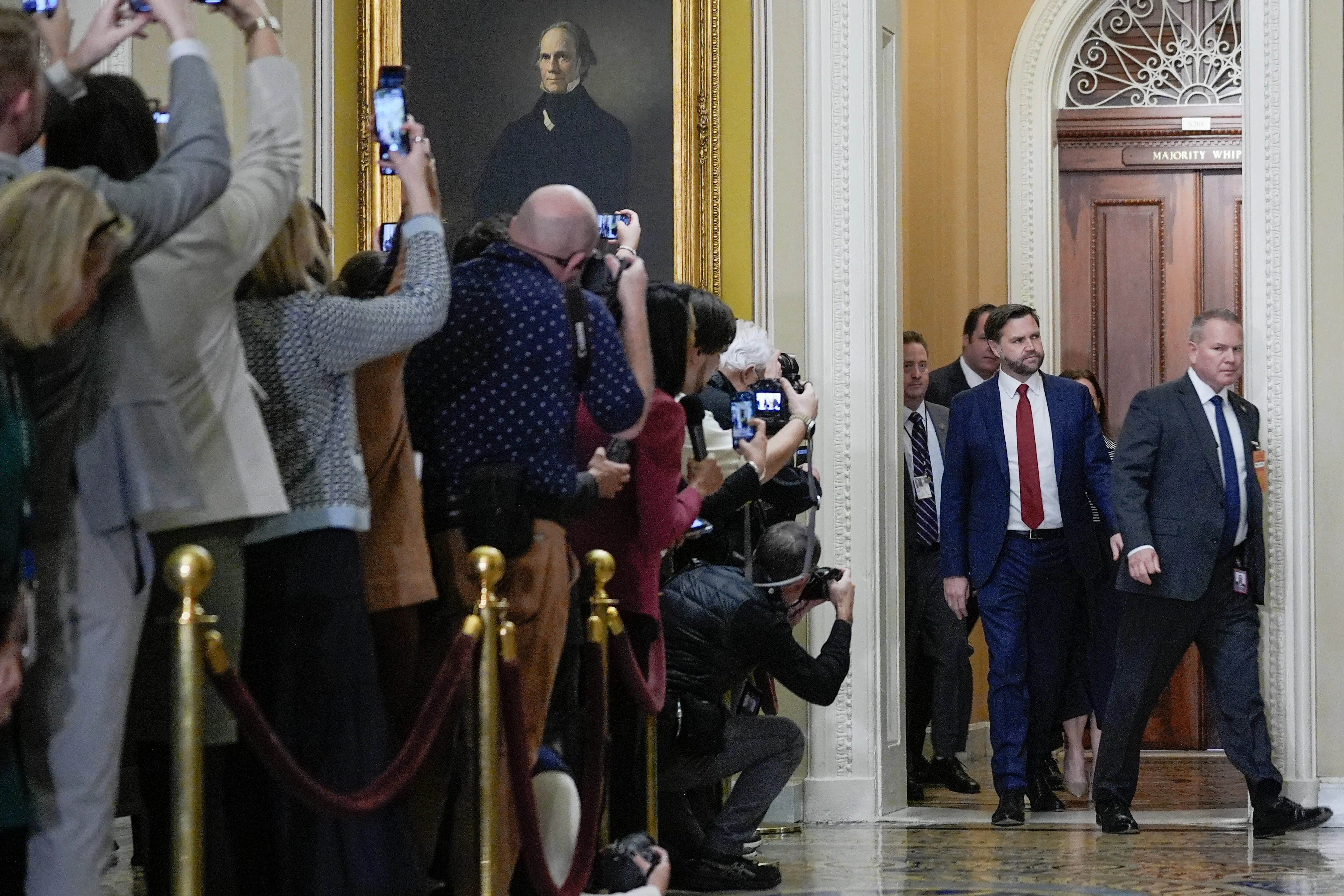
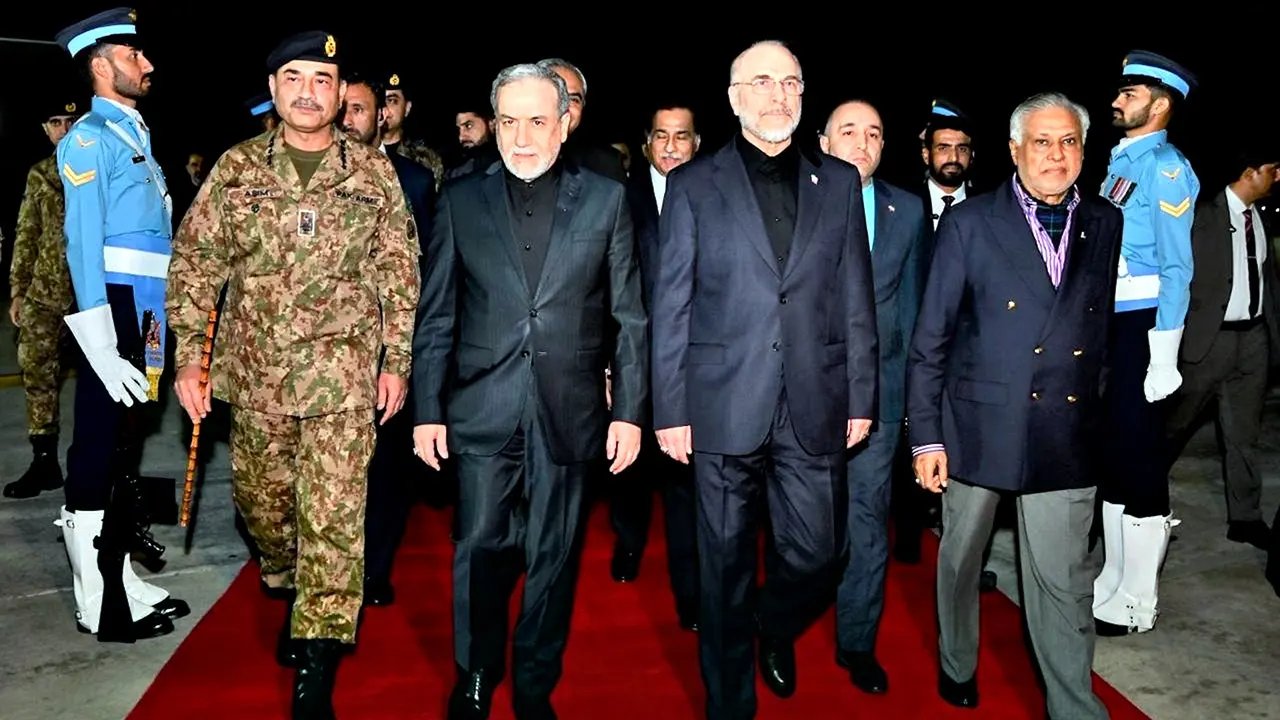
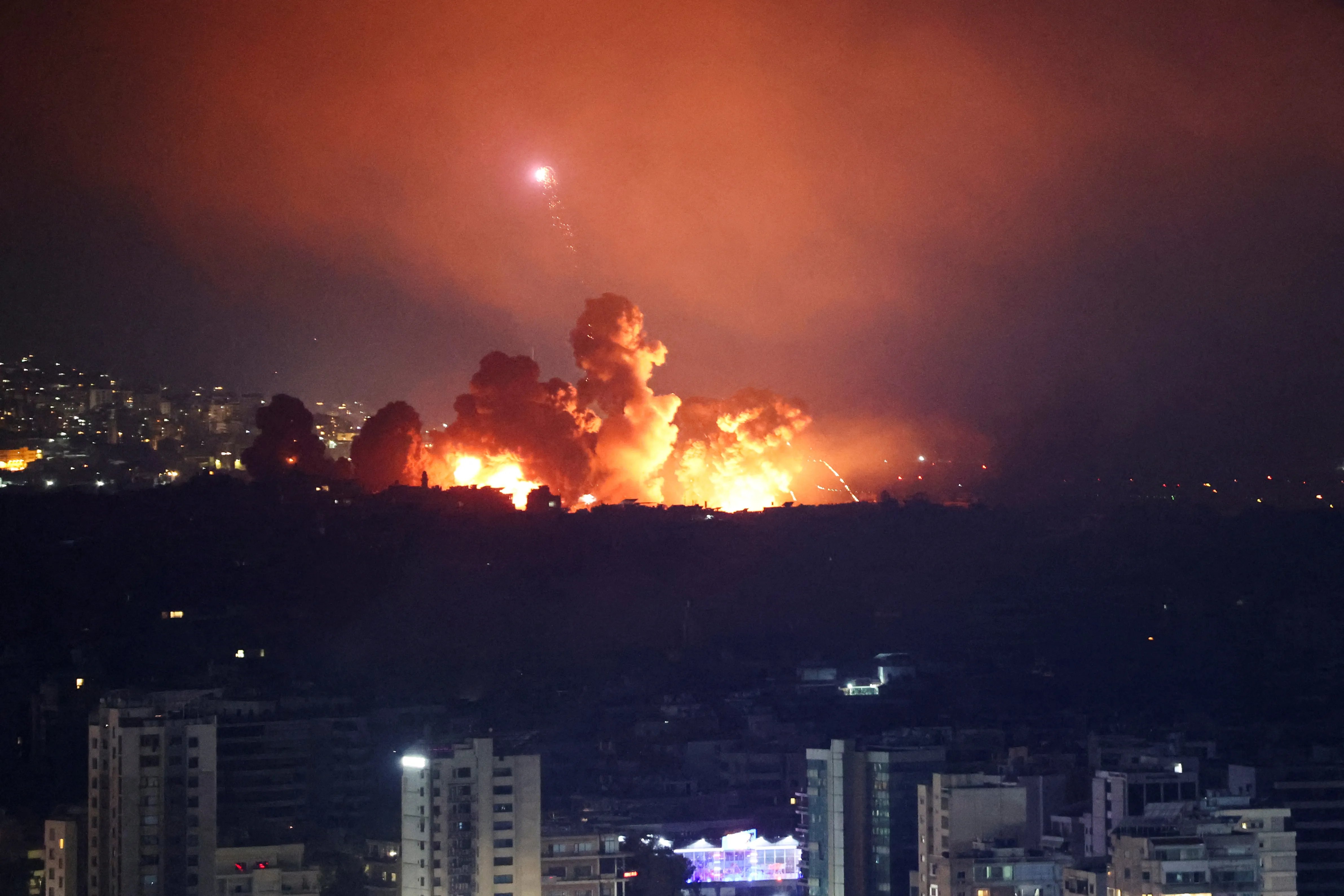
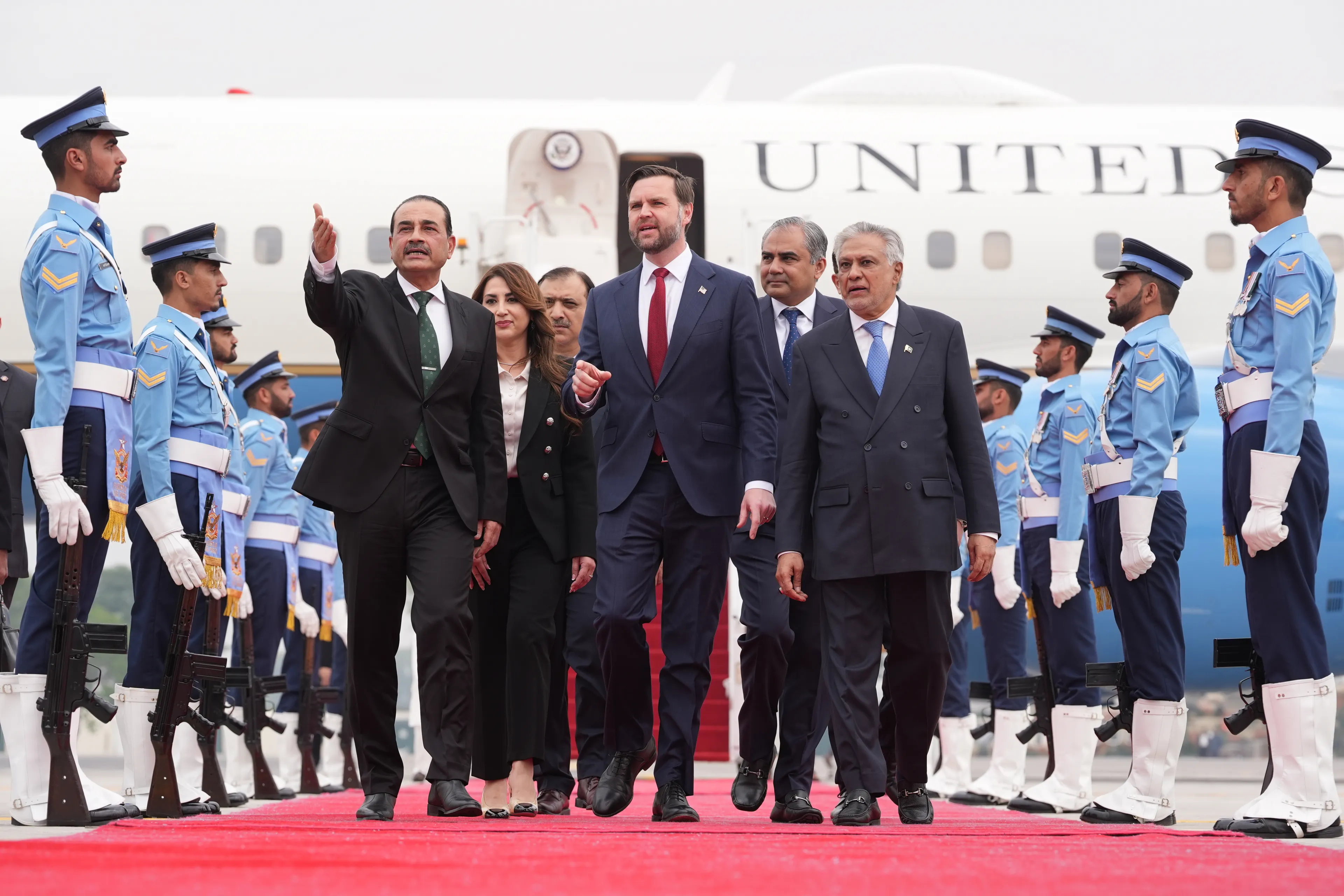
Vice President JD Vance left Islamabad empty-handed after 21 hours of direct talks with Iranian Foreign Minister Abbas Araghchi and parliamentary speaker Mohammad Bagher Ghalibaf. A senior U.S. official told ABC News Iran refused six U.S. red-line demands: ending all uranium enrichment, dismantling enrichment facilities, handing over highly enriched uranium, accepting a regional security framework, cutting funds to Hamas, Hezbollah and the Houthis, and reopening Hormuz without tolls. Iranian state broadcaster IRIB blamed “unreasonable demands” for the breakdown, while Vance told reporters, “they have chosen not to accept our terms.” The U.S. official said the Iranian delegation insisted on linking any Hormuz deal to a permanent cease-fire in Lebanon and the release of $6 billion in frozen Iranian assets—conditions Washington rejected.
Iran’s Revolutionary Guard answers back
The Revolutionary Guard Navy warned Sunday that “any military vessels approaching the Strait of Hormuz will be considered a violation of the cease-fire and will be met with severe force.” A Guard statement carried by Fars news agency claimed the strait “remains open for the safe passage of non-military vessels under specific regulations,” but marine-traffic data show only 12 commercial ships—three of them sanctioned tankers—have transited since the cease-fire began, against a normal flow of 129 a day. The Guard also threatened the two U.S. destroyers clearing mines, radioing “this is the last warning” as the American ships entered the channel.
Global ripple: prices, pipelines and politics
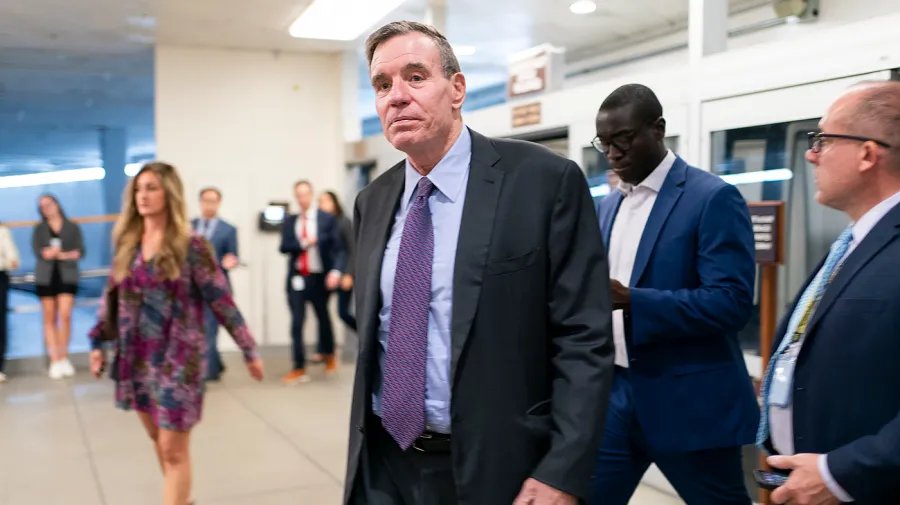
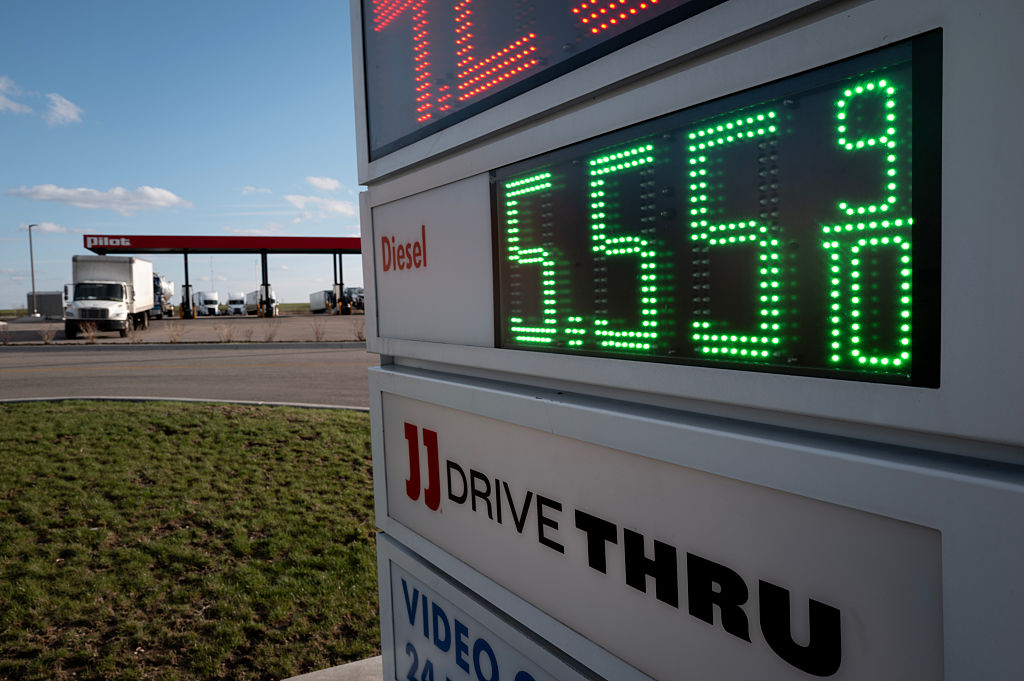
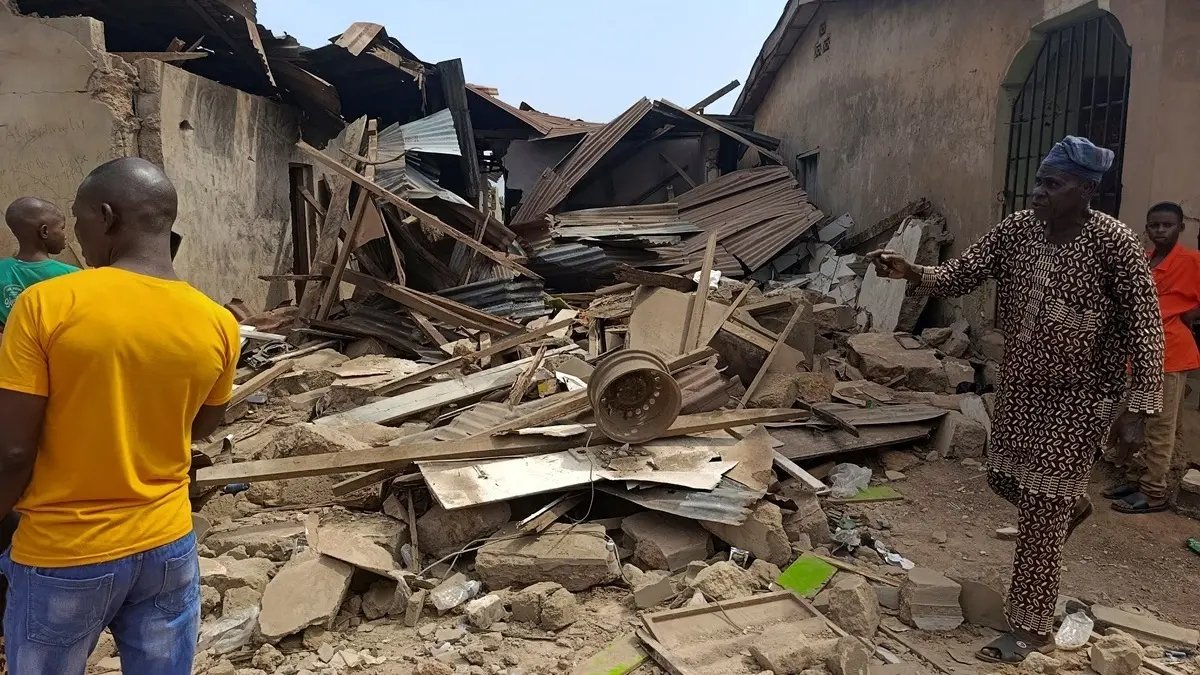
Oil analysts say the blockade could push Brent crude, already at $96.98 Friday, back above $100. Saudi Arabia said it restored its 7-million-barrel-per-day East-West pipeline after recent attacks, giving Gulf producers a way around Hormuz. TotalEnergies shut its 440,000-barrel-per-day SATORP refinery in Saudi Arabia after damage overnight April 7-8, the company confirmed. In Washington, lawmakers expect the White House to request $80–100 billion in supplemental war funding this week, down from an early Pentagon ask of $200 billion. Sen. Mark Warner (D-Va.) told CBS’s “Face the Nation” he will scrutinize any new request, saying, “this president should have come to Congress first and said, ‘I’m going to choose to go to war.’”
What happens next
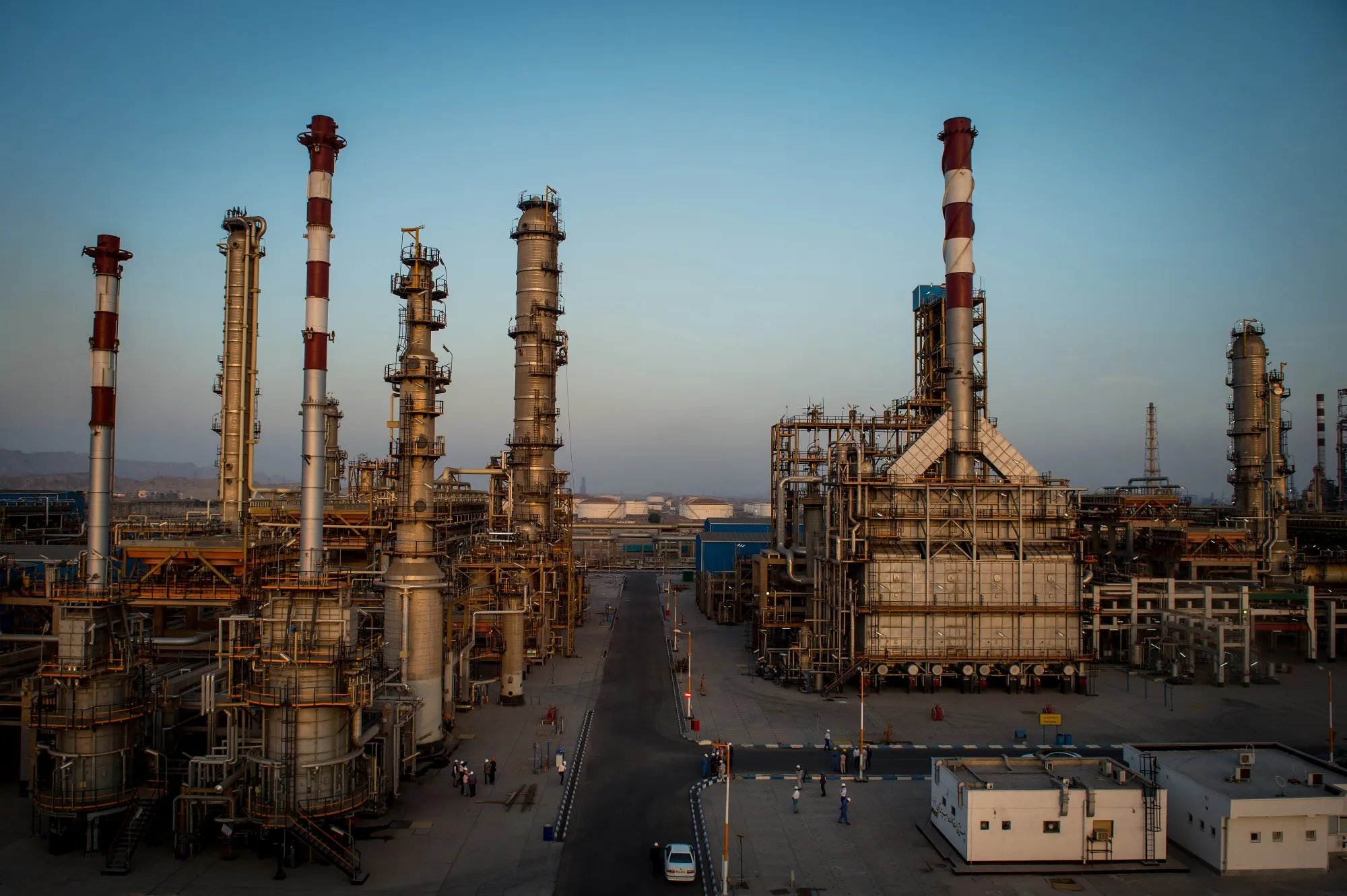
The U.K. government said it will not join the U.S. blockade but will send minesweepers and work with France on a freedom-of-navigation coalition. Pakistan’s foreign minister Ishaq Dar pledged to host a second round of talks, while Iran aims to restart its damaged Lavan refinery within 10 days. For now, ADNOC’s Al Jaber says the strait is “a global economic lifeline” that Iran is treating as “a tool of extortion,” a stance that leaves tanker captains—and consumers far from the Gulf—waiting to see whose rules prevail in the narrow stretch of water that keeps fuel flowing worldwide.










The sources also report that Iran's delegation insisted on linking any deal regarding the Strait of Hormuz to a permanent cease-fire in Lebanon and the release of $6 billion in frozen Iranian assets.