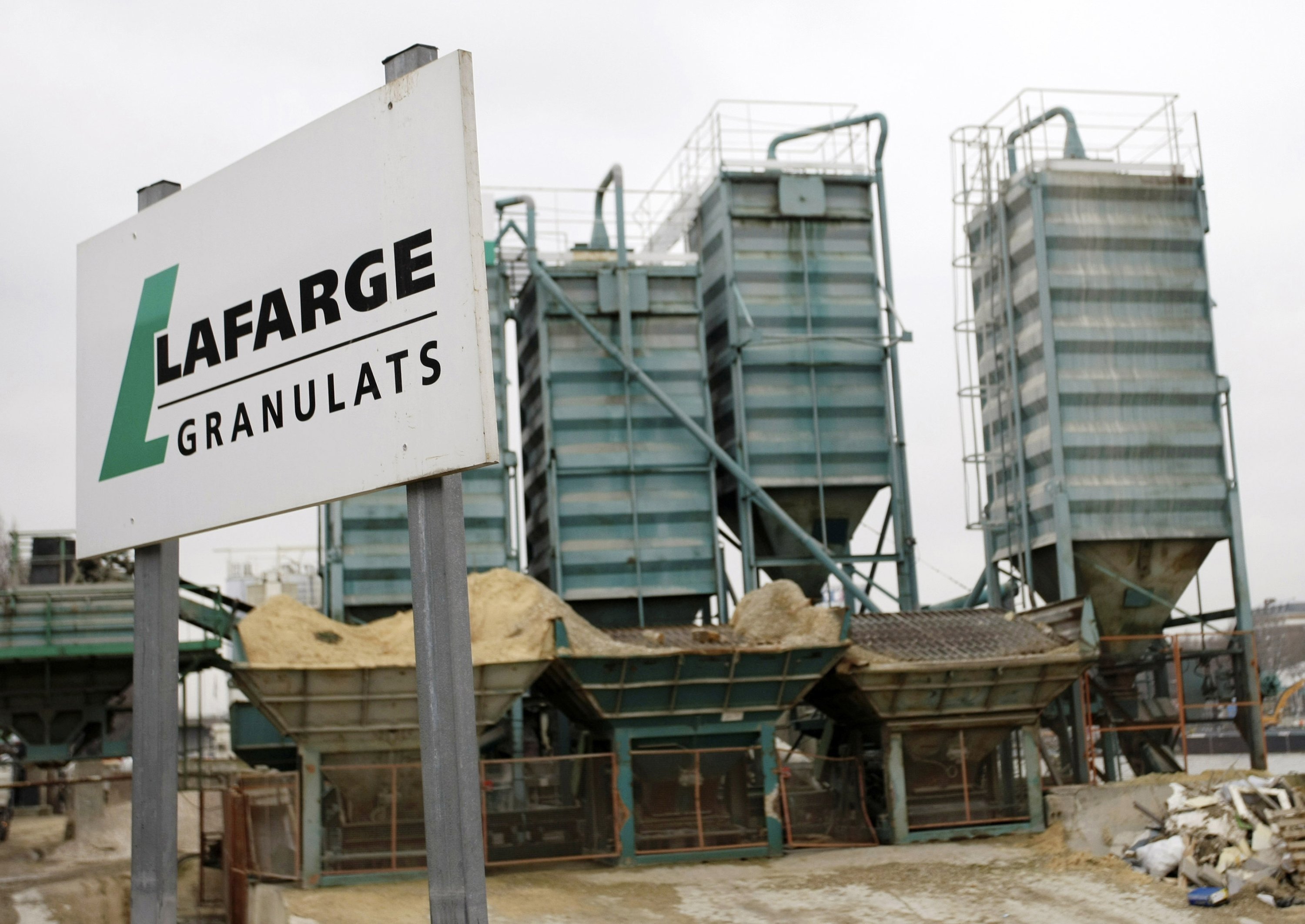
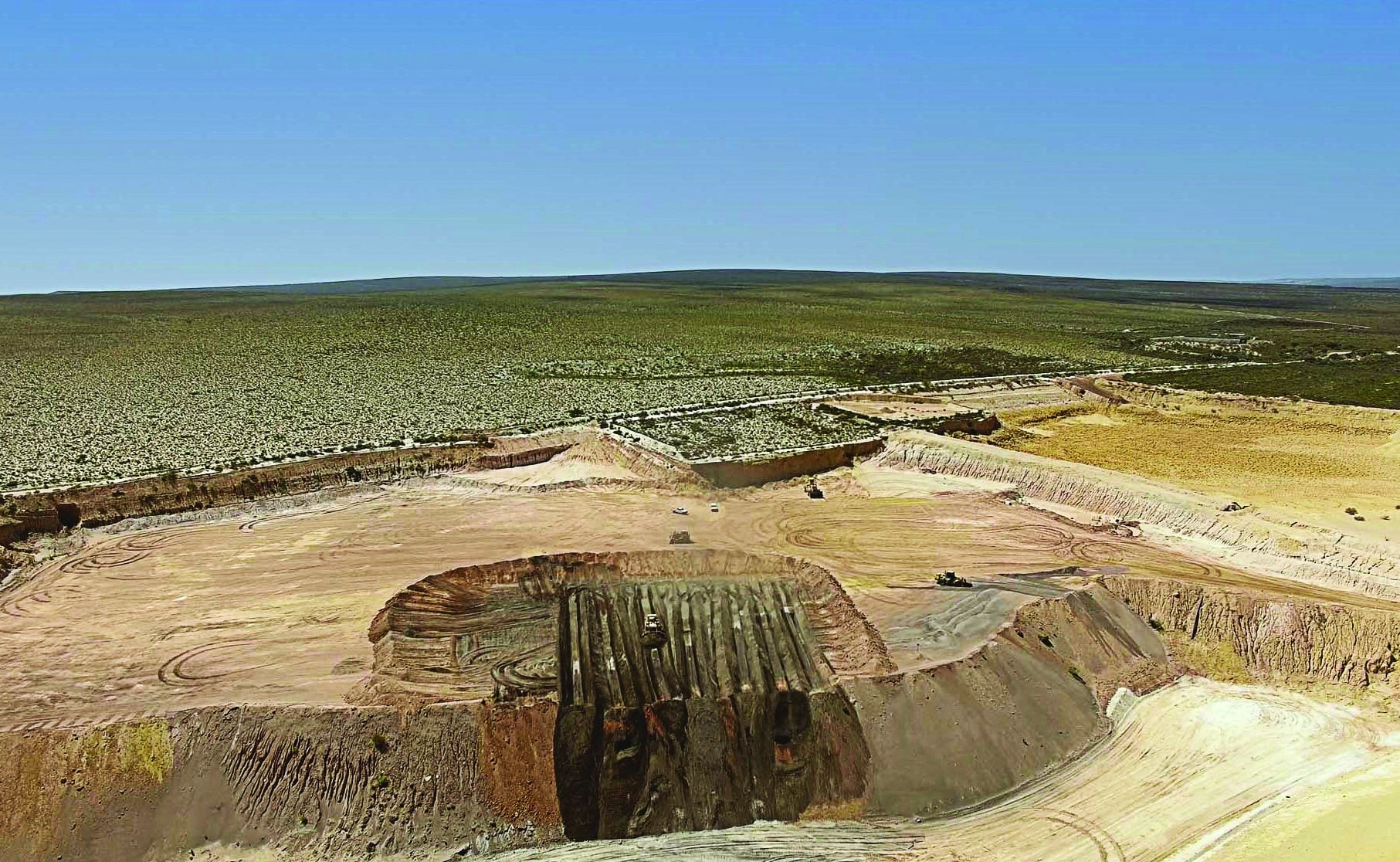
A Paris court on Monday declared cement maker Lafarge guilty of providing funds to the Islamic State group and other jihadists. Lafarge, now controlled by Switzerland's Holcim, directed these payments to maintain operations at a plant in northern Syria during the civil war.
Lafarge made specific payments to terrorist organizations to ensure the cement plant remained active amid the Syrian conflict. The company, owned by Holcim, focused these efforts on northern Syria, a key area of the war.
Switzerland's Holcim now owns Lafarge, which operated the Syrian plant as part of its global portfolio. This ownership structure meant Holcim inherited the legal scrutiny over past activities in Syria. The court's finding underscores the accountability that current owners face for historical corporate behaviors in volatile areas.
The payments kept the plant running during the Syrian civil war.
A Paris court on Monday declared cement maker Lafarge guilty of providing funds to the Islamic State group and other jihadists. Lafarge, now controlled by Switzerland's Holcim, directed these payments to maintain operations at a plant in northern Syria during the civil war. This outcome directly challenges how businesses handle financial decisions in conflict regions, potentially altering standards for corporate conduct that safeguard global stability.
Lafarge made specific payments to terrorist organizations to ensure the cement plant remained active amid the Syrian conflict. The company, owned by Holcim, focused these efforts on northern Syria, a key area of the war. Such actions by Lafarge expose the intersection of commerce and security, showing how operational choices can fuel instability in war zones.
Switzerland's Holcim now owns Lafarge, which operated the Syrian plant as part of its global portfolio. This ownership structure meant Holcim inherited the legal scrutiny over past activities in Syria. The court's finding underscores the accountability that current owners face for historical corporate behaviors in volatile areas.
The payments kept the plant running, exposing workers and locals to heightened risks in the Syrian civil war. Jihadists received funds that supported their activities, directly endangering civilians in the region. This verdict serves as a reminder of how corporate financing can amplify personal dangers for people in conflict zones, prompting a reevaluation of business practices that affect everyday lives.
Highlighted text was flagged by the council. Tap to see feedback.